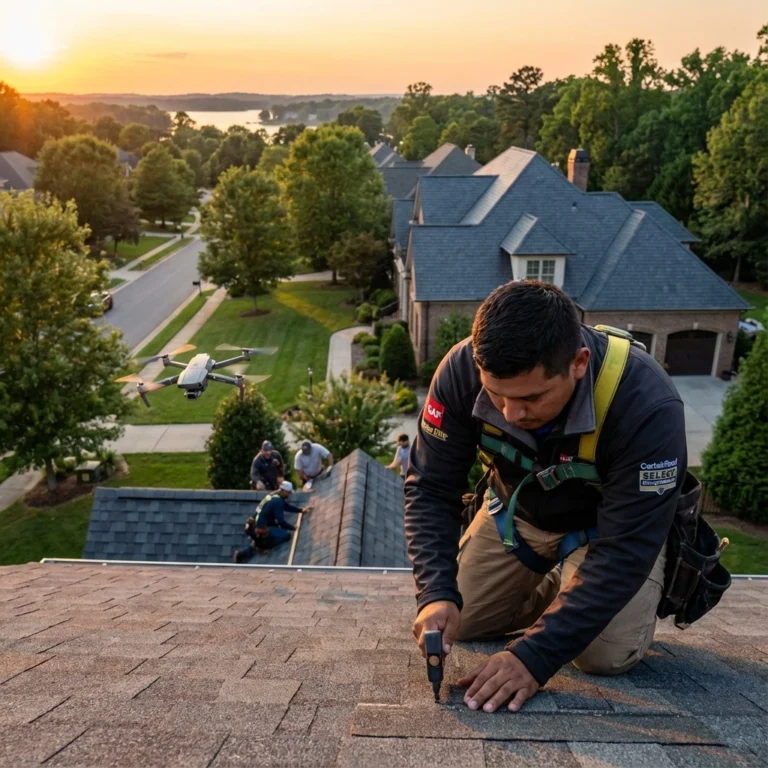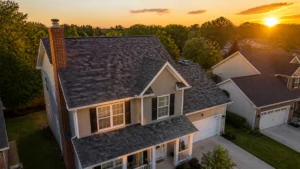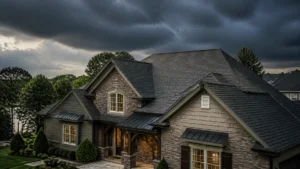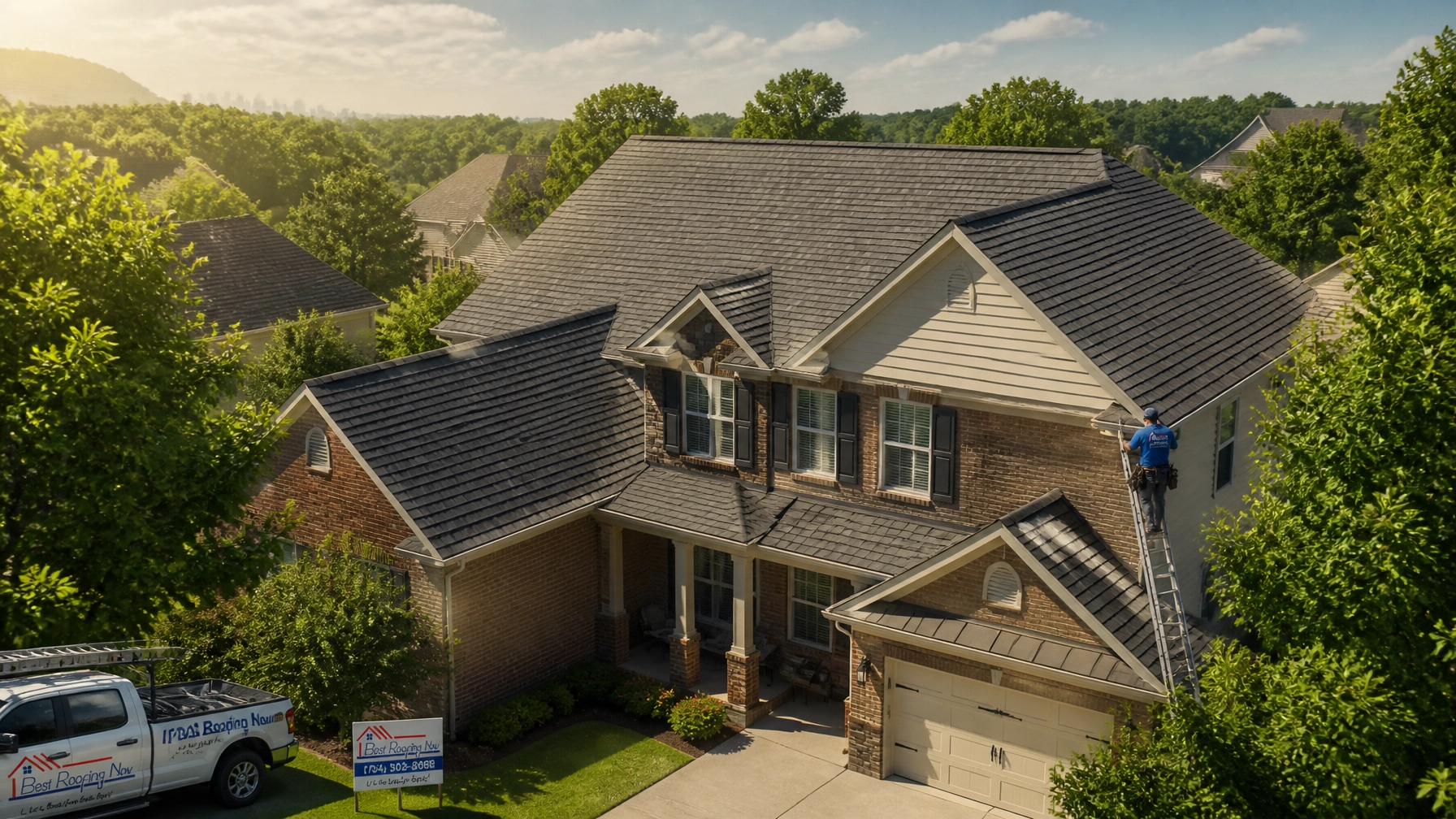
Living in Charlotte, North Carolina, means we get a lot of beautiful days. We have the trees, the parks, and the lakes like Lake Norman. But there is one thing every homeowner knows all too well: the humidity. In the summer, the air feels like a warm, wet blanket. You might notice your windows fogging up or your AC working overtime. But have you ever stopped to think about what that "Charlotte Sweat" is doing to your roof?
At Best Roofing Now, we have seen it all. We are a veteran-owned company, and we have fixed or replaced over 500 roofs in the Queen City since 2020. We don’t just show up to sell you something new. We want to help you keep what you have for as long as possible. That is why we wrote this guide. We want to show you how to fight back against the NC humidity.
If you ignore your roof in this climate, a small problem can turn into a huge bill very fast. But if you follow a simple plan, you can add 5 to 10 years to your roof's life. Let’s dive into how you can protect your biggest investment.
Why Charlotte Humidity is a Roof Killer
You might think rain is the main enemy of a roof. Rain is a big deal, sure. But in North Carolina, humidity is a sneaky villain. It stays in the air long after the rain stops. It gets under your shingles. It sits in your attic. It feeds things that want to eat your house.
The Biological Battle: Algae and Moss
Have you ever looked at a roof in a neighborhood like Myers Park or Cornelius and seen black streaks? Many people think that is dirt or soot. It isn't. It is actually a type of algae called Gloeocapsa Magma.

This algae loves our hot, wet air. It eats the limestone filler that manufacturers put in asphalt shingles. If you let it grow, it literally eats your roof. It also turns your roof black. A black roof absorbs more heat from the sun. This makes your attic hotter and your energy bills higher.
Then there is moss. Moss is even worse. Moss acts like a sponge. It holds water against your shingles for days. In our humidity, that water never dries out. This can rot the wood deck underneath your shingles. If you see green "fuzz" on your roof, you need to act fast.
Thermal Shock: The Expansion Game
Charlotte weather is famous for changing its mind. It might be 90 degrees in the afternoon and then drop to 60 degrees during a sudden thunderstorm. This causes your roof to expand and contract.
When the humidity is high, the materials can get heavy with moisture. Then the sun hits them, and they bake. This constant "stretching" makes shingles brittle. They start to crack or lose their granules. Those granules are the tiny rocks on top of the shingles that protect them from UV rays. Once those are gone, your roof is like a person out in the sun without sunscreen.
Your Seasonal Charlotte Roof Maintenance Checklist
To keep your roof healthy, you need a plan. You don’t have to be a roofing expert to do this. You just need to be observant. We recommend checking your roof at least twice a year. The best times are Spring and Fall.
Spring: Prepping for the Summer Steam
In March or April, you want to clear away the mess from winter. Even though we don't get much snow, we get plenty of wind and rain.
- Look for "Birdies": No, not actual birds. We call missing shingles "birdies" sometimes because they look like they flew away. Check for any shingles that are lifted or gone.
- Clear the Valleys: The valleys are the "V" shapes where two roof sections meet. Leaves and pine needles love to hide here. In our humidity, these wet piles of leaves turn into "compost" on your roof. This will cause a leak faster than almost anything else.
- Trim the Trees: We love our Charlotte tree canopy. But if branches are touching your roof, they are bridges for squirrels and moisture. Keep branches at least 6 feet away.
Summer: The Humidity Peak
During the hottest months, your focus should be on how the roof is breathing.
- Check the Attic: Go up into your attic on a hot day. Does it feel like an oven? If it is much hotter than the outside air, your ventilation is failing. GAF, one of the top shingle makers, says:
“The main purpose of attic ventilation is to help prevent the accumulation of moisture on the structural surfaces… and reduce shingle and attic temperatures.”
- Look for Blisters: If your shingles look like they have little bubbles, they are "blistering." This often happens when moisture gets trapped under the shingle and the hot sun makes it expand.
Fall: The Great Gutter Cleanout
In Matthews and Huntersville, the trees drop a lot of leaves in October and November. This is the most important time for maintenance.
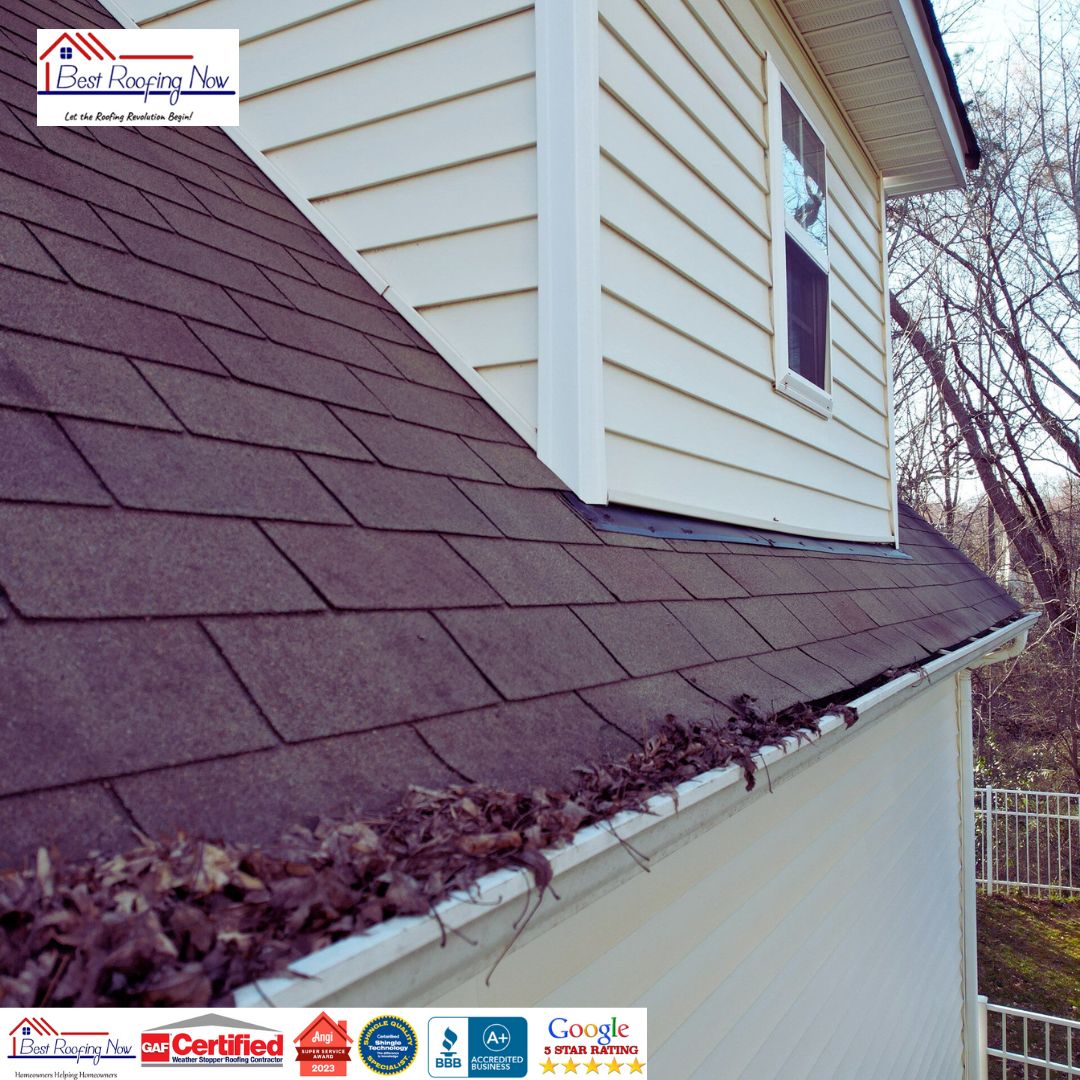
- Clean the Gutters: Clogged gutters are a disaster. When they overflow, the water goes back up under your shingles. This causes rot in your "fascia" boards (the boards the gutters hang on).
- Check the Flashing: Flashing is the metal around your chimney and vents. The high humidity can make the sealant around the flashing crack over time. If you see cracks, you need to re-caulk them before the winter rains hit.
Winter: The Leak Watch
Charlotte winters are usually mild, but we get a lot of "soaker" rains.
- Indoor Inspection: Look at your ceilings. Do you see any yellow or brown spots? Do you smell a musty odor? These are signs that moisture is getting in.
- Check the Pipe Boots: The rubber seals around the pipes that stick out of your roof are called "boots." The NC sun and humidity make these dry out and crack. They usually only last 10 years, even if your roof is a 30-year roof.
The Secret Weapon: Proper Attic Ventilation
If you want to beat humidity, you have to talk about ventilation. Most people think a roof is just the shingles you see from the street. But a roof is actually a system. The most important part of that system is how air moves under it.
In a humid place like Charlotte, your attic needs to breathe. If it doesn't, moist air gets trapped. This leads to:
- Mold and Mildew: This can grow on your rafters and make your family sick.
- Deck Rot: The wood under your shingles gets soft like a wet cracker.
- Nail Rust: If you see rusty nails in your attic, you have a humidity problem.
We always check for two types of vents: Intake and Exhaust. Intake vents (usually under the eaves) let cool air in. Exhaust vents (on the ridge or top of the roof) let hot, wet air out. If your insulation is blocking your intake vents, your roof is "suffocating."
When we do a free inspection, we don't just look at the shingles. We check the vents because that is where the real battle against humidity is won or lost.
Choosing the Right Materials for NC
If you are thinking about a roof replacement, you need to pick materials that can handle the South. Not all shingles are the same. We work with the biggest names like GAF, CertainTeed, and Owens Corning. Here is what they offer for our climate:
| Feature | Why it Matters in Charlotte | Top Product Examples |
|---|---|---|
| Algae Resistance | Stops the black streaks from eating your shingles. | GAF StainGuard Plus, CertainTeed StreakFighter |
| Reflective Granules | Reflects sun to keep your attic cooler and bills lower. | GAF Timberline CS (Cool Series) |
| High-Wind Rating | Protects against our heavy summer thunderstorms. | Owens Corning Duration (SureNail Tech) |
We often recommend "Cool Roofs" for our commercial clients in Uptown Charlotte, but they are great for homes too. These materials are designed to stay much cooler than traditional shingles.
DIY Maintenance vs. Calling a Pro
We know a lot of North Carolinians like to do things themselves. There are some things you can safely do, and some things you should never do.
What You Can Do (DIY)
- Ground Check: Walk around your house with a pair of binoculars. Look for anything that looks "off."
- Gutter Cleaning: If you have a stable ladder and someone to hold it, you can clear your gutters.
- Attic Peek: Go into your attic with a flashlight. Look for water stains or daylight where it shouldn't be.
What the Pros Should Do
- Walking on the Roof: Shingles can be very slippery when wet or covered in pine needles. A fall can be life-changing.
- Soft Washing: If you have algae, do NOT use a pressure washer. It will destroy your roof. Pros use a "soft wash" with special chemicals that kill the algae without hurting the shingles.
- Fixing Flashing: It takes a special skill to bend and seal metal so it doesn't leak. If you do it wrong, you might make the leak worse.

The Best Roofing Now Difference: A Veteran’s Perspective
Why do we care so much about maintenance? It goes back to our roots. As a veteran-owned business, we believe in "preventative maintenance." In the military, you don't wait for your equipment to break in the middle of a mission. You take care of it every single day so it's ready when you need it.
We treat your roof the same way. We aren't here to give you a high-pressure sales pitch for a $15,000 replacement if a $300 maintenance visit will solve your problem. We want to be the people you trust for years, not just for one job.
We serve everywhere from Mint Hill to Indian Trail and Gastonia. No matter where you are in the Charlotte metro area, we know the local weather patterns. We know which neighborhoods have the most shade and which ones get the most wind.
Final Summary: Your 3-Step Action Plan
If you remember nothing else from this guide, remember these three steps:
- Keep it Clear: Don't let leaves or branches sit on your roof. They hold the humidity like a wet towel.
- Keep it Vented: Make sure your attic isn't trapping moisture. If your house feels humid inside, your roof might be struggling too.
- Get a Pro Eye: Once a year, have a professional look at the small details like pipe boots and flashing.
A little bit of care today saves a lot of money tomorrow. If you are worried about your roof, or if you just want to know how it’s doing, give us a call. We offer free inspections and we will give you an honest report with photos.
We are proud to serve the Charlotte community. Let’s make sure your home stays dry and your roof stays strong for years to come.

Ready to battle the NC humidity?
Don't wait for a leak to appear on your ceiling. Schedule your free roof maintenance inspection with Best Roofing Now today. We’ll check your shingles, your vents, and your gutters to make sure your home is ready for whatever the Charlotte weather throws at it.
Call us at (704) 605-6047 or click here to book your free inspection.
{“name”:”How to Maintain Your Roof in Charlotte, NC Humidity”,”step”:[{“name”:”Visual Inspection”,”text”:”Perform a ground-level inspection with binoculars to check for missing, cracked, or lifting shingles.”,”@type”:”HowToStep”},{“name”:”Debris Removal”,”text”:”Clear leaves and pine needles from roof valleys and gutters to prevent moisture traps and rot.”,”@type”:”HowToStep”},{“name”:”Ventilation Check”,”text”:”Inspect the attic for high temperatures or signs of mold, ensuring intake and exhaust vents are not blocked.”,”@type”:”HowToStep”},{“name”:”Tree Trimming”,”text”:”Trim tree branches to be at least 6 feet away from the roof surface to reduce shade and debris.”,”@type”:”HowToStep”}],”@type”:”HowTo”,”image”:”https://cdn.marblism.com/_5M-RPFK_s_.webp”,”supply”:[{“name”:”Stable Ladder”,”@type”:”HowToSupply”},{“name”:”Binoculars”,”@type”:”HowToSupply”}],”@context”:”https://schema.org”,”totalTime”:”PT2H”,”description”:”A comprehensive guide on protecting your roof from North Carolina’s high humidity, algae, and heat.”,”estimatedCost”:{“@type”:”MonetaryAmount”,”value”:”150-350″,”currency”:”USD”}}