When it comes to protecting your home in North Carolina, your roofing choice is critical. From coastal hurricanes to mountain snowstorms and everything in between, NC homeowners face diverse weather challenges that put roofing materials to the test. At Best Roofing Now, we're often asked whether metal or asphalt shingle roofs perform better in our state's unique climate. Let's break down this comparison to help you make the best decision for your home.
Understanding North Carolina's Weather Challenges
North Carolina's climate is nothing if not diverse. Living here means your roof needs to withstand:
- Hot, humid summers with temperatures regularly exceeding 90°F
- Hurricane season bringing powerful winds and torrential rain
- Winter storms with freezing rain, ice, and occasional heavy snow
- Rapid temperature fluctuations, especially during spring and fall
- High UV exposure throughout much of the year
These conditions demand roofing materials that can handle moisture, heat, cold, wind, and sun without premature failure. Let's see how metal and shingles stack up.
Metal Roofing: The Durable Contender
Durability and Lifespan
Metal roofing systems typically last 40-70 years when properly installed, making them a genuinely long-term investment. Modern metal roofs bear little resemblance to the tin barns of yesteryear—today's options feature advanced coatings and engineering that stand up to North Carolina's most challenging conditions.
"We've installed metal roofs that have weathered multiple hurricanes without a single panel coming loose," says James Turner, owner of Best Roofing Now. "Their interlocking panel design creates an exceptionally weather-tight barrier."
Weather Performance
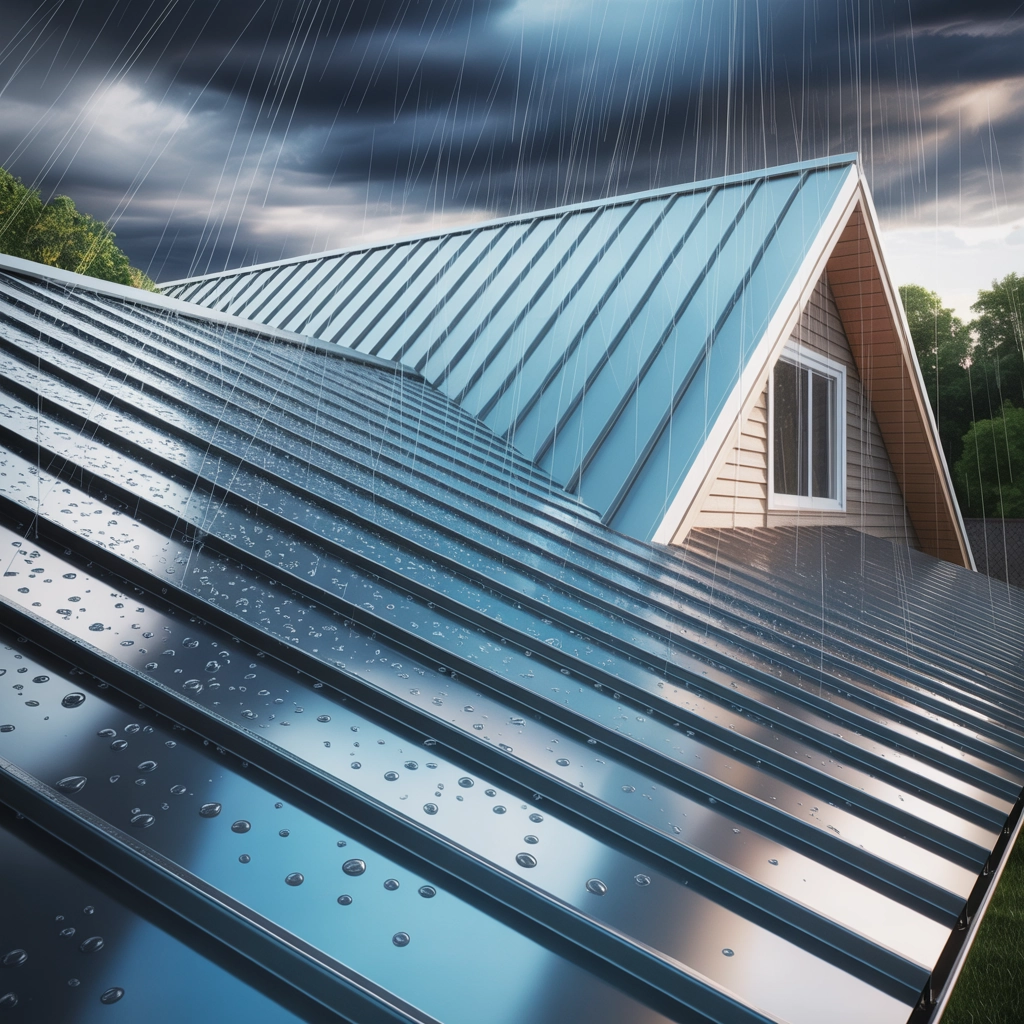
Metal roofing excels in several aspects of North Carolina's climate:
- Hurricane Resistance: Quality metal roofing can withstand winds up to 140 mph, surpassing building code requirements for coastal regions.
- Heat Management: Metal reflects solar radiation rather than absorbing it, reducing cooling costs by 10-25% during those sweltering Carolina summers.
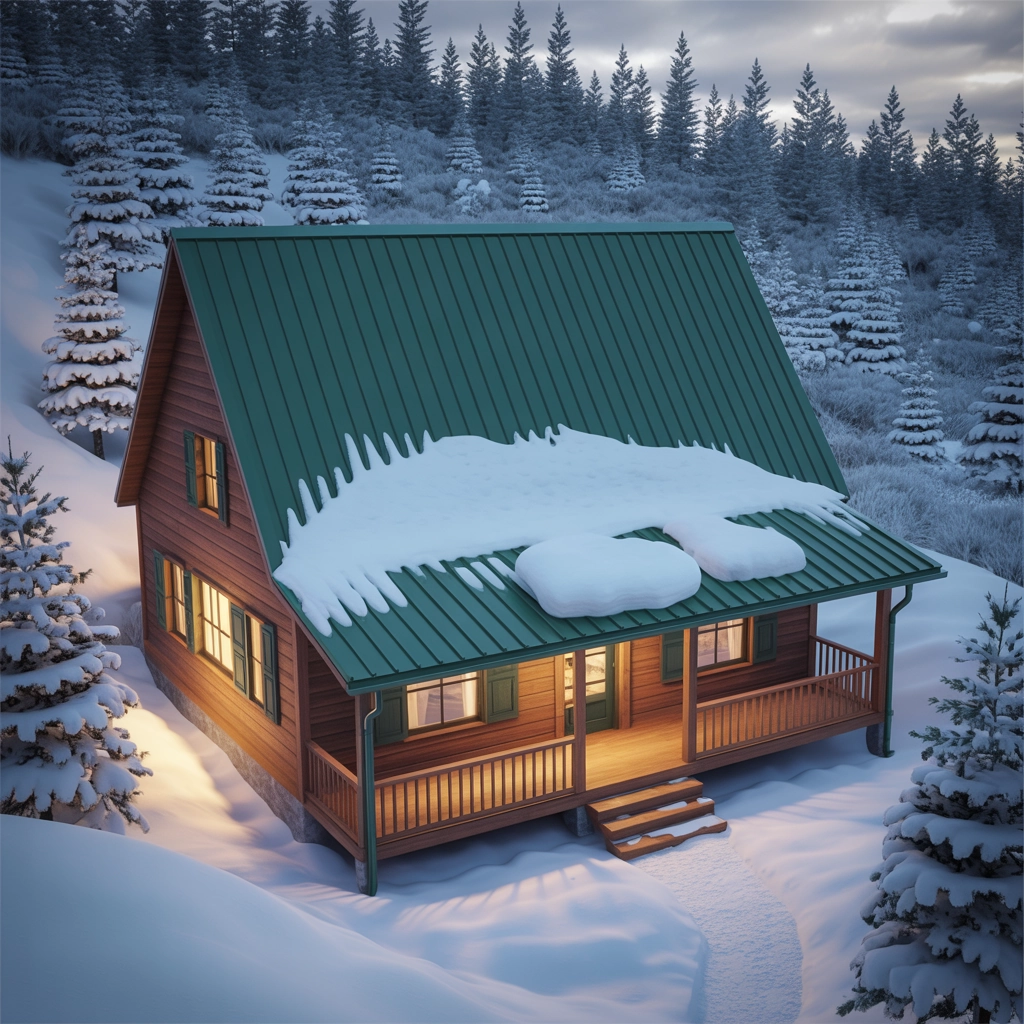
- Snow and Ice Handling: The smooth surface of metal roofing allows snow to slide off more easily, preventing damaging ice dams in mountain and Piedmont regions.
- Moisture Resistance: Metal's non-porous surface prevents water absorption and resists mold and algae growth—a significant advantage in our humid climate.
The Cost Factor
Let's address the elephant in the room: metal roofing typically costs 2-3 times more upfront than asphalt shingles. For an average North Carolina home, expect to invest $12,000-$25,000 for quality metal roofing installation.
However, this higher initial investment comes with significant long-term returns:
- Minimal maintenance costs over decades
- Potential insurance discounts (up to 35% in some coastal counties)
- Energy savings of 10-25% on cooling costs
- Increased home value (typically 1-6% according to real estate studies)
Asphalt Shingles: The Popular Choice
Durability and Lifespan
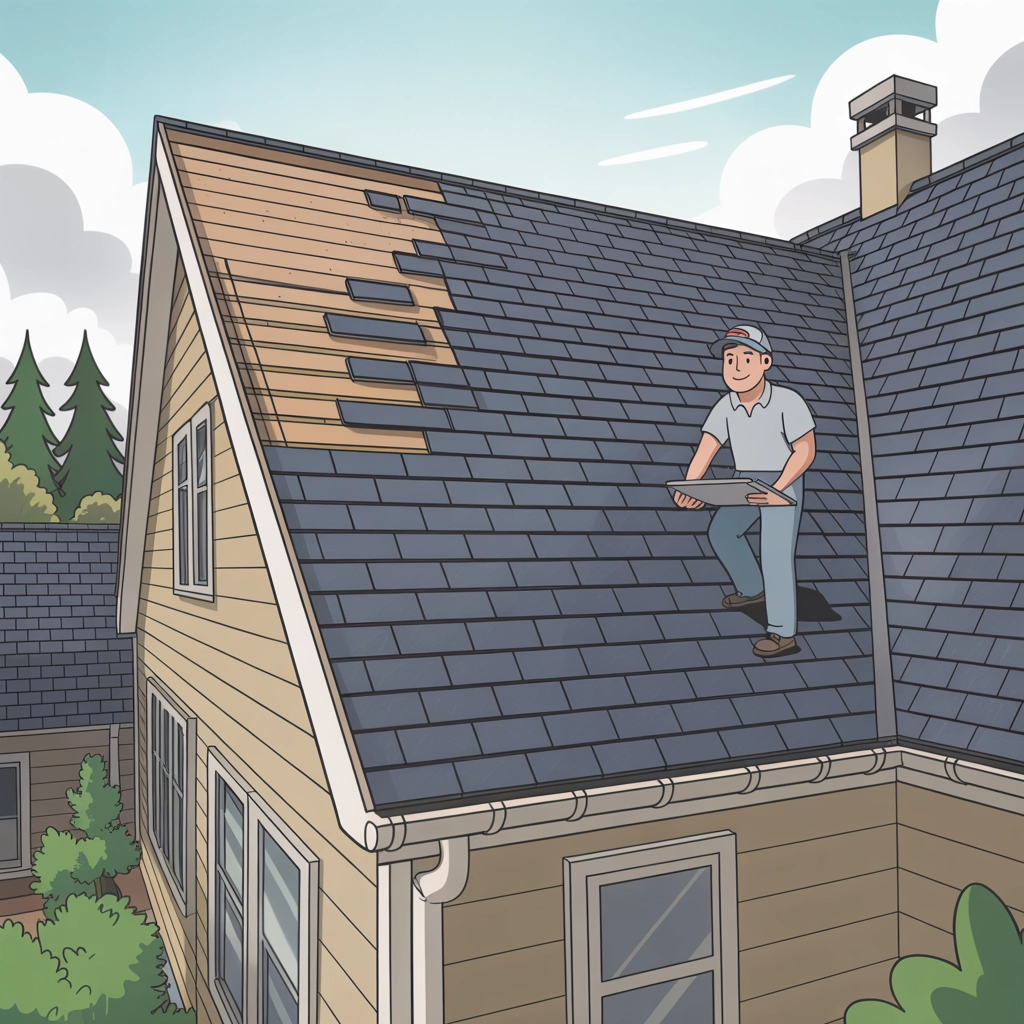
Traditional asphalt shingles typically last 20-30 years in North Carolina's climate. Premium architectural or dimensional shingles may extend this to 25-35 years with proper maintenance.
"Shingles remain our most-requested material because they're familiar and budget-friendly," notes Turner. "Many homeowners in the Piedmont region get excellent performance from quality architectural shingles when they're properly installed and maintained."
Weather Performance
Asphalt shingles have improved significantly over the years but still face challenges in our climate:
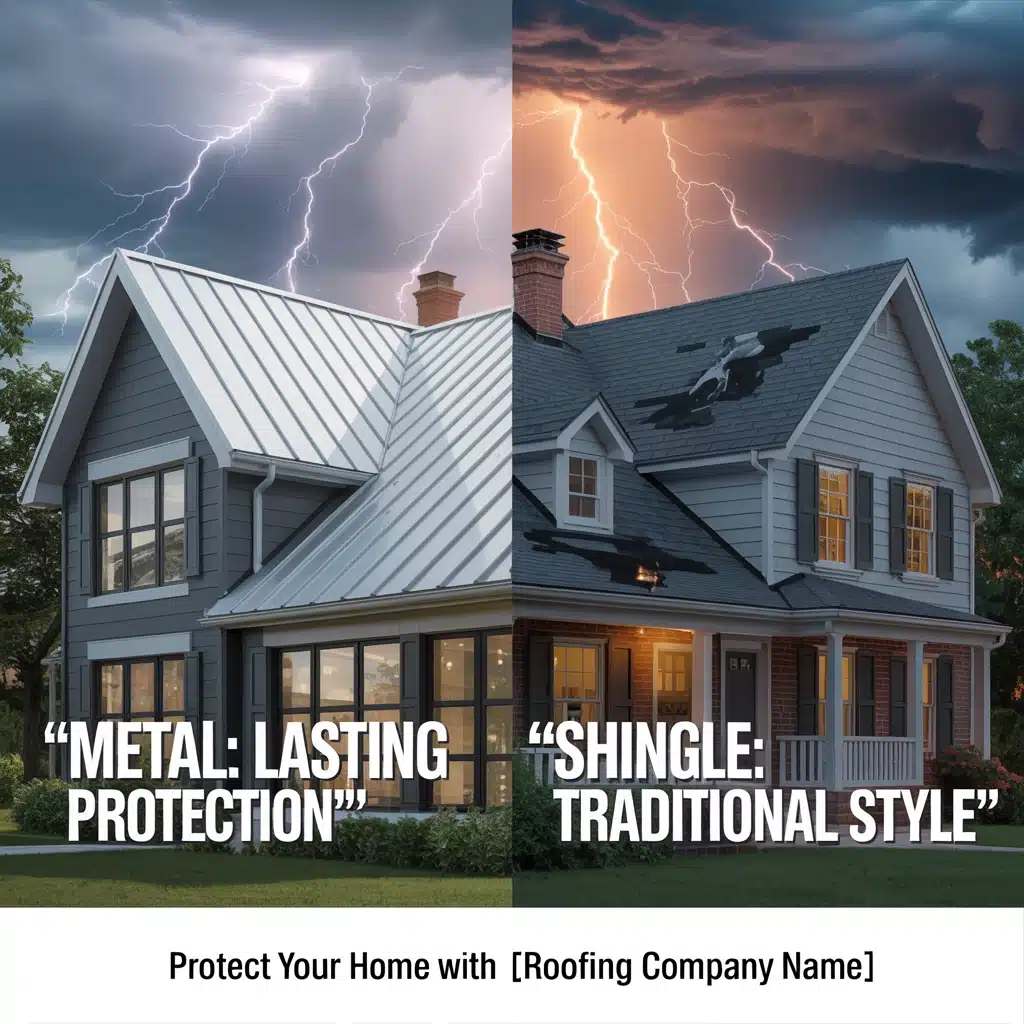
- Hurricane Vulnerability: Standard shingles are rated for winds up to 60-80 mph, while architectural varieties can handle 80-120 mph winds with proper installation. This makes them adequate for inland areas but potentially problematic along the coast.
- Heat Absorption: Dark shingles absorb heat, potentially increasing attic temperatures by 20-40°F during summer and accelerating shingle aging.
- Moisture Issues: Shingles are more prone to algae and moss growth in humid conditions, requiring occasional cleaning or treatment.
- Freeze-Thaw Cycles: Repeated freezing and thawing can cause premature aging and granule loss in shingle roofs.
The Cost Factor
Asphalt shingles win decisively on initial cost, typically ranging from $5,000-$12,000 for an average North Carolina home. This accessibility makes them the go-to choice for budget-conscious homeowners and explains why roughly 75% of American homes have asphalt shingle roofs.
Side-by-Side Comparison for North Carolina Conditions
| Factor | Metal Roofing | Asphalt Shingles |
|---|---|---|
| Initial Cost | $12,000-$25,000 | $5,000-$12,000 |
| Lifespan | 40-70 years | 20-30 years |
| Hurricane Resistance | Excellent (140+ mph) | Fair to Good (60-120 mph) |
| Heat Management | Excellent (reflects heat) | Poor to Fair (absorbs heat) |
| Moisture Resistance | Excellent | Moderate |
| Maintenance | Minimal | Moderate |
| Energy Efficiency | High | Moderate |
| Weight | Lightweight | Moderate |
| Installation Complexity | High (requires specialists) | Moderate |
| Noise During Rain | Can be louder (mitigated with proper installation) | Quieter |
Regional Considerations Across North Carolina
Coastal Regions
For homes along North Carolina's coast from the Outer Banks to Wilmington, metal roofing provides superior hurricane protection and salt-air resistance. The initial investment pays dividends during the first major storm when neighboring homes may need shingle replacements or repairs.
"After Hurricane Florence, we replaced dozens of shingle roofs but only repaired a handful of metal ones," Turner observes. "The difference in performance during extreme weather is dramatic."
Our residential roofing services include hurricane-rated options specifically designed for coastal properties.
Piedmont Region
In Charlotte, Raleigh, and surrounding areas, both options can perform well with proper installation. Homeowners here should weigh long-term value against initial budget constraints.
Metal roofing's energy efficiency shines during Piedmont summers, while quality architectural shingles from manufacturers like CertainTeed Landmark provide reliable performance at a lower price point.
Mountain Regions
Western North Carolina's mountain communities face heavy snow loads, frequent freeze-thaw cycles, and occasional high winds. Metal roofing's snow-shedding capabilities and exceptional durability make it particularly valuable here, reducing the risk of structural damage from snow accumulation.
Making Your Decision: Beyond Weather Performance
While weather resistance should be your primary consideration in North Carolina, other factors may influence your choice:
Aesthetic Preferences
- Metal options now include standing seam panels, metal shingles that mimic slate or wood, and various colors and finishes to complement any architectural style.
- Asphalt shingles offer hundreds of color options and profiles, from basic three-tab to luxury dimensional styles that mimic cedar shake or slate.
Environmental Considerations
- Metal roofing is 100% recyclable at the end of its life and typically contains 25-95% recycled content.
- Asphalt shingles contribute millions of tons to landfills annually, though recycling programs are expanding.
Home Value Impact
Metal roofing typically increases home values more than asphalt, with studies showing returns of 1-6% over comparable homes with asphalt shingles. This can partially offset the higher initial cost, especially if you're planning to sell within 5-10 years.
The Best Roofing Now Recommendation
Based on our decades of experience serving North Carolina homeowners, here's our straightforward advice:
Choose metal roofing if:
- You live in a coastal or high-wind area
- You plan to stay in your home long-term (10+ years)
- Energy efficiency is a priority
- You want minimal maintenance
- Your budget allows for the higher initial investment
Choose asphalt shingles if:
- You're on a tighter budget
- You live in a more protected inland area
- You might move within 5-10 years
- You prefer traditional aesthetics
- You're comfortable with more frequent maintenance
Making Your Roof Last, Regardless of Material
Whichever material you choose, proper installation and maintenance are crucial for maximizing performance in North Carolina's challenging climate. At Best Roofing Now, we ensure meticulous installation that meets or exceeds manufacturer specifications and local building codes.
For existing roofs, our maintenance services help extend lifespan and identify potential issues before they become costly problems.
Ready to discuss the best roofing solution for your North Carolina home? Contact us for a free consultation and estimate. Our team will help you navigate the options and choose the right roof to protect your home for decades to come.