—
Buying your first home is exciting—and maybe a bit overwhelming. If you've never had to think about a roof before, you’re definitely not alone. The good news: learning just a few basics can save you stress, time, and money down the road. Here’s your no-nonsense cheat sheet to get roof-smart (fast).
1. A Roof Is More Than Just Shingles
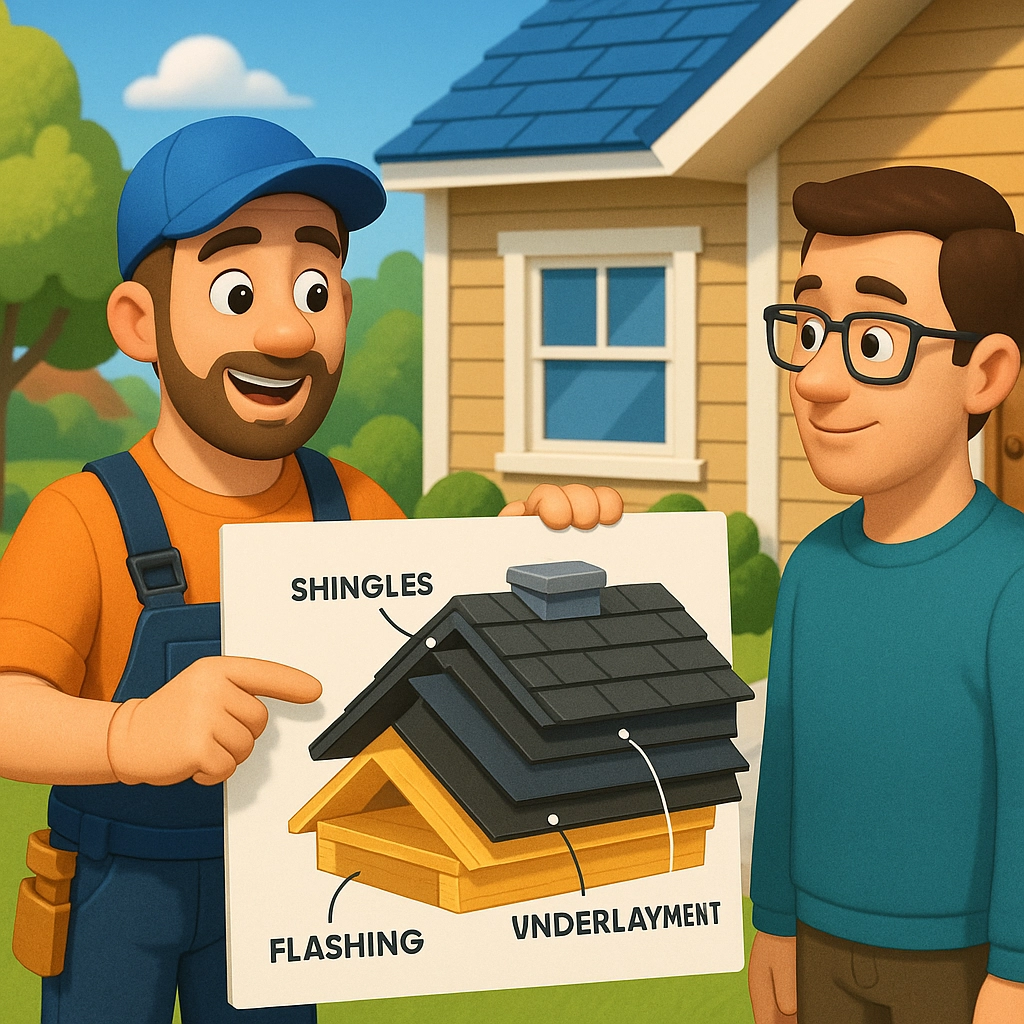
If you imagine your roof as a single layer of shingles nailed to some wood, you’re missing the whole picture! A reliable roof is a system made up of several important layers and parts, all working together to keep your home safe and dry.
Here’s a quick rundown of the main parts:
- Decking: The flat boards attached to your rafters, acting as the base for everything else.
- Underlayment: A water-resistant barrier that sits between the decking and shingles, catching leaks and adding protection.
- Shingles/Tiles: These are what you see from the street. They shield your home from weather and sun.
- Flashing: Thin, metal strips that cover gaps around chimneys, vents, and valleys—the “trouble spots” for leaks.
- Ventilation: Ridge and soffit vents allow hot air to escape, keeping your attic cool and stopping moisture buildup.
- Drip Edges & Pipe Boots: Help keep water flowing away from your roof and protect any pipes poking through.
“A solid roof isn’t just shingles—it’s layered protection keeping rain, wind, and pests outside.” – Best Roofing Now Pro Tip
Knowing these terms (and being able to point to them) helps you talk with a pro if repairs ever come up.
2. Not All Roofs Last the Same Amount of Time
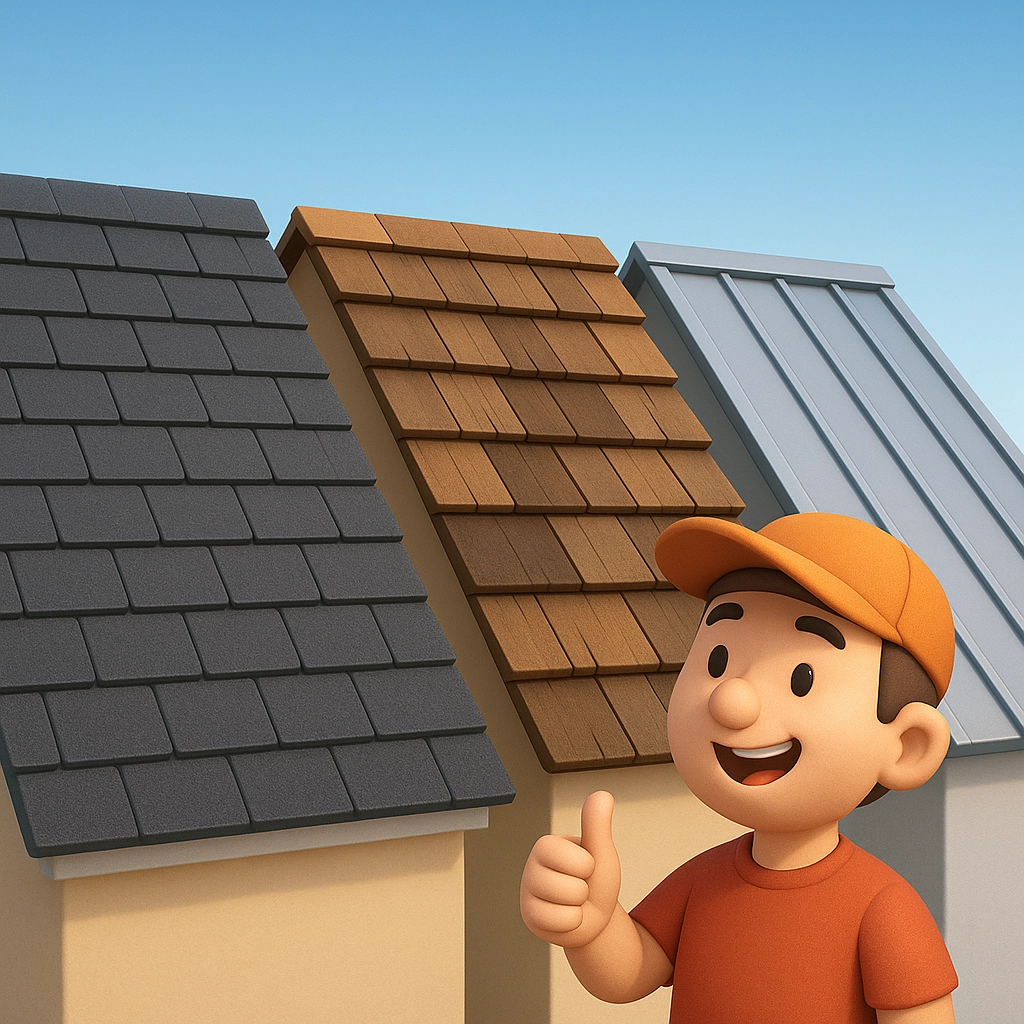
Roofs don’t last forever. But how long you can expect your roof to last depends a lot on what it’s made of—and how it was installed.
Here’s a quick cheat sheet:
- Asphalt Shingles: Most common in the Carolinas. They usually last 15–30 years.
- Wood Shake/Shingle Roofs: With care, these can last up to 50 years.
- Metal Roofs: Can go 40 years or more, but typically cost more upfront.
- Tile or Slate: Some last longer than your mortgage, but they’re heavy and pricier to install.
What shortens a roof’s lifespan? Bad weather, too much sun, or poor installation can push a roof to its breaking point faster.
Don’t know your roof type? Look for a label in your attic or ask for info from your home’s seller or inspector.
3. The Climate Matters—Pick Materials That Can Handle Your Weather
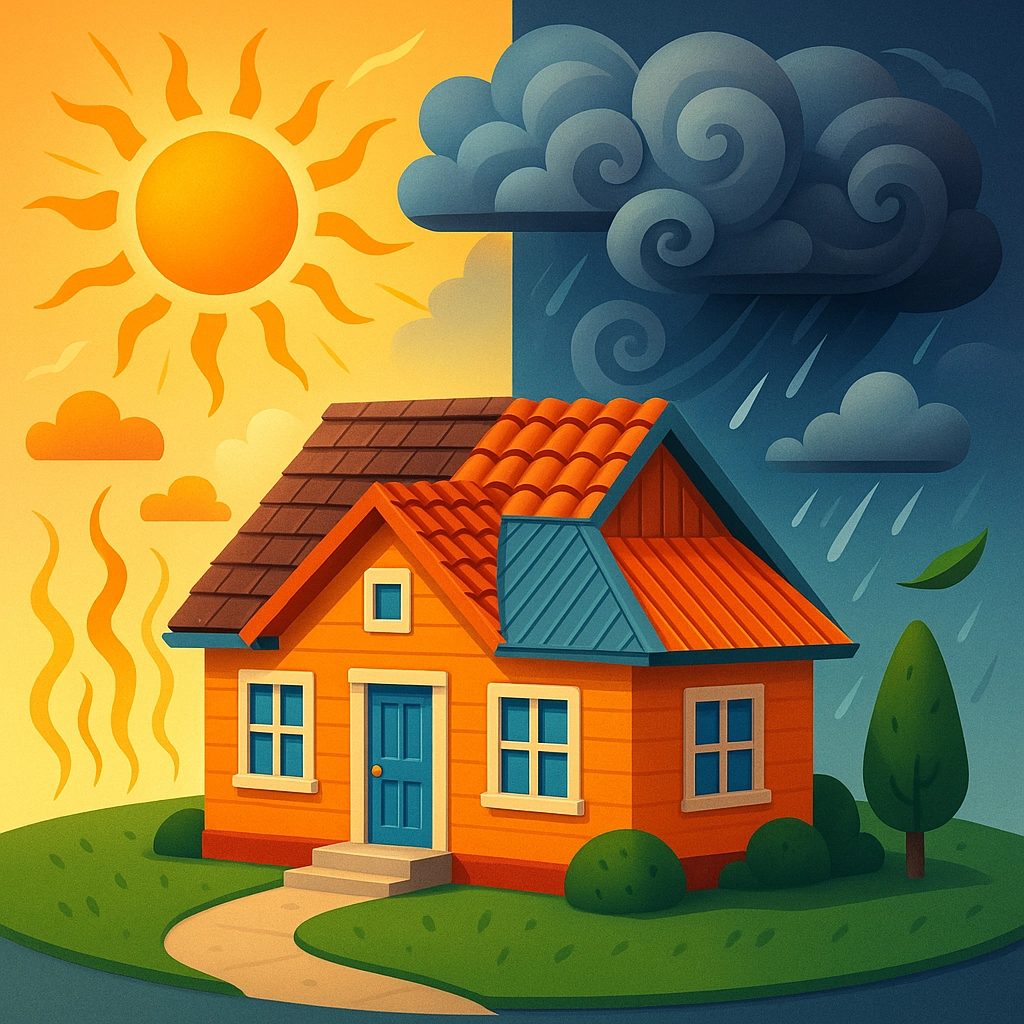
Different roofs handle wind, rain, snow, and sun in unique ways. North Carolina gets it all: hot summers, surprise storms, and the occasional ice. Not every shingle stands up to that kind of action.
- If you live in a stormy or high-wind zone, ask about “impact-resistant” shingles. They’re made to survive hail and tree debris.
- Got lots of sun? Some shingles are designed to reflect heat and slow down roof aging.
- Metal roofs often withstand both heavy rain and the sizzling southern sun. They’re a favorite if you want something long-lasting.
- In coastal areas, salt and humidity can chew up metal quickly—so look for special coatings.
“One size never fits all when it comes to roofing—a good match for your climate protects your home (and wallet) in the long run.”
Chat with a local pro about what works best in your neighborhood.
4. Maintenance: It’s Your Roof’s Best Friend
Even a brand-new roof needs a little attention! Regular check-ups can double your roof’s life, catch problems early, and save you thousands over the years.
Keep up with these easy tasks:
- Clean Your Gutters: Clogged gutters lead to standing water, which can rot wood and flood your foundation.
- Trim Tree Branches: Branches that touch your roof scrape away protective granules and invite critters.
- Inspect for Damage: After every major storm, walk around your house and look for missing shingles, dents, or signs of algae growth.
- Check the Attic: Water stains on the ceiling, musty smells, or wet insulation could mean a hidden leak.
If you spot trouble, don’t wait—call a pro for a full inspection. (Need a hand? Schedule a roof inspection with Best Roofing Now.)
Here’s a simple inspection log you can print and use twice a year:
| Date | Weather Event | What You Checked | Issues Found? | Action Taken |
|---|---|---|---|---|
| Gutters, Branches, Shingles | ||||
| Attic, Flashing, Vents |
5. Leave the Big Jobs to the Pros
DIY roof repairs might look tempting, but trust us: this is not like patching a wall or fixing a leaky faucet. Roofing is dangerous, detailed work—one mistake can mean water damage, ruined insulation, or even voiding your roof warranty.
Important things only a pro should do:
- Install or replace a roof: Removing old material properly matters. Skipping steps leaves your house open to leaks.
- Fix flashing or vent issues: Improper sealing is the #1 cause of roof leaks.
- Navigate permits and codes: Professionals know local laws and make sure your project is up to standard.
Working with licensed, insured contractors means peace of mind—and often better warranties, too. Read what other homeowners say about Best Roofing Now.
“Professional installation isn’t just about the look—it’s about your home staying safe, dry, and energy efficient.” – Trusted Roofing Expert
That’s it—five things every new homeowner needs to know about their roof. Protecting your biggest investment starts with a little roof knowledge. If you’re ever in doubt (or discover anything weird up there), reach out to a trusted local pro.
🏠 Grab the New Homeowner Cheat Sheet
Want all this info and more in a printable checklist? Download the New Homeowner Roofing Cheat Sheet today!
Looking for more tips? Check out our Roofing Blog or get advice straight from the pros at Best Roofing Now.
You’ve got this! A little roof smarts goes a long way to protect your home and your peace of mind.