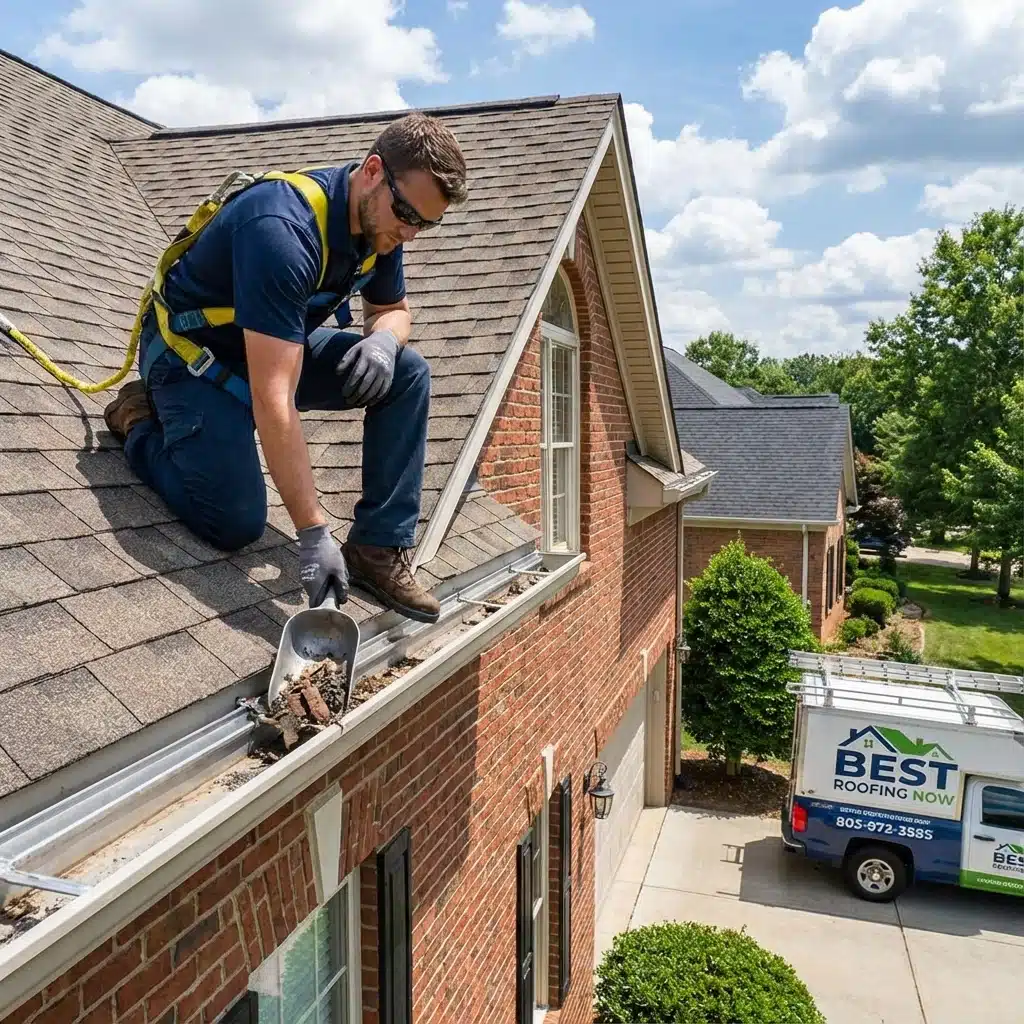
Your gutters work harder than you think. Every day, they channel thousands of gallons of water away from your Concord home's foundation, protecting your biggest investment from costly damage. But here's the thing – most homeowners only think about their gutters when something goes wrong.
After fifteen years of roofing and gutter work around Lake Norman, I've seen what happens when gutters get ignored. Foundation problems, basement flooding, rotted fascia boards, and landscape erosion that costs homeowners thousands to fix. The good news? Most of these problems are completely preventable.
Let me share what I've learned about keeping gutters running strong for decades, not just years.
Why Concord Gutters Face Unique Challenges
Living in Concord means dealing with North Carolina's unpredictable weather patterns. We get heavy spring rains, summer thunderstorms, fall leaf drops from all those beautiful oak and maple trees, and occasional winter ice storms. Each season puts different stress on your gutter system.
The clay soil common in our area makes foundation protection even more critical. When gutters fail here, water doesn't just sit on top – it creates hydrostatic pressure that can crack foundations and flood basements.
I've worked on homes in neighborhoods like Afton Village and Christenbury where gutters looked fine from the ground but were actually backing up during heavy rains, causing water to seep behind the fascia boards and into the attic space.
The Real Cost of Gutter Neglect
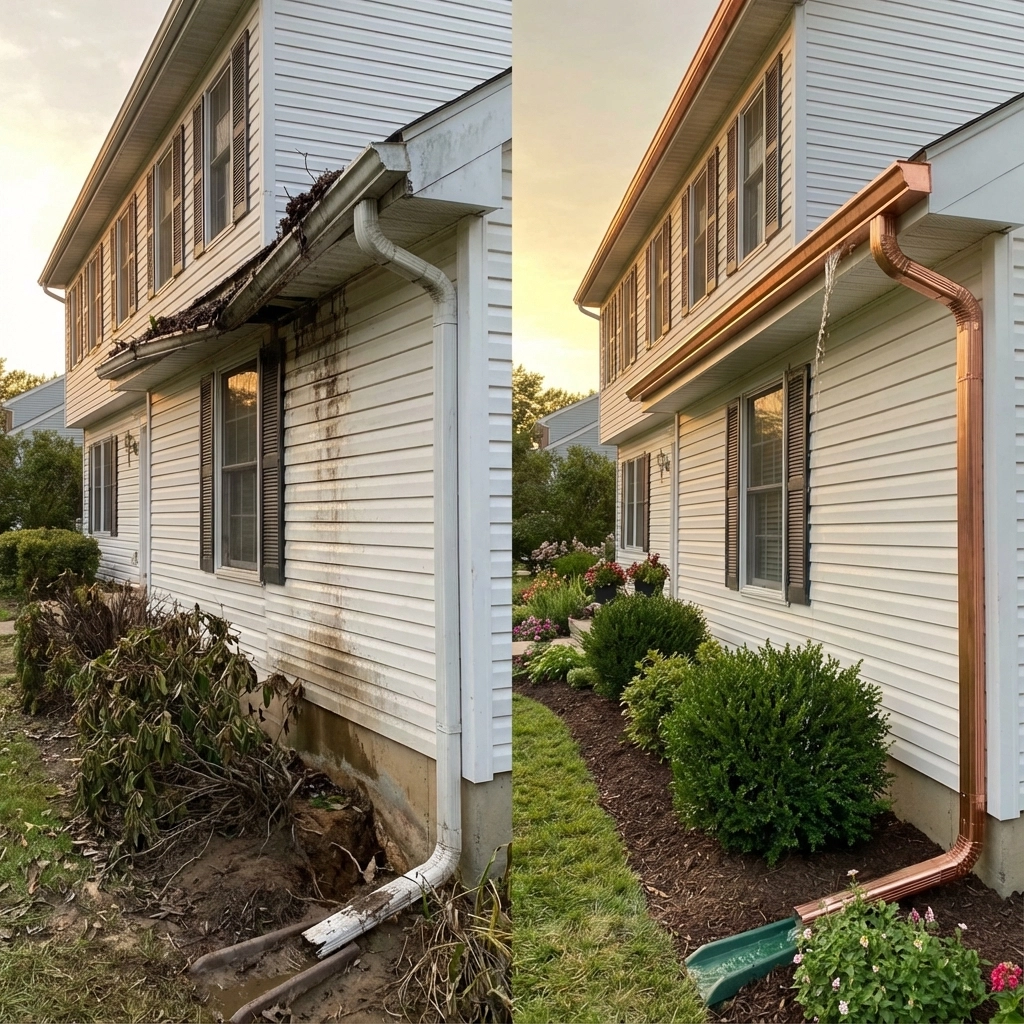
Before we dive into maintenance, let's talk about what's at stake. Last year, I helped a family on Poplar Tent Road whose ignored gutters caused $8,000 in foundation repairs. The gutters themselves would have cost $1,200 to replace.
Water damage from failed gutters typically includes:
- Foundation settling and cracks ($3,000-$15,000)
- Basement flooding and mold remediation ($5,000-$20,000)
- Fascia board and soffit replacement ($2,000-$5,000)
- Landscape restoration from erosion ($1,000-$3,000)
- Interior damage from roof leaks ($2,000-$10,000)
Now compare that to spending a Saturday afternoon twice a year on basic maintenance, or $200-400 annually for professional cleaning.
Essential Gutter Maintenance: Your Seasonal Schedule
Spring Cleaning (April-May)
After pollen season ends, this is your most important cleaning. Remove all winter debris, check for ice damage, and prepare for summer storms.
Start by walking around your house and looking up. Sagging sections, overflowing debris, or standing water in gutters are red flags that need immediate attention.
When you clean, use a gutter scoop or small garden trowel – never your bare hands. I've pulled out everything from tennis balls to dead animals over the years. Work systematically from one end to the other, placing debris on a tarp below rather than dropping it in your landscaping.
Summer Maintenance (July-August)
This is inspection season. Summer's dry weather lets you spot problems before fall rains arrive. Check gutter pitch, examine downspout connections, and look for any loose hangers or brackets.
Run water through each section with your garden hose. Water should flow smoothly toward downspouts without pooling anywhere. If you see standing water, that section needs adjustment.
Fall Preparation (October-November)
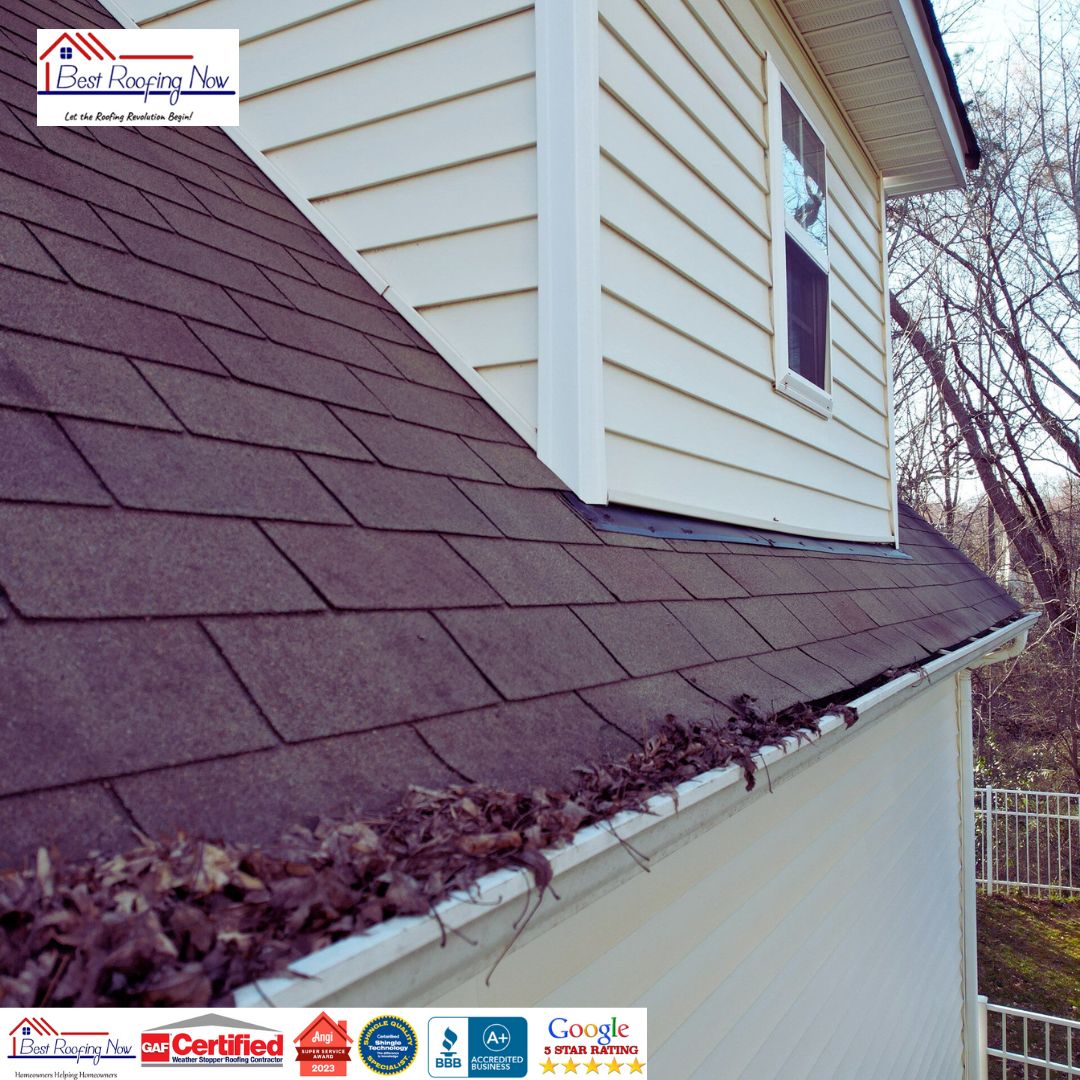
Your busiest gutter season. Depending on your tree coverage, you might need to clean multiple times as leaves fall. Don't wait until all leaves have dropped – cleaning twice prevents the packed, soggy mess that's much harder to remove.
Winter Monitoring (December-March)
Check for ice dams and icicle formation, especially on north-facing sections. Large icicles hanging from gutters often indicate poor attic insulation or ventilation, not just gutter problems.
Signs Your Gutters Need Professional Attention
Some warning signs require immediate professional help:
Structural Issues:
- Gutters pulling away from the house
- Sagging sections longer than 2-3 feet
- Fascia boards showing rot or water stains
- Gutters separating at joints
Water Flow Problems:
- Overflow during moderate rain
- Water pooling in sections after rain stops
- Downspouts backing up or overflowing
- Water staining on exterior walls below gutters
Material Deterioration:
- Rust holes larger than nail-size
- Cracks or splits longer than 6 inches
- Paint peeling extensively
- Dents that affect water flow
I recently worked with a homeowner in Derita whose gutters looked fine but were actually pitched backward, causing water to flow away from downspouts. This seemingly minor issue was slowly rotting the fascia boards and creating ice dams in winter.
DIY vs. Professional: Making the Right Call
DIY-Friendly Tasks:
- Basic cleaning and debris removal
- Minor leak sealing with gutter sealant
- Downspout unclogging
- Installing splash blocks or extensions
- Tightening loose screws or brackets
Professional Territory:
- Working on homes over one story
- Realigning gutter pitch
- Replacing sections or components
- Installing gutter guards
- Addressing fascia or soffit damage
Safety is the biggest factor. I've seen too many homeowners hurt themselves trying to save money on gutter work. If you're not completely comfortable on a ladder, or if your home is more than one story, call a professional.
Modern Gutter Upgrades That Actually Work
Gutter Guards: The Real Story
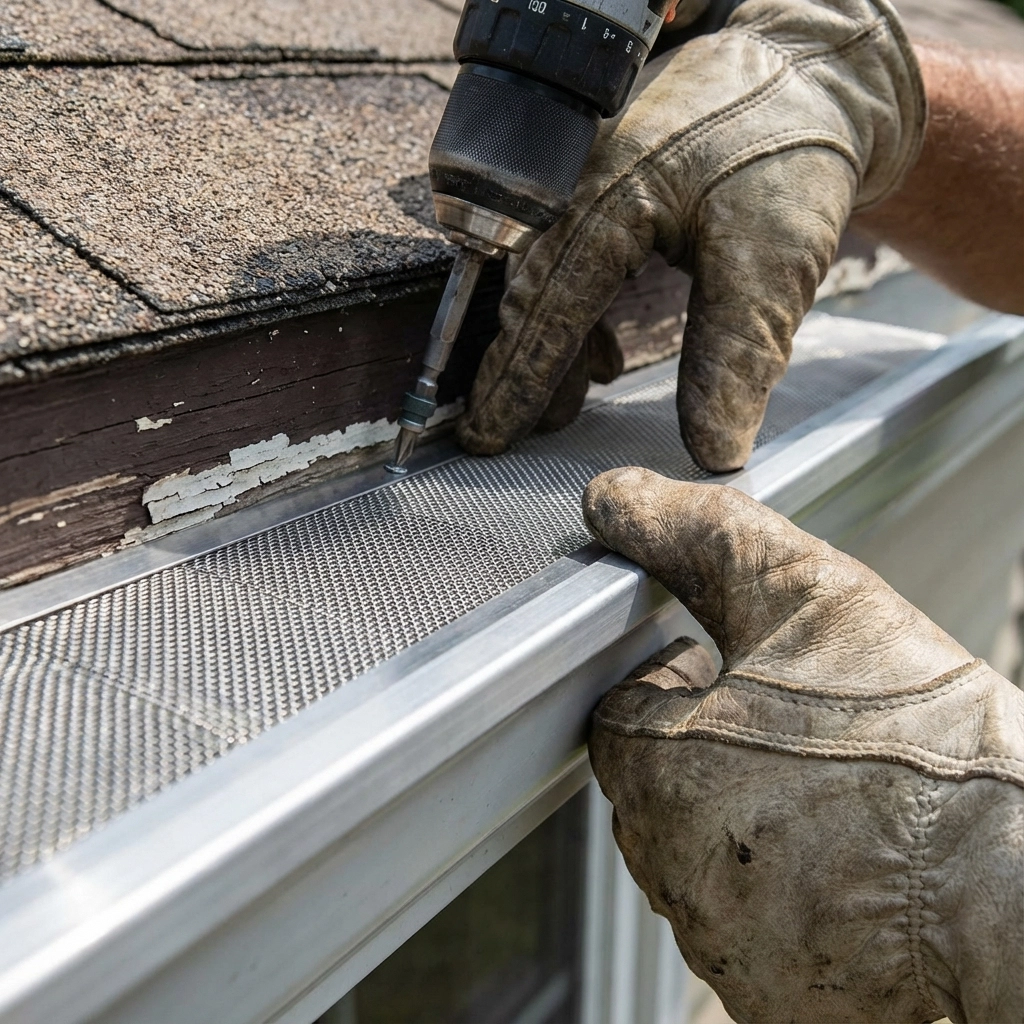
Gutter guards are probably the most asked-about upgrade, and for good reason. But not all guards work the same way.
Mesh guards work well for pine needles and small debris but can clog with tiny particles. Screen guards handle larger debris but need more frequent cleaning. Reverse curve guards shed most debris but can be overwhelmed by heavy rains.
I typically recommend micro-mesh guards for most Concord homes. They block the most debris while handling our heavy summer thunderstorms. Expect to pay $8-15 per linear foot installed, and remember – guards reduce cleaning frequency but don't eliminate it entirely.
Seamless vs. Sectional Gutters
If you're replacing gutters, seamless aluminum is usually your best bet. Fewer joints mean fewer potential leak points, and the continuous design handles water flow more efficiently.
Downspout Improvements
Consider these upgrades for better performance:
- Larger 3×4 inch downspouts instead of standard 2×3 inch
- Multiple downspouts for longer gutter runs
- Underground drainage systems for better water management
- Rain chains for decorative and functional water direction
Seasonal Weather Considerations for Concord
Our local weather patterns create specific challenges that homeowners in other regions don't face.
Spring Storm Season (March-May)
Heavy rains test your gutter's capacity. Make sure downspouts drain at least 6 feet from your foundation. In neighborhoods with poor drainage like some areas near Coddle Creek, consider extending downspouts even further or adding splash blocks.
Summer Heat and UV (June-August)
Intense UV rays degrade gutter sealants and paint faster here. Check sealant joints annually and touch up paint as needed to prevent rust formation.
Fall Leaf Management (September-November)
Oak, maple, and sweet gum trees common in Concord drop different types of leaves at different times. Plan for multiple cleanings rather than waiting until everything has fallen.
Winter Freeze-Thaw Cycles (December-February)
Ice dams form when melting roof snow refreezes in gutters. Proper attic insulation and ventilation prevent most ice dam issues, but gutter heating cables can help in problem areas.
Professional Maintenance Programs: Worth the Investment?
Many homeowners ask about professional maintenance contracts. Here's what makes sense:
Good candidates for professional maintenance:
- Multi-story homes
- Homes with extensive tree coverage
- Properties with hard-to-reach gutters
- Homeowners who travel frequently during fall months
- Anyone uncomfortable working on ladders
Typical professional service includes:
- Complete debris removal
- Downspout flushing and clearing
- Visual inspection for damage
- Minor repairs (loose hangers, small leaks)
- Gutter realignment if needed
Expect to pay $150-300 annually for professional cleaning, depending on your home's size and tree coverage. That's a fraction of what water damage costs.
Advanced Gutter Technologies
The gutter industry has evolved significantly in recent years. Here are upgrades worth considering:
Smart Gutter Monitoring
New sensor systems can alert you to clogs or overflow conditions via smartphone app. While still expensive ($500-1000), they're useful for vacation homes or frequent travelers.
Improved Materials
- Copper gutters last 70+ years but cost significantly more
- Steel gutters offer durability but require rust prevention
- Vinyl works well in mild climates but can become brittle
- Aluminum remains the best balance of cost, durability, and performance
Better Installation Methods
Modern hidden hangers distribute weight more evenly than old-style spike-and-ferrule systems. If you're getting new gutters, make sure your contractor uses concealed bracket systems.
When to Call Best Roofing Now
I always tell homeowners to tackle what they can safely handle themselves. But some situations require professional expertise:
- Any work above first-floor level
- Gutters pulling away from the house
- Complex drainage problems
- Installation of guards or new systems
- Coordination with roofing or siding work
We see a lot of DIY gutter repairs that create bigger problems. Improper pitch, inadequate support, or wrong materials can turn a minor issue into a major expense.
Our approach focuses on long-term solutions rather than quick fixes. We'll assess your entire drainage system, including roof condition, fascia boards, and landscape grading, to identify problems before they cause damage.
Your Next Steps
Start with a thorough inspection of your current gutter system. Walk around your home and look for the warning signs we've discussed. Check the forecast – you want at least a week of dry weather for any major cleaning or repair work.
If you discover problems beyond basic cleaning, or if your gutters haven't been professionally inspected in over two years, it's time to call in experts who understand Concord's specific challenges.
Ready to protect your home's foundation and avoid costly water damage? Contact Best Roofing Now for a comprehensive gutter assessment. We'll identify potential problems before they become expensive repairs and create a maintenance plan that fits your budget and schedule.
Don't wait until the next heavy storm to find out your gutters can't handle the job. A little prevention today saves thousands in repairs tomorrow.