Let's cut straight to the chase: Smart roofs aren't dead – they're just getting started. But that doesn't mean traditional installation is heading to the roofing graveyard either.
As someone who's been installing roofs across Lake Norman for years, I'm seeing more homeowners ask about "smart" technology every month. The real question isn't whether smart roofs are dead (they're not), but whether they make sense for your Lake Norman home right now.
What Exactly Are Smart Roofs?
Before we dive deeper, let's clear up what we mean by "smart roofs." We're not talking about roofs that can solve math problems or remind you to take out the trash.
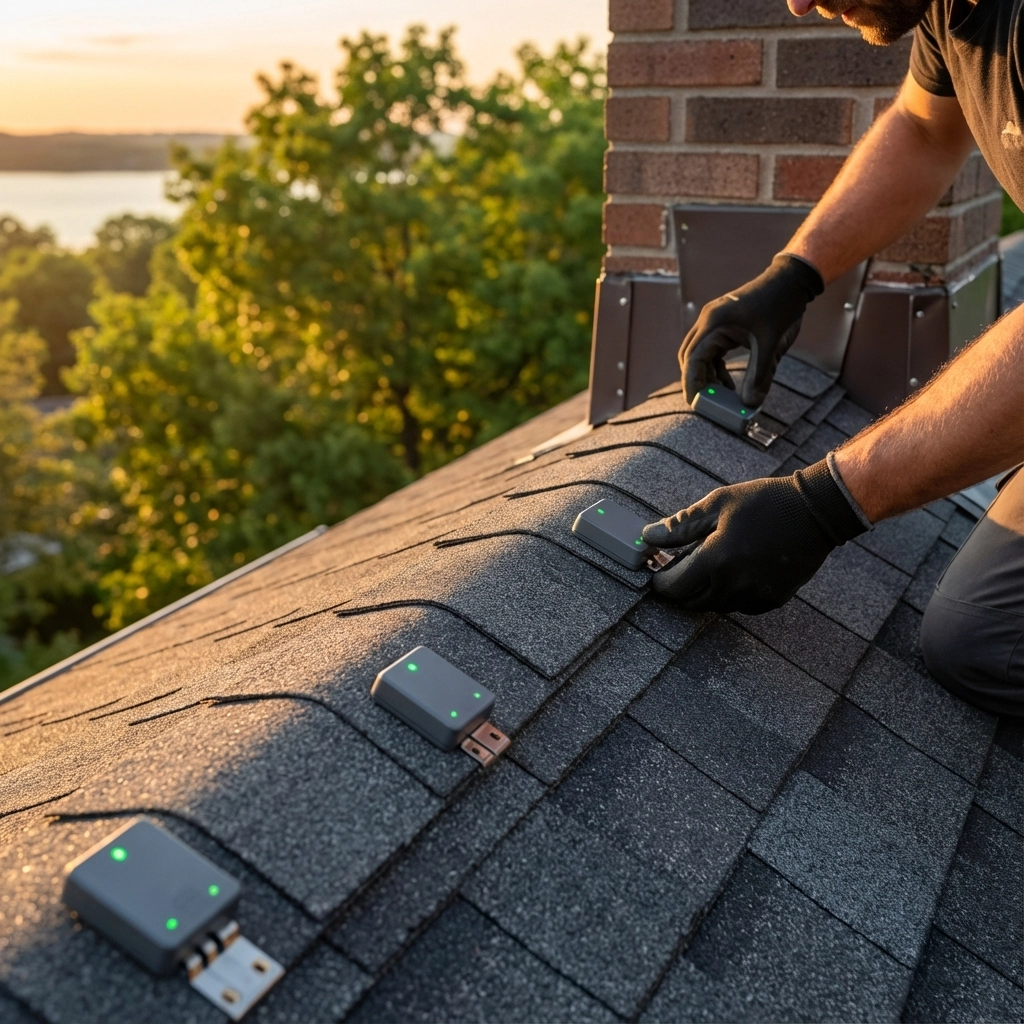
Smart roofs use technology to monitor and optimize your roof's performance. Think sensors that detect leaks before you see water stains on your ceiling, or systems that automatically adjust ventilation based on temperature and humidity.
The main smart roof technologies include:
- IoT sensors that monitor moisture, temperature, and structural stress
- Solar integration with energy storage and smart grid connectivity
- Leak detection systems that alert you instantly via smartphone
- Automated ventilation that adjusts based on weather conditions
- Predictive maintenance alerts that tell you when repairs are needed
The Smart Roof Reality Check for 2025
Here's what's actually happening in the roofing industry: smart roof technology is growing fast, but it's not replacing traditional roofing – it's enhancing it.
According to recent industry data, contractors using smart roofing technology are winning more jobs and working more efficiently. By 2025, these innovations are moving from "nice to have" to industry standard for many applications.
But – and this is important – that doesn't mean every Lake Norman home needs a fully connected roof tomorrow.
Traditional vs Smart: The Real Comparison
Let me break down the practical differences between traditional and smart roofing approaches:
Traditional Roofing Strengths:
- Proven reliability – We know exactly how these systems perform over 20+ years
- Lower upfront costs – No sensors or connectivity fees
- Simple maintenance – Any qualified roofer can service traditional systems
- No technology dependence – Your roof works even if your WiFi goes down
Smart Roofing Advantages:
- Early problem detection – Catch issues before they become expensive disasters
- Energy optimization – Potential savings on heating and cooling costs
- Insurance benefits – Some carriers offer discounts for smart monitoring
- Peace of mind – Real-time alerts about your roof's condition
What Local Experts Actually Recommend
Here in the Lake Norman area, most experienced roofers (myself included) take a practical approach. We're not anti-technology, but we're also not jumping on every new gadget that comes along.
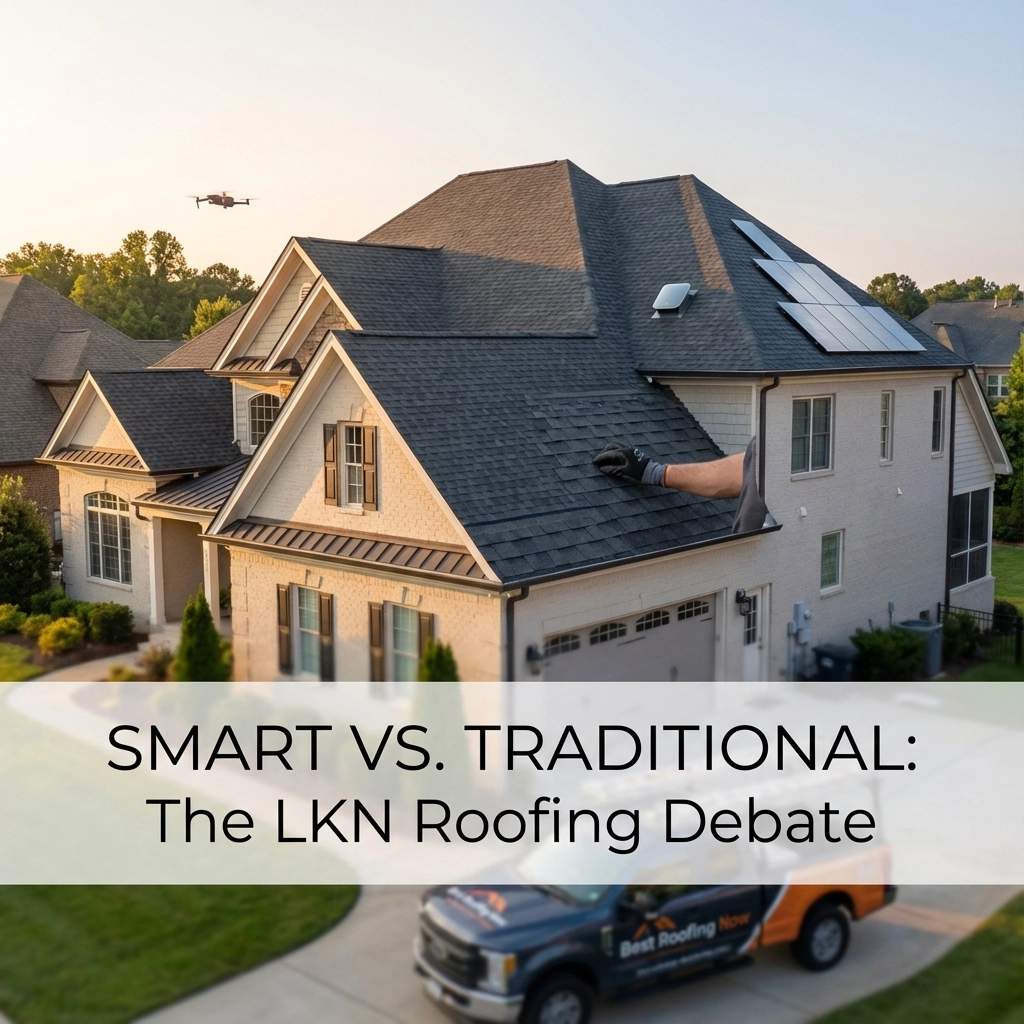
The reality is that smart roof technology works best when integrated thoughtfully with proven traditional methods. For example, we might install traditional asphalt shingles with smart leak detection sensors in critical areas like valleys and penetrations.
For most Lake Norman homes, I recommend starting with these smart additions:
- Moisture sensors in high-risk areas (around chimneys, skylights, valleys)
- Basic weather monitoring to track temperature and humidity
- Smart gutter guards that alert you when cleaning is needed
You don't need to go full "smart home" with your roof to get real benefits.
Lake Norman Weather: Why Location Matters
Our area presents unique challenges that influence the smart vs traditional decision:
Summer storms – Lake Norman gets intense summer thunderstorms. Smart leak detection can catch storm damage before it spreads.
Winter ice – While we don't get harsh winters like up north, ice dams can still form. Temperature sensors help identify problem areas early.
Humidity fluctuations – Living near the lake means humidity changes. Smart ventilation systems can help manage moisture levels automatically.
Rapid weather changes – Lake Norman weather can shift quickly. Real-time monitoring helps your roof respond appropriately.
The Cost Reality
Let's talk numbers, because that's what most homeowners really want to know.
Traditional roof replacement in Lake Norman typically runs $8,000-$15,000 for a standard home, depending on size and materials.
Smart roof systems add $2,000-$8,000 to that base cost, depending on how much technology you integrate.
But here's the thing: you don't have to do everything at once. Many homeowners start with basic smart sensors ($500-$1,500) and add features over time.
The payback varies:
- Leak detection pays for itself if it prevents just one major water damage incident
- Energy monitoring might save 10-15% on HVAC costs
- Insurance discounts can offset 5-10% of annual premiums
Future-Proofing vs Over-Engineering
One mistake I see homeowners make is either completely ignoring new technology or trying to install every smart feature available.
Smart approach for Lake Norman homes:
- Start with proven traditional roofing materials
- Add targeted smart features that solve specific problems
- Plan for future upgrades rather than trying to do everything now
- Focus on systems that actually improve your daily life
Most importantly, don't let technology overshadow the basics. A smart roof built on a poorly installed foundation is still a bad roof.
What We're Seeing in Lake Norman Neighborhoods
Driving through Davidson, Cornelius, and Mooresville, I'm noticing interesting patterns:
Newer developments (built in the last 10 years) are more likely to add smart features during routine maintenance or repairs.
Established neighborhoods tend to stick with traditional approaches but are curious about leak detection systems.
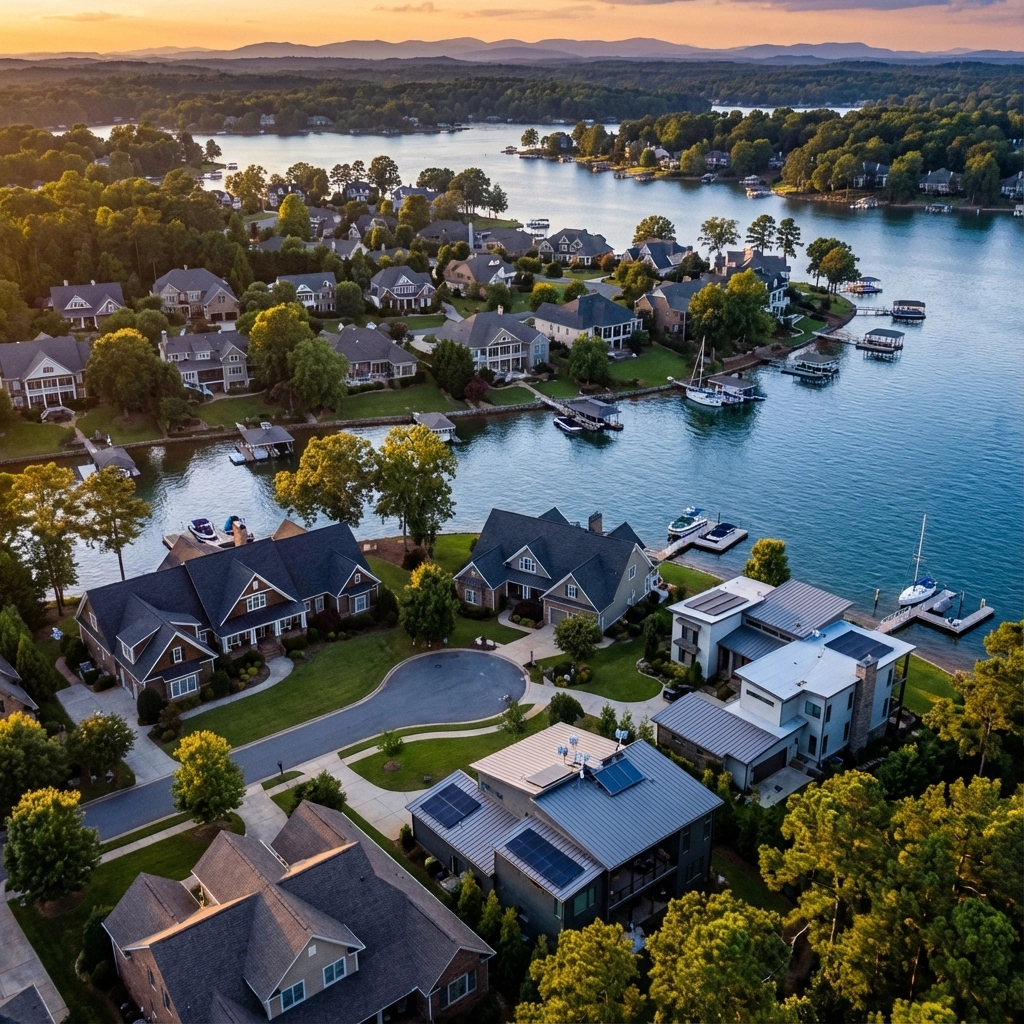
Lakefront properties are investing more heavily in comprehensive smart systems, probably because the stakes are higher with expensive lake homes.
Commercial properties are adopting smart technology faster than residential, mainly for maintenance cost control.
The Bottom Line for Lake Norman Homeowners
Smart roofs aren't dead – they're just hitting their stride. But that doesn't mean traditional installation is obsolete either.
My recommendation: Start with a solid traditional roof and add smart features that solve real problems for your specific situation. Don't buy technology for technology's sake.
Questions to ask yourself:
- Do you travel frequently and want remote monitoring?
- Have you had leak problems in the past?
- Are you planning to stay in your home long-term?
- Do you enjoy managing home technology systems?
If you answered yes to most of these, smart roof features probably make sense. If not, a well-installed traditional roof will serve you perfectly well.
What's Next?
The roofing industry is evolving, but it's not a revolution – it's an evolution. Smart technology is becoming another tool in our toolkit, not a replacement for fundamental roofing knowledge and craftsmanship.
Whether you choose traditional installation, smart features, or a combination of both, the most important factor is working with a contractor who understands your specific needs and local conditions.
Ready to explore your options? Let's start with a free roof inspection to assess your current roof's condition. From there, we can discuss whether traditional repair, full replacement, or smart upgrades make the most sense for your Lake Norman home.
No pressure, no upselling – just honest advice based on what your roof actually needs. ✅