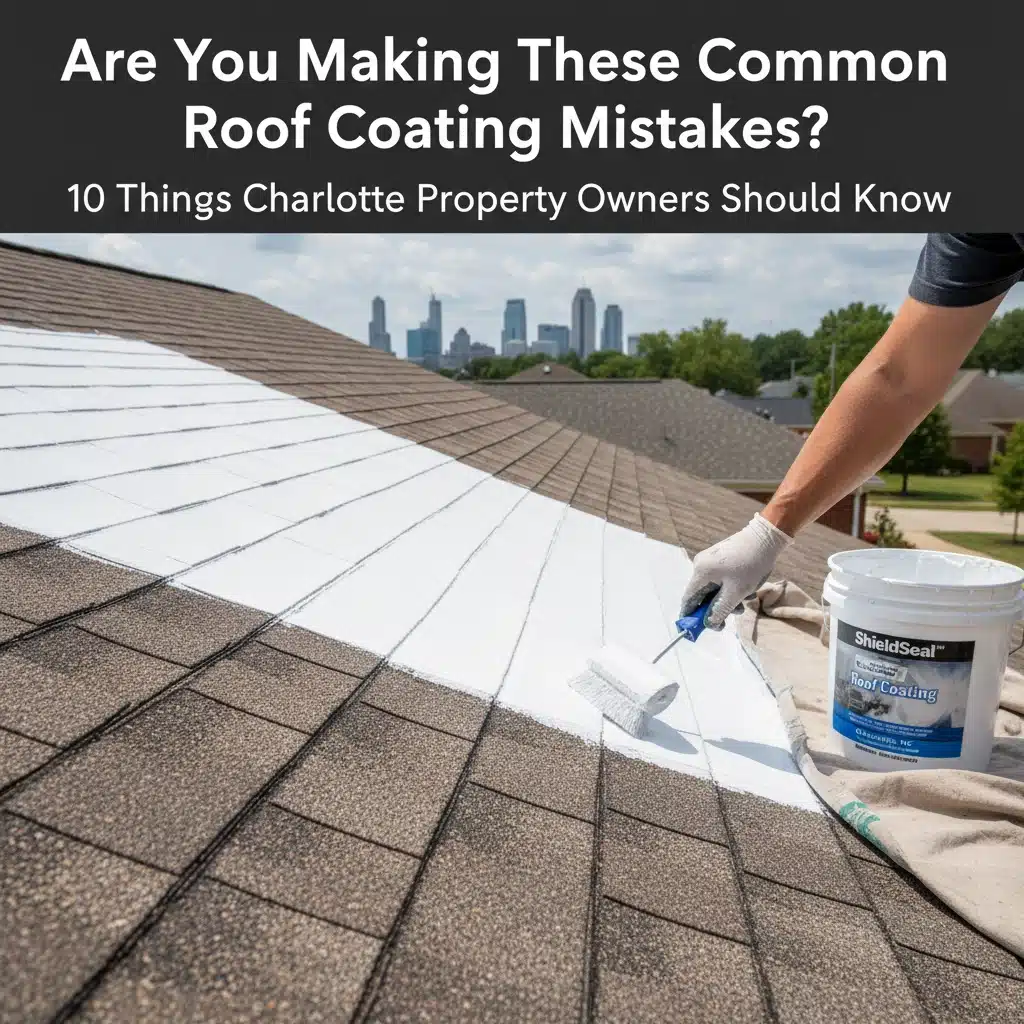
Roof coatings can be a game-changer for Charlotte property owners. They extend your roof's lifespan, boost energy efficiency, and save you thousands compared to full replacement. But here's the thing – one wrong move during application can turn this smart investment into a costly headache.
Living in Charlotte means dealing with our fair share of humidity, sudden storms, and temperature swings. These conditions make proper roof coating application even more critical. Whether you're managing a commercial building or protecting your home, avoiding these 10 common mistakes will ensure your coating performs exactly as it should.
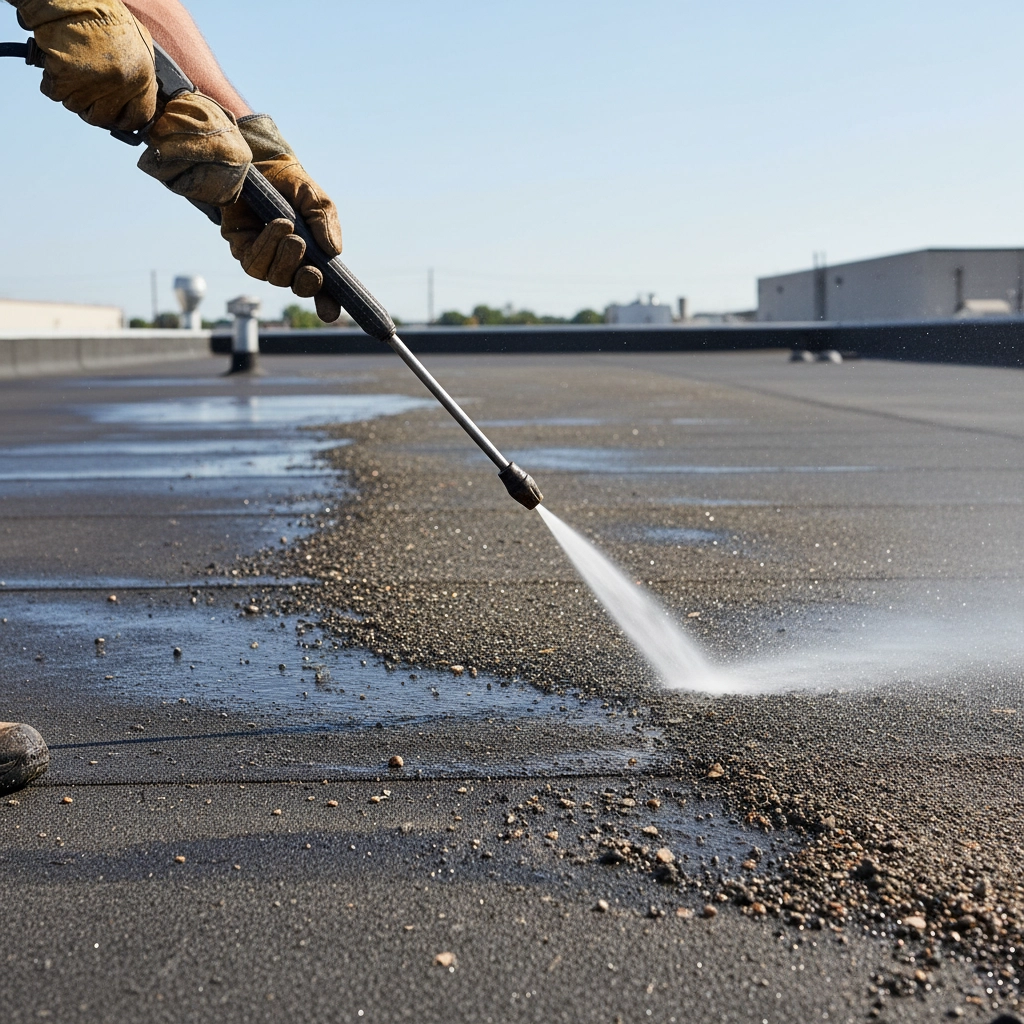
1. Skipping Proper Surface Preparation
This is the big one – and honestly, it's where most coating failures start. Think of surface prep like painting a wall. You wouldn't slap paint over dirt and grime, right? Same goes for roof coatings.
The mistake: Rushing straight to application without thoroughly cleaning and prepping the surface. Dirt, rust, oils, and old coatings create a barrier between your new coating and the roof substrate.
The fix: Plan for thorough surface preparation. This means:
- Power washing at minimum 1,500 PSI to remove all debris
- Scraping off loose materials
- Treating rust spots on metal roofs
- Allowing complete drying time
In Charlotte's humid climate, this step is even more crucial. Our moisture levels mean contaminants stick around longer and penetrate deeper.
2. Applying Coating to Wet or Damp Surfaces
Charlotte's humidity can trick you into thinking a surface is dry when it's actually holding moisture. This is coating enemy number one.
The mistake: Applying coating over surfaces that appear dry but still contain moisture. Even minimal dampness causes poor adhesion, leading to blistering and peeling.
The fix: Use multiple methods to verify dryness:
- Moisture meters for accurate readings
- Core samples on flat roofs
- Wait for proper dry time after rain or cleaning
- Consider infrared imaging for hidden moisture
Remember, what looks dry in our humid Charlotte weather might not actually be ready for coating.
3. Ignoring Weather Conditions During Application
Charlotte weather can change fast, and ignoring these conditions is a recipe for coating failure.
The mistake: Applying coatings when temperature, humidity, or wind conditions fall outside manufacturer specifications. Rain in the forecast? That's an automatic no-go.
The fix: Always check:
- Temperature ranges (typically 50-85°F for most coatings)
- Humidity levels (usually below 85%)
- Wind conditions
- Weather forecast for at least 24 hours ahead
Plan your coating project around Charlotte's weather patterns, not your preferred timeline.
4. Using the Wrong Coating Type for Your Roof
Not all coatings work on all surfaces. Using an incompatible product is like putting regular paint on a bathroom wall – it'll fail when conditions get tough.
The mistake: Choosing coating based on price alone or assuming one product fits all roof types.
The fix: Match your coating to your substrate:
- Metal roofs need specific primers and compatible coatings
- EPDM requires specially formulated products
- Modified bitumen has different requirements than built-up roofing
- Age and condition of existing roof affects product selection
When in doubt, consult with professionals who understand Charlotte's specific roofing challenges.
5. Applying Coatings Too Thin or Too Thick
Getting the mil thickness right isn't just a suggestion – it's critical for performance.
The mistake: Eyeballing thickness or trying to stretch coating to cover more area (too thin) or applying heavy coats thinking "more is better" (too thick).
The fix:
- Use wet mil gauges during application
- Follow manufacturer specifications exactly
- Train applicators on proper technique
- Consider weather impact on application thickness
Too thin means inadequate protection. Too thick causes poor adhesion and extended cure times.
6. Neglecting Critical Detail Areas
The devil's in the details, especially with roof coatings. These small areas often cause the biggest problems.
The mistake: Focusing only on the main roof area while rushing through or skipping details like seams, penetrations, flashing, and fasteners.
The fix: Give extra attention to:
- All seams and joints
- Roof penetrations (vents, HVAC units, skylights)
- Flashing areas
- Fastener heads
- Use reinforcement fabric where specified
- Apply detail coats before field application
These areas see the most stress and are most likely to leak if not properly addressed.
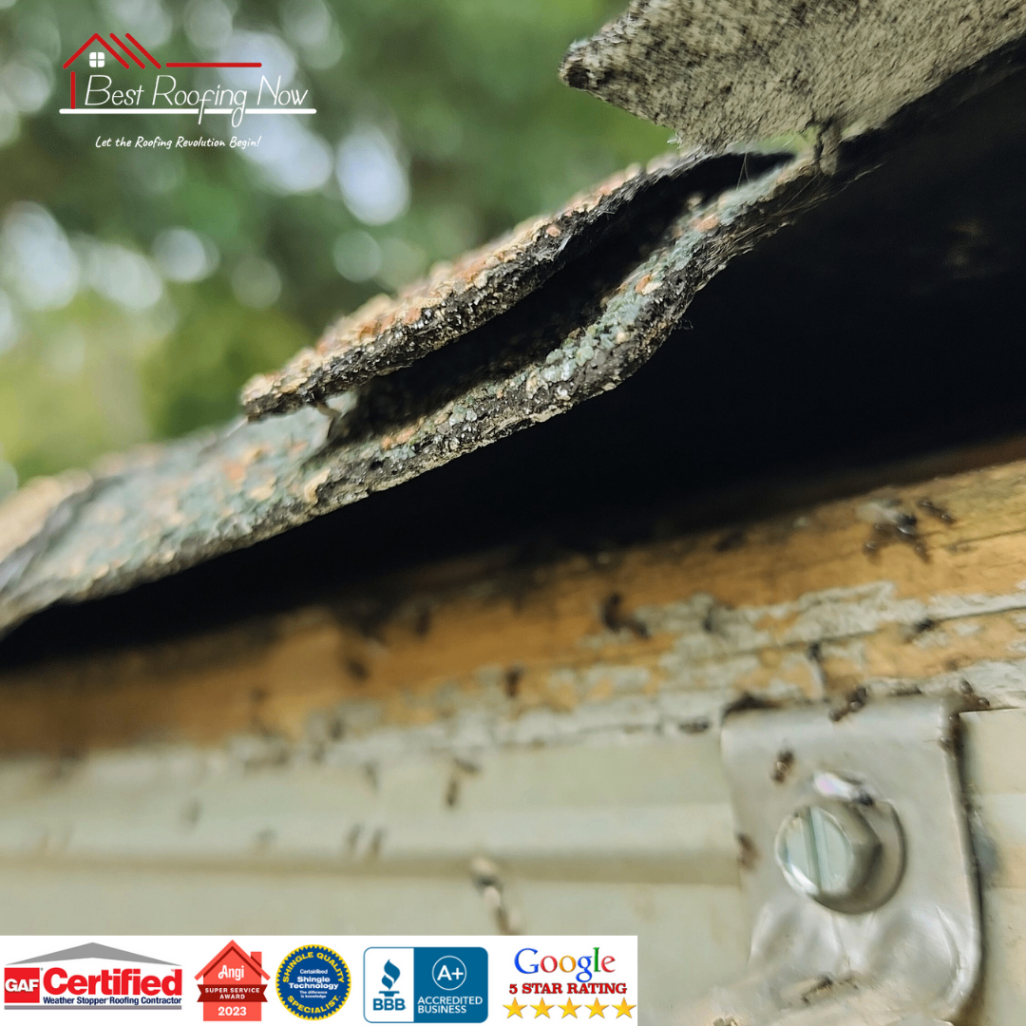
7. Coating Over Existing Problems
A coating isn't a magic fix for structural issues or severe damage. It's a protective layer for healthy roofs.
The mistake: Using coating as a band-aid for leaks, structural damage, or severely deteriorated roofing materials.
The fix: Complete thorough repairs first:
- Fix all leaks and identify their sources
- Replace damaged materials
- Address structural issues
- Ensure proper drainage
- Treat coating as maintenance for good roofs, not emergency repair
Think of coating as sunscreen – it protects healthy skin but won't heal existing damage.
8. Improper Mixing and Application Techniques
Even the best coating fails if not mixed or applied correctly.
The mistake: Inadequate mixing, using wrong equipment, or applying with improper technique.
The fix:
- Follow mixing instructions precisely
- Use proper equipment (sprayers, rollers, brushes as specified)
- Maintain consistent application rates
- Train crew on manufacturer techniques
- Keep mixed material within pot life limits
Professional application equipment makes a significant difference in results.
9. Ignoring Ponding Water and Drainage Issues
Standing water is a coating killer, especially in Charlotte where we get heavy rains.
The mistake: Applying coating over areas where water regularly ponds without addressing drainage.
The fix:
- Identify all ponding areas before coating
- Improve drainage where possible
- Use ponding-water-resistant coatings only where specified
- Consider structural modifications for persistent ponding
- Understand that coating isn't a substitute for proper drainage
Water that sits longer than 48 hours needs special attention.
10. Choosing Price Over Quality
Charlotte's competitive market tempts property owners to go with the lowest bid, but cheap coatings often cost more in the long run.
The mistake: Selecting inferior products or untrained applicators solely based on price.
The fix:
- Research product performance history
- Verify applicator training and certification
- Consider total cost of ownership (initial cost + maintenance + lifespan)
- Check references and previous work
- Understand warranty terms and coverage
Quality coatings with professional application provide better long-term value and performance.
Working with Charlotte Roofing Professionals
These mistakes highlight why working with experienced, local roofing professionals makes sense. Companies familiar with Charlotte's climate understand our unique challenges – from humidity that affects curing times to sudden storms that can interrupt application.
Professional roofers bring:
- Product knowledge for local conditions
- Proper equipment and training
- Experience with Charlotte building codes
- Warranty backing and ongoing support
- Understanding of when coating makes sense vs. replacement
At Best Roofing Now, we've seen the aftermath of DIY coating disasters and rushed jobs by inexperienced contractors. Our team understands Charlotte's specific roofing environment and can help you avoid these costly mistakes.
Your Next Steps
Before your next roof coating project, use this checklist to ensure success:
✓ Verify surface preparation requirements
✓ Check weather conditions and forecasts
✓ Confirm coating compatibility with your roof type
✓ Plan for proper application thickness
✓ Address all detail areas
✓ Complete necessary repairs first
✓ Ensure proper mixing and application technique
✓ Resolve drainage issues
✓ Choose quality products and experienced applicators
✓ Understand warranty coverage
Roof coatings offer excellent protection and value when applied correctly. Take time to do it right, and your investment will pay dividends for years to come. Need help evaluating your Charlotte property's coating needs? Reach out to local professionals who understand what works in our unique climate.