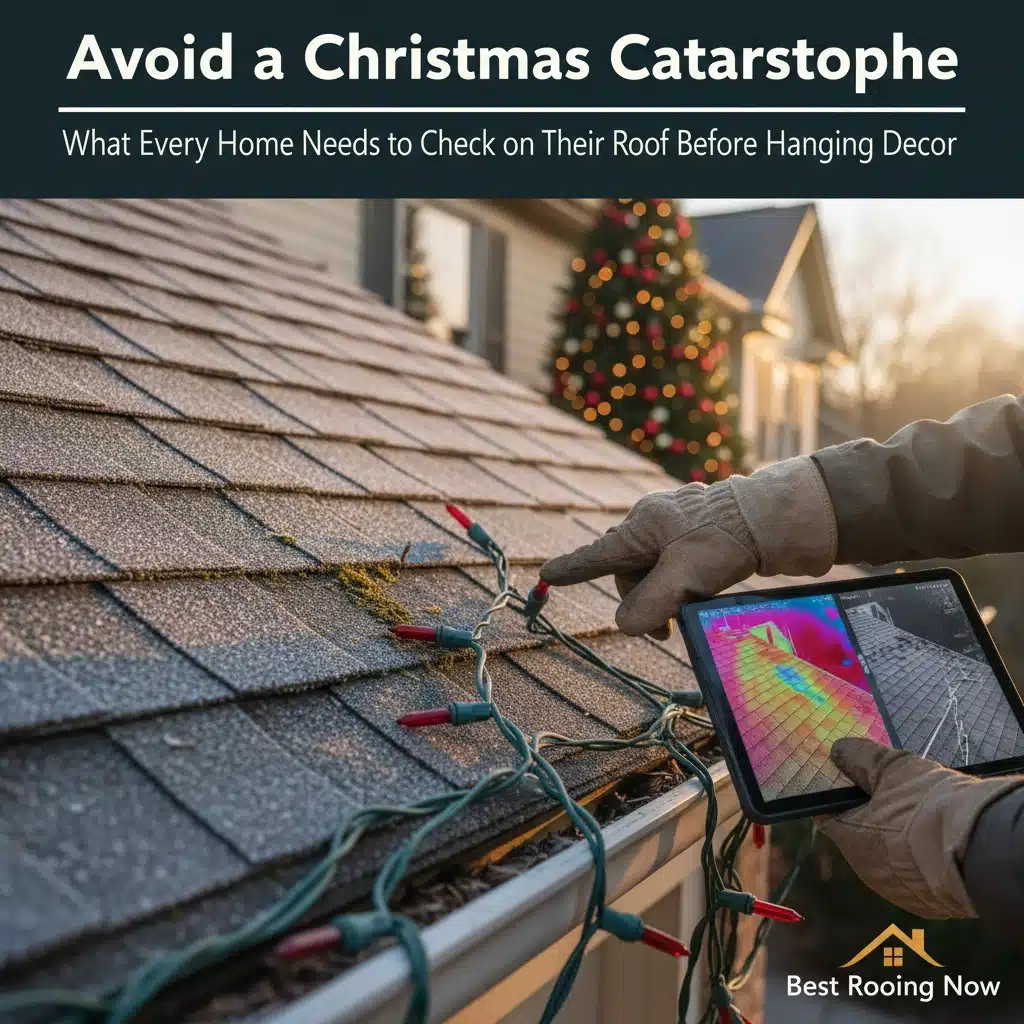
Christmas lights and decorations turn our homes into magical wonderlands. But every year, thousands of homeowners face costly repairs, injuries, and ruined holidays because they skipped one crucial step. They didn't check their roof first.
As a roofing contractor who's seen too many holiday disasters in Charlotte and Lake Norman, I'm sharing the complete pre-decoration roof inspection checklist. This isn't just about safety. It's about protecting your investment and ensuring your family's holiday joy doesn't turn into a nightmare.
Why Your Roof Inspection Can't Wait
Your roof takes a beating all year long. Charlotte's summer storms, fall winds, and winter freeze-thaw cycles create damage you might not see from the ground. Adding decorations to a compromised roof is like building a house on a cracked foundation.
"Most homeowners don't realize that even lightweight Christmas lights can stress a roof that's already weakened by weather damage," explains Mark Dorman, Technical Services Manager at GAF. "A systematic inspection before decorating prevents most holiday roofing disasters."
The stakes are real. I've responded to emergency calls where decorations caused:
- Shingle damage from installation hardware
- Gutter collapse from overloading
- Electrical fires from faulty wiring on wet surfaces
- Falls through weakened roof sections
But here's the good news. A thorough pre-decoration inspection takes just 30-45 minutes and prevents 95% of these problems.
Choose Your Inspection Day Wisely
Timing matters more than you think. Pick a warm, clear day when your roof is completely dry. Wet surfaces hide damage and create slip hazards. Ice patches are invisible death traps.
In Charlotte, we get those perfect 65-degree December days. Those are your golden opportunities. Avoid any day with:
- Recent rain or morning dew
- Temperatures below 40°F
- Wind speeds over 15 mph
- Overcast skies that make damage hard to spot
Never inspect during or right after a storm. Wait at least 24 hours for surfaces to dry completely.
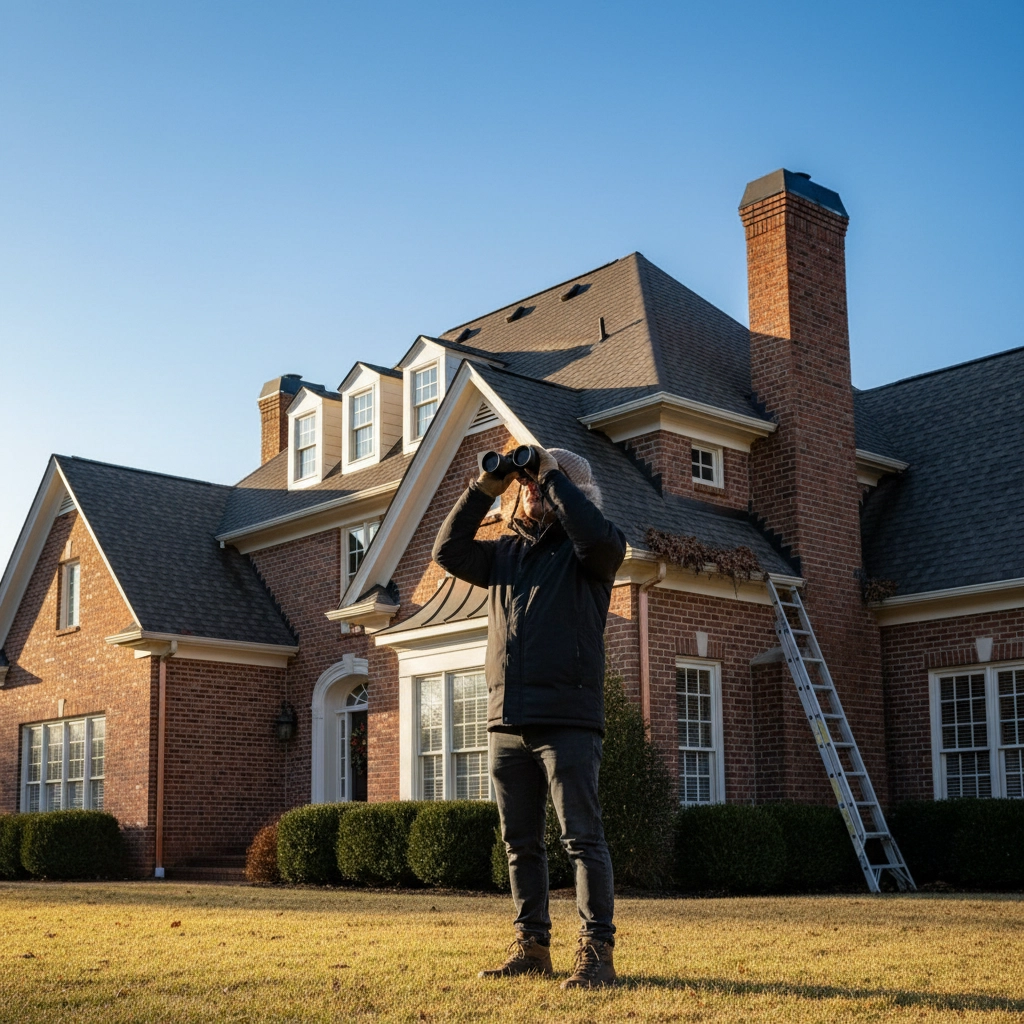
Start with the Big Picture: Structural Assessment
Begin your inspection from the ground using binoculars. Look for obvious red flags that mean you should call a professional immediately:
Sagging or Dipping Areas
These indicate structural problems that can't support decoration weight. If you see any section that doesn't look level, stop planning decorations for that area.
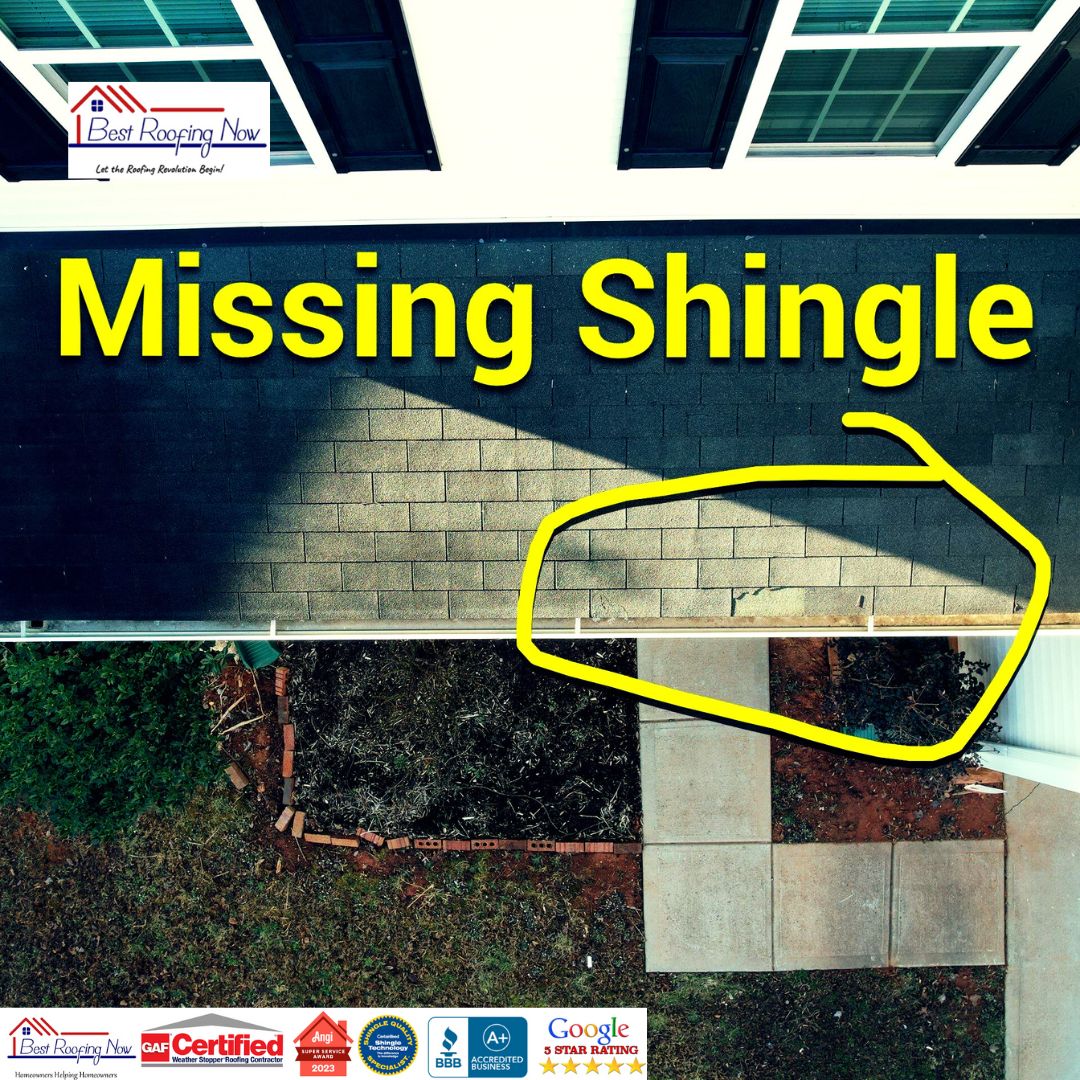
Missing or Broken Shingles
Exposed areas let moisture in. Adding decorations over compromised shingles accelerates damage. Count missing shingles – more than five scattered across your roof usually indicates wider problems.
Soft Spots or Bouncy Sections
If you walk on your roof and feel any give or bounce, you've found water damage. These areas can't support your weight, let alone decorations.
Previous Leak Evidence
Check your attic for water stains on the underside of roof decking. Old leaks often reopen when stressed by decoration hardware.
Surface Preparation and Cleanliness Check
A clean roof is a safe roof. Debris creates slip hazards and hides damage. Here's what needs clearing:
Remove All Debris
Clear leaves, twigs, and dirt from all surfaces. Pay special attention to:
- Roof valleys where debris collects
- Areas around chimneys and vents
- Gutter interfaces
Check for Ice Damming Signs
Look for icicle formations or ice buildup along roof edges. These indicate poor ventilation or insulation problems. Ice dams can collapse under decoration weight.
Inspect Gutter Condition
Clogged or damaged gutters can't handle the extra weight of lights and clips. Clean them completely and check for:
- Loose mounting brackets
- Cracked or sagging sections
- Proper slope for drainage
Equipment and Electrical Safety Preparation
Before you climb up with anything, test everything on the ground. This simple step prevents most electrical accidents.
Test All Light Strings
Plug in every string and check for:
- Burned-out bulbs (replace immediately)
- Frayed or cracked wiring
- Loose connections
- Damaged plugs
"Electrical fires from damaged Christmas lights cause over $8 million in property damage annually," reports the National Fire Protection Association. "Most are preventable with simple pre-installation testing."
Inspect Extension Cords
Use only outdoor-rated extension cords. Check for:
- Cut or damaged insulation
- Bent or corroded plugs
- Proper gauge rating for your lights
Verify GFCI Protection
All outdoor outlets should have GFCI protection. Test the buttons before plugging anything in.
Plan Your Decoration Layout Strategically
Smart planning prevents problems and creates better displays. Map your roof from the ground before climbing up.
Measure Rooflines Accurately
Know exactly how many feet of lights you need for:
- Eave lines and overhangs
- Ridge lines and peaks
- Gable ends
- Window and door trim
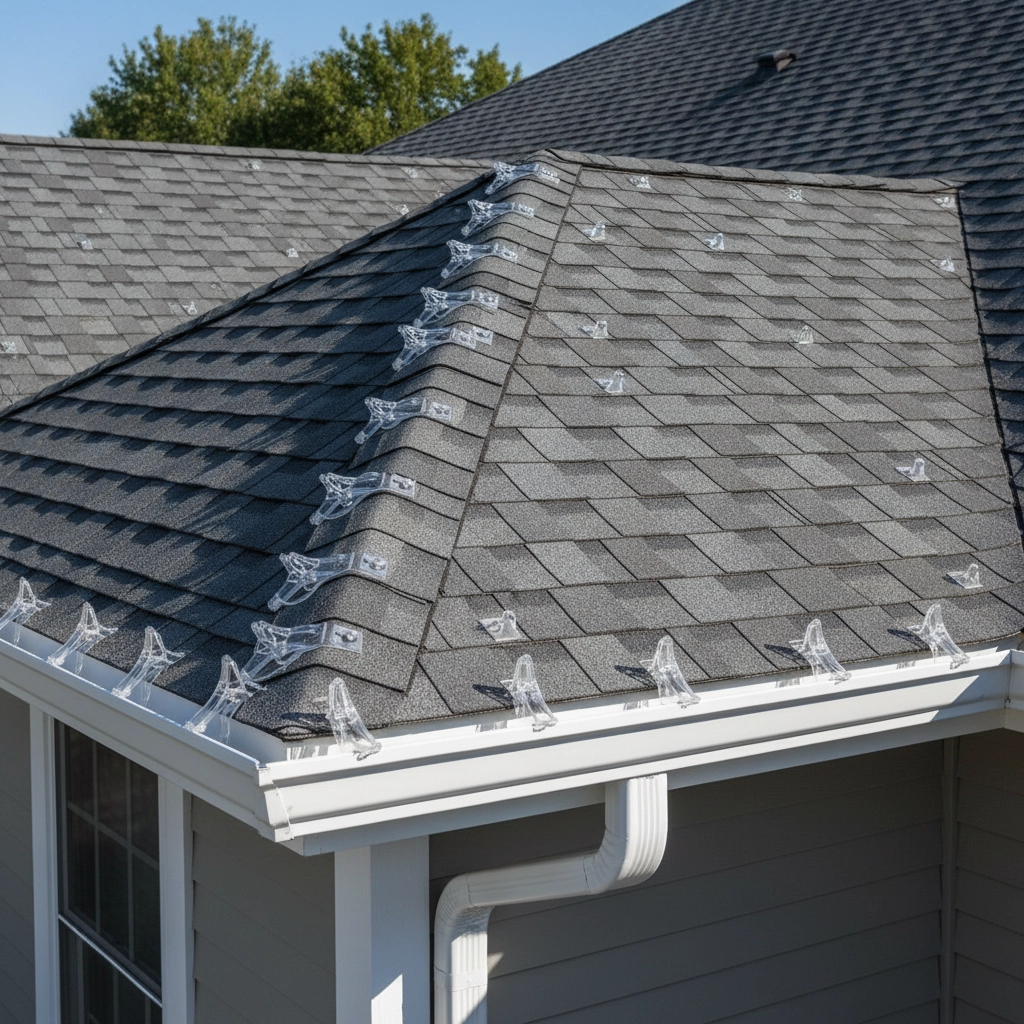
Identify Attachment Points
Plan where you'll clip or secure decorations. Good attachment points include:
- Gutter edges (if structurally sound)
- Roof edge trim
- Solid fascia boards
Avoid attaching to:
- Shingles (damages the roof)
- Gutters that show any damage
- Vinyl siding (cracks in cold weather)
Recognize No-Go Zones
Some areas of your roof should never be decorated. Identifying these danger zones protects your family and property.
Power Line Proximity
Maintain at least 10 feet of clearance from any power lines. This includes:
- Service drops to your house
- Overhead lines crossing your property
- Transformer connections
Chimney Areas
Heat from fireplaces can damage lights and create fire hazards. Keep decorations at least 3 feet away from chimney openings.
Roof Vents and HVAC Equipment
Never block or cover:
- Plumbing vents
- Ridge vents
- Exhaust fans
- HVAC units
Tree Branches
Overhanging branches can puncture decorations or create electrical hazards during wind storms. Trim branches back or avoid decorating those areas.
Lake Norman and Charlotte Specific Considerations
Our local climate creates unique challenges for holiday decorating. Here's what Charlotte-area homeowners need to know:
Wind Exposure
Lake Norman's open water creates stronger wind patterns. Homes near the lake need extra securing for all decorations. Use additional clips every 18 inches instead of the standard 24-inch spacing.
Temperature Swings
Charlotte's winter weather can go from 70°F to 30°F in 24 hours. These rapid changes stress decoration mounting hardware. Check attachments after every major temperature change.
Ice Storms
When winter storms hit the Piedmont region, ice accumulation adds massive weight to decorations. Plan for quick removal if ice storms are forecast.
When to Stop and Call a Professional
Some roof conditions require professional attention before any decorating happens. Don't risk your safety or property if you find:
Structural Issues
- Any sagging or soft areas
- Missing flashing around chimneys or vents
- Exposed roof decking
- Damaged or missing drip edge
Extensive Shingle Problems
- More than 10% of shingles damaged
- Curling or cupping shingle edges
- Granule loss exposing the asphalt mat
- Multiple layers of old shingles
Gutter System Failures
- Gutters pulling away from the house
- Multiple broken brackets
- Improper slope causing standing water
- Downspouts that discharge against the foundation
Professional Inspection Benefits
A professional roof inspection before decorating season offers advantages beyond just safety:
Insurance Documentation
Professional inspections create records that help with insurance claims if storm damage occurs after decorating.
Preventive Maintenance
We catch small problems before they become expensive repairs. A $200 inspection can prevent a $5,000 roof replacement.
Decoration Planning
We provide specific recommendations for safe attachment points and weight limits for your roof type.
Emergency Preparedness
Even with perfect preparation, winter weather can create sudden hazards. Have a plan ready:
Quick Removal Strategy
Know how to quickly remove decorations if severe weather threatens. Keep a sturdy ladder accessible and plan the fastest removal route.
Emergency Contacts
Keep our number handy: [Your business phone]. We provide 24/7 emergency service for storm damage.
Documentation
Take photos of your decorations and roof condition before winter storms. This helps with insurance claims if damage occurs.
The Cost of Skipping Inspection
I've seen the aftermath of skipped roof inspections. Here are real costs from Charlotte-area homeowners:
- $3,500 roof repair after decorations caused shingle damage
- $1,200 gutter replacement from overloading
- $8,000 insurance deductible for electrical fire damage
- $500 emergency room visit for ladder fall through damaged roof section
Compare that to a $200 professional inspection. The math is simple.
Technology Makes Inspection Easier
Modern tools help homeowners spot problems safely:
Drone Inspections
We use drones to inspect roofs without walking on them. This reveals damage while protecting the roof surface.
Thermal Imaging
Thermal cameras spot heat loss patterns that indicate structural problems invisible to the naked eye.
Digital Documentation
We provide detailed photo reports showing exactly what needs attention before decorating season.
Your Holiday Decoration Success Plan
Following this checklist ensures your decorations shine safely all season long:
- Choose the right inspection day – Clear, dry, calm weather
- Start with ground-level assessment – Use binoculars to spot obvious problems
- Clean and clear all surfaces – Remove debris and check for damage
- Test all equipment first – Never take electrical items onto the roof untested
- Plan your layout carefully – Know your attachment points before climbing up
- Respect danger zones – Some areas should never be decorated
- Call professionals when needed – Don't risk safety for holiday lights
The reward for thorough preparation? A magical holiday display that keeps your family safe and your roof protected.
Don't let a preventable roofing disaster ruin your holiday season. Contact Best Roofing Now today for your pre-decoration roof inspection. We'll ensure your roof is ready to support your holiday vision safely. Call us or visit https://cms.bestroofingnow.com to schedule your inspection before you start decorating. Your family's safety and your home's protection are worth the investment.