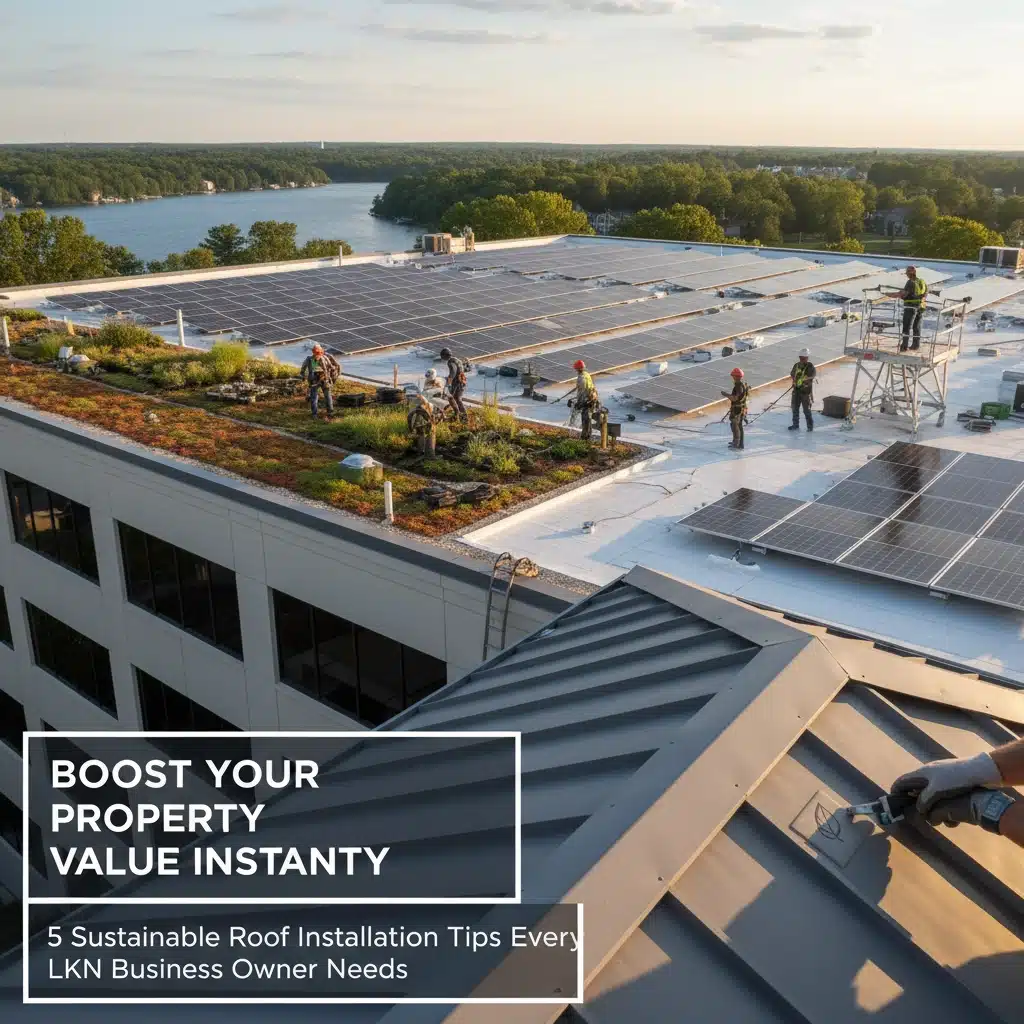
Lake Norman's commercial real estate market is hotter than a July afternoon in Cornelius. Business owners from Huntersville to Mooresville are discovering that sustainable roofing upgrades deliver immediate property value increases while slashing operating costs. After 15 years installing roofs across the LKN area, I've seen firsthand how the right roofing decisions can transform a property's marketability and profitability.
The numbers don't lie: sustainable roofing installations typically deliver 60-70% returns on investment, with some green roof systems boosting property values by up to 11%. But here's what most business owners don't realize – you don't need to break the bank to see these gains. Smart, targeted upgrades can start paying for themselves within the first year.
Whether you're managing a retail plaza in Davidson or own a warehouse in Huntersville, these five sustainable roofing strategies will boost your property value while future-proofing your investment against North Carolina's increasingly unpredictable weather patterns.
Tip #1: Install Cool Roofing Systems with Reflective Technology
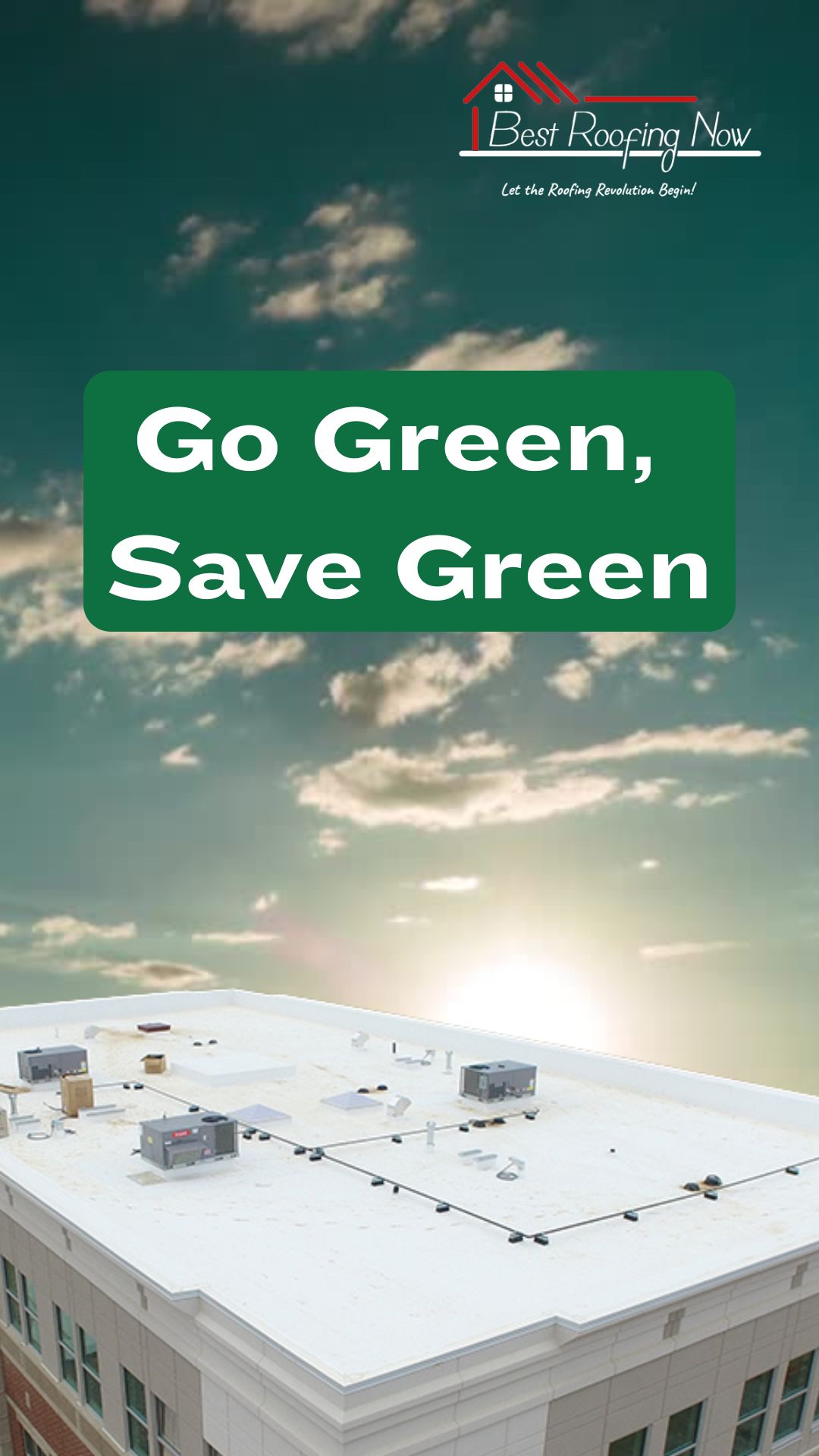
Cool roofing technology is revolutionizing how Lake Norman businesses approach energy efficiency. These systems use specially designed materials and coatings that reflect sunlight and heat away from your building, rather than absorbing it like traditional dark roofs.
Here's why this matters for your bottom line: during Charlotte's brutal summer months, traditional roofs can reach temperatures of 150-190°F. Cool roofs stay 50-60°F cooler, which translates directly to reduced HVAC loads and lower energy bills.
What makes cool roofing work:
- High solar reflectance values (0.65 or higher)
- Thermal emittance properties that release absorbed heat
- Specialized coatings or inherently reflective materials
- Proper ventilation integration
I recently installed a cool roofing system on a 20,000 square foot office building in Cornelius. The owner saw a 23% reduction in cooling costs during the first summer – that's $4,800 in savings from June through September alone. Over a 20-year lifespan, this system will save approximately $96,000 in energy costs.
Local advantage: North Carolina's solar exposure makes cool roofing particularly effective. The state averages 213 sunny days per year, giving you maximum opportunity to benefit from reflective technology.
Cool roofing options include:
- TPO (thermoplastic polyolefin) membranes in white or light colors
- Modified bitumen with reflective granules or coatings
- Metal roofing in light colors with reflective finishes
- Elastomeric roof coatings applied over existing surfaces
The key is choosing the right system for your building type and usage. Restaurants and manufacturing facilities see different benefits than office buildings or retail spaces.
Tip #2: Consider Green Roof Installation for Maximum Value Impact
Green roofs represent the premium tier of sustainable roofing, and the property value increases reflect that investment. Research consistently shows green roofs boost property values by 7-11%, with some studies indicating increases up to 12% in competitive markets.
For a $2 million Lake Norman commercial property, that's a potential value increase of $140,000-$240,000. Even accounting for installation costs, green roofs typically pay for themselves within 15-20 years through energy savings and property appreciation alone.
Beyond the numbers, green roofs deliver:
- Natural insulation that reduces heating and cooling demands by 25-30%
- Stormwater management that prevents flooding and erosion
- Improved air quality through natural filtration
- Extended roof membrane life (green roofs protect underlying materials from UV and temperature extremes)
- Employee satisfaction and productivity benefits
I've installed extensive green roof systems on several Lake Norman properties, including a mixed-use development in Davidson where the green roof became a major selling point for attracting quality tenants. The property owner reports 95% occupancy rates compared to 78% for comparable buildings without green features.
Green roof types for LKN businesses:
- Extensive systems: 2-6 inches of growing medium, lower maintenance, suitable for most commercial buildings
- Intensive systems: 6+ inches of growing medium, allows larger plants and trees, requires structural analysis
- Modular systems: Pre-grown vegetation modules, faster installation, easier maintenance access
Climate considerations: Lake Norman's humid subtropical climate is excellent for green roofs. Our mild winters and adequate rainfall reduce irrigation needs, while the natural cooling helps manage summer heat island effects.
The investment ranges from $15-25 per square foot for extensive systems to $35-50 per square foot for intensive installations. While higher than traditional roofing, the combination of energy savings, property value increases, and tax incentives makes green roofing financially attractive for many commercial properties.
Tip #3: Integrate Solar Technology for Energy Independence
Solar roofing integration represents the most dramatic shift in commercial roofing I've witnessed over my career. Solar tile roofs and integrated solar systems don't just reduce energy costs – they eliminate them entirely for many businesses while adding measurable property value.
Recent studies show properties with solar installations sell faster and for higher prices. Buyers actively seek energy-smart buildings, and solar integration demonstrates long-term operational savings that justify premium pricing.
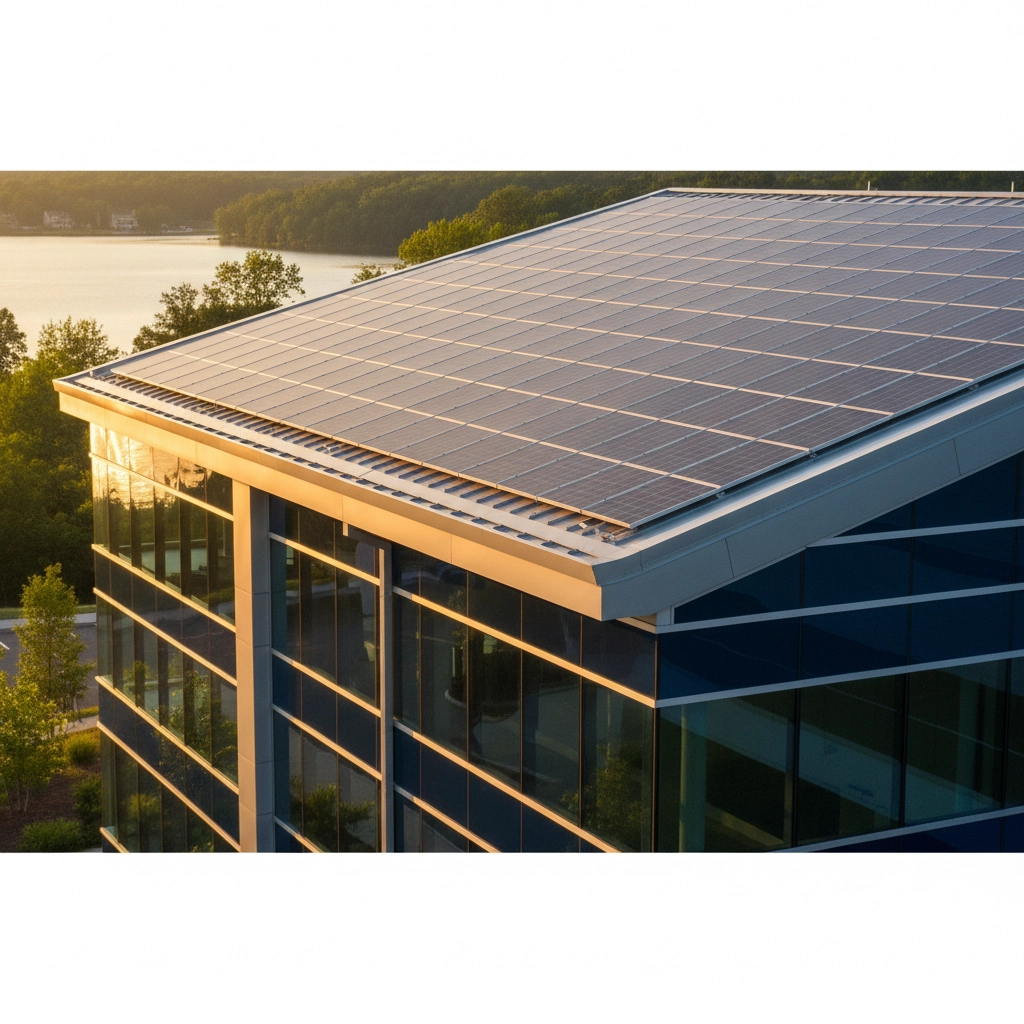
Solar integration options for Lake Norman businesses:
- Building-integrated photovoltaics (BIPV) that replace traditional roofing materials
- Mounted solar panels over conventional roofing systems
- Solar shingles that blend seamlessly with traditional materials
- Hybrid systems combining solar with cool roofing or green elements
The financial impact is immediate and substantial. A 50kW solar installation (typical for a 10,000-15,000 square foot commercial building) can generate 65,000-75,000 kWh annually in our region. At current electricity rates, that's $7,800-$9,750 in annual savings.
North Carolina solar advantages:
- Federal tax credit of 30% through 2032
- Net metering policies that allow selling excess energy back to the grid
- Business solar tax incentives and accelerated depreciation
- 4.5-5.5 peak sun hours daily (excellent for solar generation)
I recently completed a solar integration project for a manufacturing facility in Huntersville. The 75kW system generates enough power to cover 85% of their electrical needs, saving $12,000 annually. With federal incentives, the payback period is just 6.8 years, and the system adds an estimated $180,000 to the property value.
The technology has evolved dramatically. Modern solar installations integrate seamlessly with roofing systems, don't compromise waterproofing integrity, and require minimal maintenance. Professional installation ensures optimal performance and maintains manufacturer warranties on both roofing and solar components.
Tip #4: Upgrade to Durable, High-Performance Materials
Material selection makes or breaks long-term property value. I've seen too many business owners choose cheap roofing materials only to face replacement costs within 10-15 years. Smart material investments extend roof life to 25-50+ years while reducing maintenance headaches and surprise expenses.
Premium materials that boost property values:
- Standing seam metal roofing (40-70 year lifespan)
- Modified bitumen with enhanced granules (25-30 years)
- TPO and EPDM single-ply membranes (25-35 years)
- Architectural membrane systems (30-40 years)
The math is straightforward. A $45,000 premium metal roof that lasts 50 years costs $900 per year. A $25,000 budget roof requiring replacement every 15 years costs $1,667 annually – plus the disruption and hassle of multiple installations.
Why material quality matters in Lake Norman:
- Hurricane season brings high winds and severe weather
- Temperature swings from 20°F to 95°F stress roofing materials
- High humidity and occasional ice storms test durability
- UV exposure accelerates aging of inferior materials
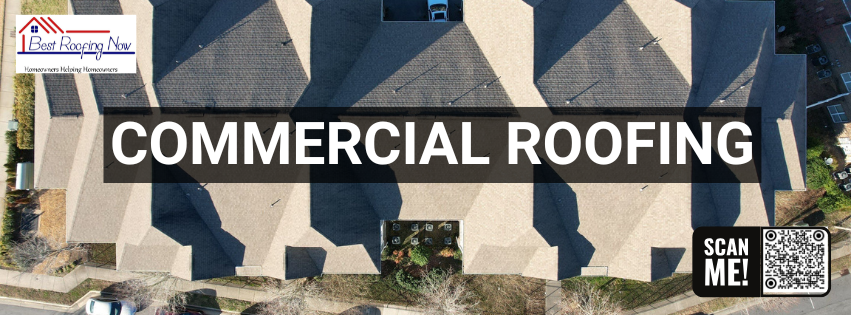
I recently replaced a 20-year-old budget roof on a retail center in Cornelius. The old roof had failed in multiple areas, causing interior damage and lost rental income. We installed a high-performance TPO system with enhanced insulation. Within six months, the owner secured two new tenants specifically because of the building's updated infrastructure and reduced operating costs.
Material selection criteria:
- Wind resistance ratings appropriate for our climate zone
- Energy efficiency ratings and cool roof properties
- Manufacturer warranties and local contractor support
- Maintenance requirements and lifecycle costs
- Fire resistance and building code compliance
The key is matching materials to your specific building use and budget constraints. A warehouse has different needs than an office building or restaurant. Professional analysis ensures you get maximum value from your material investment.
Tip #5: Implement Comprehensive Preventative Maintenance Programs
Preventative maintenance might seem like an operating expense rather than a value-building strategy, but smart maintenance programs demonstrate property stewardship that buyers and tenants notice. A well-documented maintenance history shows responsible ownership and reduces buyer concerns about unexpected roof expenses.
Comprehensive maintenance includes:
- Bi-annual professional inspections
- Immediate minor repair completion
- Drainage system cleaning and maintenance
- Sealant and flashing inspection
- Detailed documentation and photography
I've tracked maintenance costs across hundreds of Lake Norman commercial properties. Buildings with formal maintenance programs average 40% lower total roofing costs over 20 years compared to reactive-only approaches.
Lake Norman-specific maintenance considerations:
- Fall leaf removal from drains and gutters
- Ice dam prevention and removal protocols
- Hurricane preparation and post-storm inspections
- Summer heat expansion joint monitoring
- Humidity and condensation management
One property manager I work with in Davidson has implemented our comprehensive maintenance program across 12 commercial buildings. Over five years, they've avoided three major roof replacements through early problem detection and repair. The documented maintenance history added an average of $15,000 to each property's sale price when they eventually sold the portfolio.
Maintenance program components:
- Spring inspections focusing on winter damage assessment
- Summer inspections checking for heat-related expansion issues
- Fall inspections preparing for winter weather
- Post-storm emergency assessments
- Annual comprehensive reporting with photographs and recommendations
The cost is minimal – typically $300-500 per inspection for most commercial buildings – but the value protection is substantial. Insurance companies often provide premium discounts for properties with documented maintenance programs, adding another layer of cost savings.
The Financial Reality: ROI That Makes Sense
Let's talk real numbers. A $500,000 Lake Norman commercial building with comprehensive sustainable roofing upgrades typically sees:
Immediate benefits:
- 15-30% reduction in energy costs ($3,000-8,000 annually)
- 5-11% property value increase ($25,000-55,000)
- Lower insurance premiums (5-15% reduction)
- Improved tenant retention and attraction
Long-term advantages:
- Extended roof lifespan reducing replacement frequency
- Predictable maintenance costs vs. emergency repairs
- Competitive advantage in leasing markets
- Future-proofing against energy cost increases
The total return on sustainable roofing investments typically ranges from 60-120% over the system's lifespan. When you factor in energy savings, property appreciation, tax incentives, and reduced maintenance costs, most upgrades pay for themselves within 8-15 years.
Taking Action: Your Next Steps
Sustainable roofing represents one of the smartest investments Lake Norman business owners can make. The combination of immediate energy savings, property value increases, and long-term operational benefits creates a compelling financial case.
But not every sustainable option works for every building. Climate, usage patterns, structural limitations, and budget constraints all influence the best approach for your specific property.
Ready to boost your property value with sustainable roofing in LKN?
Schedule your free comprehensive roof assessment today. We'll evaluate your building's specific needs, calculate potential energy savings, and develop a customized sustainable roofing strategy that maximizes your investment return.
Call Best Roofing Now at (704) 594-7171 or visit our website to book your consultation. Your property value – and your energy bills – will thank you.
Don't wait until your next roof replacement is an emergency. Smart business owners plan ahead, and sustainable roofing investments deliver the best returns when implemented proactively rather than reactively.