Living in North Carolina means dealing with some wild weather. From sudden summer thunderstorms rolling through Charlotte to hurricane season threatening the Lake Norman area, your roof takes a beating. And when a storm hits hard, knowing what to do next can save you thousands of dollars. It can also keep your family safe.
I've been on countless roofs after major storms. The difference between a quick fix and a major disaster often comes down to what homeowners do in those first few hours. So let's walk through exactly what you need to do when Mother Nature decides to test your roof.
Step 1: Put Safety First (Always)
Here's the thing. Your roof can be replaced. You can't be.
After a storm passes through Matthews, Huntersville, or anywhere in the Charlotte metro, take a deep breath before you do anything. Don't rush outside while lightning is still flashing. And definitely don't climb up on your roof to inspect damage yourself.
⚠️ Warning signs to watch for:
- Sagging areas on your ceiling
- Visible structural damage to walls or roof supports
- Downed power lines anywhere near your home
- The smell of gas or electrical burning
If you see any of these, get your family out and call 911 immediately. A damaged roof isn't worth risking your life over.
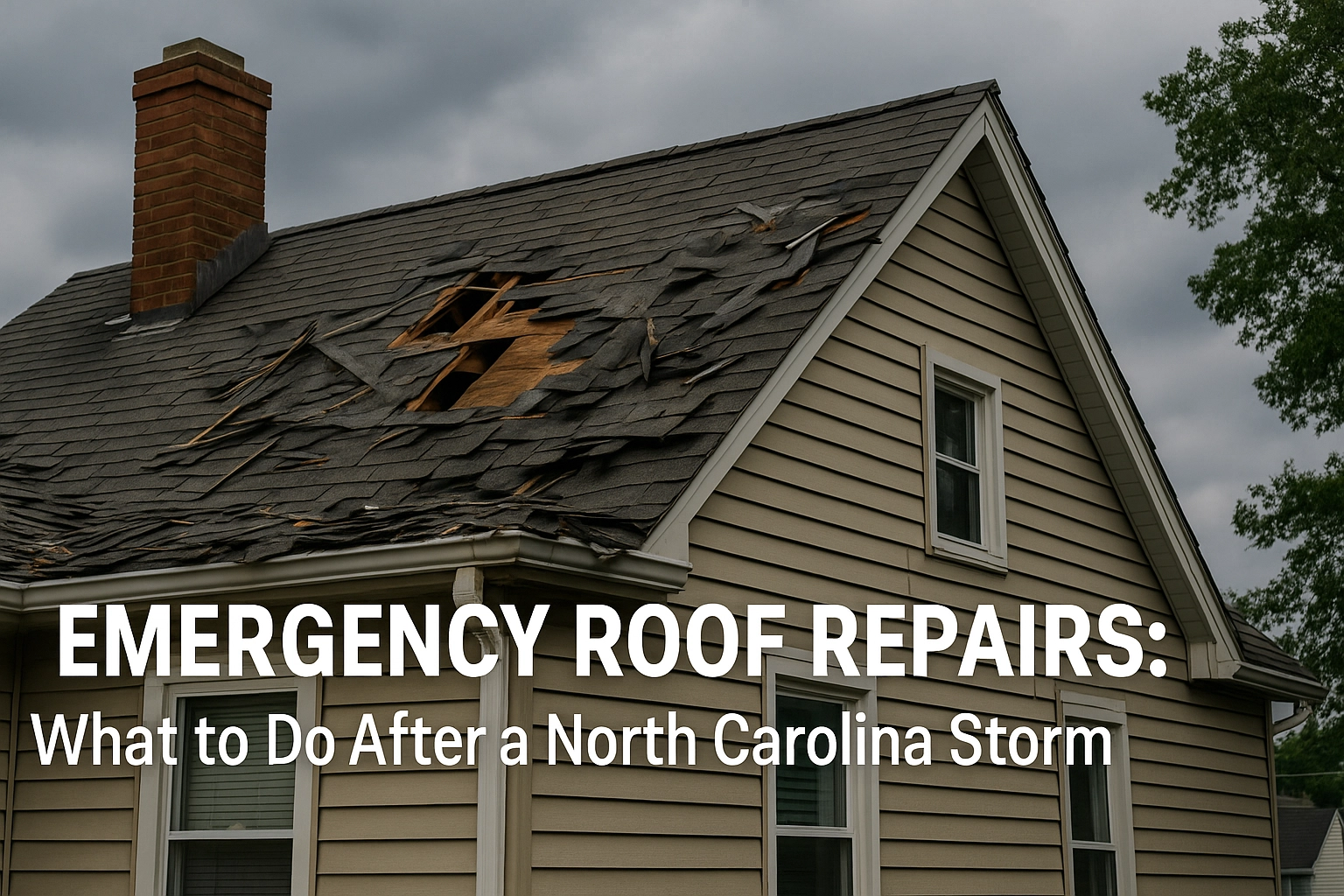
Once conditions are safe, you can start your assessment from the ground. Walk around your property and look up. Use binoculars if you have them. Look for obvious problems like missing shingles, exposed underlayment, or debris stuck in your roof.
Step 2: Contain the Damage Inside Your Home
Water doesn't waste time. If it's getting into your house, every minute counts.
Move furniture and electronics away from wet areas. Grab buckets, bins, trash cans: whatever you have: to catch dripping water. Lay down tarps or plastic sheeting to protect your floors.
Here's a tip most folks don't think about. Take your wet items and set them somewhere they can dry out. Mold can start growing within 24-48 hours in North Carolina's humid climate. Especially during summer months when our humidity regularly hits 80% or higher.
If water is actively pouring in, try to trace it back to its source. But remember: you're just containing damage right now. The actual repair comes later.
Step 3: Document Everything (This Is Critical)
This step might feel tedious when you're stressed. But trust me, your future self will thank you. And so will your insurance company.
What to photograph and video:
- All visible exterior damage to your roof
- Damage to gutters, siding, and windows
- Interior water stains, wet insulation, and ceiling damage
- Any debris that caused damage (fallen branches, hail, etc.)
- The date and time stamps on your photos
Take wide shots and close-ups. Record videos while you walk around and describe what you're seeing. The more evidence you have, the smoother your insurance claim will go.
According to the Insurance Information Institute, "Policyholders who provide thorough documentation typically see faster claim processing and more accurate settlements."
Save all this documentation in multiple places. Email it to yourself. Back it up to cloud storage. Keep copies on your phone and computer. You don't want to lose this evidence if something happens to one device.
Step 4: Make Temporary Weatherproofing Fixes
Now we're getting into the "it depends" territory. Some temporary fixes are safe for homeowners. Others need a pro.
What you CAN do safely:
- Cover broken windows with plastic sheeting and tape
- Place tarps over furniture and belongings inside
- Clear debris from around your foundation and drainage areas
- Move vehicles away from damaged structures
What you should NOT do:
- Climb on a wet, damaged roof
- Attempt major repairs without proper equipment
- Remove large debris that might be structurally supporting something
- Make permanent repairs before your insurance adjuster sees the damage
If you absolutely must cover a roof section, professional roofers use synthetic underlayment instead of regular tarps. It's more water-resistant and won't blow away in the next storm. This is one reason calling the pros quickly makes such a difference.
Step 5: Know When to Call the Professionals
So when exactly should you pick up the phone? Honestly, sooner than most people think.
Call immediately if you notice:
- Active water intrusion that you can't contain
- Structural damage to your roof deck or supports
- Large sections of missing shingles or roofing material
- Visible holes in your roof
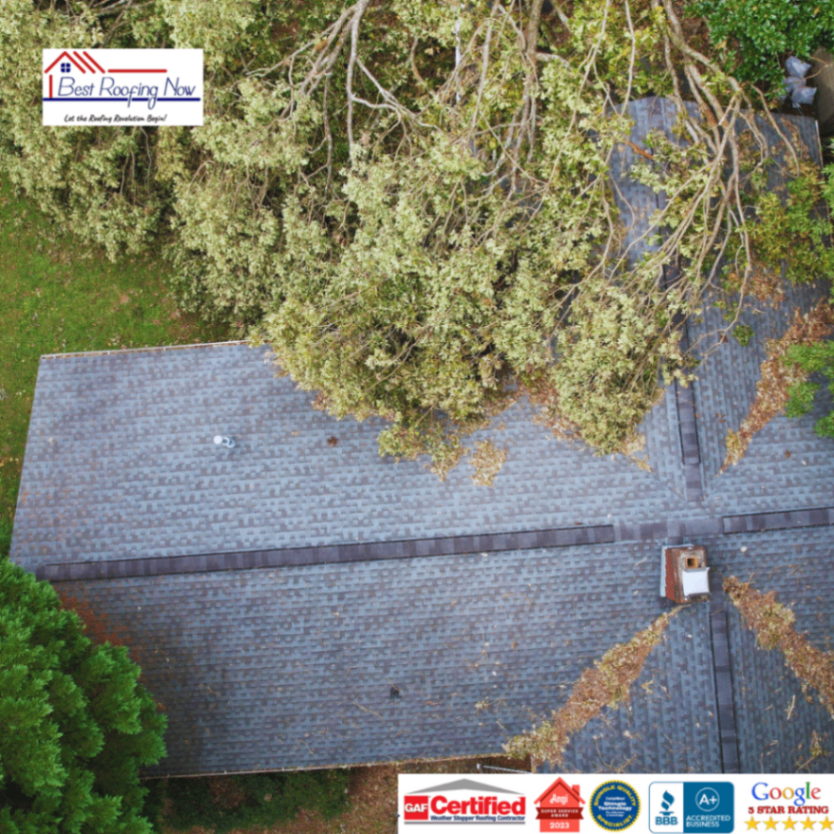
- Fallen trees or large debris on your roof
Many roofing companies in Charlotte, including Best Roofing Now, offer 24/7 emergency services for exactly these situations. We've responded to calls at 2 AM after storms roll through Cornelius and Davidson. Time matters when water is actively damaging your home.
A professional inspection covers things you can't see from the ground. We check for hidden damage to your roof deck, compromised flashing around vents and chimneys, and structural issues that aren't obvious to untrained eyes.
Step 6: Navigate the Insurance Process Like a Pro
Here's where things get real. Insurance claims can feel overwhelming after a storm. But having the right information ready makes everything easier.
Information to share with your insurance company:
- Your policy number and contact information
- Date and time of the storm
- Detailed description of damage
- Photos and videos (remember all that documenting you did?)
- Any temporary repairs you made and their costs
- Professional inspection reports
File your claim as soon as possible. Many policies have time limits for reporting storm damage. Waiting too long could affect your coverage eligibility. In North Carolina, most standard homeowners policies cover storm and impact damage. But every policy is different.
The National Roofing Contractors Association recommends that homeowners "work with licensed roofing professionals who can provide detailed damage assessments and assist with insurance documentation."
Pro tip: Your roofing contractor can often help with the insurance process. We provide detailed inspection reports, cost estimates, and documentation that adjusters need. Some contractors even meet with adjusters on-site to walk through the damage together.
Don't sign anything from storm chasers who show up uninvited at your door. These out-of-town crews often do subpar work and disappear before problems surface. Stick with local, licensed contractors who have a reputation in the Charlotte community.
Step 7: Understand Your Repair Options
Once your insurance claim is filed and a professional has inspected your roof, you'll need to decide on repairs. The scope depends on the damage.
Minor damage might include:
- Replacing a few missing or cracked shingles
- Resealing flashing around vents
- Patching small areas of underlayment
Major damage could require:
- Partial or full roof replacement
- Structural repairs to the roof deck
- Complete tear-off and reinstallation
Your contractor should walk you through options clearly. Ask questions. Get everything in writing. And make sure the repair timeline works for your situation.
Step 8: Prevent Future Emergencies
After you've recovered from this storm, think about the next one. A little prevention goes a long way.
Year-round maintenance tips:
- Schedule professional roof inspections annually
- Clean gutters in spring and fall
- Trim tree branches that hang over your roof
- Check for loose or damaged shingles after minor storms
- Ensure your attic has proper ventilation
The National Weather Service reports that North Carolina averages around 50 thunderstorm days per year. That's a lot of opportunities for roof damage. Regular maintenance helps your roof withstand these storms better.
Consider upgrading to impact-resistant shingles if you're due for a replacement. They cost more upfront but hold up much better against hail and wind. Some insurance companies even offer discounts for impact-resistant roofing materials.

Your Emergency Action Checklist
✅ Prioritize safety: stay off the roof and away from hazards
✅ Contain water intrusion inside your home
✅ Document all damage with photos and videos
✅ Make only safe, temporary fixes
✅ Contact a licensed local roofing contractor
✅ File your insurance claim promptly
✅ Keep all receipts and documentation organized
✅ Schedule preventive maintenance after repairs are complete
We're Here When Storms Hit Charlotte
Storm damage is stressful. There's no way around that. But having a plan and knowing your next steps makes a huge difference.
At Best Roofing Now, we've helped hundreds of homeowners across Charlotte, Lake Norman, and surrounding communities recover from storm damage. Our team responds quickly, works directly with insurance companies, and treats your home like our own.
Need emergency roof repairs after a storm? Contact our 24/7 emergency team or call us right now. We'll get to your property fast and help you through every step of the process.