When Mother Nature unleashes her fury on Charlotte and Lake Norman, your roof takes the hardest hit. I've seen it all in my years in this business. Hail the size of golf balls. Winds that turn tree branches into missiles. Storms that leave families scrambling in the dark with water dripping through their ceiling.
The minutes and hours after a roofing disaster are crucial. What you do next can mean the difference between a manageable repair and a devastating loss. Let me walk you through exactly how to respond when disaster strikes your home.
Your First Priority: Stay Safe
Never rush outside during or immediately after a severe storm. I've seen too many homeowners get injured trying to assess damage while debris is still flying around. Wait until conditions are completely safe.
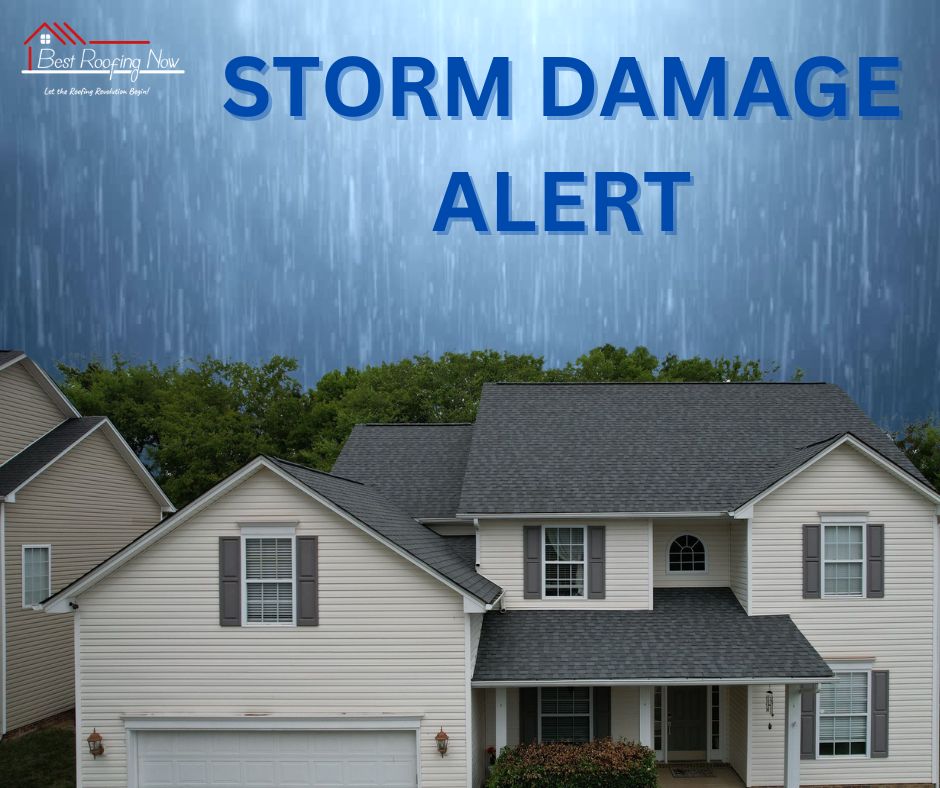
Once it's clear, start your assessment from the ground. Walk around your property and look up at your roof. Don't climb onto it yet. You're looking for obvious signs like missing shingles, damaged gutters, or debris lodged in your roof.
Take photos from every angle. Your insurance company will need this documentation. But more importantly, these photos help me understand the scope of damage when you call for emergency service.
Stop the Water Before It Spreads
Water damage grows exponentially. A small leak becomes a major problem within hours. Here's what to do immediately:
Move everything valuable away from the affected area. Electronics, furniture, important documents – get them to safety first. Then grab every bucket, pot, and container you have. Place them under active leaks.
If you can safely access your attic, go up there with a flashlight. Look for water stains, dripping, or standing water. Place buckets under any leaks you find. This simple step can save thousands in interior damage.
Cover furniture and flooring with plastic sheeting or tarps. Water will continue to drip for hours, even after the rain stops. The roof materials above are saturated and need time to drain.
When to Call for Emergency Help
Some situations require immediate professional intervention. Call us right away if you see:
- Large sections of missing shingles or roofing material
- Structural sagging or collapse
- Major water intrusion into living spaces
- Electrical hazards from water near outlets or fixtures
- Trees or large branches on your roof
At Best Roofing Now, we maintain 24/7 emergency response capabilities. We understand that roofing disasters don't wait for business hours. When you call our emergency line, you're speaking with someone who can dispatch a crew immediately.
What to Expect from Professional Emergency Response
When our emergency team arrives, we follow a systematic approach. First, we secure the immediate area. Safety comes before everything else. We'll assess structural integrity and identify any immediate hazards.
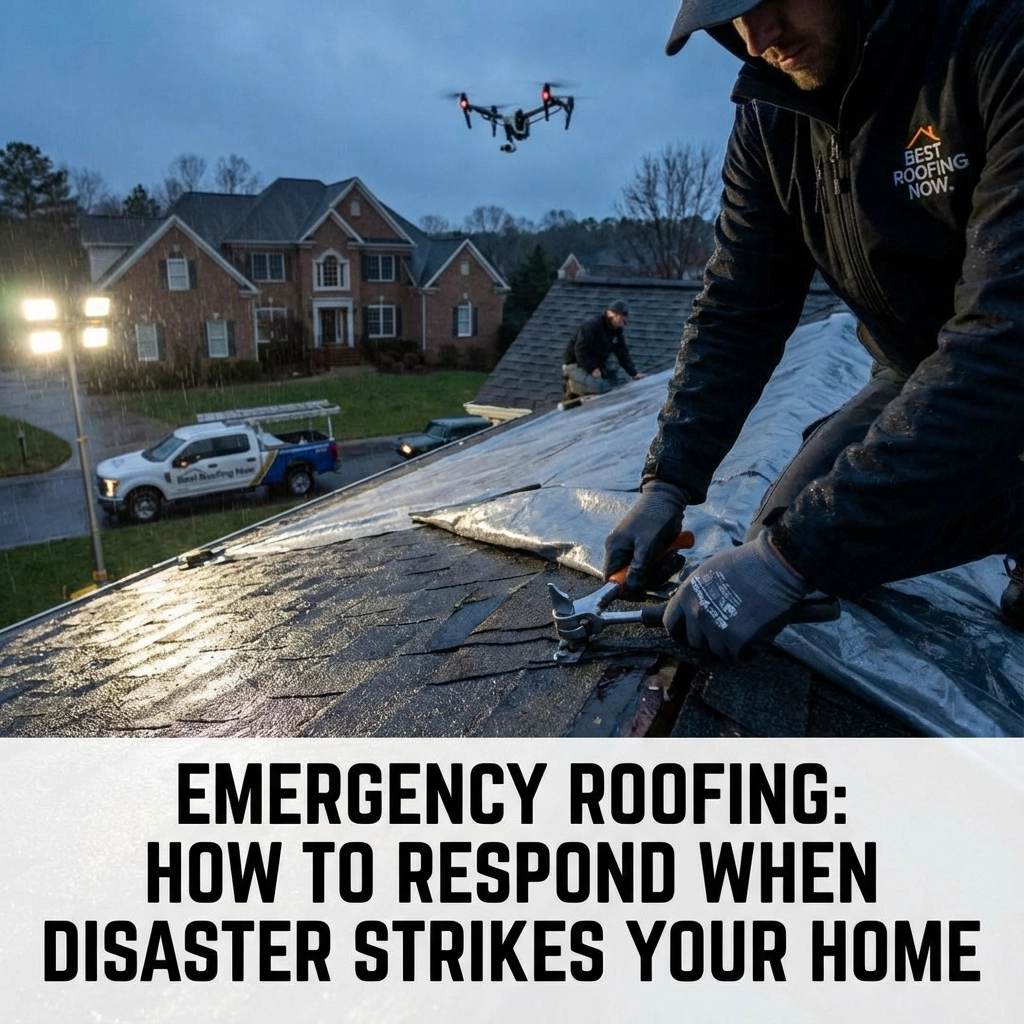
Next comes temporary protection. This might involve tarping damaged sections, clearing debris, or boarding up openings. These aren't permanent fixes – they're designed to stop further damage while we plan proper repairs.
We document everything thoroughly. Photos, measurements, and detailed notes about damage patterns. This documentation protects you during insurance claims and helps us plan the most effective restoration approach.
Our emergency response typically includes:
- Immediate hazard assessment and area securing
- Temporary weatherization and protection
- Debris removal from roof and gutters
- Interior leak mitigation where possible
- Complete damage documentation for insurance
- Detailed repair recommendations and timeline
Understanding Government Assistance Programs
Many Charlotte and Lake Norman homeowners don't know about federal assistance programs available after major disasters. When FEMA declares our area a disaster zone, you may qualify for Operation Blue Roof.
This program provides free temporary roofing materials and installation. The Army Corps of Engineers coordinates with local contractors to install fiber-reinforced sheeting over damaged roofs. It's not a permanent fix, but it gives you time to work with insurance and plan proper repairs.
To qualify, your area must be in a federally declared disaster zone. You apply directly through FEMA, usually by calling their disaster hotline or applying online. The service is completely free to eligible homeowners.
However, don't wait for federal assistance if you're dealing with active leaks or structural damage. Take immediate action to protect your property, then pursue government assistance as a supplemental resource.
Working with Your Insurance Company
Start your insurance claim process immediately. Most carriers have 24/7 claim reporting hotlines. The sooner you report, the faster the process moves.
When talking to your adjuster, be thorough but stick to facts. Describe what happened and what damage you can see. Don't speculate about causes or offer repair estimates. That's our job as your roofing professionals.
Keep detailed records of everything:
- Photos and videos of all damage
- Receipts for emergency repairs or temporary protection
- Communication logs with your insurance company
- Contractor estimates and recommendations
Your insurance adjuster will eventually inspect the damage. It's beneficial to have us present during this inspection. We can point out damage that might be missed and explain technical aspects of roofing systems.
The Restoration Process
Emergency response is just the beginning. Full restoration typically happens in phases, especially after major storms when materials and contractors are in high demand.
Phase one focuses on making your home weather-tight and secure. This includes permanent repairs to stop leaks and restore basic protection. We prioritize these repairs to prevent additional damage.
Phase two addresses cosmetic and upgrade opportunities. Maybe you've been considering upgrading to impact-resistant shingles or improving your home's energy efficiency. Disaster recovery often provides the perfect opportunity to build back better.
Throughout this process, we maintain close communication with your insurance company. We work directly with adjusters to ensure all covered damage is properly addressed. Our goal is maximizing your insurance benefits while minimizing your out-of-pocket costs.

Choosing the Right Emergency Contractor
Not all roofing contractors are equipped for emergency response. Storm-chasing contractors flood our area after major disasters. Many lack local licensing, proper insurance, or the resources to complete work properly.
When choosing emergency roofing services, verify:
- Local licensing and current insurance certificates
- Established local presence with a physical address
- References from recent emergency response work
- Proper equipment and materials inventory
- Direct insurance company relationships
We've served Charlotte and Lake Norman communities for years. We have established relationships with local suppliers, insurance adjusters, and building officials. This local expertise makes restoration faster and more efficient.
Our emergency response capabilities include immediate materials inventory, multiple crew availability, and direct relationships with specialty suppliers. We don't scramble to find materials or qualified installers after disasters strike.
Prevention and Preparedness
The best emergency response starts before the emergency happens. Regular roof maintenance and inspections catch problems before storms turn them into disasters.
We recommend annual inspections for most Charlotte-area homes. Our climate puts unique stresses on roofing systems. Hot summers, sudden temperature changes, and severe storm seasons all take their toll.
During inspections, we look for loose or missing shingles, clogged gutters, damaged flashing, and structural issues. Addressing these problems proactively prevents many emergency situations.
Consider upgrading to impact-resistant materials if your roof needs replacement. These systems perform significantly better during hail storms and severe weather events common in our area.
Your Next Steps
Roofing emergencies are stressful, but you don't have to face them alone. Having a plan and knowing who to call makes all the difference when disaster strikes.
If you're currently dealing with storm damage, don't wait. Every hour of delay increases the risk of additional damage to your home and belongings. Our emergency response team is standing by to help Charlotte and Lake Norman families protect their most important investment.
Even if your roof seems fine after recent storms, now is the perfect time for a professional inspection. We can identify potential problems and help you prepare for the next severe weather event.
Ready to protect your home? Contact Best Roofing Now for immediate emergency response or schedule a comprehensive roof inspection. Your family's safety and your home's protection can't wait.