
Living around Lake Norman means dealing with unique seasonal challenges. Between the heavy pollen in spring and the leaf storms in fall, your gutters work overtime to protect your home. But how often should you actually clean them?
The answer isn't as simple as "when they look dirty." Your gutters need strategic maintenance that aligns with North Carolina's weather patterns and the natural debris cycles in our area.
The Lake Norman Standard: Twice Per Year
Most homes in the Lake Norman area benefit from two gutter cleanings per year. This isn't just a random number we throw around – it's based on decades of experience working with local weather patterns and the types of trees common in our neighborhoods.
The optimal schedule? Late spring and late fall cleanings. Here's why these specific timeframes matter for our area.
Late Spring Cleaning (May-Early June)
This happens after pollen and seed pods finish falling from oak, maple, and pine trees common around Lake Norman. Spring cleaning removes the winter buildup and prepares your gutters for summer thunderstorms.
Late Fall Cleaning (November-Early December)
This critical cleaning occurs after most leaves have dropped. Fall cleaning prevents winter ice buildup and reduces the risk of icicles that can damage your roof and gutters during those occasional cold snaps.
But your home might need a different schedule. Let me explain when and why.
Why Lake Norman Timing Matters
Our local climate creates specific challenges for gutter systems. We get heavy spring pollen that can mix with rain to create a paste-like substance in gutters. Then summer brings intense thunderstorms that test whether your drainage system can handle sudden water volume.
Fall presents its own problems. The mature trees in neighborhoods like Cornelius and Davidson drop massive amounts of leaves in a short window. When these leaves sit in gutters through winter, they decompose and create a sludge that's much harder to remove come spring.
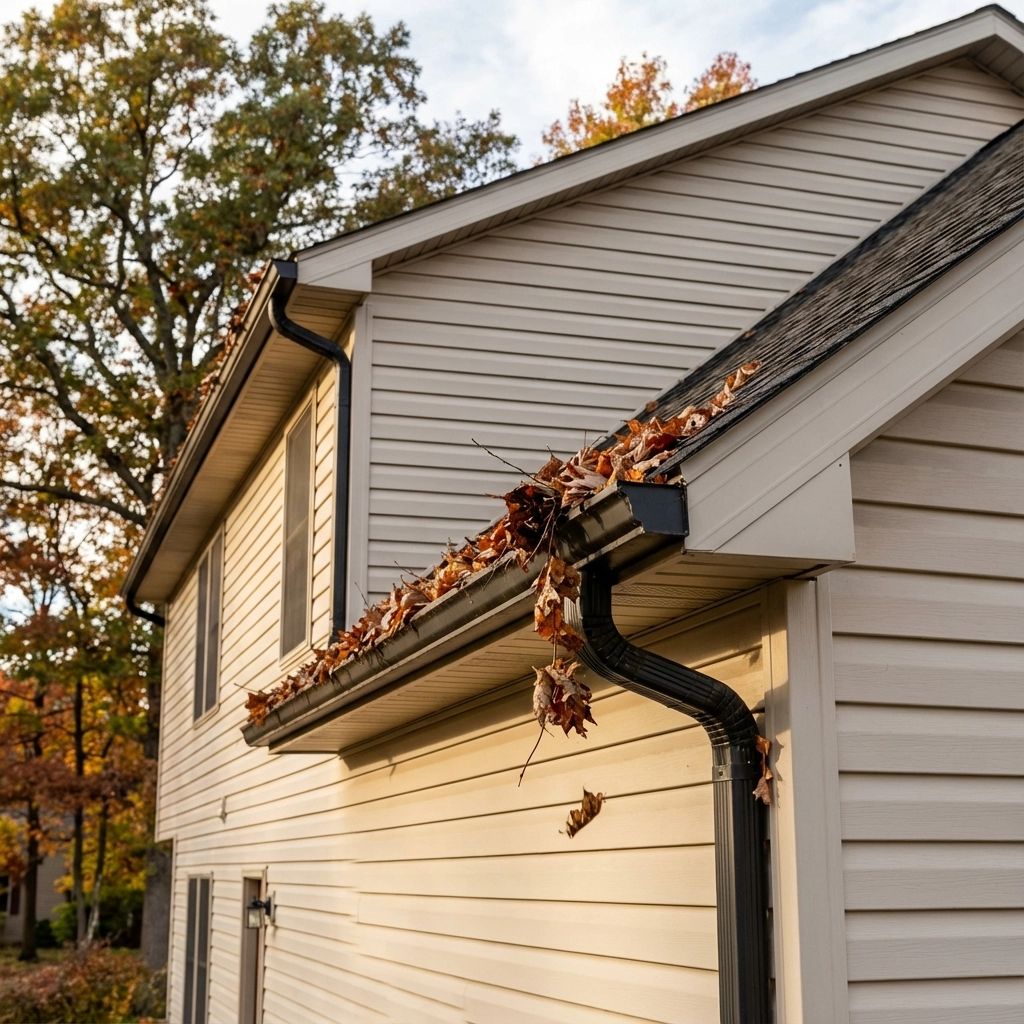
I've seen gutters in Mooresville completely clogged with just six weeks of neglect during peak leaf season. The homeowner ended up with water damage to their siding and foundation – expensive problems that proper timing would have prevented.
Spring Cleaning: Your Storm Preparation
Spring cleaning is really storm preparation. You're not just removing debris; you're ensuring your gutters can handle the intense rainfall we get during summer thunderstorms.
What Accumulates During Winter and Early Spring:
- Pine needles and small twigs from winter storms
- Pollen (especially heavy around Lake Norman)
- Seed pods from maple and oak trees
- Granules from roof shingles loosened by freeze-thaw cycles
- Dead leaves that weren't removed in fall
Timing Your Spring Clean:
The ideal window is after the last major pollen dump but before summer storm season. In our area, this typically falls between mid-May and early June. You'll know it's time when you stop seeing that yellow dust coating your car every morning.
Spring Cleaning Benefits:
- Prevents water backup during summer storms
- Removes corrosive materials before they damage gutters
- Allows inspection of winter damage
- Ensures proper drainage before summer heat intensifies
Fall Cleaning: Your Winter Insurance Policy
Fall cleaning is your insurance policy against winter problems. Even though we don't get harsh winters like northern states, ice formation in clogged gutters can still cause serious damage.
What Accumulates During Summer and Early Fall:
- Leaves (obviously the big one)
- Twigs and small branches from summer storms
- Debris blown in from nearby construction
- Bird nests and animal droppings
- More roof granules from summer heat cycling

Timing Your Fall Clean:
Wait until most trees have dropped their leaves, but clean before the first hard freeze. In the Lake Norman area, this sweet spot usually falls in late November or early December.
Fall Cleaning Benefits:
- Prevents ice dam formation
- Reduces weight load on gutters during winter
- Eliminates pest nesting sites
- Protects against standing water that breeds mosquitoes
When You Need More Than Twice Per Year
Some homes around Lake Norman need additional cleanings. Here's when you might be one of them:
Heavy Tree Coverage
If your home sits under mature oaks, maples, or pines, you might need quarterly cleanings. I work with several homeowners in heavily wooded areas of Davidson who clean gutters in spring, mid-summer, early fall, and late fall.
New Construction Nearby
Construction dust and debris can clog gutters faster than natural accumulation. If there's building happening in your neighborhood, consider an extra mid-year cleaning.
Recent Roof Work
Any roofing project leaves granules and small debris in gutters. Plan a cleaning 4-6 weeks after roof work to remove this material.
Storm Damage
After significant storms (especially with high winds), inspect gutters for storm debris. Sometimes an immediate cleaning prevents bigger problems later.
Safety First: DIY Cleaning Tips
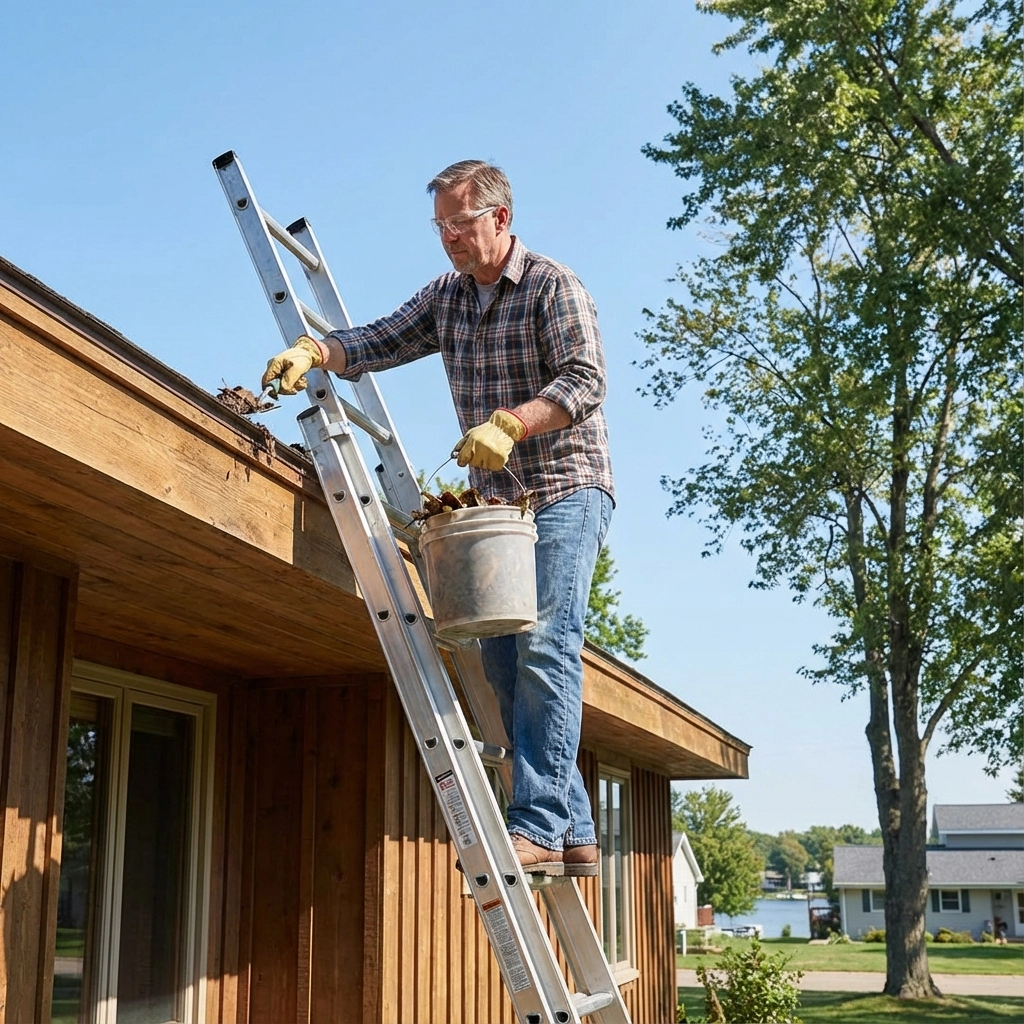
If you're comfortable with ladder work and basic home maintenance, you can clean your own gutters. But safety comes first. Here are the non-negotiables:
Essential Safety Equipment:
- Sturdy ladder rated for your weight plus materials
- Work gloves (leather or heavy rubber)
- Safety glasses
- Non-slip shoes with good grip
- Someone else present while you work
Ladder Safety Rules:
Never lean a ladder against gutters – they can't support the weight and you'll damage them. Always lean against the house structure. Follow the 4-to-1 rule: for every four feet of ladder height, the base should be one foot from the wall.
When NOT to DIY:
- If your home is taller than one story
- If you have any balance or mobility issues
- If gutters are severely damaged or pulling away from the house
- If you see electrical wires near gutters
- During or after storms when surfaces might be slippery
DIY Cleaning Process
For single-story homes with standard gutters, here's a systematic approach:
Step 1: Preparation
Remove loose debris by hand. Start at downspouts and work toward the ends of gutter runs. This prevents pushing debris into downspouts where it's harder to remove.
Step 2: Flush Test
Use a garden hose to flush gutters, starting at the end opposite the downspout. Watch water flow – it should move steadily toward downspouts without pooling.
Step 3: Downspout Check
If water backs up, your downspout is clogged. Try flushing from the top. If that doesn't work, you might need a plumber's snake or professional help.
Step 4: Final Inspection
Look for loose hangers, separated joints, or rust spots. These small issues become expensive problems if ignored.
Professional Cleaning: When to Call Us
Some situations require professional attention. We have the equipment, experience, and insurance to handle challenging cleaning situations safely.
Call Professionals When:
- Your home is two stories or taller
- Gutters haven't been cleaned in over a year
- You see structural damage or severe sagging
- Downspouts are completely blocked
- There's electrical equipment near gutters
- You're not comfortable with ladder work
What Professional Cleaning Includes:
We don't just scoop out debris. Professional cleaning includes gutter inspection, downspout flushing, minor adjustment of hangers, and identification of potential problems before they become emergencies.
Cost Perspective:
Professional cleaning typically costs $150-$300 for most Lake Norman homes. Compare that to water damage repairs, which often start at $2,000 and can reach $10,000 or more.
Warning Signs Your Gutters Need Immediate Attention
Between scheduled cleanings, watch for these warning signs:
Overflow During Rain
If water spills over gutter edges during moderate rainfall, you have a clog somewhere in the system. Don't wait for the next scheduled cleaning.
Sagging Gutters
Gutters that sag or pull away from the house indicate excess weight from debris or water. This can cause permanent damage if not addressed quickly.
Plant Growth
If you see plants growing in your gutters, they've been neglected too long. Roots can damage gutter seams and create permanent leaks.
Pest Activity
Birds nesting in gutters or unusual insect activity around your roofline often indicates standing water or organic debris buildup.
Staining or Rust
Streaks down your siding or visible rust on gutters suggest water isn't flowing properly and is sitting in the system.
The Real Cost of Neglected Gutters
I've seen what happens when homeowners skip regular gutter maintenance. The problems start small but escalate quickly:
Foundation Problems
Clogged gutters cause water to pour directly next to your foundation. Over time, this creates settling, cracks, and basement leaks. Foundation repairs in our area typically start at $3,000.
Siding Damage
Water running down siding causes rot, mold, and paint damage. Siding replacement costs $8,000-$15,000 for most homes.
Landscape Erosion
Gutter overflow washes away mulch, plants, and topsoil. While not as expensive as structural damage, landscape restoration costs add up quickly.
Ice Dam Formation
Even in our mild winters, ice can form in clogged gutters and damage roof edges. Roof repairs from ice damage often aren't covered by standard insurance policies.
Seasonal Maintenance Beyond Cleaning
Gutter cleaning is just one part of seasonal maintenance. Here's what else to include in your routine:
Spring Tasks:
- Inspect and tighten gutter hangers
- Check downspout connections
- Trim overhanging tree branches
- Test drainage flow with garden hose
Fall Tasks:
- Inspect for summer storm damage
- Check gutter slope and alignment
- Seal small leaks before winter
- Install gutter guards if considering them

Gutter Guards: Are They Worth It?
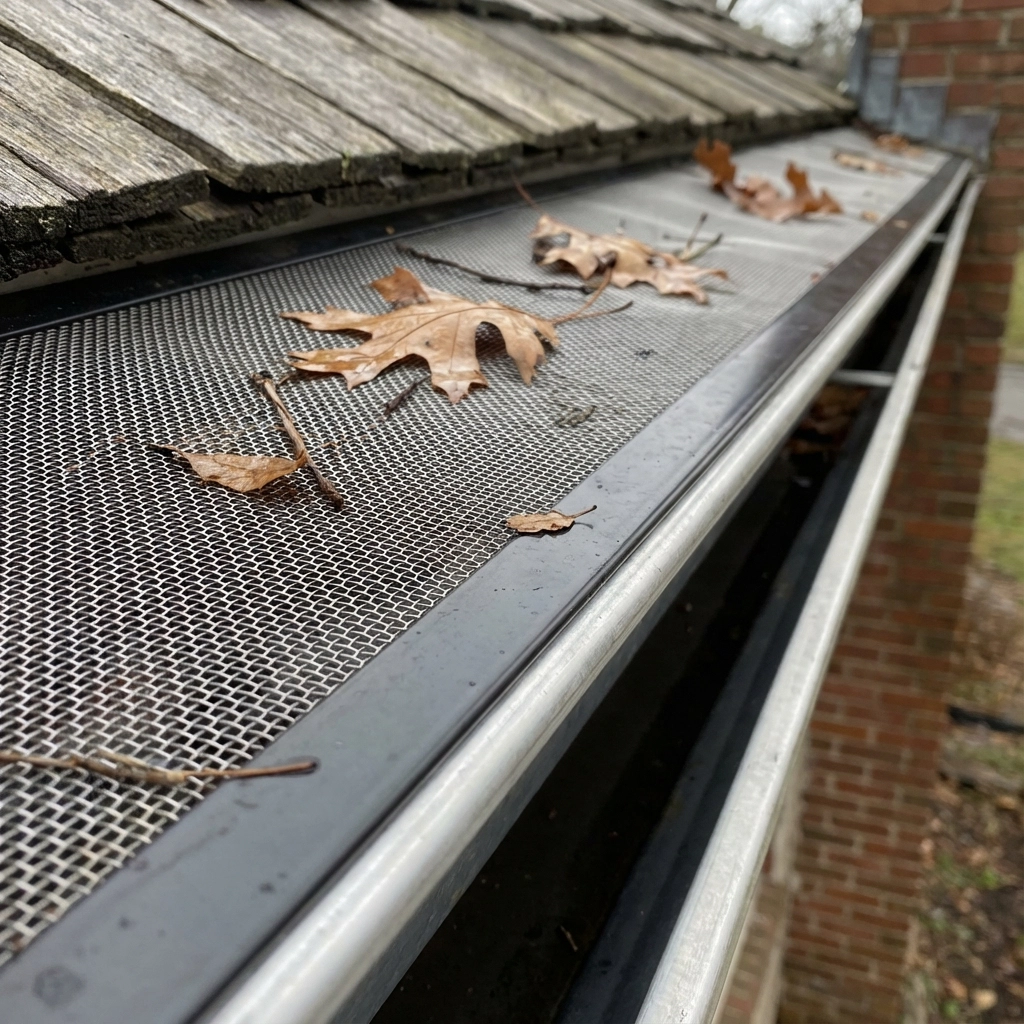
Homeowners often ask about gutter guards as a way to reduce cleaning frequency. Here's the honest truth: guards reduce debris accumulation but don't eliminate the need for maintenance.
What Gutter Guards Do Well:
- Keep out large debris like leaves and twigs
- Reduce cleaning frequency (often to once per year)
- Prevent animal nesting
- Reduce ladder time for homeowners
What They Don't Do:
- Stop small debris like pine needles and seed pods
- Prevent all clogs (especially at downspouts)
- Eliminate the need for inspection and maintenance
- Work well in areas with heavy pollen
For Lake Norman homes with heavy tree coverage, quality gutter guards can be worthwhile. But they're an investment, not a magic solution.
Local Weather Considerations
Our area's weather patterns create specific challenges that affect cleaning schedules:
Spring Storms
Late spring thunderstorms can dump 2-3 inches of rain in an hour. Clean gutters are essential for handling these intense but brief storms.
Summer Heat
High temperatures cause roof materials to expand and contract, loosening granules that end up in gutters. This is why fall cleaning often reveals more debris than expected.
Hurricane Season
While direct hits are rare, hurricane remnants bring high winds and heavy rain. Clean gutters before hurricane season starts (June 1st).
Winter Ice
Even occasional freezing can create problems in clogged gutters. Fall cleaning prevents most ice-related damage.
DIY vs Professional: Making the Right Choice
The decision between DIY and professional cleaning depends on several factors:
Choose DIY When:
- You're comfortable with ladder work
- Your home is single-story
- Gutters are in good condition
- You have proper safety equipment
- Someone can assist or supervise
Choose Professional When:
- Your home is multi-story
- Gutters show signs of damage
- You have physical limitations
- Time constraints prevent proper cleaning
- Safety concerns exist
Remember, professional cleaning includes inspection and minor repairs that most homeowners miss. We catch small problems before they become expensive emergencies.
Creating Your Personal Schedule
Every Lake Norman home is unique. Here's how to create a maintenance schedule that fits your specific situation:
Assess Your Tree Coverage:
Homes under heavy tree canopy need more frequent cleaning than homes in open areas. Walk around your property and note which trees drop debris directly onto your roof.
Consider Your Roof Type:
Asphalt shingles shed more granules than metal roofing. Older shingles shed even more. Factor this into your cleaning frequency.
Review Weather Patterns:
If your area gets hit by frequent summer storms, consider an additional mid-summer inspection and cleaning if needed.
Budget for Professional Help:
Even if you normally clean gutters yourself, budget for professional cleaning every 2-3 years. We catch problems that homeowners typically miss.
Protecting Your Investment
Your home is likely your largest investment. Regular gutter maintenance protects that investment in several ways:
Preventing Water Damage
Properly functioning gutters direct thousands of gallons of water away from your home each year. When they fail, that water goes where it shouldn't.
Maintaining Curb Appeal
Clean, well-maintained gutters contribute to your home's appearance and value. Overflowing or damaged gutters create an immediate negative impression.
Avoiding Emergency Repairs
Regular maintenance catches problems when they're small and inexpensive to fix. Emergency repairs during storms cost 2-3 times more than preventive maintenance.
Insurance Considerations
Some insurance companies require proof of regular maintenance for water damage claims. Keep records of your gutter cleaning schedule.
When to Replace vs. Repair
Sometimes cleaning reveals that gutters need more than maintenance. Here's when to consider replacement:
Replacement Signs:
- Multiple leaks or separating joints
- Extensive rust or corrosion
- Gutters pulling away from the house
- Repeated clogging despite regular cleaning
- Age over 20 years with frequent problems
Repair Signs:
- Isolated leaks at joints
- Loose hangers or brackets
- Minor sagging in one section
- Small rust spots
- Damaged end caps or corners
The Bottom Line on Gutter Cleaning Frequency
For most Lake Norman homeowners, twice-yearly cleaning provides the right balance of protection and maintenance cost. Spring and fall cleanings align with our local weather patterns and debris cycles.
But your home might need more or less frequent attention based on tree coverage, roof condition, and local weather exposure. The key is developing a schedule that prevents problems rather than reacting to them.
Regular gutter maintenance is one of the most cost-effective ways to protect your home. The investment in cleaning – whether DIY or professional – is tiny compared to the cost of water damage, foundation problems, or emergency repairs.
Don't wait until you see problems to start maintaining your gutters. By then, damage might already be happening inside your walls or around your foundation.
If you're unsure about your gutters' condition or need professional cleaning around Lake Norman, we offer free inspections that include a customized maintenance recommendation for your specific home. Call us at Best Roofing Now or visit our website to schedule your inspection. We'll help you create a maintenance plan that protects your investment without breaking your budget.
Your gutters work hard to protect your home. Give them the attention they deserve, and they'll keep your Lake Norman home safe and dry for years to come.