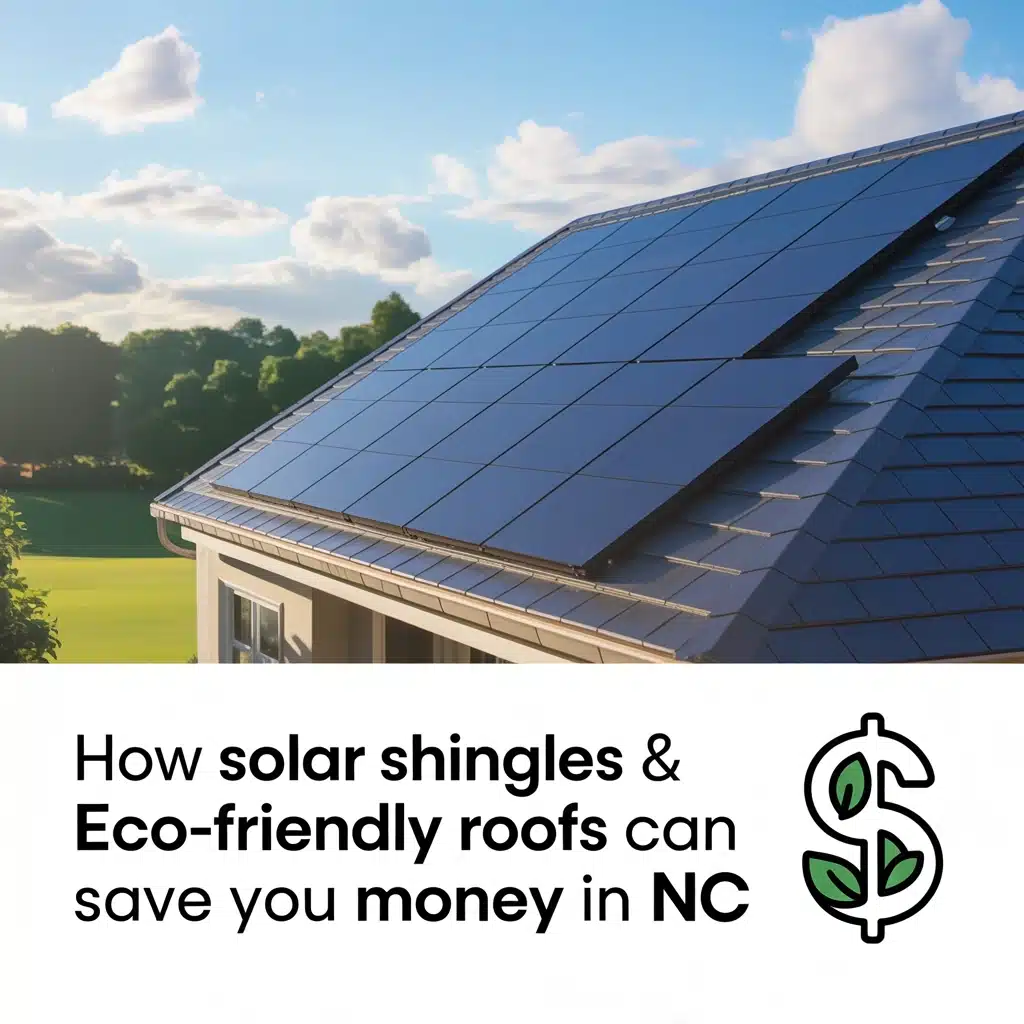
In North Carolina, where summer humidity pushes air conditioners into overdrive and winter storms test roof durability, homeowners are increasingly looking toward the sky for solutions—both figuratively and literally. Solar shingles and eco-friendly roofing aren't just environmentally conscious choices anymore; they've become smart financial investments with impressive returns. As energy costs continue to climb across the state, these roofing innovations offer North Carolinians a unique opportunity to transform their biggest overhead (pun intended) into a money-saving asset.
Understanding Solar Shingles: The Roof That Pays You Back
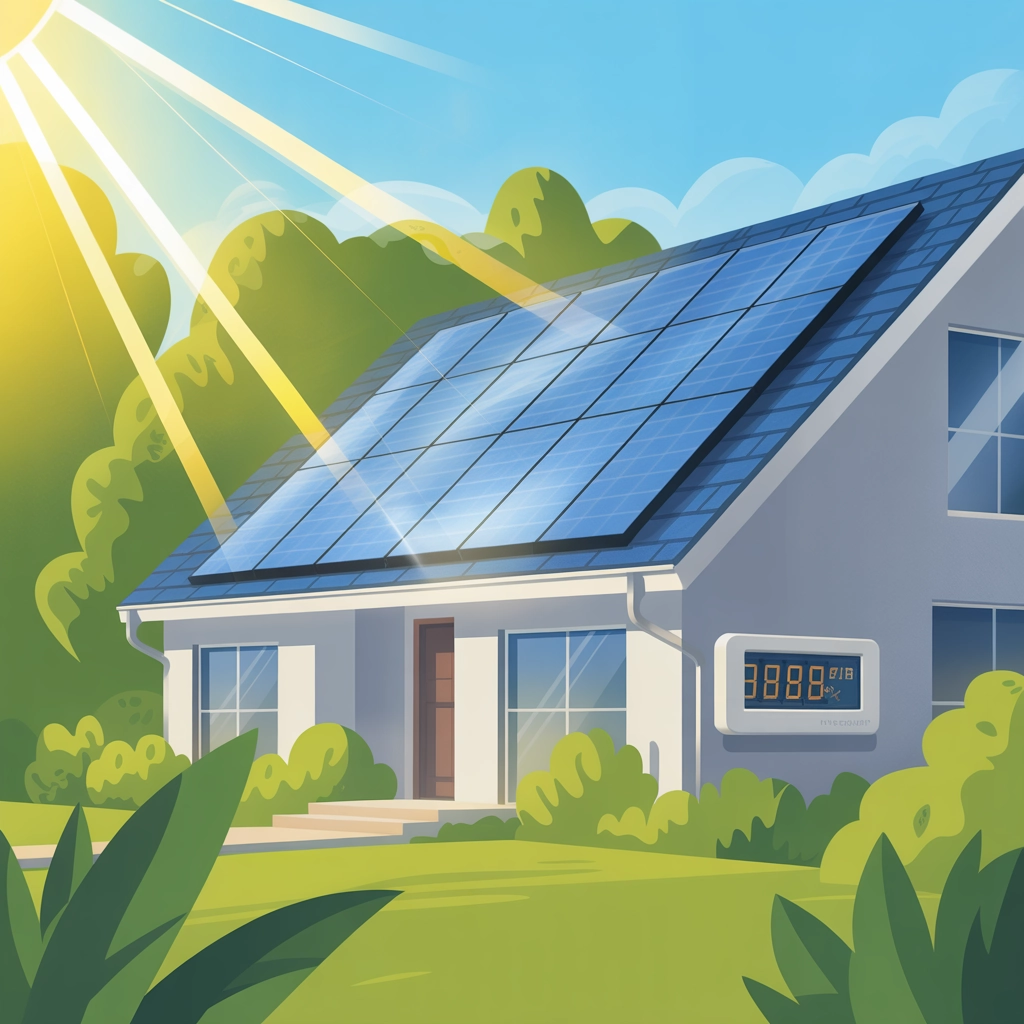
Unlike bulky solar panels that mount on top of existing roofs, solar shingles integrate seamlessly into your roofing system, serving dual purposes: protecting your home while generating electricity. These photovoltaic shingles look remarkably similar to traditional asphalt shingles but contain thin-film solar cells that convert sunlight into usable energy.
"The technology has advanced dramatically in recent years," says energy consultant David Miller. "Today's solar shingles are more efficient, more durable, and more aesthetically pleasing than ever before. For North Carolina homeowners who need a roof replacement anyway, it's becoming a no-brainer to consider this option."
The Financial Equation in North Carolina
The numbers tell a compelling story for NC residents:
- Initial investment: While installation costs run higher than conventional roofing (typically $25,000-$50,000 before incentives), federal tax credits currently reduce this by 30%.
- Energy production: In North Carolina's climate, properly installed solar shingles can generate 40-70% of a household's electricity needs.
- Payback period: Most homeowners reach the break-even point in 8-12 years, after which the energy generated represents pure savings.
- Long-term returns: Over a 30-year period (the typical warranty length), solar shingles can save NC homeowners $50,000-$80,000 in electricity costs.
Beyond Solar: Other Eco-Friendly Roofing Options
While solar shingles get most of the attention, several other eco-friendly roofing alternatives offer significant savings for North Carolina homeowners:
Cool Roofs: Beating the Carolina Heat
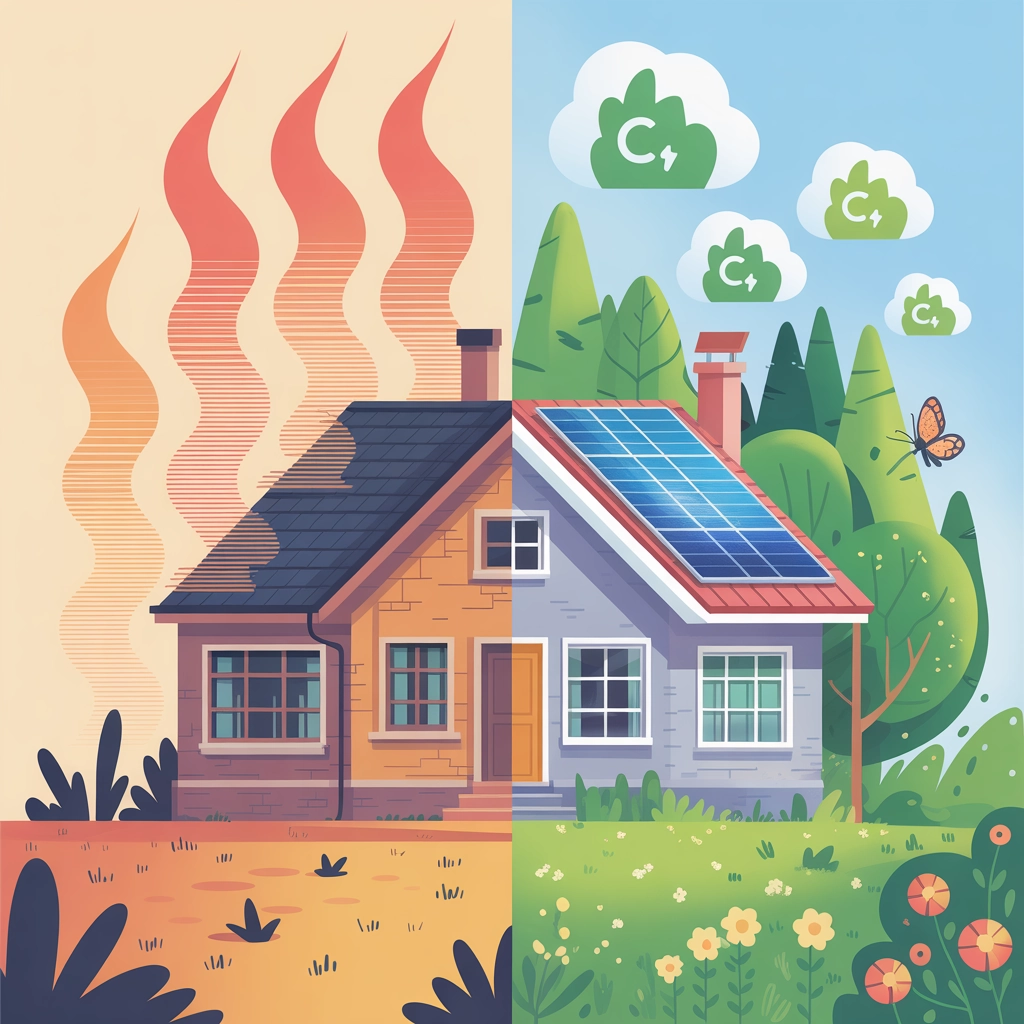
Cool roofs use highly reflective materials to redirect sunlight away from your home rather than absorbing it. This simple principle translates to major energy savings during North Carolina's hot, humid summers.
- Temperature reduction: Cool roofs can lower roof surface temperatures by up to 50°F and indoor temperatures by 5-7°F.
- Energy savings: Households typically see 15-25% reductions in cooling costs during summer months.
- Extended lifespan: By reducing thermal cycling (expansion and contraction from temperature changes), cool roofs often last 5-10 years longer than standard roofing.
Metal Roofing: Durability Meets Efficiency
Metal roofing has gained popularity in North Carolina, particularly in coastal regions where hurricane resistance matters. Beyond storm protection, these roofs offer impressive financial benefits:
- Longevity: While asphalt shingles typically need replacement every 15-20 years, quality metal roofs last 50+ years—representing 2-3 fewer replacement cycles over a home's lifetime.
- Energy efficiency: ENERGY STAR certified metal roofs reflect solar radiation, reducing cooling costs by 10-25%.
- Insurance savings: Many NC insurance companies offer premium discounts for impact-resistant metal roofing, sometimes up to 25% off.
"We're seeing many homeowners make the switch to metal when they learn about the lifetime cost comparison," notes James Turner, owner of Best Roofing Now. "The initial investment pays dividends through decades of low maintenance and energy savings."
North Carolina-Specific Incentives That Boost Your Savings
North Carolina residents enjoy several financial incentives that make eco-friendly roofing particularly attractive:
Federal Tax Credits and Rebates
- Residential Clean Energy Credit: 30% of solar installation costs (including solar shingles) as a direct tax credit.
- Energy Efficient Home Improvement Credit: Up to $1,200 annually for qualifying roof upgrades that meet ENERGY STAR requirements.
State and Local Incentives
- Property tax exemptions: Many NC counties exclude the added value of renewable energy systems from property tax assessments.
- Duke Energy rebates: Eligible customers can receive rebates for energy-efficient improvements including certain roofing types.
- Local incentives: Several municipalities offer additional rebates or expedited permitting for green building practices.
NC GreenPower
This nonprofit supports renewable energy production with production-based incentives for residential solar generators in participating areas.
Real-World Savings: North Carolina Case Studies
The Wilsons: Solar Shingles in Charlotte
After installing solar shingles during a necessary roof replacement, this Charlotte family saw their average monthly electricity bill drop from $210 to just $65. Factor in their tax credit and projected energy cost increases, and they expect to save over $70,000 during the system's lifetime.
The Jacksons: Metal Roofing in Wilmington
This coastal home replaced storm-damaged asphalt shingles with a hurricane-rated metal roof. Beyond the immediate 15% reduction in cooling costs, their homeowner's insurance premium decreased by $450 annually due to the improved storm resistance.
The Patels: Cool Roof in Raleigh
After installing a cool roof with reflective coating, this Raleigh family documented a 22% reduction in air conditioning costs during the first summer. Their return on investment is expected within 6 years, with decades of savings to follow.
Hidden Benefits: Property Value and Market Appeal
According to the National Association of Realtors, homes with energy-efficient features like solar shingles or eco-friendly roofing sell for 2-5% more than comparable properties without these improvements. In North Carolina's competitive real estate markets, this premium often translates to $8,000-$25,000 in added value.
"Buyers are increasingly looking for energy efficiency when house hunting," explains Raleigh-based realtor Sarah Johnson. "A home with solar shingles or high-efficiency roofing definitely stands out in listings and often spends less time on the market."
Environmental Impact: The Bigger Picture
While financial savings drive many homeowners' decisions, the environmental benefits are substantial:
- A typical residential solar roof system in NC reduces carbon emissions by approximately 4-7 tons annually—equivalent to planting 100-175 trees each year.
- Cool roofs and reflective roofing help combat the urban heat island effect in rapidly growing NC cities.
- Many eco-friendly roofing materials are recyclable at end-of-life, reducing landfill waste.
Is Your Home a Good Candidate?
While most North Carolina homes can benefit from eco-friendly roofing, certain factors maximize your potential savings:
- Sun exposure: Properties with south-facing roof sections and minimal shade yield the greatest returns on solar investments.
- Roof condition: If your roof needs replacement within 5 years, the incremental cost of upgrading to eco-friendly options is much lower.
- Energy usage patterns: Homes with high cooling demands in summer typically see faster payback periods.
- Long-term plans: Homeowners planning to stay 10+ years realize the greatest financial benefits.
Getting Started: Your Eco-Friendly Roof Journey
The path to an eco-friendly roof that saves you money begins with these steps:
- Professional assessment: Have a qualified roofing contractor evaluate your current roof's condition and your property's solar potential.
- Financial planning: Research available incentives and financing options specific to your location in NC.
- Material selection: Choose the eco-friendly roofing system that best matches your budget, aesthetic preferences, and energy goals.
- Contractor selection: Work with certified professionals experienced in the specific eco-friendly system you select.
Conclusion: The Smart Investment Above Your Head
For North Carolina homeowners, eco-friendly roofing represents a rare convergence of environmental responsibility and financial wisdom. Whether you choose solar shingles that actively generate income or reflective materials that passively reduce energy consumption, the long-term savings are substantial.
As energy costs continue to rise and climate concerns grow, the roof over your head can become more than just protection—it can become a source of savings, sustainability, and smart home economics.
Ready to explore how an eco-friendly roof can save you money? Contact our experts at Best Roofing Now for a personalized assessment of your home's potential.