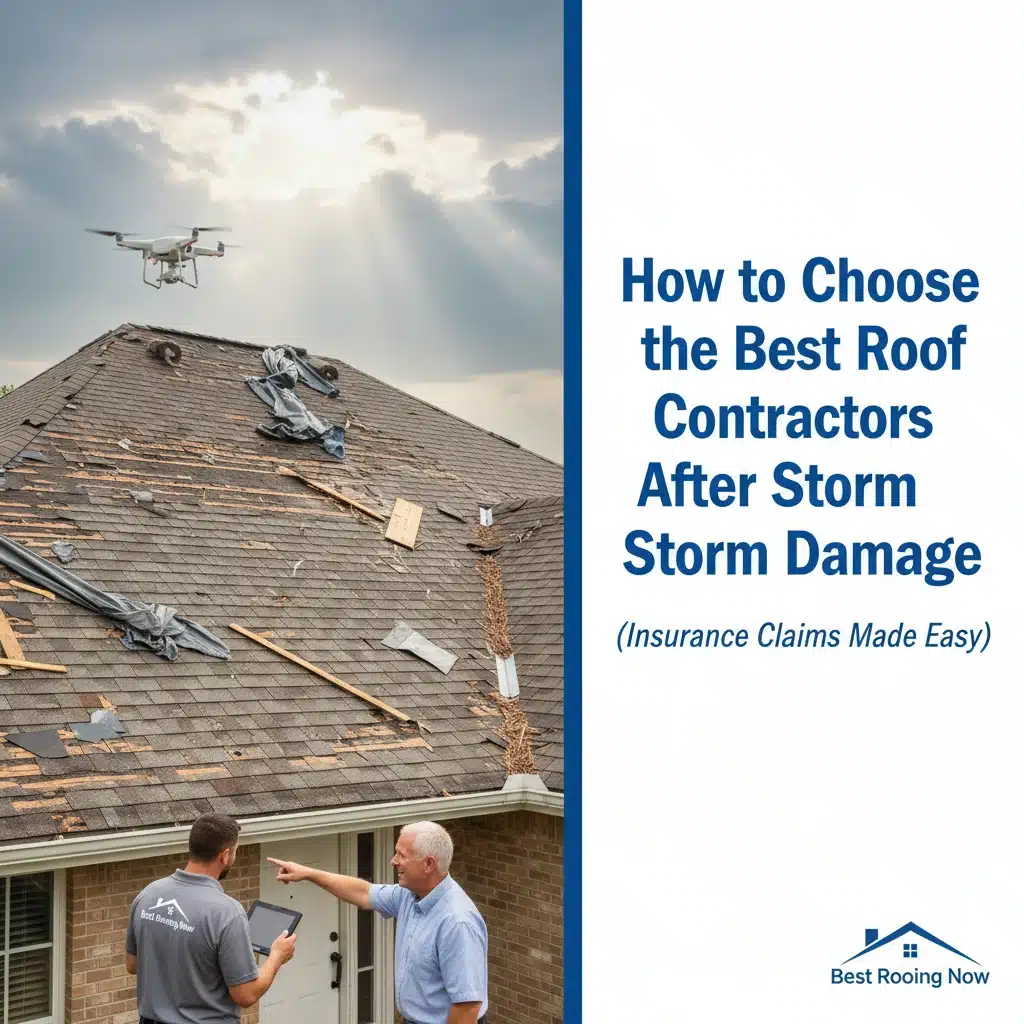
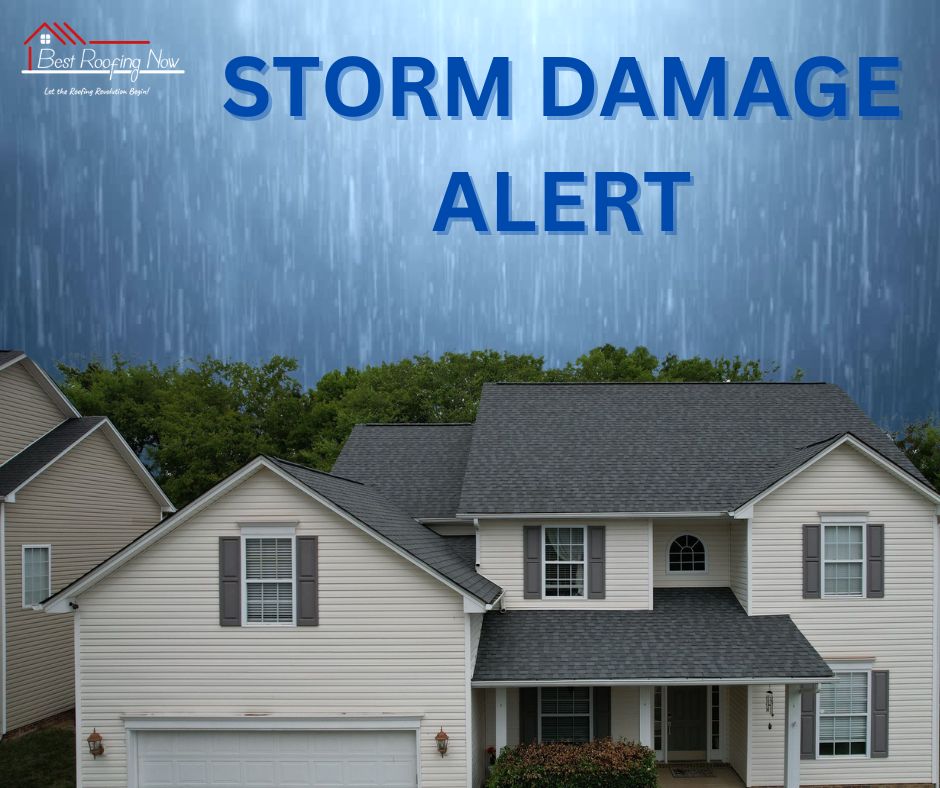
When a storm hits Charlotte, your roof takes a beating. Hail, wind, and falling trees can cause serious damage. After the storm passes, you face a big question: How do you find the right contractor to fix your roof?
Don't worry. We've helped hundreds of Charlotte homeowners through this exact situation. Here's everything you need to know about choosing the best contractor and working with your insurance company.
What Happens Right After Storm Damage
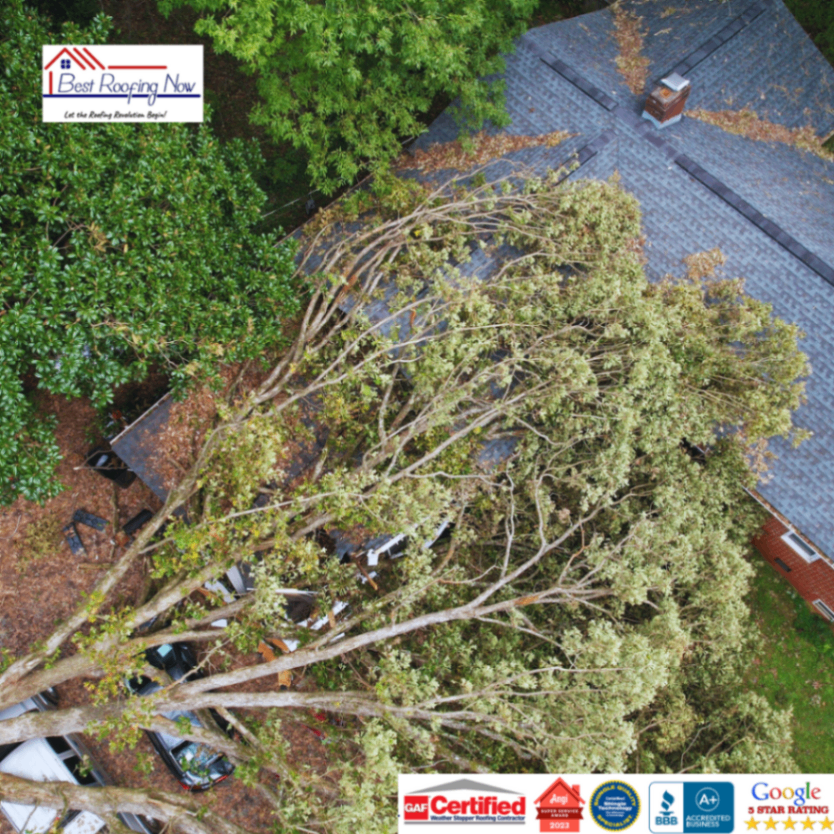
The minutes after a storm can feel overwhelming. Your roof might be leaking. Shingles could be scattered across your yard. Maybe a tree branch punched a hole in your roof.
Take a deep breath. You're going to get through this.
First, make sure everyone in your family is safe. If you have major damage like a hole in your roof, call for emergency repairs right away. But don't let anyone pressure you into signing a contract on the spot.
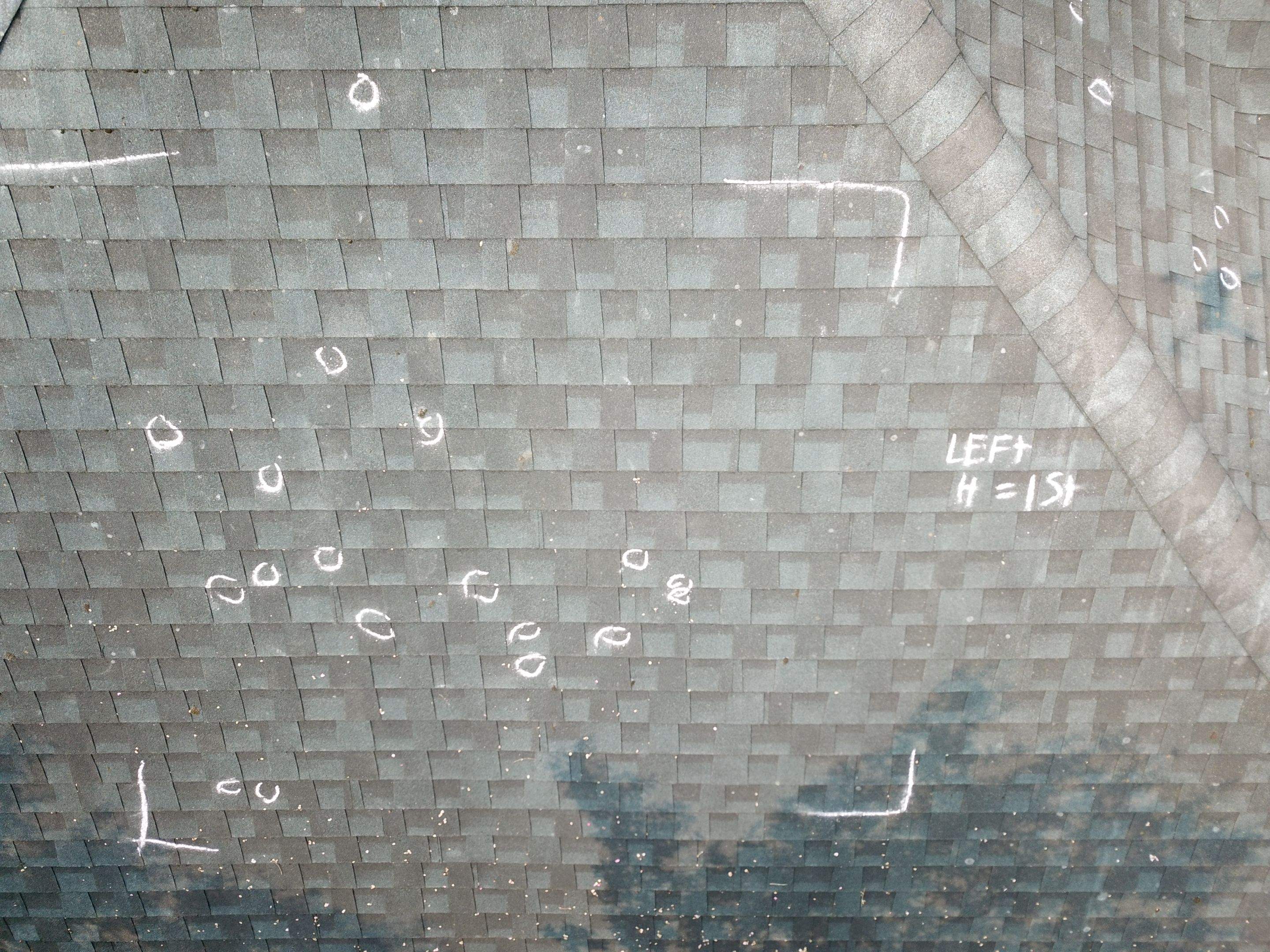
Your next step is to document everything. Take photos of all the damage you can see. This includes:
- Missing or broken shingles
- Dents in gutters
- Damaged flashing around chimneys
- Any holes or punctures
- Water damage inside your home
Save these photos. Your insurance company will need them later.
Step 1: Call Your Insurance Company First
Before you start looking for contractors, call your insurance company. Report the damage as soon as possible. Most insurance companies want you to report damage within a few days of the storm.
When you call, have this information ready:
- Your policy number
- The date of the storm
- A brief description of the damage
- Your contact information
The insurance company will send an adjuster to look at your roof. This person will decide how much damage there really is. They'll also estimate how much it will cost to fix.
But here's something important: You don't have to use the contractor your insurance company suggests. You can choose your own contractor. In fact, we recommend it.
Step 2: Start Looking for Contractors (The Right Way)
Now comes the big question: How do you find a good contractor?
Ask Your Neighbors
Start by talking to your neighbors. After a big storm in Charlotte, many homes get damaged. Your neighbors might have already found good contractors. They can tell you who did good work and who to avoid.
Check Online Reviews
Look up contractors on Google, Angie's List, and the Better Business Bureau. Read what other customers say about their work. Pay attention to recent reviews, especially from other Charlotte homeowners.
Get Referrals from Local Suppliers
Call roofing supply stores in Charlotte. Ask which contractors they work with most often. Good contractors buy materials from the same suppliers all the time. The suppliers know who pays their bills and does quality work.
Step 3: What to Look for in a Good Contractor
Not all contractors are created equal. Here's what separates the good ones from the rest:
Local and Established
Look for contractors who have been in Charlotte for at least five years. They understand local building codes. They know how Charlotte weather affects roofs. And they'll still be here if you need them later.
Avoid "storm chasers" – contractors who show up right after storms from out of state. They often do poor work and disappear when problems come up.
Proper Licenses and Insurance
Every contractor should have:
- A North Carolina contractor's license
- General liability insurance
- Workers' compensation insurance
Ask to see proof of all three. Don't take their word for it. A good contractor will gladly show you their paperwork.
Experience with Insurance Claims
Look for contractors who work with insurance companies regularly. They know how to document damage properly. They understand what insurance companies look for. This makes your claim process much smoother.
According to the National Roofing Contractors Association, "Contractors experienced in insurance work can often identify damage that homeowners miss, leading to more complete repairs and better claim settlements."
Written Estimates
Good contractors provide detailed written estimates. The estimate should include:
- Specific materials they'll use
- How long the work will take
- Total cost broken down by labor and materials
- Cleanup procedures
- Warranty information
Red Flags: Contractors to Avoid
Some contractors will try to take advantage of storm damage situations. Here are the warning signs:
Door-to-Door Sales
Be very careful of contractors who knock on your door right after a storm. They often use high-pressure sales tactics. Good contractors don't need to chase business this way.
Asking for Money Upfront
Never pay a large amount of money before work starts. In North Carolina, contractors can only ask for 10% down or $1,000, whichever is less. Anyone asking for more is breaking the law.
"We'll Handle Everything with Insurance"
Some contractors claim they'll handle all your insurance paperwork. While good contractors will help, you should always be involved in your own claim. Don't sign over your insurance check to anyone.
Prices That Seem Too Good
If one contractor's price is way lower than others, be suspicious. They might be cutting corners on materials or workmanship.
Step 4: Working with Your Insurance Adjuster
Your insurance adjuster will come to inspect your roof. This is a crucial step. Here's how to make it go smoothly:
Be There for the Inspection
Try to be home when the adjuster comes. You can point out damage and ask questions. If possible, have your chosen contractor there too. They can help explain technical issues.
Point Out All Damage
Don't assume the adjuster will find everything. Point out any damage you've noticed. This includes:
- Interior water damage
- Damaged gutters
- Loose flashing
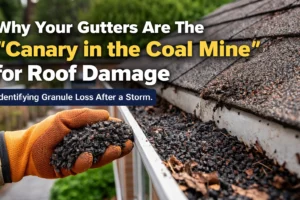
- Granule loss on shingles
Take Notes
Write down what the adjuster says. Ask for a copy of their report. This helps you understand what they're covering and what they're not.
Get a Second Opinion
If you think the adjuster missed damage, get a second opinion from your contractor. Sometimes adjusters don't climb on roofs or miss subtle damage.
Step 5: Getting and Comparing Estimates
Get estimates from at least three contractors. This gives you a good sense of what the work should cost. It also helps you spot any contractors who are way out of line.
When comparing estimates, don't just look at the total price. Look at:
Materials Quality
Are they using the same quality shingles? What about underlayment and flashing? Cheaper materials might save money upfront but cost more later.
Scope of Work
Does each contractor plan to do the same work? Some might include extras like gutter cleaning or minor siding repairs.
Timeline
How long will each contractor take? Faster isn't always better, but you don't want the job dragging on for months.
Warranty
What kind of warranty does each contractor offer? Good contractors typically offer both material warranties (from manufacturers) and workmanship warranties.
Step 6: Understanding Insurance Settlements
Once the adjuster finishes their inspection, your insurance company will send you a settlement letter. This explains how much they'll pay for repairs.
The settlement usually comes in two parts:
Actual Cash Value (ACV)
This is what you get first. It's the replacement cost minus depreciation. For example, if your roof is 10 years old, they'll subtract for those 10 years of wear.
Recoverable Depreciation
You get this after repairs are complete. You'll need to submit proof that the work was done and paid for.
What If the Settlement Seems Low?
If you think the insurance company didn't cover enough, you have options:
- Submit additional documentation of damage
- Get a second opinion from another contractor
- Ask your contractor to help negotiate with the insurance company
- Hire a public adjuster if the claim is large enough
Step 7: Making Your Final Choice
Now you need to choose your contractor. Price is important, but it shouldn't be the only factor. Consider:
Communication
Did they return your calls promptly? Did they explain things clearly? Good communication during the estimate process usually means good communication during the job.
References
Ask for recent references and actually call them. Ask about the quality of work, cleanup, and whether they'd hire the contractor again.
Your Gut Feeling
Sometimes you just get a good (or bad) feeling about someone. Trust your instincts.
Step 8: Before Work Begins
Once you choose a contractor, there are a few more important steps:
Read the Contract Carefully
The contract should spell out exactly what work will be done. It should include:
- Start and completion dates
- Materials specifications
- Payment schedule
- Change order procedures
- Warranty terms
- Cleanup responsibilities
Check Permits
Your contractor should handle getting any necessary permits. In Charlotte, most roof replacements need permits. Make sure this is taken care of before work starts.
Plan for Disruption
Roof work is noisy and messy. Plan accordingly:
- Move cars away from the house
- Cover outdoor furniture
- Warn neighbors about the work
- Make arrangements for pets
What to Expect During Repairs
Good contractors will keep you informed throughout the process. Here's what usually happens:
Day 1: Preparation
The crew will set up equipment and protect your landscaping. They'll cover plants and move outdoor items.
Day 2-3: Tear-Off and Installation
They'll remove old materials and install new roofing. This is the messiest part. Expect noise from early morning to late afternoon.
Final Day: Cleanup and Inspection
Good contractors clean up thoroughly. They'll walk around your property with a magnet to pick up nails. They should also do a final inspection with you.
Red Flags During Construction
Even good contractors sometimes have problems. But watch out for these warning signs:
Poor Cleanup
If the crew isn't cleaning up each day, that's a problem. Nails and debris are safety hazards.
Requesting More Money
If the contractor asks for more money before finishing the work, be careful. Additional costs should be explained and approved beforehand.
Rushing the Job
If the crew seems to be rushing or cutting corners, speak up. Quality work takes time.
After the Work Is Done
Once your roof is complete, there are a few final steps:
Do a Final Walkthrough
Walk around your property with the contractor. Look for any damage or cleanup issues. Don't make final payment until you're satisfied.
Get Your Warranty Information
Make sure you get warranty information for both materials and workmanship. File these documents somewhere safe.
Submit Final Paperwork to Insurance
Send your insurance company proof that the work was completed. This triggers payment of any remaining depreciation.
Leave a Review
If you're happy with the work, leave an online review. This helps other Charlotte homeowners find good contractors.
Special Considerations for Charlotte Weather
Charlotte's weather creates unique challenges for roofs:
Summer Storms
Charlotte gets hit with severe thunderstorms and occasional hurricanes. These can cause sudden, severe damage. Have your contractor's contact information handy during storm season.
Winter Ice
We don't get much snow, but ice storms can damage roofs. Ice dams and ice buildup can cause leaks and structural damage.
Year-Round Humidity
Charlotte's humidity can lead to mold and mildew problems if roof damage isn't fixed quickly. Don't delay repairs, even for small leaks.
The Lake Norman Area Difference
If you live in the Lake Norman area, you might face additional challenges:
Higher Wind Exposure
Homes near the lake often face stronger winds. This can cause more severe storm damage.
HOA Requirements
Many Lake Norman communities have strict rules about roofing materials and colors. Make sure your contractor understands these requirements.
Higher Property Values
Lake Norman homes typically have higher values. This makes quality workmanship even more important for maintaining your investment.
When to Get a Second Opinion
Sometimes you might want another contractor to look at your roof before making a decision:
If Damage Seems Minimal
If the adjuster says there's little damage but you think there's more, get a second opinion.
If Estimates Vary Widely
If one estimate is much higher or lower than others, have another contractor take a look.
If You're Unsure About Necessity
If you're not sure whether you really need a full roof replacement, get another professional opinion.
Cost Expectations for Charlotte Area
Roof repair costs in Charlotte vary based on several factors:
Size of Damage
Small repairs might cost $500-$2,000. Full roof replacements typically range from $8,000-$20,000+ depending on size and materials.
Material Choices
Basic asphalt shingles are most affordable. Premium materials like architectural shingles or metal roofing cost more but last longer.
Complexity
Simple roofs cost less than complex roofs with multiple levels, skylights, or chimneys.
Remember: The cheapest option isn't always the best value. Focus on getting quality work that will protect your home for years to come.
Final Tips for Success
Here are our most important tips for choosing a contractor after storm damage:
✅ Take your time. Don't rush into a decision, even if you have damage.
✅ Get everything in writing. Verbal agreements cause problems later.
✅ Stay involved. Don't just hand over control to contractors or insurance companies.
✅ Trust your instincts. If something doesn't feel right, investigate further.
✅ Plan for the unexpected. Sometimes additional damage is discovered once work begins.
According to roofing industry expert Tom Bollnow from the Roofing Contractors Association of Texas, "The most successful insurance claims happen when homeowners work with experienced local contractors who understand both the technical aspects of roofing and the insurance process."
Your Next Step
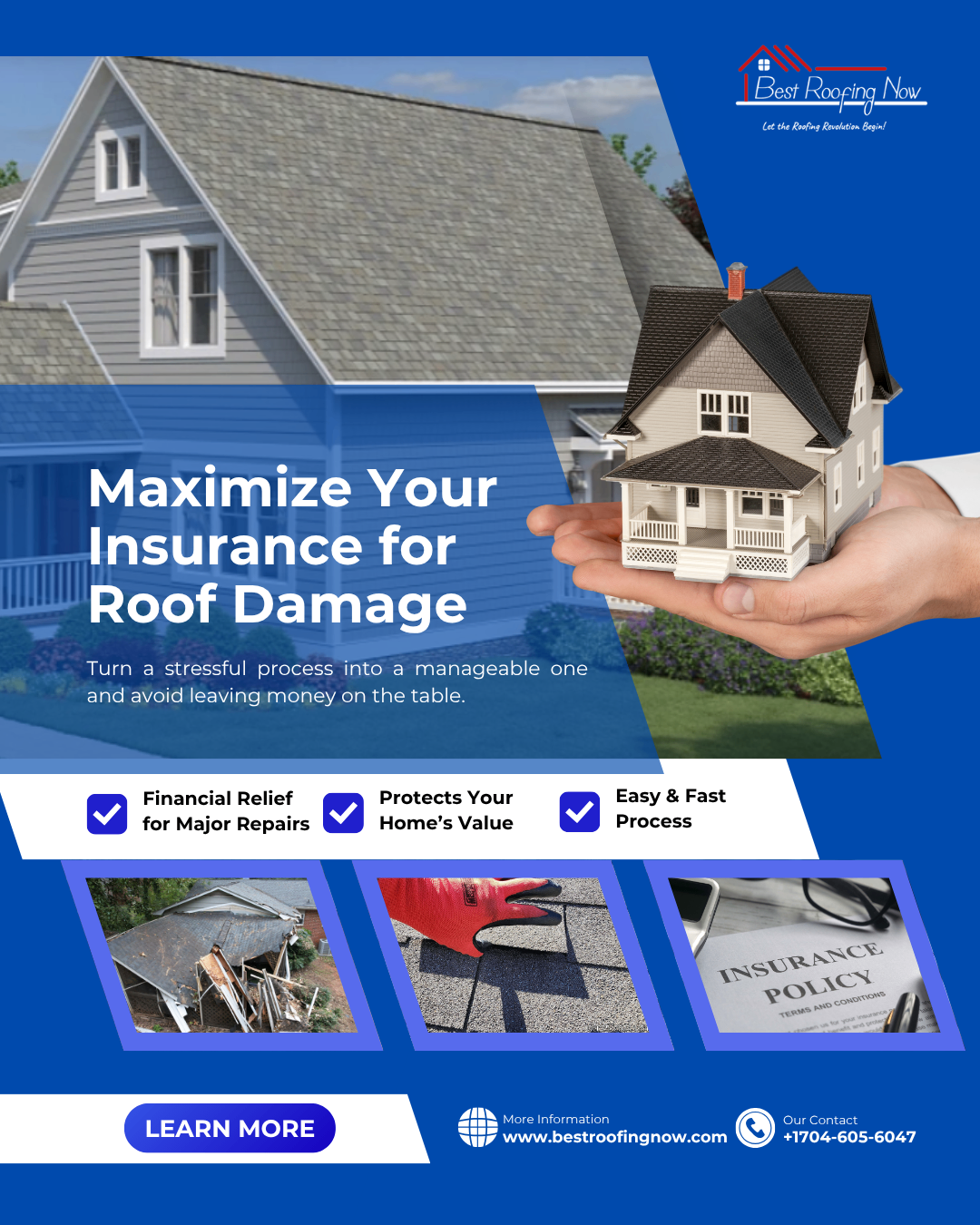
Storm damage can feel overwhelming. But with the right contractor and approach, you can get your roof fixed properly and your insurance claim handled smoothly.
At Best Roofing Now, we've helped hundreds of Charlotte and Lake Norman homeowners navigate this exact situation. We work directly with insurance companies. We document damage thoroughly. And we stand behind our work with strong warranties.
If your roof was damaged in a recent storm, don't wait. Contact us today for a free inspection and estimate. We'll help you understand your damage, work with your insurance company, and get your roof restored to better-than-new condition.
Call us now at (704) 774-9474 or visit cms.bestroofingnow.com to schedule your free storm damage inspection.
The sooner you act, the sooner you can get back to normal. Your home and family deserve the best protection. Let us help you get it.