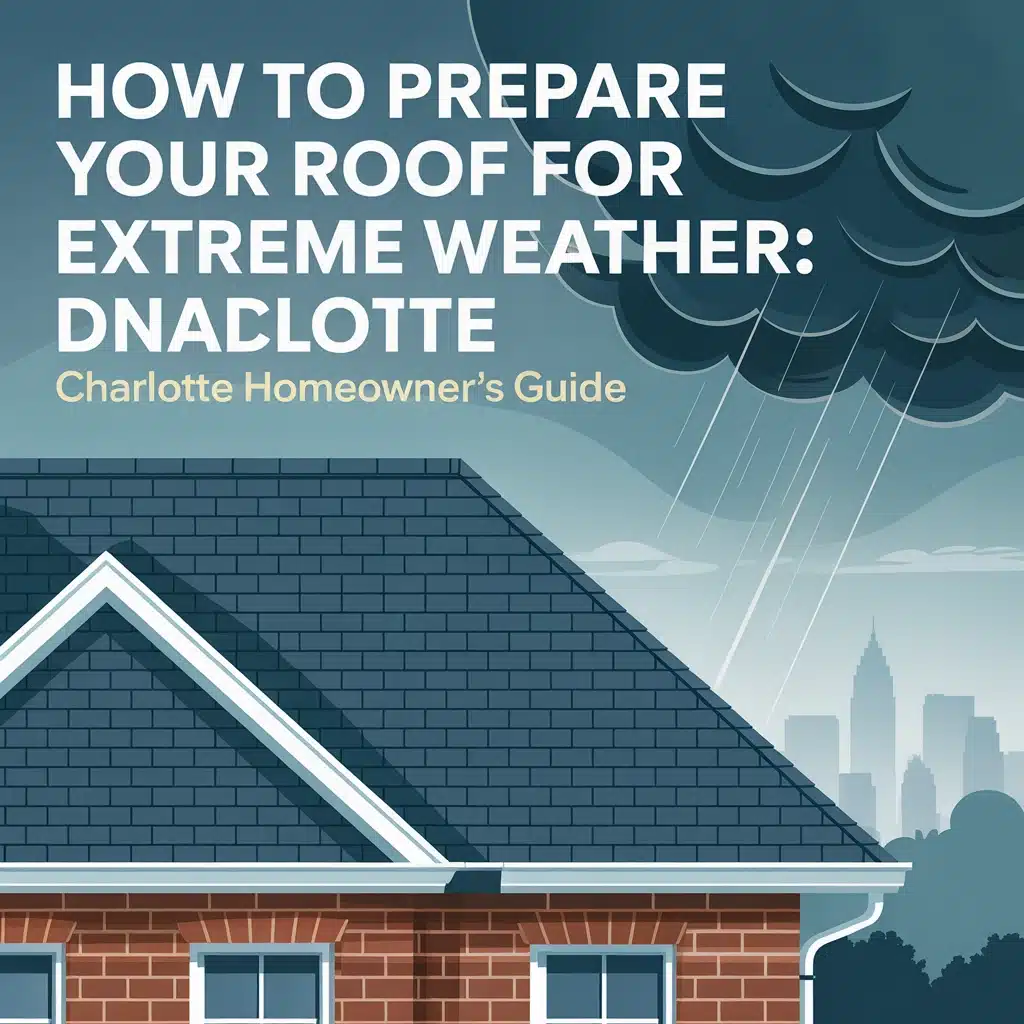
Charlotte weather can be pretty unpredictable. One minute it’s blazing hot, the next minute you’re hit with a stiff wind or a pop-up thunderstorm. Your roof is your home’s first defense, but only if it’s ready for everything our climate brings. Here’s a practical guide to prepping your roof for both sizzling summers and occasional winter freezes—plus what you can do to stay ahead of potential issues.
Understand Charlotte’s Weather Patterns
In Charlotte, we typically face the following from Mother Nature:
- Sweltering heat (especially late spring through early fall)
- Sudden thunderstorms and high winds
- Hail storms
- Rare, but sometimes severe, ice and cold snaps in winter
All these can take a toll on your roofing materials and drainage systems over time.
“The best time to prepare your roof for a storm isn’t right before one—it’s months ahead, when the sky’s blue and clear.”
Why Preventive Maintenance Matters
Small issues rarely stay small. Loose shingles, blocked gutters, or hidden leaks can all become major sources of damage if neglected, especially when severe weather strikes. The cost of regular inspections and basic upkeep is so much lower than an urgent roof repair after a storm.
1. Clean and Maintain Your Gutters
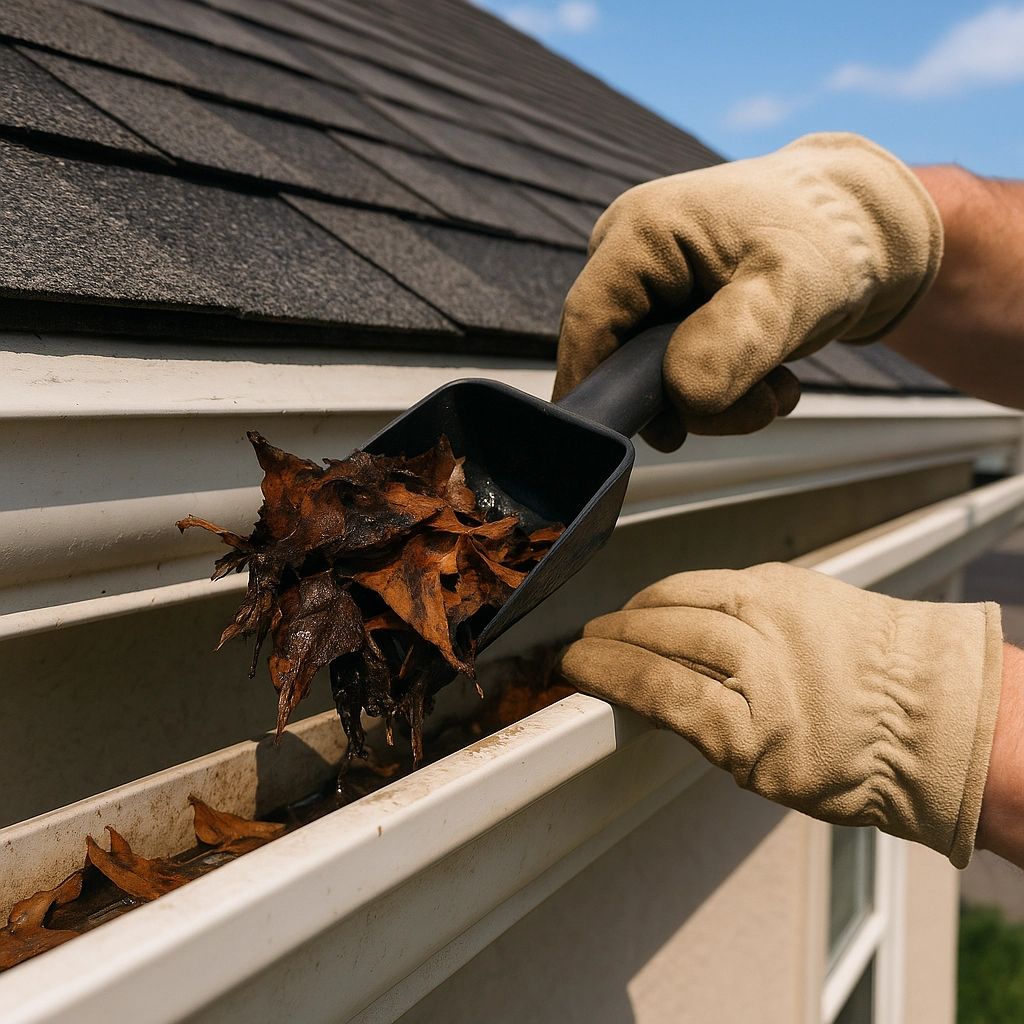
Clogged gutters top the list for roof-related disaster starters. When leaves and debris build up, water has nowhere to go. Instead, it pools up, backs under your shingles, seeps down your walls, and eventually threatens your foundation.
Best practices:
- Clean gutters at least 2–4 times a year, especially after heavy storms or when trees shed their leaves.
- Check downspouts for blockages and ensure water is directed away from the home.
- Consider installing gutter guards if debris is a constant problem.
A realistic, close-up image of hands or a tool cleaning out a gutter can help visualize what this process looks like. If you want professional help, it’s just as easy to reach out—visit our gutter services page.
2. Trim Overhanging Tree Limbs
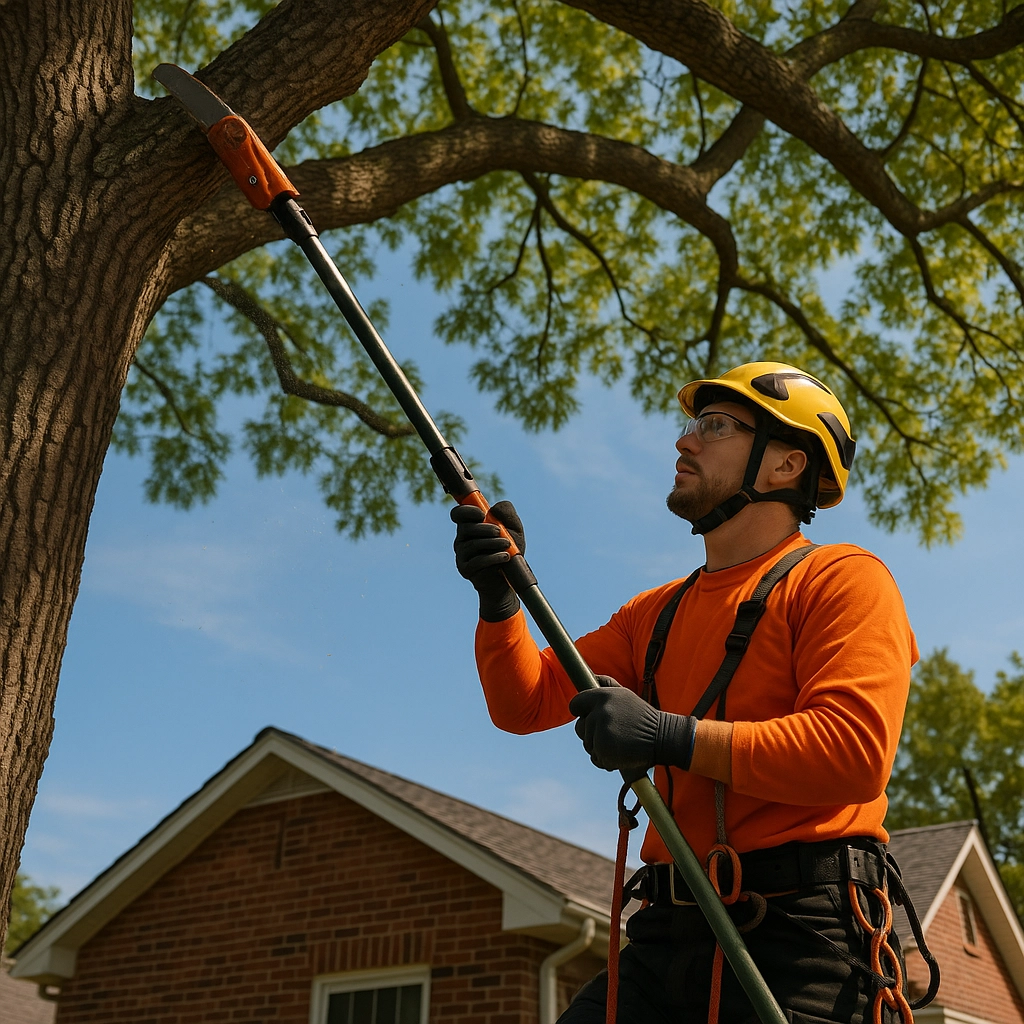
While a bit of shade is always welcome during a North Carolina summer, low-hanging branches can spell trouble. Strong winds or ice storms snap branches, and falling debris can puncture shingles or load your gutters with extra leaves and twigs. To prevent this:
- Keep at least a 10-foot gap between your roof and any tree branches.
- Trim branches before storm season hits hard.
- Hire an arborist for big or tricky jobs (safety first!).
3. Check for Loose or Damaged Shingles
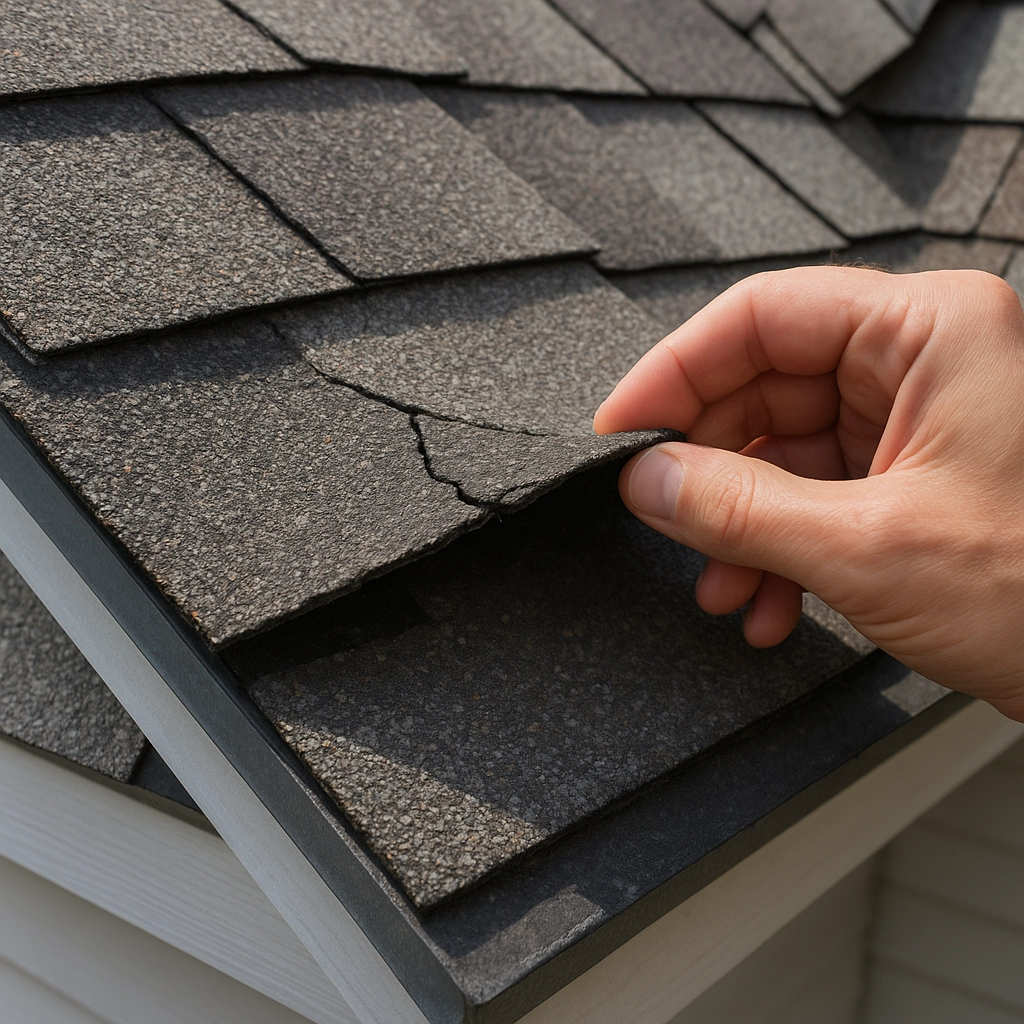
After any big storm or each season change, do a quick walkaround. Are there curled, cracked, or missing shingles? Is the flashing around vents or chimneys loose? These are classic entry points for leaks.
If you spot any issues:
- Replace damaged shingles ASAP.
- Use roofing cement or a tarp as a temporary fix until you can get a pro out.
- For complex problems or anything high up, play it safe and book a free roof inspection with our team.
“It’s better to catch problems early—even a single cracked shingle can eventually mean thousands in repairs if left unchecked.”
4. Insulate and Ventilate
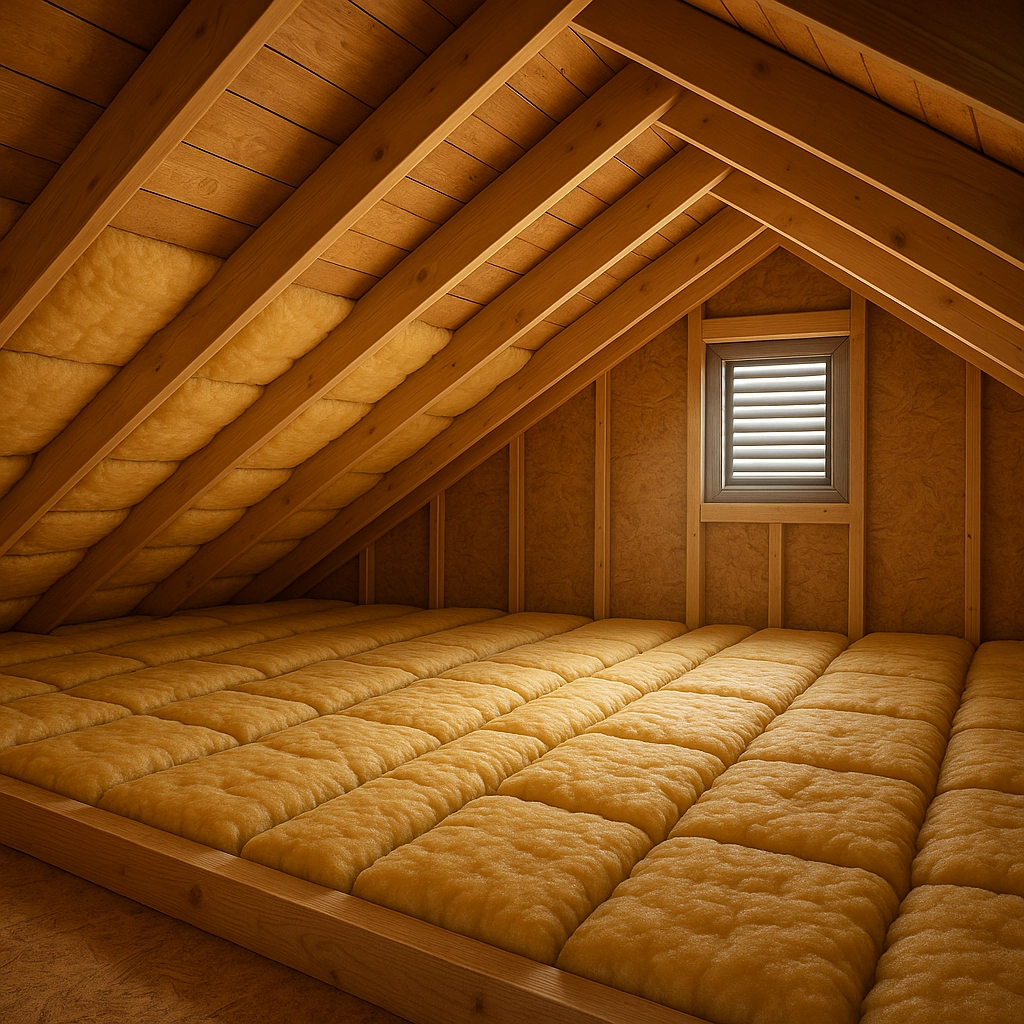
It’s not just the outside of your roof that matters. Good insulation and ventilation in your attic prevent heat from building up beneath your roof in the summer and help avoid ice damming in rare cold snaps.
- Have your attic insulation checked—especially before extreme weather seasons.
- Make sure vents aren’t blocked and air can flow freely.
- Consider attic fans for extra airflow during our hot months.
5. Upgrade Roof Materials for the Local Climate
If you’re replacing your roof or upgrading, think about what will stand up best to Charlotte’s weather:
- Impact-resistant shingles: These are specifically designed to handle hail and wind-driven debris.
- Reflective roofing materials or coatings: Great for minimizing heat absorption and keeping cooling bills down.
- Metal roofing: Long-lasting and energy efficient—perfect for handling both heat and stormy weather.
If you want some color inspiration, check out our CertainTeed Landmark options—homeowners love the choices (and the curb appeal upgrades).
6. Schedule Regular Roof Inspections

Even with all the DIY work you can do, there’s nothing better than a professional eye on your roof. We recommend:
- At least one inspection a year—preferably right before hurricane or winter storm season.
- Extra checks after major weather events or before selling your home.
A thorough inspection covers everything you can’t see from the ground, like damaged decking, hidden leaks, or deteriorating flashing.
7. Keep a Storm Preparedness Plan
Storms can sneak up fast. Prep now by:
- Taking photos of your roof and property pre-storm (for insurance claims)
- Keeping emergency repair contacts handy (like Best Roofing Now!)
- Knowing how to safely tarp a roof or where to turn off water if leaks develop
If severe damage does occur, call in a professional right away—don’t risk it on the ladder yourself during or after a storm.
Get Your Roof Ready With Best Roofing Now
Proactive care is the best defense against Charlotte’s wild weather swings. Regular inspections, good maintenance habits, and a few smart upgrades will keep your roof going strong for decades. If you’d like a free inspection, or just want to talk more about ways to weatherproof your home, give us a shout at Best Roofing Now.
Stay safe, stay dry, and let’s keep your roof ready for whatever the forecast brings!