Charlotte weather can throw just about anything at you—from blistering summer heat to torrential rain and wild storms. Your roof’s got the tough job of standing up to it all. Here’s a reliable homeowner’s guide with real-life tips to keep your roof strong, no matter what the forecast says.
Weatherproofing Starts with the Basics
Let’s talk about the foundation: a solid, weatherproof roof is built in layers.
Add a Quality Waterproof Barrier
Before shingles or tiles are even installed, pros lay down a waterproof underlayment. This is like your roof’s backup raincoat, keeping out moisture even if shingles are damaged in a storm. Bituminous roofing systems, torch-on membranes, and roll roofing are all excellent options, especially for low-slope roofs.
Install the Right Underlayment
Don’t cut corners here—it’s the hidden hero protecting you from leaks after heavy rains or wind-driven storms.
Gutter Cleaning: The Unsung Hero
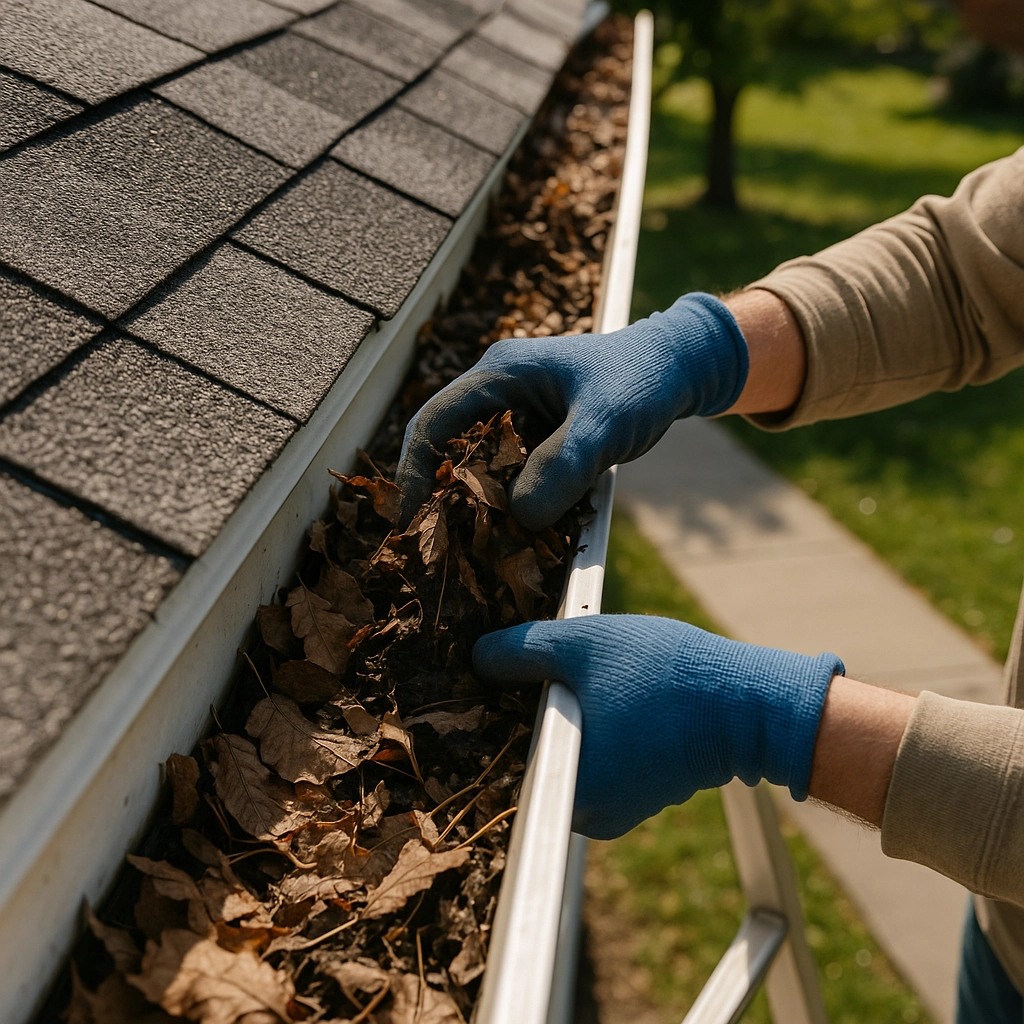
Clogged gutters mean trouble, especially when storms hit. Leaves and debris prevent water from draining, causing it to pool up under shingles or overflow down your siding and into your foundation. The fix is simple but key:
- Clean gutters twice a year, and more if you have tree cover
- Check for sagging, leaks, or any spots where gutters pull away from the house
- Test downspouts—water should flow away from your home, not pool at the foundation
“Clean gutters are a roof’s best friend when storms hit”—as we like to say here at Best Roofing Now.
Inspect and Repair—Prevention Saves $$$
Major problems start small. That’s why a careful visual inspection makes a huge difference.
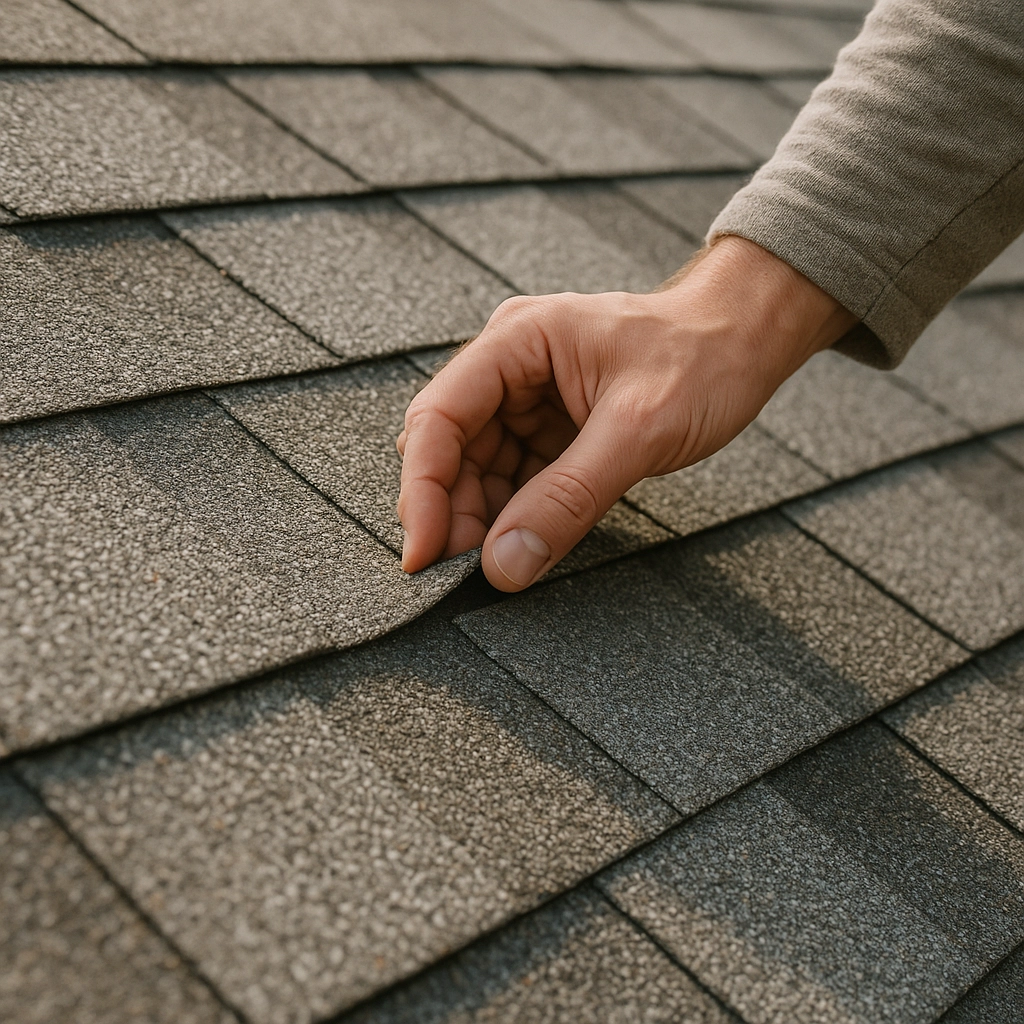
- Look for missing, cracked, or curling shingles (heat and wind are common culprits)
- Check flashing around chimneys, skylights, and valleys for rust or gaps
- Notice dark stains or “soft spots” in the attic? That could mean unseen leaks
- Check for moss or algae, which trap moisture and shorten roof life
If you spot anything off, schedule a repair now—not a week before hurricane season kicks off.
Attic Ventilation & Insulation—Critical for Heat and Rain
Balanced Ventilation
Extreme heat isn’t just uncomfortable—it cooks your shingles from the inside out. Proper attic ventilation (intake and exhaust vents) lets hot air escape, reducing cooling costs and extending shingle life.
Solid Insulation
Good insulation slows the transfer of outdoor heat into your house in summer and traps warmth during winter. It also keeps moisture from forming inside your attic, preventing mold and rot after heavy rain.
Choosing the Right Roofing Materials
The truth? Not all roofs handle weather the same. Here’s what works best for North Carolina’s extremes:
- Architectural shingles: Thicker and more durable than basic 3-tab shingles, better at resisting heat and wind
- Impact-resistant (polymer-modified) shingles: Stand up to hail and flying debris—many insurers offer discounts for these
- Metal roofing: Reflects sunlight, sheds rain, and won’t warp in the heat. Plus, it’s virtually fireproof.
- Clay or concrete tiles: If your style allows, these handle the heat and resist rot better than wood or basic asphalt
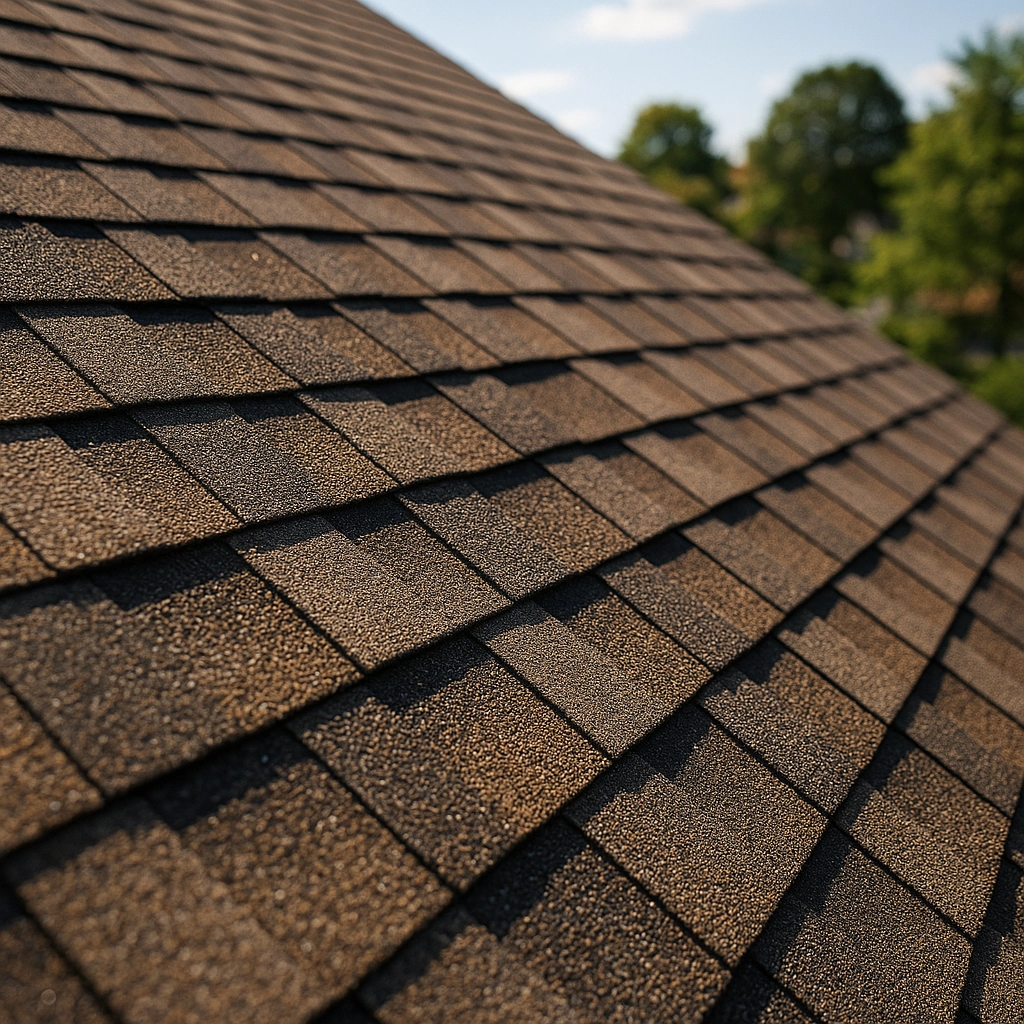
Shield Against Heavy Rain
North Carolina storms can dump a month’s rain in one night. Here’s how to keep it outside:
- Install ice and water barriers: These waterproof membranes stick to roof decking and seal around nails, blocking leaks at the most vulnerable spots
- Upgrade your flashing: High-quality flashing is the front line for keeping water out around chimneys, vents, and skylights
- Secondary water barriers: If the main roof layer fails, a backup barrier adds peace of mind during big storms
Guard Against High Winds and Storms
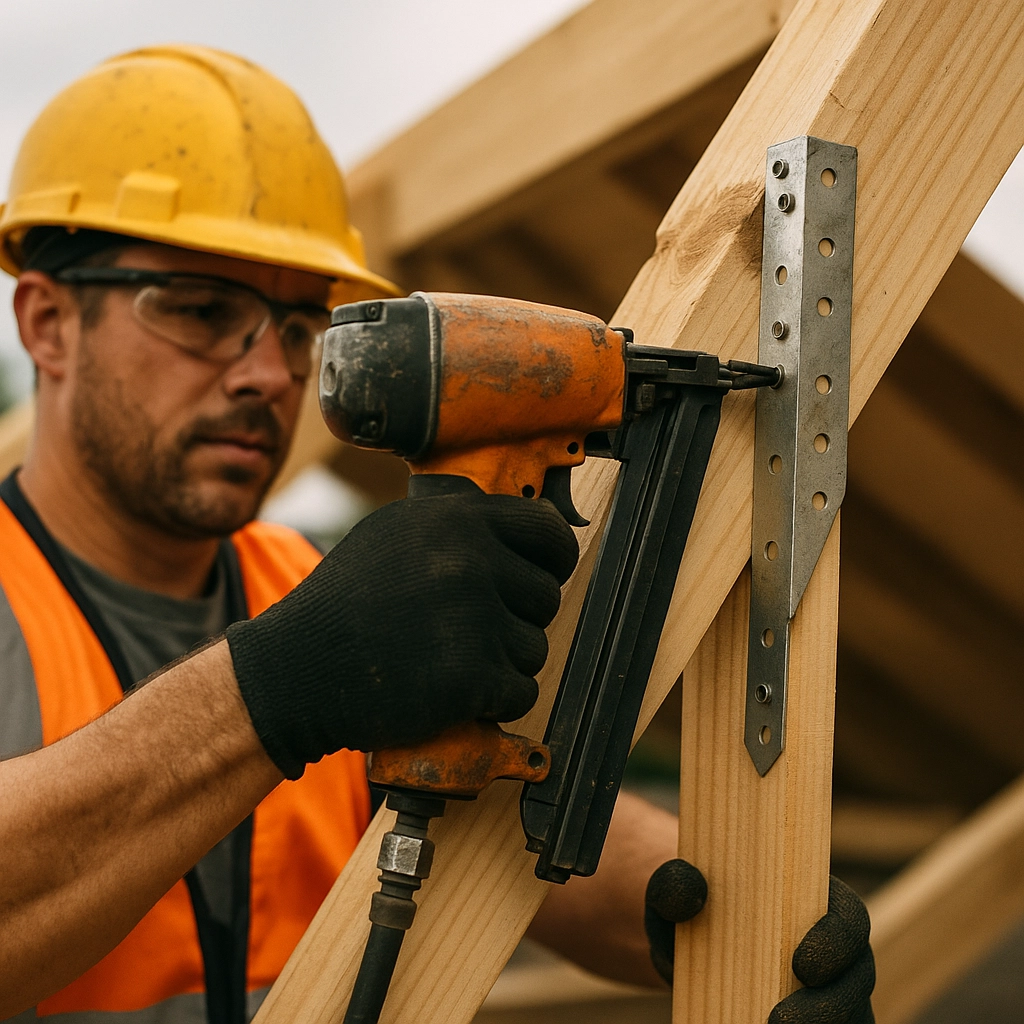
- Hurricane straps or ties: Metal connectors from roof to wall provide serious wind resistance
- Extra nailing: Six nails per shingle is standard for high-wind zones—it really does help shingles hang tight
- Trim trees: Overhanging limbs can snap onto your roof or dump debris in your gutters during storms
“A little prevention now beats a lot of patchwork later.”
Regular Maintenance Makes the Difference
None of these steps will matter if you let small issues go unchecked. Get a pro on your side:
- Schedule a professional roof inspection once a year, especially before hurricane season
- Clean those gutters (again!) before big storms
- Don’t ignore tiny leaks or shingle damage—a $200 repair now could save thousands on water damage later
“The best time to fix your roof is before it leaks—not after.”
Ready for Any Weather? Get Peace of Mind.
Your home’s safety starts with the roof, and the roof’s safety starts with you. If you want real peace of mind before the next heat wave, thunderstorm, or windy Carolina day, give Best Roofing Now a call for a free inspection. Our experienced crew will make sure you’re ready for whatever weather blows your way.
Want to learn more? Visit our roofing services or gutter solutions pages for info, or check out more helpful tips on our blog.
Stay cool, stay dry, and stay safe—your roof (and your wallet) will thank you.