Your roof works hard. It takes a beating from summer heat, spring storms, and winter ice. And here in Charlotte and Lake Norman, our weather doesn't go easy on roofs.
The good news? Most roof problems start small. A tiny leak. A few missing granules. A little crack in the flashing. These issues are cheap to fix when you catch them early.
But wait too long? That's when things get expensive. A $300 repair can turn into a $10,000 replacement. Trust me: I've seen it happen more times than I can count.
This guide will show you exactly what to look for. You don't need special tools. You don't need to climb on your roof. And you don't need to be a roofing expert.
Let's make sure you catch problems before they drain your wallet.
Why Early Detection Saves You Thousands
Here's a simple truth: water is sneaky. It finds the smallest opening and works its way inside. Once it gets under your shingles, it starts rotting the wood beneath. That rot spreads. It weakens your roof deck. It can even damage your attic insulation and ceiling drywall.
The National Roofing Contractors Association puts it this way: "Proactive maintenance and early detection of roof issues can extend roof life by up to 50% and reduce lifetime repair costs significantly."
Think about that. Catching a problem early could double how long your roof lasts. That's real money saved.
In the Charlotte area, we deal with heavy rain, high humidity, and the occasional hail storm. Lake Norman homes face their own challenges with moisture from the lake. These conditions speed up wear and tear on your roof.
A quick inspection every few months can save you from nasty surprises. And it only takes about 15 minutes.

Exterior Signs You Can Spot From the Ground
You don't need a ladder to check your roof. In fact, I recommend staying on the ground for safety. Grab a pair of binoculars if you have them. Walk around your home and look up.
Here's what to watch for:
Missing or Damaged Shingles
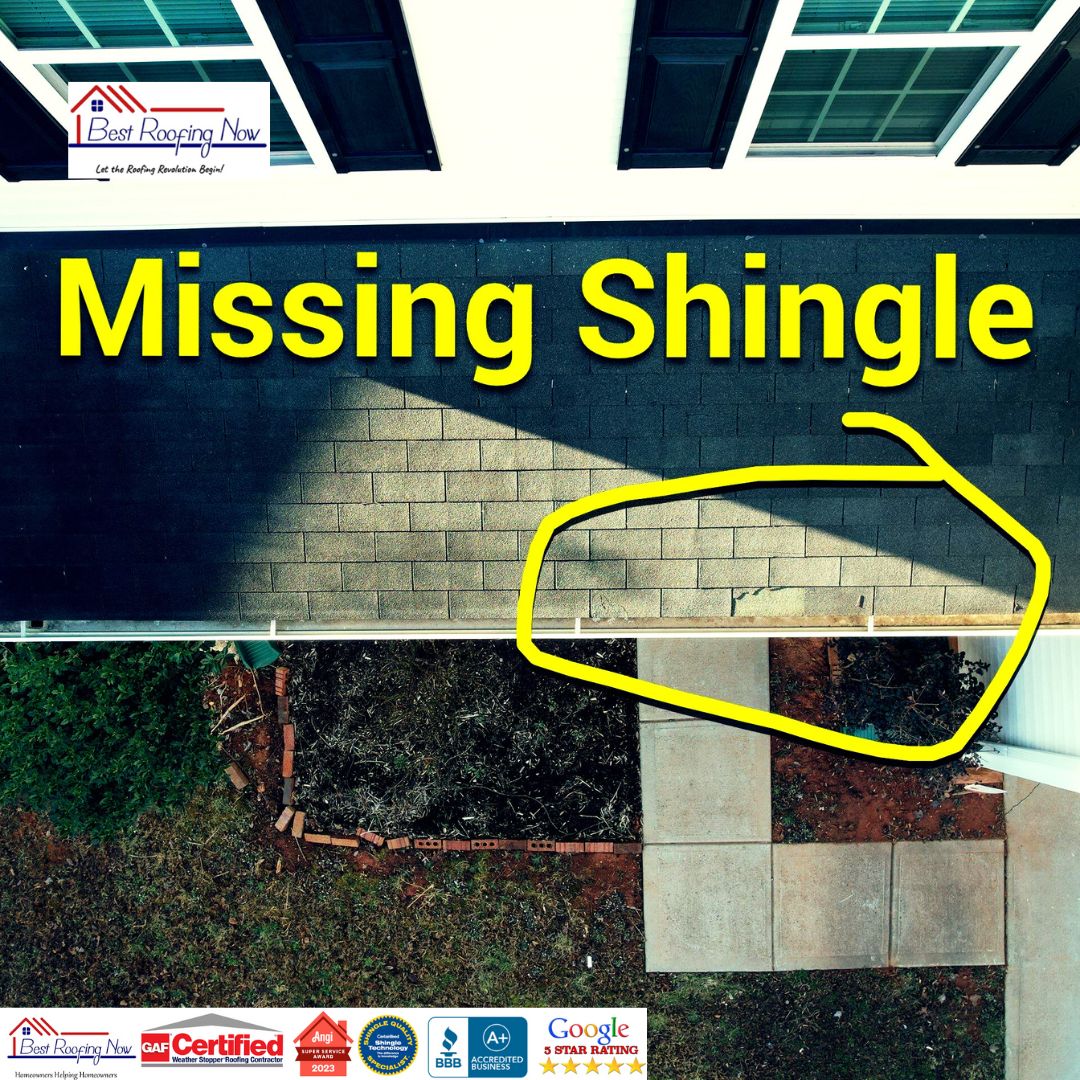
This one's easy to spot. Look for gaps where shingles should be. Check for shingles that look cracked, curled, or buckled at the edges.
Missing shingles leave your roof exposed. Water gets in. The underlayment (that's the protective layer under your shingles) starts to break down. Before long, you've got leaks.
Charlotte's summer storms can rip shingles right off. High winds are a common culprit. If you notice bare spots after a storm, call for an inspection right away.
Granule Loss on Asphalt Shingles
Asphalt shingles have tiny granules on top. They look like sand. These granules protect your shingles from UV rays and weather damage.
Over time, granules wear off. You'll find them in your gutters. They pile up around your downspouts. If you see a lot of granules, your shingles are losing their protection.
Some granule loss is normal on newer roofs. But if your roof is a few years old and you're seeing heavy granule buildup, that's a warning sign. The shingles may need replacing soon.
Flashing Problems
Flashing is the metal trim around chimneys, vents, and skylights. It seals the gaps where your roof meets these features.
Look for flashing that's:
- Rusty or corroded
- Pulling away from the roof surface
- Missing pieces
- Has cracked sealant around the edges
Flashing failures cause a huge percentage of roof leaks. And the fix is usually pretty simple when caught early. Wait too long, and water damage can spread into your home's structure.
Sagging Rooflines
Stand back and look at your roofline. It should be straight. If you see dips, curves, or sags, that's a red flag.
Sagging means something structural is wrong. Water may have damaged the roof deck. Or the support beams might be compromised. This needs professional attention fast.
Moss, Mold, or Algae Growth
Those green or black streaks on your roof aren't just ugly. They're trouble.
Moss traps moisture against your shingles. That moisture seeps underneath and causes rot. Mold and algae do similar damage over time.
Lake Norman homes deal with this a lot. The humidity from the lake creates perfect conditions for growth. If you see green patches, schedule a cleaning before the problem spreads.
Interior Warning Signs That Point to Roof Damage
Sometimes the first sign of roof trouble shows up inside your home. Here's what to look for:
Water Stains on Ceilings and Walls
Yellow or brown spots on your ceiling? That's often a roof leak. The stain might appear far from the actual leak point. Water travels along rafters before dripping down.
Check the ceilings in your top floor rooms. Look at walls near the attic. Any discoloration deserves investigation.
Peeling Paint or Bubbling Drywall
When moisture gets trapped in your walls or ceiling, paint starts to peel. Drywall bubbles and warps. These are signs that water is getting in somewhere: and the roof is a likely culprit.
Musty Odors in the Attic
That damp, musty smell means moisture is present. Even if you don't see visible water, the smell tells you something's wrong. Mold could be growing in hidden spots.
Light Coming Through the Roof
Go into your attic on a sunny day. Turn off the lights. Look up at the roof deck. Do you see daylight peeking through?
If light can get in, so can water. Those gaps need sealing.
Wet or Damaged Insulation
Your attic insulation should be dry and fluffy. If it's matted down, wet, or discolored, moisture is getting in. Wet insulation loses its effectiveness. Your energy bills go up. And the moisture keeps causing damage.
A Simple Inspection Routine Anyone Can Follow
You don't need to be a pro to check your roof regularly. Here's a quick routine that takes about 15 minutes:
Monthly (from the ground):
- Walk around your home and look at the roof from all angles
- Check gutters and downspouts for debris and granule buildup
- Look at visible flashing around chimneys and vents
After Every Storm:
- Do a quick visual check for missing or damaged shingles
- Look for debris on the roof
- Check for fallen tree branches nearby
Twice a Year (spring and fall):
- Inspect your attic for signs of moisture
- Clean your gutters thoroughly
- Check soffit and fascia boards for damage
Pro tip: Take photos during each inspection. This helps you notice changes over time. It's also useful documentation if you ever need to file an insurance claim.

What Charlotte and Lake Norman Weather Does to Your Roof
Our local climate is tough on roofs. Here's what you're dealing with:
Summer Heat: North Carolina summers push temperatures into the 90s regularly. That heat makes shingles expand. It bakes the oils out of asphalt. Over time, shingles become brittle and crack more easily.
Spring Storms: April and May bring heavy rain and wind. These storms knock shingles loose and test your flashing. The transition from cool to warm weather also causes materials to expand and contract.
Winter Ice: We don't get as much snow as up north. But ice storms hit Charlotte and Lake Norman. Ice dams form when snow melts and refreezes at the roof edge. That trapped water backs up under shingles.
Humidity: Lake Norman creates a humid environment year-round. That moisture encourages moss and algae growth. It also speeds up deterioration of wood components.
Understanding these challenges helps you know what to watch for. After an ice storm, check your gutters for damage. After heavy rain, look inside for water stains. After summer heat waves, inspect for cracked or curled shingles.
The Real Cost of Waiting Too Long
Let me break down the numbers for you.
A minor shingle repair might cost $150 to $400. Fixing damaged flashing runs about $200 to $500. These are small investments to protect your home.
But if that leak goes undetected for a year? Now you're looking at:
- Damaged roof decking: $1,000 to $3,000
- Mold remediation: $1,500 to $5,000
- Water-damaged insulation replacement: $500 to $2,000
- Ceiling and drywall repairs: $300 to $1,500
Add those up. A problem that could have been fixed for $300 just cost you $5,000 or more.
And if the damage is severe enough? A full roof replacement in the Charlotte area typically runs $8,000 to $20,000 depending on roof size and materials.
Early detection isn't just about saving hassle. It's about protecting your bank account.

When to Call a Professional
Some things you can spot yourself. But certain situations call for expert eyes.
Call a roofing professional when:
⚠️ You see visible sagging in your roofline
⚠️ Water stains appear suddenly after a storm
⚠️ You find extensive shingle damage across multiple areas
⚠️ Your roof is over 15 years old and showing wear
⚠️ You're buying or selling a home and need a thorough inspection
⚠️ You notice repeated leaks in the same spot
A professional inspection catches things you might miss. Roofers know where problems hide. They can check areas that aren't safe for homeowners to access.
Most reputable roofing companies offer free inspections. We certainly do at Best Roofing Now. There's no cost to have an expert take a look and give you peace of mind.
Protect Your Investment With Regular Attention
Your roof is one of the most valuable parts of your home. It protects everything underneath it. Your family. Your belongings. Your comfort.
A few minutes of attention each month makes a big difference. You'll catch small problems before they grow. You'll save money on repairs. And you'll sleep better knowing your home is protected.
Here in Charlotte and Lake Norman, we understand what local weather does to roofs. We see the damage from summer storms and winter ice. We know which neighborhoods get hit hardest and which roof styles hold up best.
That local knowledge matters. A roofer who understands our climate can spot issues that someone from out of town might miss.
Your Next Step
Don't wait for a leak to tell you there's a problem. By then, the damage is already done.
Take a walk around your home this weekend. Look up at your roof. Check your gutters. Peek into the attic. Use what you learned today to spot early warning signs.
And if anything looks concerning: or if your roof is getting up there in age: schedule a free inspection with Best Roofing Now. We'll give you an honest assessment of your roof's condition. No pressure. No sales pitch. Just the facts so you can make the best decision for your home.
Your roof works hard for you. Give it a little attention, and it'll keep protecting your home for years to come. ✅