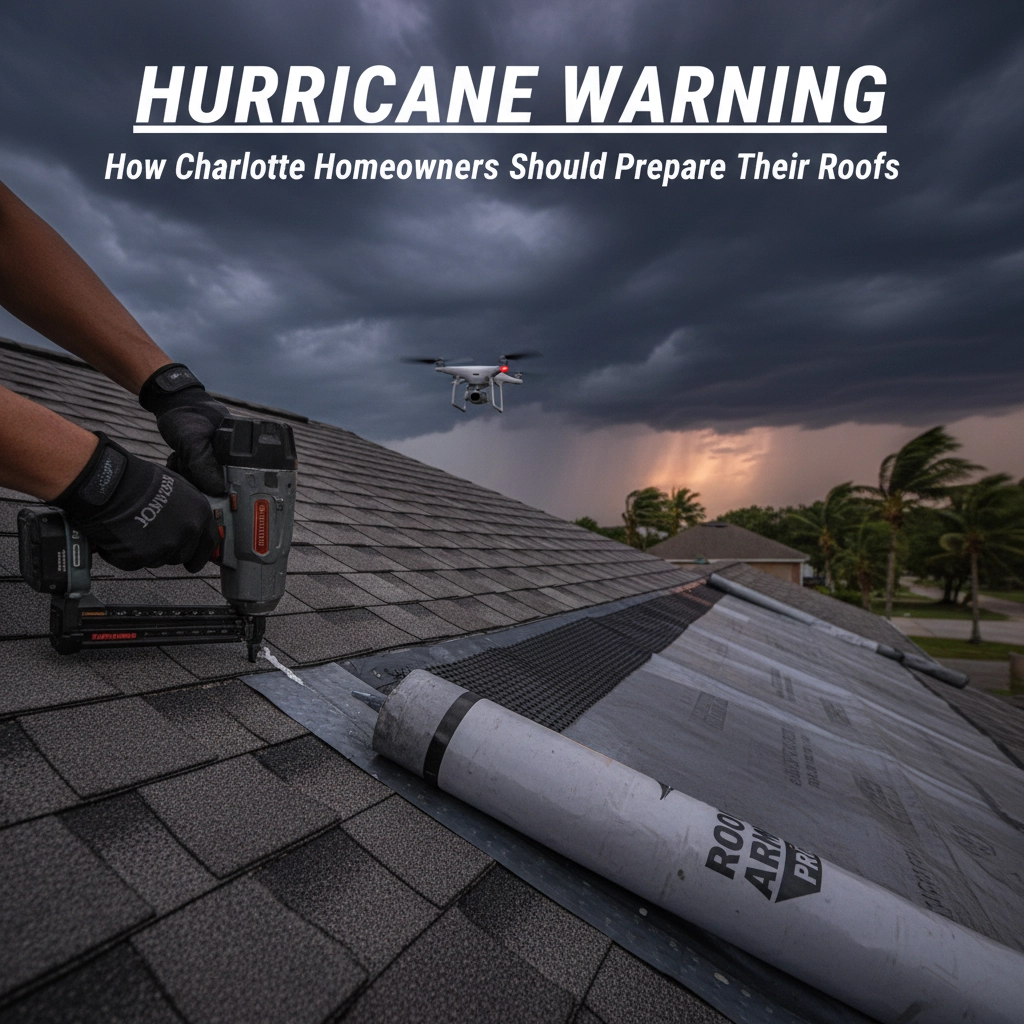
When hurricane warnings hit Charlotte, your roof becomes your home's first line of defense against devastating winds, torrential rain, and flying debris. The good news? With the right preparation steps, you can significantly reduce your risk of costly damage and keep your family safe during the storm.
As a Charlotte homeowner, you've probably seen the aftermath of severe storms in our area. From fallen trees puncturing roofs to widespread shingle damage, hurricanes don't mess around. But here's what many people don't realize: most hurricane roof damage is preventable with proper preparation.
Start With a Professional Emergency Inspection
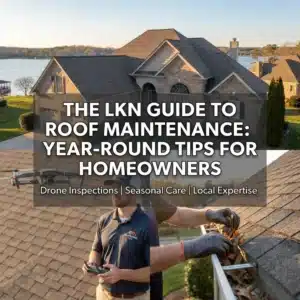
Time is critical when hurricane warnings are issued, but don't skip the most important step – getting your roof professionally inspected. Even if your roof looks fine from the ground, hidden vulnerabilities like lifted shingles, worn flashing, or soft spots in the decking can become major failure points under hurricane-force winds.
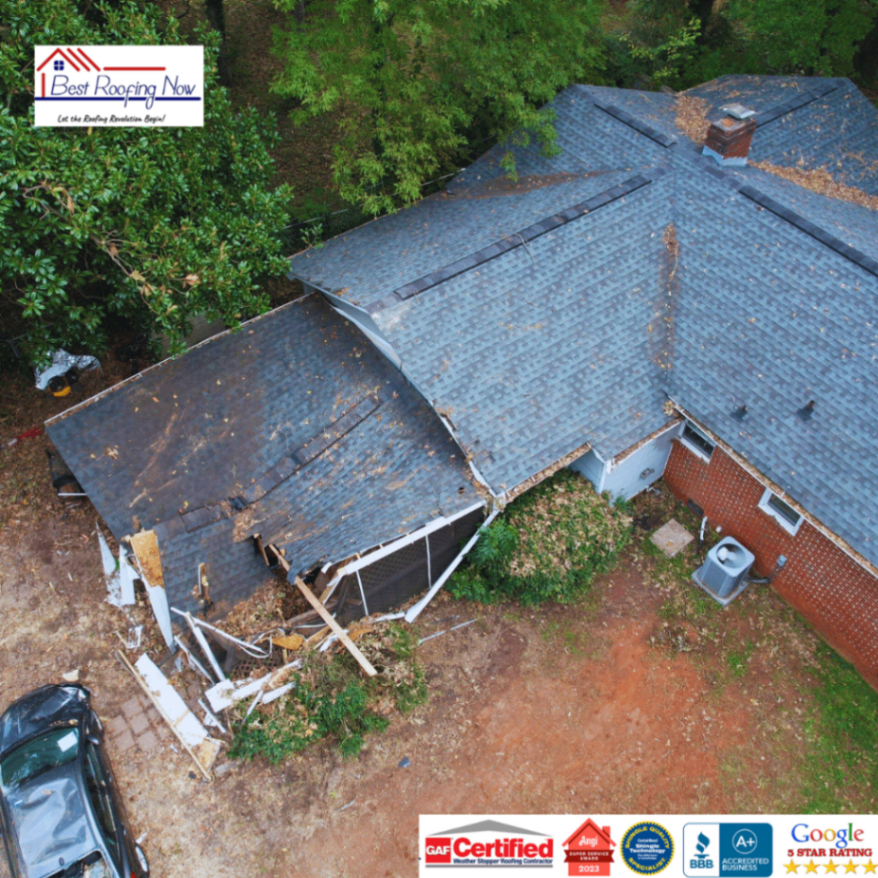
A licensed roofing professional can spot these issues quickly and determine what needs immediate attention versus what can wait until after the storm passes. They'll examine all roof penetrations, including chimneys, vents, and skylights, ensuring that flashing is properly sealed and free from corrosion.
"Small problems are far cheaper to fix before a storm hits than after," says most roofing experts. This couldn't be more true – emergency repairs during hurricane season can cost three to four times more than preventive maintenance.
Secure Your Roof's Weak Points
Fix Loose or Missing Shingles
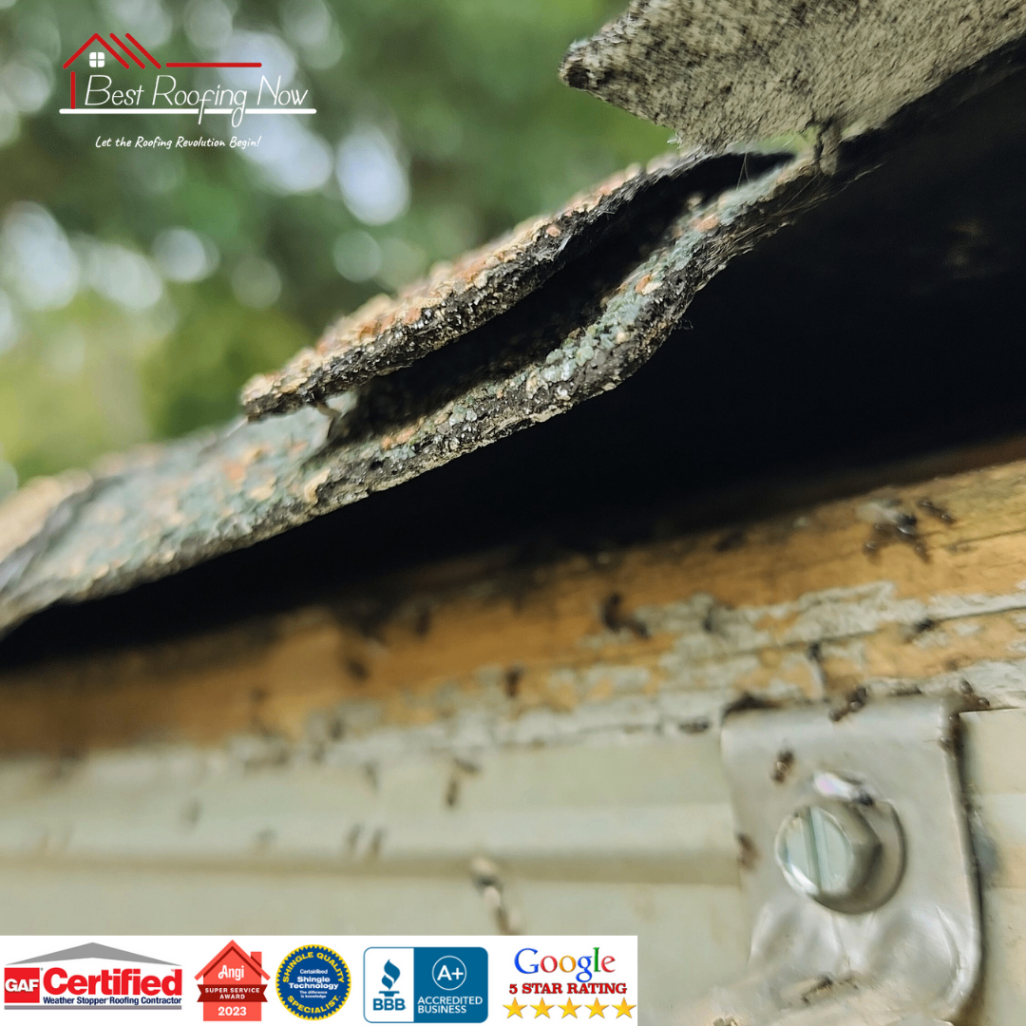
Walk around your property and look up at your roofline. Do you see any curling, cracked, or missing shingles? These are like welcome mats for hurricane winds. When wind gets underneath loose shingles, it can lift entire sections of your roof.
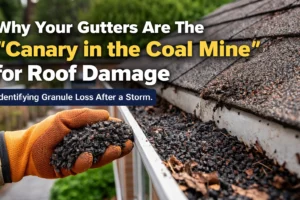
If you find loose shingles, secure them immediately with roofing cement or call a professional if the damage is extensive. Check your gutters too – if you see granules from asphalt shingles collecting there, it's a sign your roof is deteriorating and needs attention.
Reinforce Critical Areas
Pay special attention to your roof's edges, ridges, and valleys – these areas typically take the brunt of wind forces. Make sure all flashing fits tightly against walls and chimneys, and replace any rusted nails with hurricane-rated fasteners if possible.
If you notice sagging areas in your roofline or uneven dips, don't ignore them. These could indicate structural issues from past water damage that will only get worse under hurricane conditions.
Clean and Secure Your Drainage Systems
Clogged gutters during a hurricane aren't just annoying – they're dangerous. When gutters overflow, water can saturate your roof's edges, making them much more vulnerable to wind damage. Plus, backed-up water has nowhere to go except into your home.
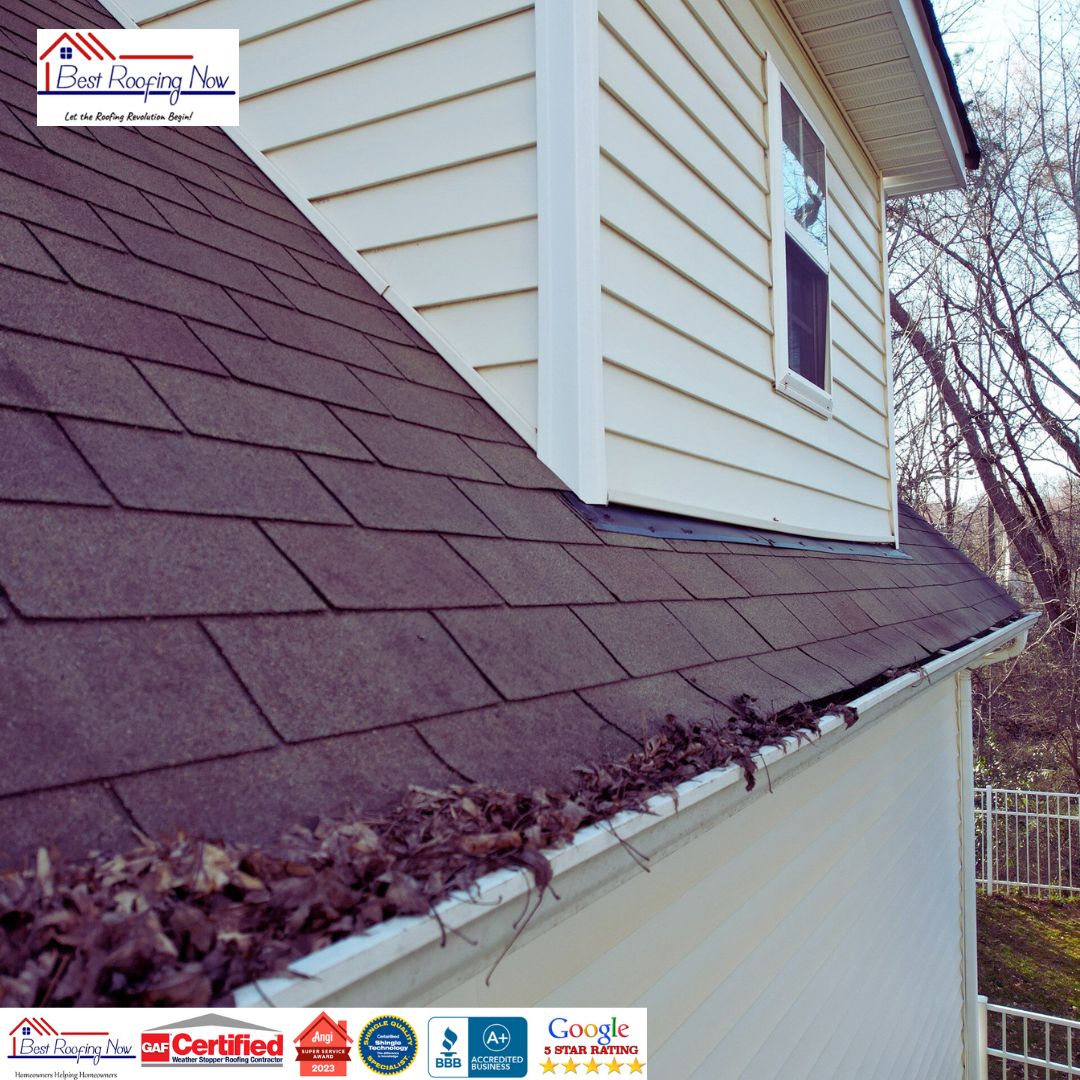
Remove all leaves, debris, and buildup from gutters and downspouts. Make sure gutters are securely attached to your home – loose gutters can become projectiles in high winds. While you're at it, check that your downspouts direct water well away from your foundation.
Don't forget about your attic ventilation either. Proper ventilation helps equalize pressure inside and outside your home during strong winds, reducing the risk of your roof literally lifting off.
Remove Outdoor Hazards
Take a good look at the trees around your property. Any overhanging branches that could reach your roof need to be trimmed back now, before the storm hits. Even healthy branches can become dangerous battering rams in hurricane-force winds.
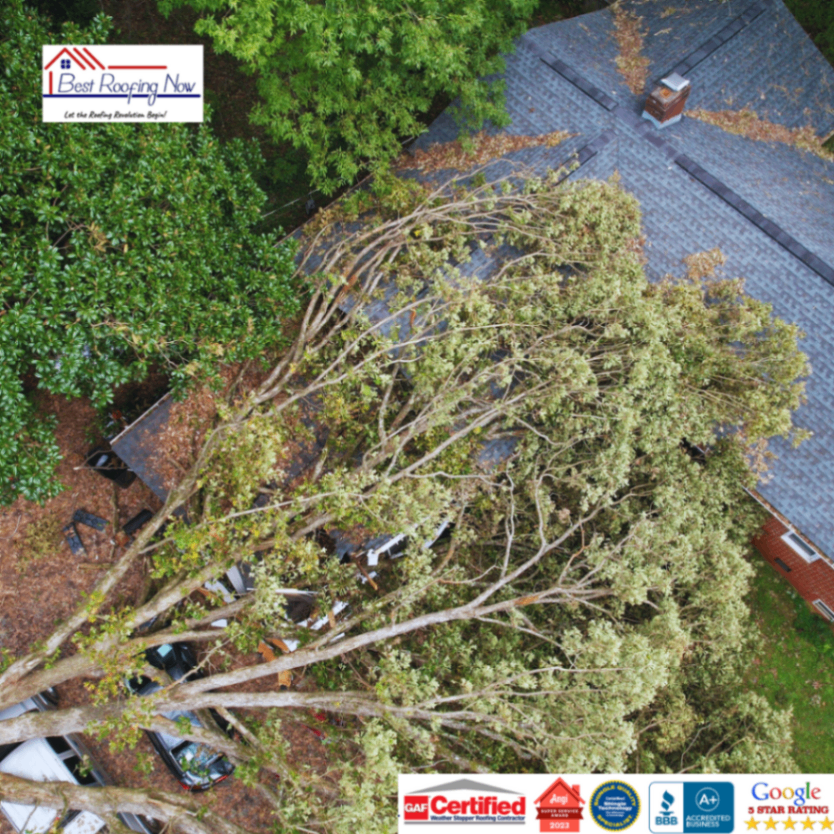
Secure or remove any loose items around your property that could become airborne. This includes patio furniture, grills, decorative elements, satellite dishes, and anything else that isn't permanently anchored down. What seems harmless in normal weather can punch through a roof at 100+ mph winds.
During the Hurricane: Stay Safe and Document
Once the storm arrives, your job is simple: stay inside and away from windows. Don't attempt any roof repairs during the storm – it's extremely dangerous and can wait.
If you hear unusual noises from your roof or notice water intrusion, document everything with photos if it's safe to do so. This documentation will be crucial for insurance claims later.
After the Storm: Assess and Act Quickly
When the hurricane passes, resist the urge to immediately climb onto your roof for inspection. Wet surfaces are slippery, and there may be hidden damage that makes the roof unstable. Instead, do a careful visual inspection from the ground using binoculars if needed.
Look for:
- Missing or damaged shingles
- Debris on the roof
- Damaged flashing around chimneys or vents
- Sagging areas
- Water stains on interior walls or ceilings
If you spot any damage, contact a roofing professional immediately. Charlotte sees a huge surge in roofing demand after major storms, so the earlier you call, the sooner you can get repairs scheduled.
When to Call Best Roofing Now
Some roof preparation tasks you can handle yourself, but many require professional expertise. Call us immediately if you notice:
- Structural damage or sagging
- Multiple missing shingles
- Damaged flashing or roof penetrations
- Interior water damage or leaks
- Any safety concerns about your roof's stability
At Best Roofing Now, we offer emergency roofing services specifically designed for hurricane preparation and recovery. Our experienced team knows exactly what Charlotte roofs face during hurricane season, and we're equipped to handle both preventive maintenance and emergency repairs.
We also provide free storm damage assessments after hurricanes pass through our area. Our certified technicians can quickly identify damage that might not be obvious to untrained eyes and work with your insurance company to ensure you get the coverage you deserve.
Your Roof Preparation Checklist
Before the next hurricane warning hits Charlotte, make sure you've covered these essential bases:
- Schedule a professional roof inspection
- Repair any loose or missing shingles
- Clean and secure all gutters and downspouts
- Trim overhanging tree branches
- Remove potential projectiles from your property
- Document your roof's current condition with photos
- Keep emergency supplies on hand (tarps, roofing cement, basic tools)
- Have contact information for emergency roofing services ready
Remember, hurricane preparation isn't just about surviving the storm – it's about protecting your biggest investment and keeping your family safe. A few hours of preparation now can save you thousands of dollars and weeks of headaches later.
The Charlotte area has seen its share of devastating storms, but with proper preparation, your roof can weather whatever nature throws at it. Don't wait until you hear "hurricane watch" on the weather forecast – start preparing your roof today.
If you have any concerns about your roof's hurricane readiness, don't hesitate to reach out to the professionals. At Best Roofing Now, we're here to help Charlotte homeowners protect their properties year-round. Visit our services page to learn more about our hurricane preparation and emergency repair services.