Charlotte's Weather Challenge: What Homeowners Need to Know
Charlotte's weather is nothing if not unpredictable. From scorching summer heat waves to sudden thunderstorms, tropical system remnants, and the occasional winter freeze—your roof takes a beating year-round. In recent years, we've seen weather patterns become increasingly volatile, with 2024 already showing signs that this trend isn't slowing down.
As a homeowner in the Charlotte area, you're probably familiar with those afternoon summer thunderstorms that seem to appear out of nowhere, or the tropical systems that occasionally sweep through bringing heavy rain and gusty winds. These weather events can cause significant damage to your roof if it's not properly prepared.
Here's the thing about roof damage: small problems quickly become big ones. A tiny leak from today's storm can lead to extensive water damage, mold growth, and structural issues months down the road. That's why being proactive about roof maintenance isn't just smart—it's essential.
Common Roof Vulnerabilities in Charlotte's Climate
Before diving into solutions, let's understand what we're up against in Charlotte's unique climate:
1. Wind Damage
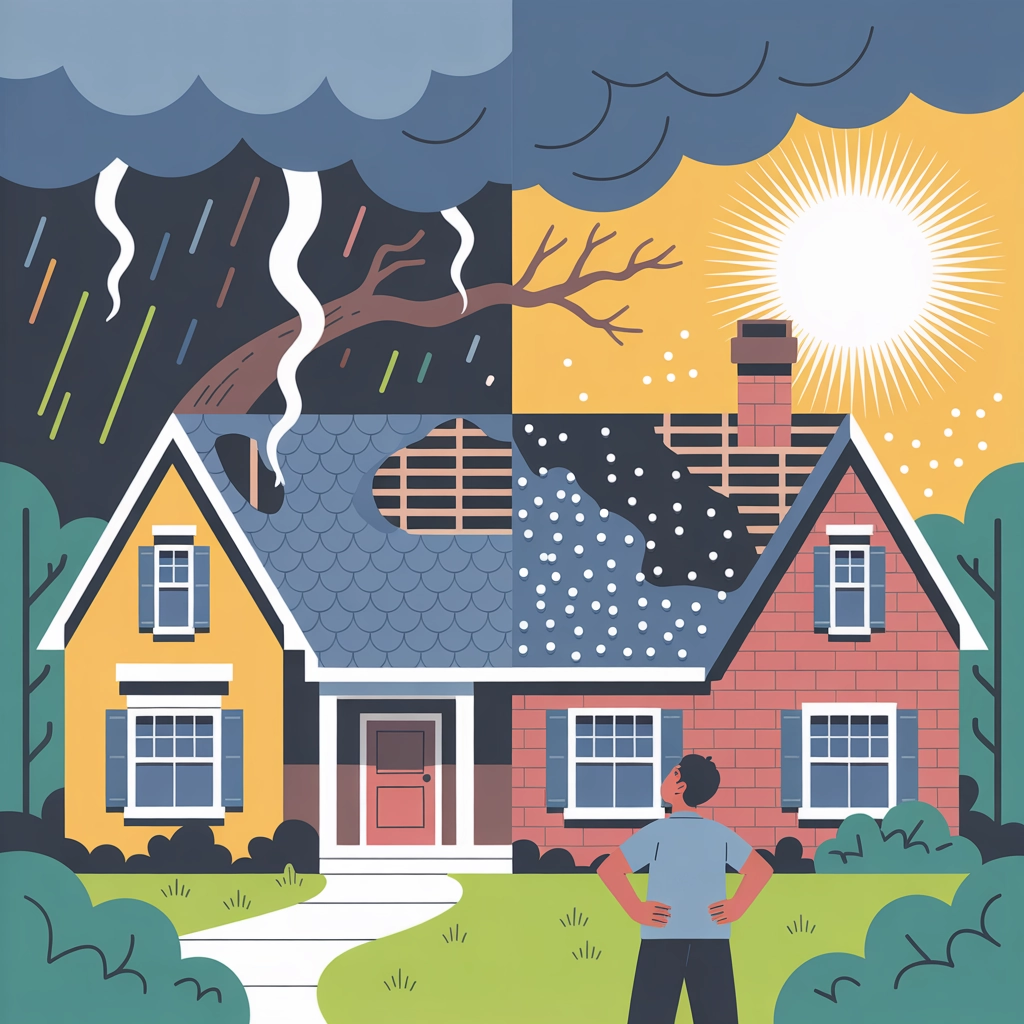
Charlotte experiences numerous thunderstorms with winds that can exceed 50-60 mph. These winds can lift and tear shingles, especially those already compromised by age or previous damage. During tropical storm systems, these risks increase substantially.
2. Water Infiltration
Our humid subtropical climate means Charlotte sees about 43 inches of rainfall annually. Without proper drainage and intact roofing materials, this moisture can penetrate your roof system, damaging decking, insulation, and even interior ceilings.
3. Heat and UV Damage
Summer temperatures regularly climb into the 90s, with extended heat waves becoming more common. This intense heat and UV exposure accelerates shingle deterioration, causing them to become brittle and lose protective granules.
4. Impact Damage
From hailstorms to falling branches during windy conditions, impact damage is a significant concern for Charlotte homeowners. A single severe hailstorm can reduce your roof's lifespan by years.
Your Seasonal Roof Inspection Checklist
To ensure your roof remains in fighting shape year-round, conduct thorough inspections at least twice a year—ideally in spring and fall—plus after any significant weather event. Here's what to look for:
Exterior Roof Check
- Missing or damaged shingles: Look for curling, cracking, or completely missing shingles
- Flashing integrity: Check metal flashing around chimneys, vents, and skylights for signs of damage or separation
- Gutter condition: Ensure gutters are securely attached, clear of debris, and properly channeling water away from your home
- Moss or algae growth: These can retain moisture against your roof and accelerate deterioration
- Sagging areas: Any visible dips or depressions in your roofline require immediate professional attention
Interior Check
- Water stains on ceilings or walls
- Damp insulation in the attic
- Light visible through the roof boards
- Sagging areas on the ceiling
- Unexplained increase in energy bills (could indicate compromised insulation due to roof leaks)
7 Essential Tips to Weather-Proof Your Roof in 2025
1. Clean and Maintain Your Gutters Regularly
Clogged gutters are among the leading causes of roof and foundation damage. When water can't properly flow through your drainage system, it backs up under shingles and can seep into your home.
Action step: Clean gutters at least quarterly, and always after major storms or during fall when leaves are dropping. Consider installing gutter guards to minimize debris buildup.
2. Trim Overhanging Branches
Trees add beauty and shade to your property, but branches hanging over your roof pose a significant risk during storms. They can break off in high winds, scrape against shingles, or drop leaves and needles that retain moisture.
Action step: Maintain at least a 10-foot clearance between tree branches and your roof. Hire a professional arborist for safe trimming of large or hard-to-reach branches.
3. Upgrade to Impact-Resistant Shingles
If your roof is nearing the end of its lifespan or needs replacement, consider upgrading to impact-resistant shingles. These specially designed materials offer superior protection against hail and debris damage common in Charlotte storms.
Action step: Contact a professional roofing contractor to discuss impact-resistant options that match your home's style and your budget.

4. Ensure Proper Attic Ventilation and Insulation
Proper ventilation helps regulate temperature and moisture levels in your attic, preventing premature aging of roofing materials from the inside and improving overall energy efficiency.
Action step: Check that soffit, ridge, or gable vents are clear and functioning. Ensure insulation isn't blocking airflow from soffit vents. A professional energy audit can identify specific improvements for your home.
5. Schedule Professional Inspections
While DIY checks are important, nothing replaces the trained eye of a roofing professional who can spot potential issues before they become major problems.
Action step: Schedule a professional roof inspection every 1-2 years, or after any severe weather event. At Best Roofing Now, we provide thorough inspections that can identify hidden damage and save you money in the long run.
6. Address Small Issues Immediately
That minor leak or single damaged shingle might seem insignificant, but small roofing issues rarely stay small for long. Addressing problems promptly prevents more extensive damage.
Action step: Keep the contact information for a reliable roofing contractor handy and don't delay making the call when you notice issues.
7. Develop a Storm Preparation Plan
When severe weather is forecasted, having a plan in place can help protect your home and give you peace of mind.
Action step: Create a checklist of pre-storm preparations, including:
- Securing outdoor items that could become projectiles
- Taking photos of your roof's condition for insurance purposes
- Having emergency repair materials on hand (tarps, roofing cement)
- Knowing who to call for emergency repairs
Emergency Response: What to Do After Storm Damage
Even with the best preparation, severe weather can sometimes overwhelm your roof's defenses. If you experience roof damage after a storm:
-
Safety first: Never attempt to inspect a severely damaged roof during or immediately after a storm. Wait until conditions are safe.
-
Document everything: Take clear photos of all damage for insurance purposes before any temporary repairs are made.
-
Make temporary repairs: Use tarps or roofing cement to prevent water infiltration until permanent repairs can be made.
-
Contact your insurance company: Report the damage promptly and understand what your policy covers.
-
Call a professional: Work with a reputable roofing contractor who has experience with storm damage and insurance claims. At Best Roofing Now, we help Charlotte homeowners navigate the entire process from assessment through repair.
The Best Roofing Now Difference
When it comes to protecting your Charlotte home from our increasingly unpredictable weather, expertise matters. Our team at Best Roofing Now brings years of local experience and knowledge of Charlotte's specific weather challenges.
We offer comprehensive residential roofing services including:
- Thorough roof inspections
- Preventative maintenance programs
- Emergency storm damage repair
- Complete roof replacements with quality materials
- Gutter installation and maintenance
Our approach is always educational and pressure-free. We believe in helping homeowners understand their options and make informed decisions about protecting their most valuable asset.
Conclusion: Peace of Mind Through Preparation
Charlotte's weather isn't getting any more predictable, but your roof's ability to withstand it can certainly improve with proper care and maintenance. By following the tips outlined in this guide and partnering with experienced professionals, you can ensure your home stays safe and dry no matter what Mother Nature throws at it in 2025.
Remember, when it comes to your roof, proactive prevention is always more affordable than reactive repairs. Take action today to protect your home for tomorrow's weather challenges.
Have questions about your roof's readiness or need to schedule an inspection? Contact us today for a consultation. We're here to help you weather any storm with confidence.