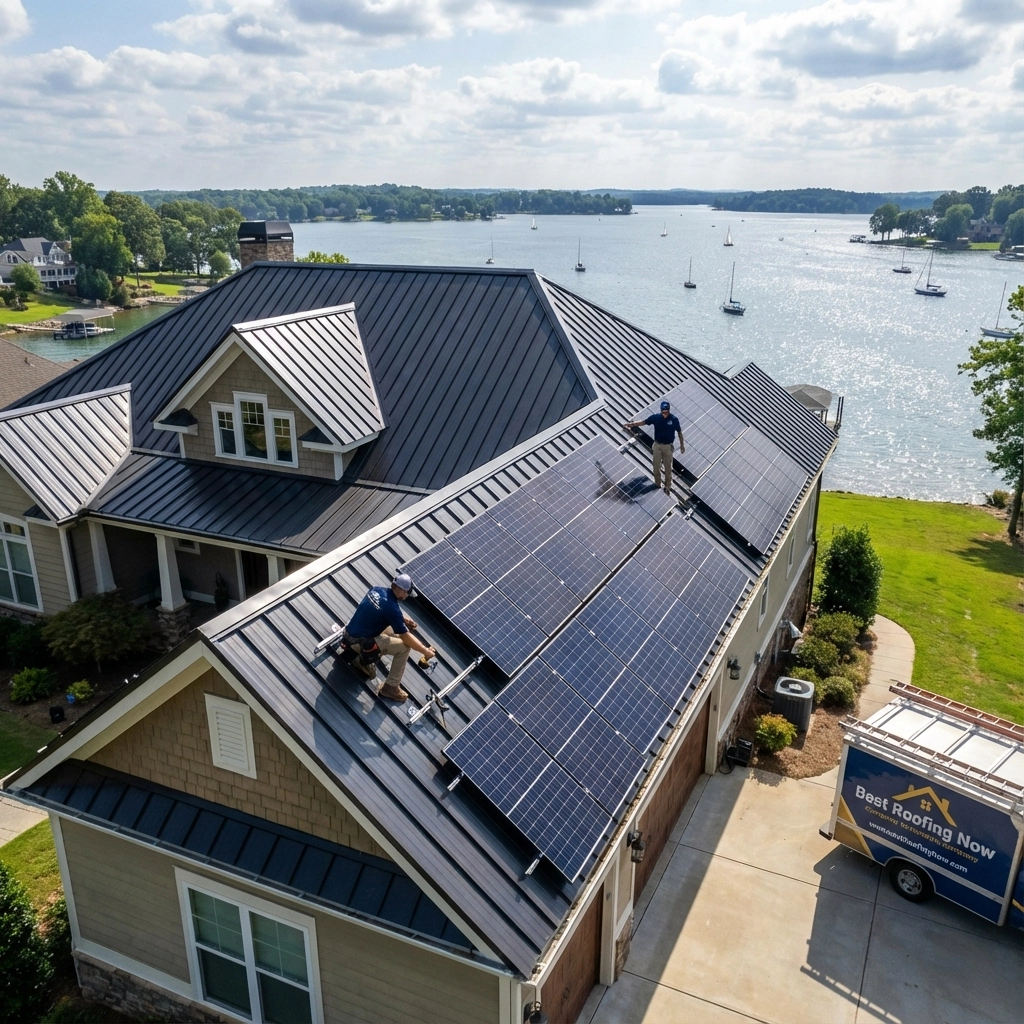
The Lake Norman area is experiencing a solar revolution. From Davidson to Mooresville, homeowners are discovering that solar-ready roof installation isn't just about going green, it's about smart financial planning and future-proofing their biggest investment.
As someone who's been in the roofing business for years, I've watched this transformation firsthand. Solar-ready roofing has moved from a luxury upgrade to a practical necessity for many Lake Norman families. But here's the thing: not all solar-ready installations are created equal, and choosing the wrong contractor can cost you thousands.
Let me share the ten most important things you need to know before making this investment.
1. Solar-Ready Doesn't Mean Solar-Powered (Yet)
Here's where many homeowners get confused. A solar-ready roof installation prepares your home for solar panels, but it doesn't include the actual solar energy system. Think of it as building the foundation before the house.
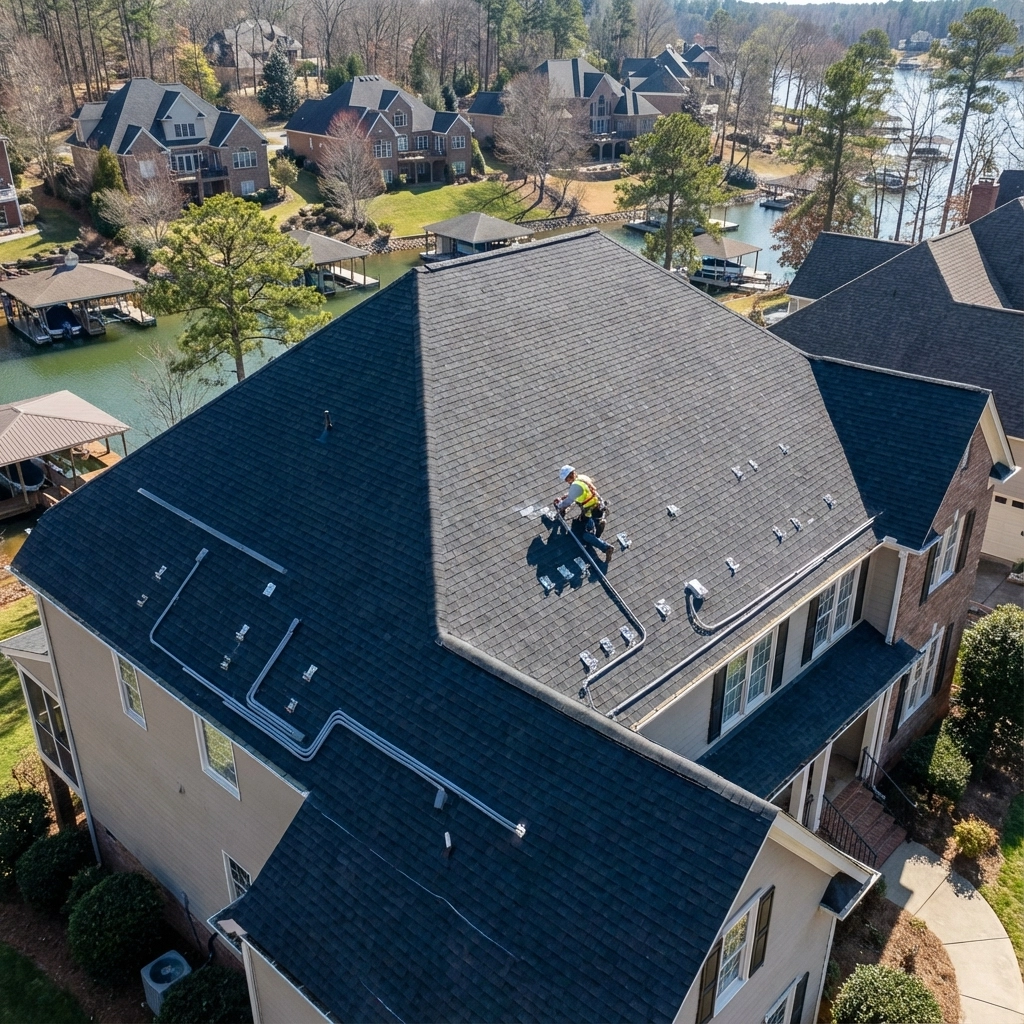
Solar-ready roofing involves:
- Structural reinforcement to handle panel weight
- Proper electrical conduit installation
- Strategic placement of mounting points
- Optimal roof orientation and pitch assessment
"A solar-ready roof is designed with the future in mind," explains Dr. Sarah Chen from the North Carolina Solar Energy Association. "It eliminates the need for costly retrofitting when homeowners are ready to install panels."
This preparation saves you money long-term. Retrofitting an existing roof for solar can cost 20-30% more than doing it right the first time.
2. Lake Norman's Climate Makes Solar-Ready Roofing Essential
Our Lake Norman climate presents unique challenges that make solar-ready preparation crucial. We experience:
- Heavy summer storms with high winds
- Ice storms that can damage unprepared roofs
- Temperature swings that stress roofing materials
- High humidity that affects electrical components
The best roofing contractors in our area understand these local conditions. They design solar-ready systems that withstand North Carolina weather while maximizing solar potential.
I've seen too many out-of-state contractors come in with cookie-cutter approaches that fail within two years. Local expertise matters.
3. Not All Roofing Materials Support Solar Installation
This is critical: your current roofing material determines whether solar-ready installation is even possible.
Excellent for solar-ready:
- Asphalt shingles (most common in Lake Norman)
- Metal roofing
- Composite materials
- Clay tiles
Problematic for solar:
- Wood shakes (fire risk and structural concerns)
- Slate (too fragile for mounting hardware)
- Rubber membranes (penetration issues)
If your Lake Norman home has wood shakes or slate, you'll need a complete roof replacement before going solar-ready. Plan your budget accordingly.
4. The Math Behind Solar-Ready ROI in Lake Norman
Let's talk numbers. Solar-ready roof installation typically adds $3,000-$7,000 to a standard roof replacement in the Lake Norman area. But here's why it's worth it:
Future savings:
- Retrofit costs: $8,000-$12,000
- Solar installation time: Cut from 3-5 days to 1-2 days
- Permit complications: Reduced significantly
- Insurance benefits: Many carriers offer discounts
Plus, Lake Norman homes with solar capability sell 4% faster and for 3.8% more money, according to recent MLS data.
The math is simple: spend a little more now, save a lot more later.
5. Permit Requirements Are More Complex Than You Think
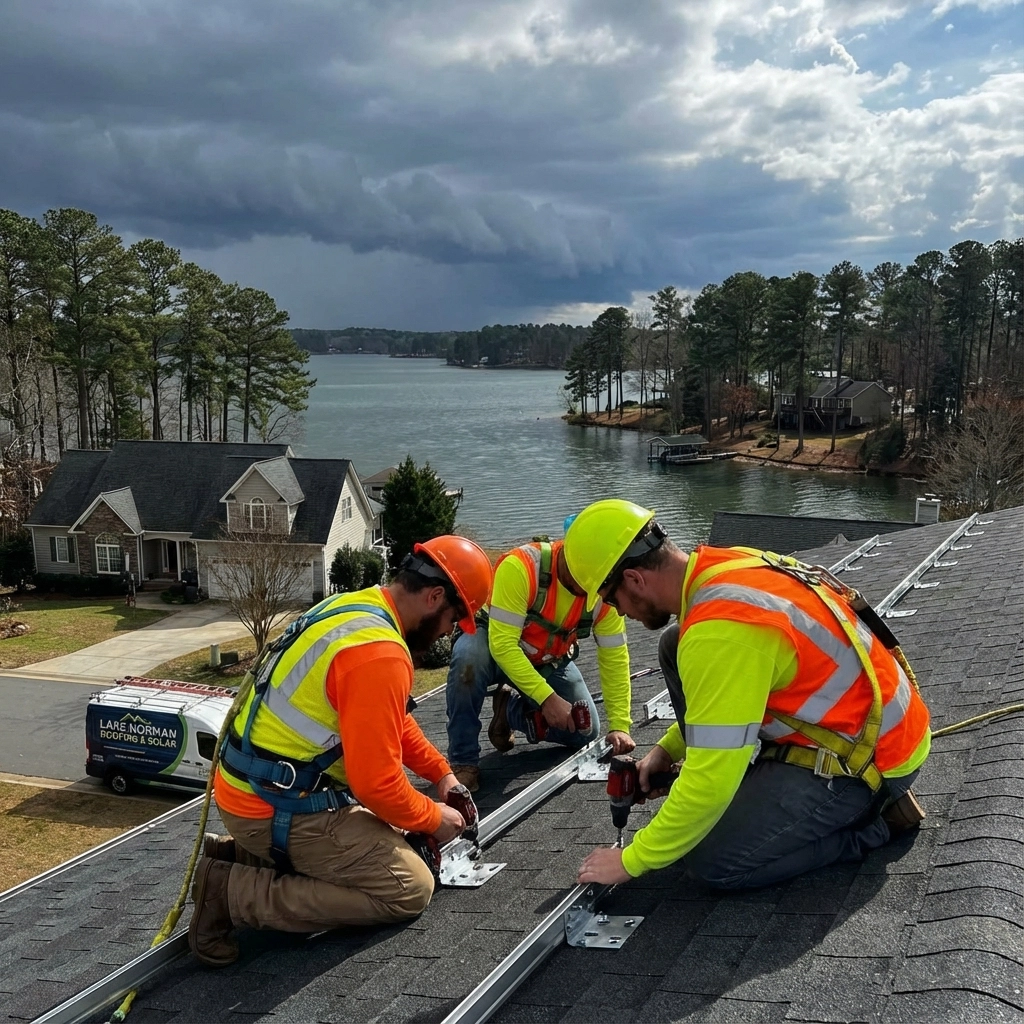
North Carolina has specific requirements for solar-ready roofing that many contractors don't fully understand. In the Lake Norman area, you need:
- Structural engineering approval for panel loads
- Electrical permits for conduit installation
- Building permits for any structural modifications
- HOA approval in many neighborhoods
I've worked with homeowners who chose contractors that skipped proper permitting. The result? Forced tear-downs, thousands in fines, and insurance headaches.
Always ask potential contractors about their permit process. If they seem vague or dismissive, find someone else.
6. Electrical Infrastructure Planning Is Make-or-Break
Here's what separates amateur solar-ready installations from professional ones: electrical planning.
Your solar-ready roof needs:
- Properly sized electrical conduits
- Strategic placement for future inverter location
- Adequate service panel capacity
- Grounding system preparation
- Code-compliant wire routing
"The electrical infrastructure is 60% of a successful solar installation," notes Mike Rodriguez, a master electrician who's worked on hundreds of Lake Norman solar projects. "Get it wrong during the roofing phase, and you'll pay dearly later."
This is why you need contractors who understand both roofing and electrical systems. Not every roofer has this expertise.
7. Structural Engineering Isn't Optional
Solar panels add 2-4 pounds per square foot to your roof load. That might not sound like much, but on a typical Lake Norman home, we're talking about 3,000-6,000 additional pounds.
Your roof structure needs evaluation for:
- Rafter and truss capacity
- Foundation adequacy
- Wind uplift resistance
- Snow load tolerance (yes, even in North Carolina)
Homes built before 1990 often need structural reinforcement. Newer homes usually pass inspection, but you never know until a qualified engineer reviews your specific situation.
Don't let contractors guess at this. Demand structural calculations.
8. Timing Your Solar-Ready Installation Matters
The best time for solar-ready roof installation in Lake Norman is fall (October-November) or early spring (March-April). Here's why:
Fall advantages:
- Mild weather for installation
- Preparation for winter storm damage
- Tax planning benefits
- Contractor availability
Spring advantages:
- Perfect temperatures
- Dry conditions
- Preparation for summer heat
- Early bird solar installation scheduling
Avoid summer installations if possible. The heat makes work dangerous and materials harder to handle properly.
9. Quality Control Standards Vary Wildly
Not all solar-ready installations meet the same standards. When evaluating the best roofing contractors for your Lake Norman project, look for:
Certifications that matter:
- NABCEP solar installation certification
- GAF Master Elite status
- NRCA membership
- State electrical licensing
Quality indicators:
- Written structural calculations
- Detailed electrical plans
- Photo documentation of work
- Multi-point inspection process
- Extended warranties
I've seen solar-ready roofs fail inspection because contractors cut corners on flashing details or used substandard mounting hardware. Don't let this happen to you.
10. The Hidden Costs Most Contractors Don't Mention
Budget for these often-overlooked expenses:
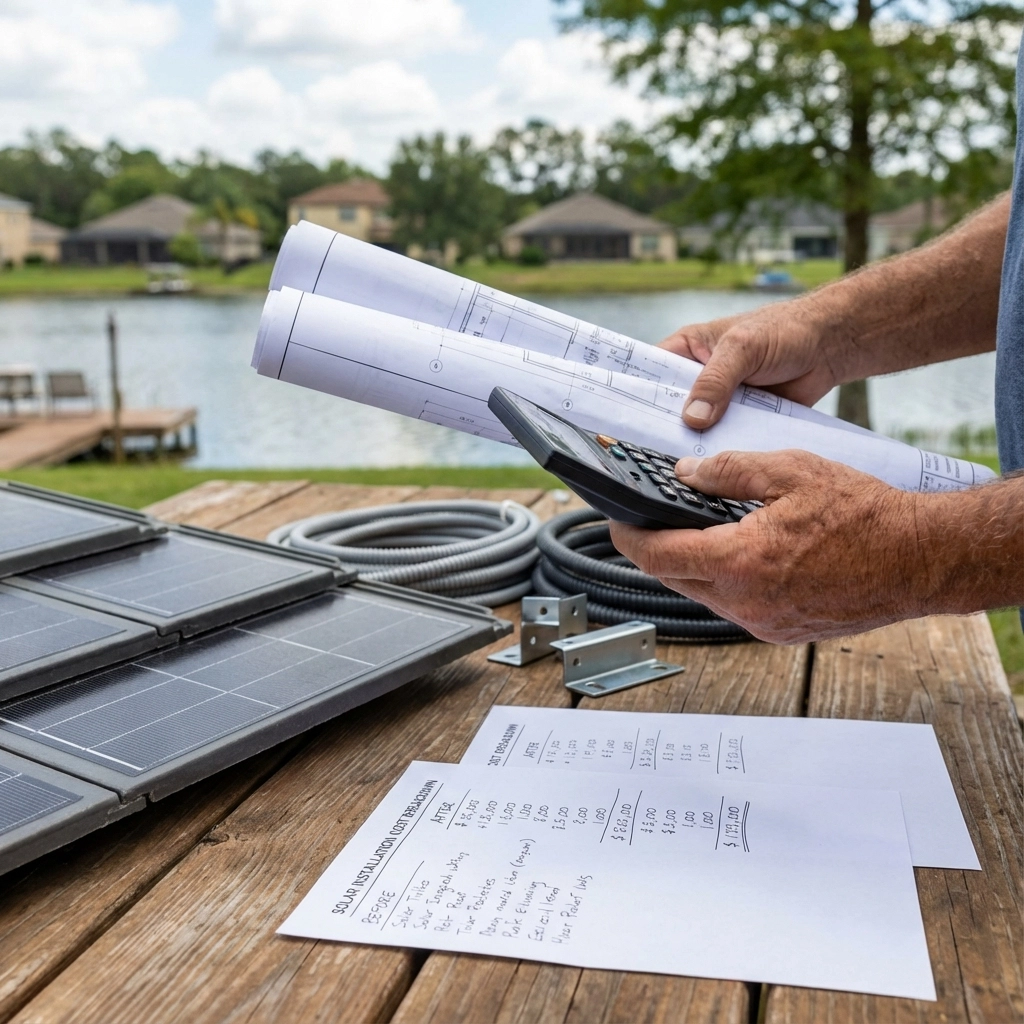
Structural modifications: $2,000-$8,000
Electrical panel upgrades: $1,500-$4,000
Permit fees: $500-$1,200
Engineering reports: $800-$1,500
HOA approval costs: $200-$800
Also, some Lake Norman neighborhoods have covenant restrictions on solar installations. Research this before starting your project.
Smart contractors discuss these costs upfront. Sketchy ones surprise you with change orders.
Why Local Lake Norman Expertise Makes the Difference
After working on hundreds of roofs throughout the Lake Norman area, I've learned that every neighborhood has its quirks. Cornelius homes face different wind patterns than Mooresville properties. Davidson's tree coverage creates different shading challenges than Denver's open lots.
The best roofing contractors know these details. We understand:
- Local building code nuances
- Weather pattern impacts
- Neighborhood aesthetic requirements
- Utility interconnection procedures
- Regional permitting timelines
This local knowledge saves you time, money, and frustration.

Red Flags When Choosing Solar-Ready Contractors
Watch out for contractors who:
- Quote over the phone without inspection
- Can't explain local permit requirements
- Don't mention structural engineering
- Pressure you to sign immediately
- Can't provide local references
- Don't carry proper insurance
Good contractors take time to assess your specific situation. They ask detailed questions about your energy goals, budget, and timeline.
Making Your Decision: Questions to Ask
Before hiring any contractor for solar-ready roof installation in Lake Norman, ask:
- "How many solar-ready roofs have you installed in Lake Norman?"
- "Can you provide references from recent projects?"
- "What's your process for structural assessment?"
- "How do you handle permit applications?"
- "What warranties do you offer on solar-ready components?"
- "Are you certified for both roofing and electrical work?"
The right contractor welcomes these questions. They understand that educated homeowners make better clients.
Your Next Steps
Solar-ready roof installation represents a significant investment in your Lake Norman home's future. Done right, it positions you for energy independence, increased property value, and decades of savings.
Done wrong, it creates expensive problems that haunt you for years.
The difference lies in choosing experienced, local contractors who understand both sustainable roofing technology and Lake Norman's unique requirements.
Ready to explore solar-ready options for your home? We'd love to assess your property and discuss how solar-ready roofing fits your long-term plans. Our team has completed over 200 solar-ready installations throughout the Lake Norman area, and we understand exactly what it takes to prepare your roof for the energy future.
Schedule your free solar-ready assessment today. Call us at [phone number] or visit bestroofingnow.com to get started.
Your energy-independent future begins with the right roof preparation. Let's make it happen together.