
Why Your Roof and Gutters Need to Be Best Friends
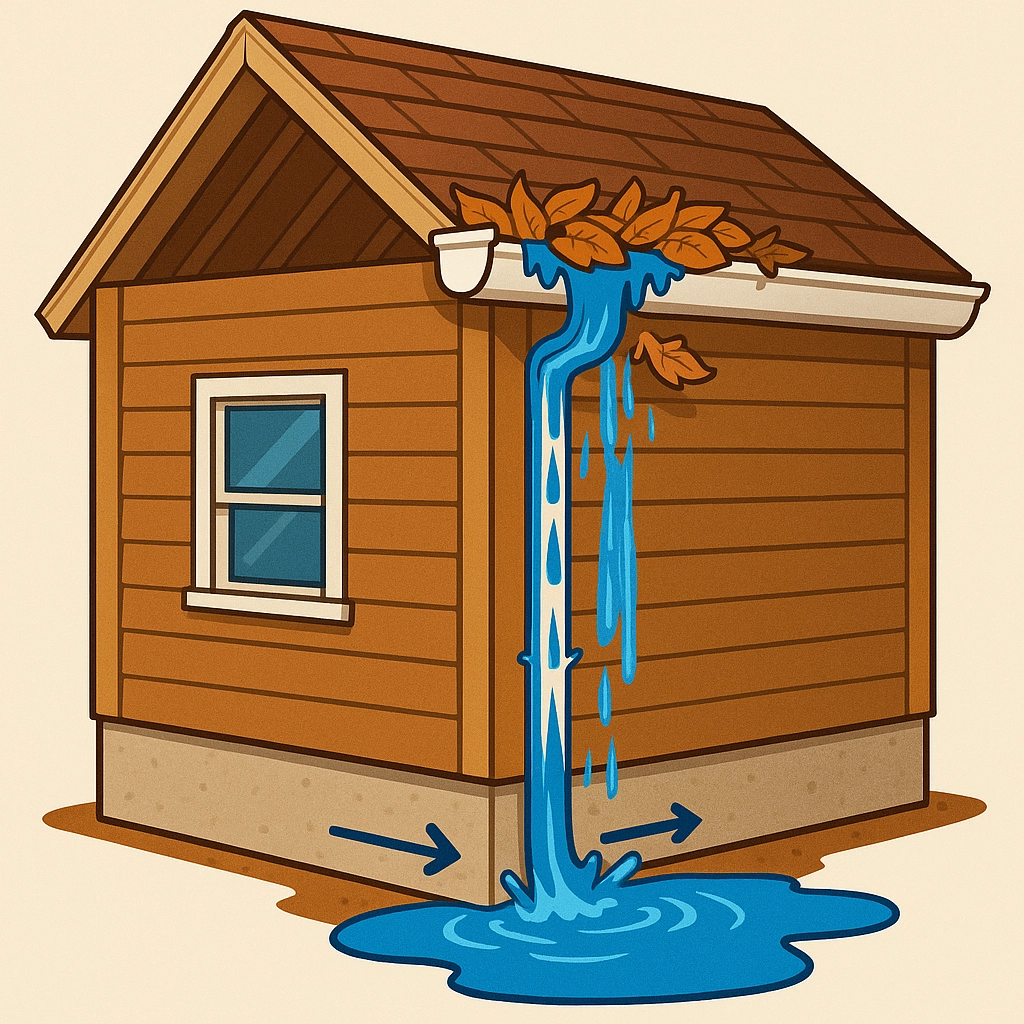
Your home's first line of defense against the elements isn't just your roof—it's the entire system that includes your gutters. When these two components work together properly, they protect everything underneath. When they don't, water damage can quickly turn into thousands of dollars in repairs.
At Best Roofing Now, we've seen firsthand how small maintenance tasks can prevent major headaches. A 15-minute inspection twice a year could save you from dealing with foundation cracks, interior water stains, mold growth, and even structural damage.
"The majority of water damage cases we handle could have been prevented with basic gutter and roof maintenance. Most homeowners don't realize that a $10 clogged gutter can lead to a $15,000 foundation repair." – National Association of Home Builders
Let's break down exactly what to look for with our comprehensive roof and gutter health checklist.
Understanding the Water Damage Chain Reaction
Before diving into the checklist, it helps to understand how water damage typically progresses:
- Gutters clog with debris
- Water overflows during rainfall
- Overflowing water damages fascia boards and siding
- Water pools around foundation
- Foundation shifts or cracks develop
- Interior leaks appear
- Mold and wood rot begin
Each step becomes more expensive to fix than the last. The good news? Breaking this chain at step one is surprisingly simple.
Seasonal Roof & Gutter Maintenance Checklist
Spring Maintenance (March-May)
Gutter Inspection & Cleaning
- Remove all leaves, twigs, and debris from gutters
- Flush gutters with water to check for proper flow
- Look for "tiger striping" on gutters (black streaks indicating overflow)
- Check for loose gutter fasteners and brackets
- Ensure downspouts extend at least 5 feet from foundation
- Clear any downspout blockages
Roof Inspection
- Check for loose, damaged, or missing shingles
- Look for shingle granules in gutters (sign of deterioration)
- Inspect flashing around chimneys, vents, and skylights
- Check for moss or algae growth
- Examine attic for signs of leaks or water stains
- Trim overhanging tree branches that could damage the roof
Summer Maintenance (June-August)
Quick Check After Storms
- Perform visual inspection after severe weather
- Clear debris from gutters and roof valleys
- Check for new leaks in attic or ceilings
Fall Maintenance (September-November)
Thorough Gutter Cleaning
- Remove all fallen leaves from gutters (most important time of year!)
- Check for sagging gutters that may need reinforcement
- Consider installing gutter guards if repeatedly clogging
- Flush downspouts to ensure proper drainage
- Check that all downspout extensions are secure
Roof Preparation for Winter
- Inspect all shingles for damage or curling
- Check roof ridges and edges for loose materials
- Seal any small cracks around roof penetrations
- Ensure attic ventilation is working properly
- Remove any moss growth (it holds moisture against the roof)
Winter Monitoring (December-February)
- Watch for ice dam formation along eaves
- Check for icicles (a sign of poor attic insulation)
- Remove excessive snow buildup (if safe to do so)
- Monitor interior ceilings for new water stains
5 Warning Signs That Demand Immediate Attention
Beyond regular maintenance, keep an eye out for these red flags that indicate trouble:
1. Gutter Gardens
Plants growing in your gutters aren't just unsightly—they're a clear sign that your gutters have been clogged long enough for seeds to germinate. This level of blockage is preventing proper water flow and likely causing overflow.
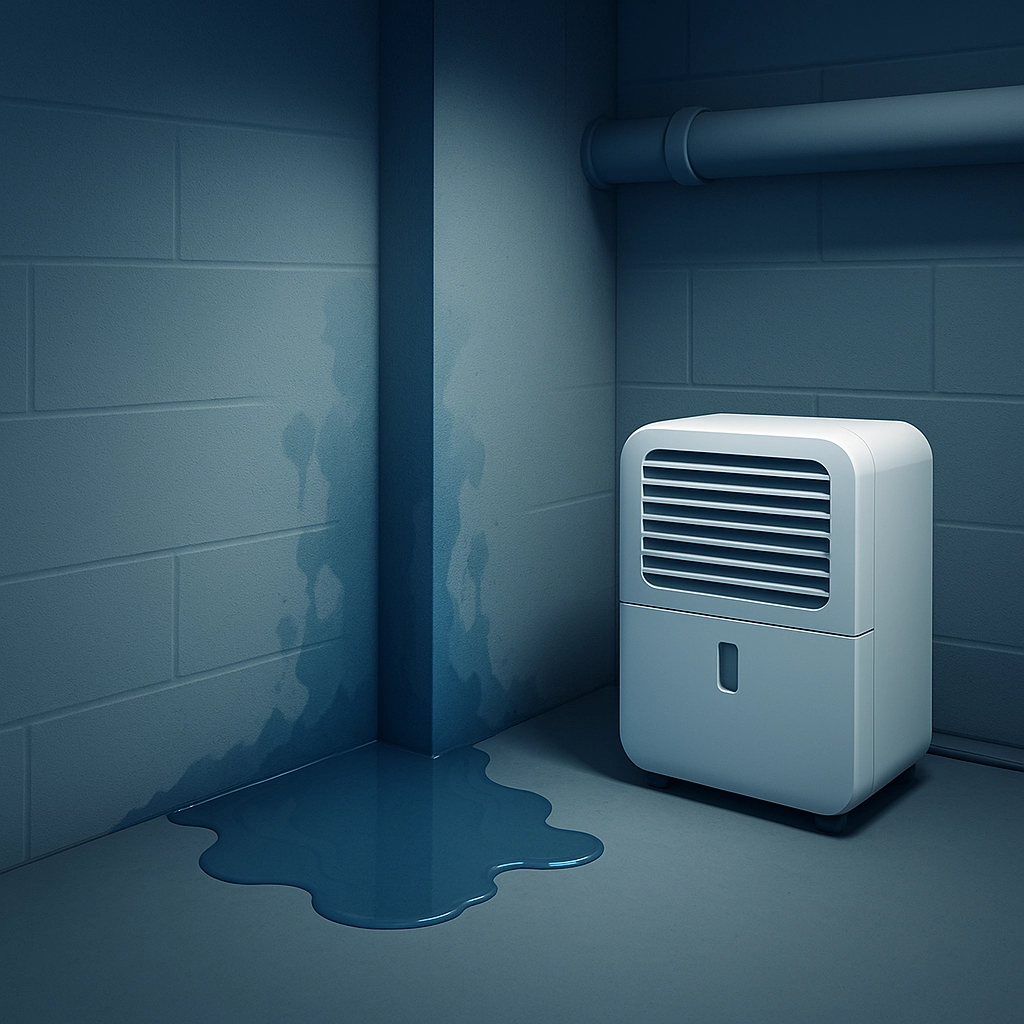
2. Basement Dampness
If your basement develops a musty smell or shows signs of moisture after rainfall, your gutters might not be directing water away from your foundation properly.
3. Exterior Paint Damage
Peeling paint or water stains on exterior walls often indicate that water is flowing down your siding instead of through your gutters.
4. Sagging Gutters
Gutters that pull away from the house or visibly sag in the middle are likely full of debris and standing water. This extra weight can eventually cause them to detach completely.
5. Roof Valleys with Debris
When leaves and twigs collect in the valleys where roof sections meet, they trap moisture against the roof surface, accelerating shingle deterioration and potentially causing leaks.
The 15-Minute Inspection: How to Do It Right
Even if you're not comfortable climbing ladders, you can perform a basic inspection from ground level using binoculars. Here's how to make the most of a quick 15-minute check:
-
Walk the perimeter: Circle your house, looking up at the gutters. Are they straight and firmly attached? Do you see any sagging sections?
-
Check downspouts: Make sure each downspout has an extension directing water away from your foundation.
-
Look for water marks: Check your siding for water stains or streaking, especially beneath gutter seams.
-
Inspect your shingles: Use binoculars to look for missing, curled, or damaged shingles.
-
Check after rainfall: During light rain, observe whether water flows smoothly through downspouts or overflows from gutters.
"Most homeowners wait until they see a water stain on their ceiling before thinking about their roof. By that point, water has already bypassed multiple protective layers and caused significant damage." – Home Inspector Association of America
DIY vs. Professional Maintenance: What You Can (and Should) Handle
DIY-Friendly Tasks:
- Clearing debris from accessible gutters
- Rinsing gutters with a garden hose
- Visual inspections from the ground
- Installing and maintaining downspout extensions
- Monitoring interior ceilings for water stains
When to Call the Professionals (Like Us!):
- Steep or high roofs that require specialized equipment
- Gutter repairs or replacements
- Any roof repairs, even minor ones
- Annual professional inspection (recommended)
- Suspected structural issues
- Complex problems like ice dams

Special Considerations for Different Roof Types
Asphalt Shingle Roofs
Look for: Granules in gutters, curling shingles, black streaks (algae)
Maintenance tip: Avoid power washing; it removes protective granules
Metal Roofs
Look for: Loose fasteners, scratches in protective coating, rust spots
Maintenance tip: Remove debris from valleys promptly to prevent corrosion
Tile/Clay Roofs
Look for: Cracked or slipped tiles, deteriorating underlayment
Maintenance tip: Never walk on tiles; they can crack easily
Flat Roofs
Look for: Ponding water, blisters in membrane, clogged drains
Maintenance tip: Clear drains monthly; standing water is the enemy
The Cost-Benefit Analysis: Prevention vs. Repair
Let's break down the typical costs of prevention versus repair:
Preventive Maintenance:
- DIY gutter cleaning: $0 (just your time)
- Professional gutter cleaning: $150-$300 annually
- Professional roof inspection: $200-$500 annually
- Gutter guards: $800-$2,000 (one-time installation)
Potential Repair Costs:
- Interior ceiling repair from roof leak: $500-$1,000
- Fascia/soffit replacement due to water damage: $1,000-$3,000
- Mold remediation: $2,000-$6,000
- Foundation repair: $4,000-$15,000
- Roof replacement (due to neglect): $8,000-$20,000+
The math clearly supports prevention. A few hundred dollars per year in maintenance can save you thousands in repairs.
Making It Easy: Maintenance Calendar and Checklist
To help make this manageable, create a simple maintenance calendar:
March: Spring gutter cleaning and roof inspection
June: Quick check after spring storms
September: Fall gutter cleaning before leaves drop
November: Final cleaning after leaves fall
January: Check for ice dams during freezes
Set calendar reminders on your phone for these critical dates. It's also helpful to keep a maintenance log to track issues and repairs over time.
Conclusion: Your Roof and Gutters Work as a Team—Treat Them That Way
Your home's protection from water damage relies on both your roof and gutters functioning properly together. By following this checklist and performing regular inspections, you're taking the most important step in preventing costly water damage.
Remember that the best time to address roof and gutter issues is before they cause visible damage inside your home. At Best Roofing Now, we're committed to helping homeowners protect their biggest investment through proper maintenance and timely repairs.
Whether you're comfortable handling maintenance yourself or prefer to leave it to the professionals, the important thing is that it gets done regularly. Your home (and wallet) will thank you.
Need help with your roof or gutter system? Contact us for a professional inspection or to schedule maintenance. We're here to help keep your home dry and protected for years to come.
Download Our Complete Checklist
Want this entire guide in a printable format? Download our comprehensive Roof & Gutter Health Checklist to keep track of your maintenance schedule and ensure you never miss an important inspection.