Living in Charlotte means dealing with some pretty unpredictable weather. From scorching summers with sudden thunderstorms to the occasional winter ice storm, our homes—especially our roofs—take a serious beating year-round. As a Charlotte homeowner myself, I've seen firsthand how the right roofing decisions can mean the difference between minor maintenance and major headaches after a storm rolls through.
Charlotte's Weather Challenges: What Your Roof Is Up Against
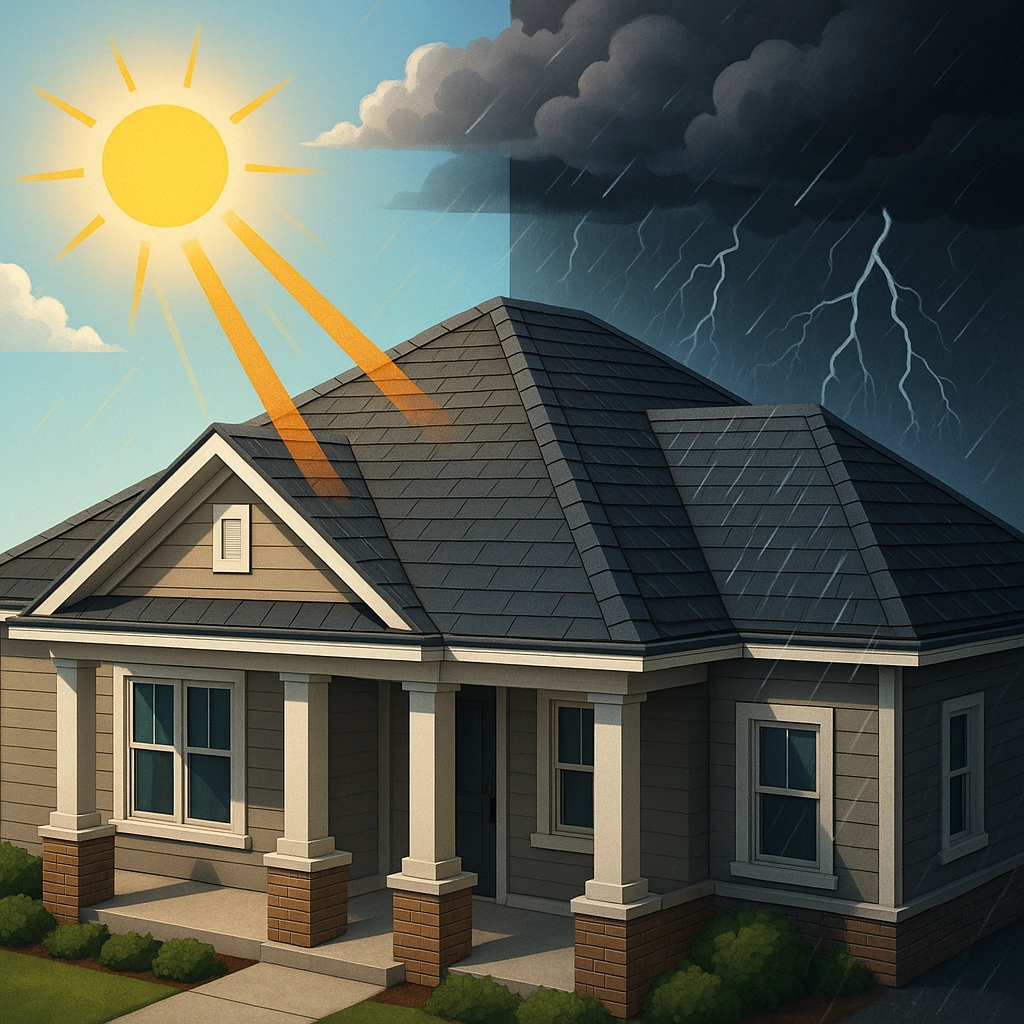
Charlotte's climate throws a bit of everything at your roof. Summer brings intense heat and humidity, punctuated by powerful thunderstorms that can drop several inches of rain in just hours. Fall hurricane season occasionally sends strong winds and heavy rainfall our way. Winter might deliver freezing rain and ice that can wreak havoc on vulnerable roofing systems.
"The biggest mistake homeowners make is assuming their roof can handle whatever Mother Nature throws at it," says Mike Reynolds, a Charlotte-based roofing inspector with 25 years of experience. "In reality, most roofs need specific reinforcements to truly stand up to our local weather patterns."
These weather patterns create unique challenges:
- High winds that can lift and damage shingles
- Heavy rainfall that tests your roof's waterproofing
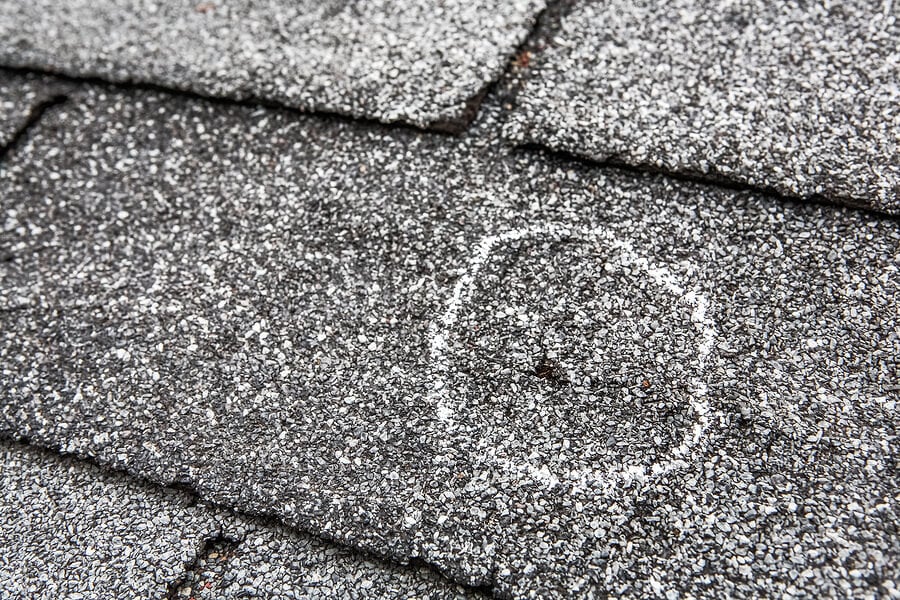
- Hail damage that compromises roofing materials
- Ice dams that form during winter freezes
- UV damage from our intense summer sun
Warning Signs Your Roof Isn't Storm-Ready
Before we dive into solutions, let's identify if your roof might be vulnerable. Look for these telltale signs that your roof needs attention before the next storm:
- Missing or damaged shingles: Gaps in your roofing material create entry points for water.
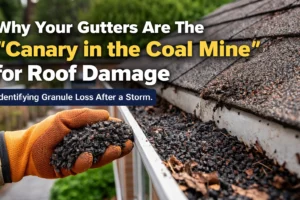
- Granules in gutters: Asphalt shingles shedding their protective granules are more vulnerable to storm damage.
- Sagging areas: This indicates structural issues that could worsen during heavy wind or rain.
- Water stains on ceilings or walls: Evidence that your roof is already leaking.
- Daylight visible through roof boards: Check your attic for light coming through—where light enters, water follows.
- Cracked flashing: The metal components that seal roof transitions are critical for water resistance.
- Moss or algae growth: Besides being unsightly, these organisms hold moisture against your roof, accelerating deterioration.
If you've spotted any of these issues, addressing them before storm season is crucial. Even small vulnerabilities can quickly become major problems during severe weather.
Best Materials for Weather-Resistant Roofing in Charlotte
Not all roofing materials are created equal when it comes to storm resistance. Here are the top performers for Charlotte's climate:
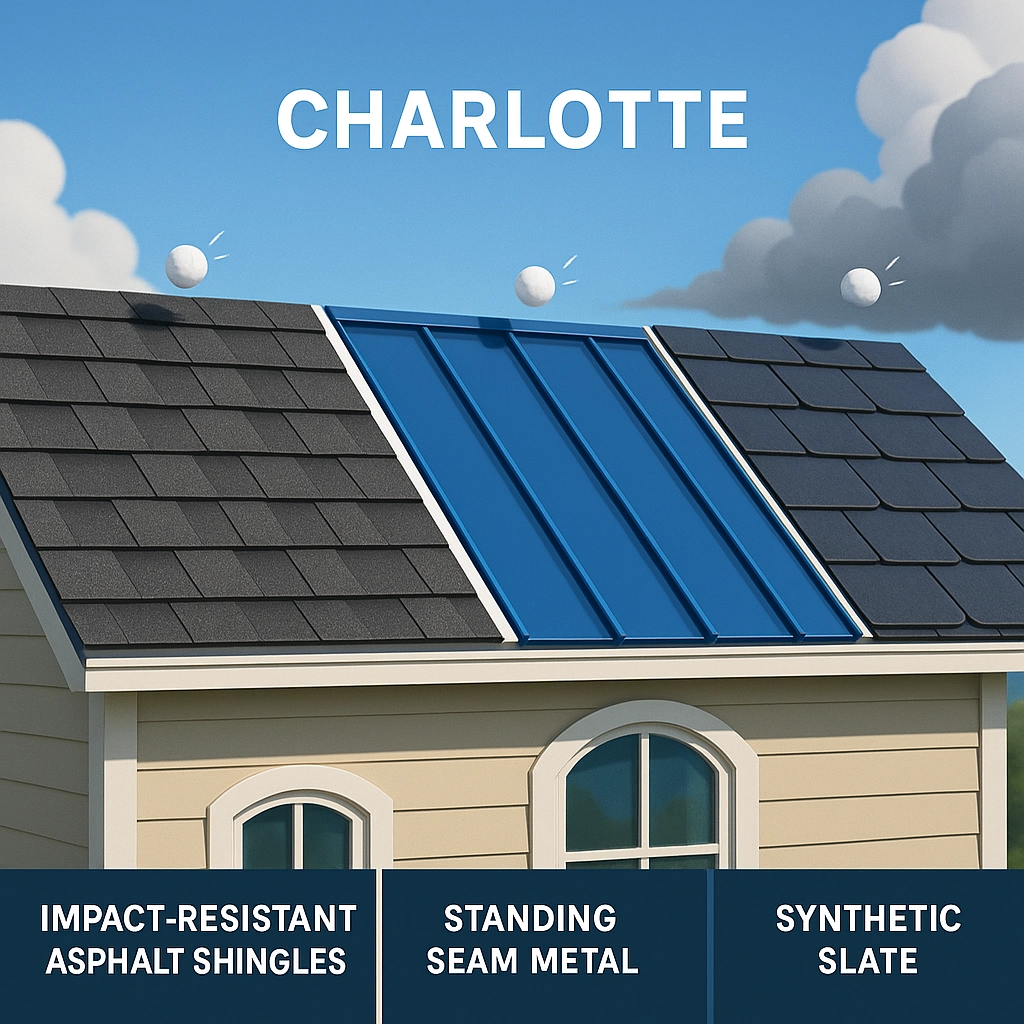
Impact-Resistant Asphalt Shingles
Modern impact-resistant shingles are engineered specifically to withstand hail and flying debris. These shingles have a Class 4 impact rating (the highest available) and often qualify for insurance discounts.
"Impact-resistant shingles are a game-changer for Charlotte homeowners," says Jennifer Taylor, insurance specialist. "Not only do they provide superior protection, but many insurance companies offer 5-15% discounts on premiums when you install them."
Look for brands like CertainTeed's Landmark IR or GAF's Timberline AS II, which combine durability with aesthetic appeal. These premium shingles typically include enhanced wind ratings of 110-130 mph, well above what's needed for our region.
Metal Roofing
Metal roofing has come a long way from the corrugated barn roofs of yesterday. Today's residential metal roofing systems offer exceptional durability:
- Wind resistance: Can withstand winds up to 140 mph
- Impact resistance: Doesn't crack or puncture easily from hail
- Longevity: 40-70 year lifespan compared to 15-30 for asphalt shingles
- Energy efficiency: Reflects solar heat, reducing cooling costs
While the upfront cost is higher, metal roofing often pays for itself through longevity and reduced maintenance. For Charlotte homes, standing seam metal roofs provide the best combination of weather resistance and aesthetic appeal.
Synthetic Roofing Materials
Synthetic roofing products made from recycled rubber and plastics offer incredible durability. Products like synthetic slate can withstand extreme impacts while weighing much less than natural slate, reducing structural requirements.
"When we install synthetic slate or shake products, they're practically bulletproof against Charlotte storms," notes David Chen, roofing contractor. "And homeowners love that they get the classic look without the maintenance headaches."
Structural Reinforcements That Make All the Difference
Beyond choosing the right materials, how your roof is installed and reinforced matters tremendously during storms. These structural elements can dramatically improve your roof's weather resistance:
Hurricane Straps and Clips
These metal connectors create a continuous load path from your roof to your foundation, dramatically increasing wind resistance. During high winds, the lifting force on a roof can be substantial—hurricane straps ensure your roof stays attached to your home.
For existing homes, retrofit options are available that can be installed during reroofing. For new construction or major renovations, comprehensive hurricane strapping should be standard practice in Charlotte.
Enhanced Underlayment Systems
The underlayment is your roof's last line of defense against water intrusion. Standard felt paper isn't enough for storm protection. Instead, consider:
- Synthetic underlayment: More tear-resistant and water-resistant than traditional felt
- Self-adhering ice and water shield: Applied at vulnerable areas like eaves, valleys, and around penetrations
- Full roof ice and water barriers: For maximum protection, covering the entire roof deck with waterproof membrane
These upgraded underlayment systems add relatively little to the total cost of a new roof but provide enormous benefits during severe weather events.
Proper Ventilation Systems
Properly balanced attic ventilation serves two critical functions in storm-proofing:
- Reduces pressure differentials: During high winds, proper ventilation equalizes pressure between your attic and the outside, reducing the lifting force on your roof.
- Prevents moisture buildup: Trapped moisture in your attic degrades roofing components from the inside out, weakening their storm resistance over time.
A combination of ridge vents, soffit vents, and possibly gable vents creates the ideal airflow pattern to keep your roof system healthy and storm-resistant.
Maintenance: The Key to Long-Term Storm Resistance
Even the best roofing system requires regular maintenance to maintain its weather resistance. Here's your Charlotte storm-proofing maintenance checklist:
Seasonal Roof Inspections
Schedule professional inspections at least twice yearly:
- Spring inspection: Address winter damage before summer storms
- Fall inspection: Prepare for winter weather and check for summer storm damage
For DIY monitoring between professional visits, use binoculars from ground level to check for obvious issues like missing shingles or damaged flashing.
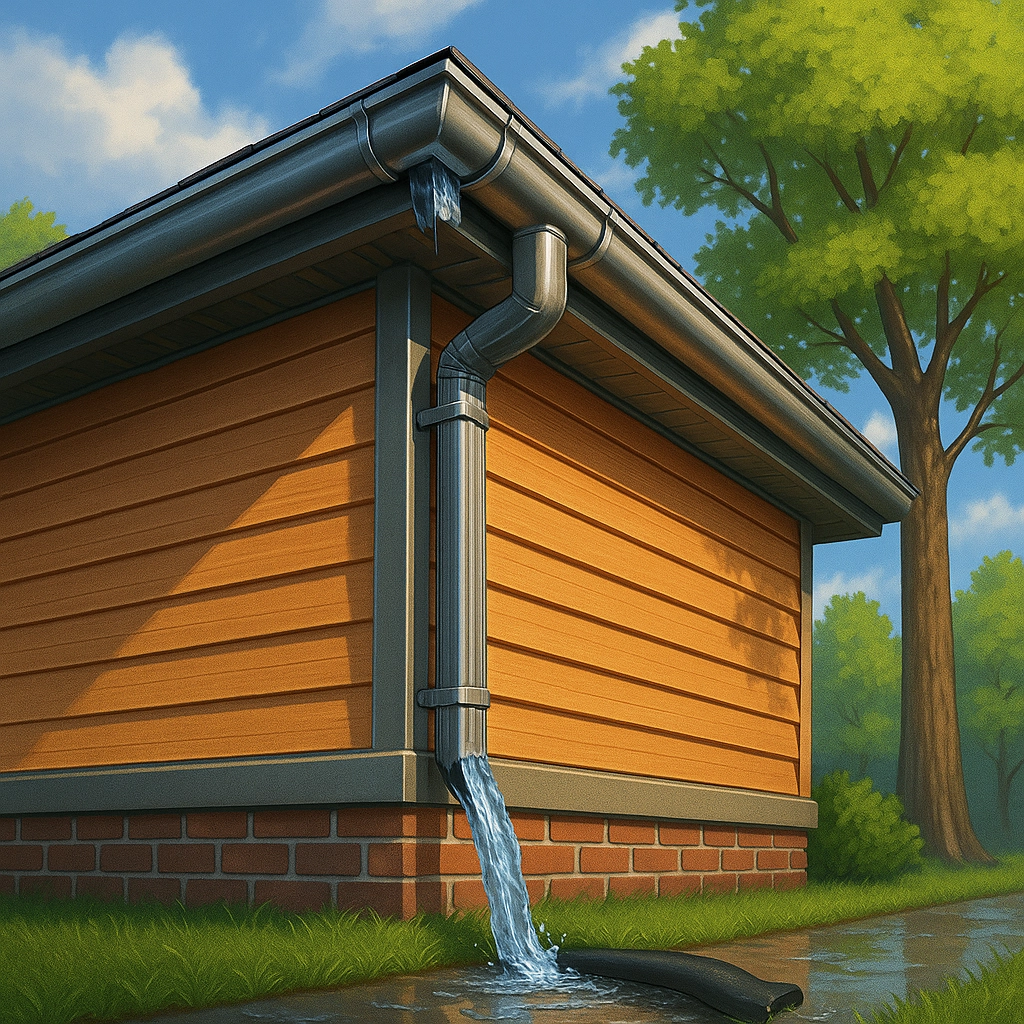
Gutter Maintenance
Your gutters are critical for directing water away from your home during heavy rainfall:
- Clean gutters and downspouts at least quarterly
- Check for proper slope and secure attachment to fascia
- Ensure downspouts direct water at least 3 feet from your foundation
- Consider gutter guards to prevent debris buildup
Properly functioning gutters prevent water from backing up under shingles and keep your foundation and basement dry during heavy storms.
Tree Management
Overhanging branches are among the biggest threats to your roof during storms:
- Trim branches that extend over your roof, especially those within 10 feet
- Remove dead or diseased trees that could fall during high winds
- After storms, clear debris from your roof promptly to prevent moisture retention
A single fallen branch can puncture roofing materials, creating an entry point for water that leads to extensive interior damage.
Professional Inspections: What to Expect
While DIY monitoring is important, nothing replaces professional roof inspections when it comes to storm-proofing. A thorough professional inspection should include:
- Structural assessment: Checking for sagging, truss damage, or other structural issues
- Material evaluation: Examining shingles, flashing, and other materials for damage or wear
- Attic inspection: Looking for proper ventilation, signs of leaks, or moisture issues
- Gutter system review: Ensuring proper drainage and attachment
- Penetration examination: Checking around chimneys, vents, and other roof penetrations
- Written report: Documenting findings with photos and specific recommendations
At Best Roofing Now, our comprehensive inspections identify storm vulnerabilities before they become problems. Our detailed reports help you prioritize repairs and improvements to maximize your home's weather resistance.
Insurance Considerations for Storm-Proofed Roofs
Many homeowners don't realize that upgrading to storm-resistant roofing can significantly impact their insurance coverage and costs:
Premium Discounts
Many insurance companies offer substantial discounts for homes with certified impact-resistant roofing materials. These discounts can range from 5-25% of your premium, potentially saving hundreds of dollars annually.
Improved Coverage Options
With storm-resistant roofing, you may qualify for better coverage terms, including lower deductibles for weather-related claims or expanded coverage options.
Documentation Matters
Keep records of all roofing improvements, including:
- Material specifications and warranty information
- Installation certification from your contractor
- Photos of completed work
- Inspection reports
This documentation is invaluable when filing claims or seeking insurance discounts.
The Bottom Line: Is Storm-Proofing Worth It?
When we analyze the numbers, the case for storm-proofing your Charlotte home is compelling:
- Average roof replacement cost: $8,000-$15,000
- Average storm damage repair: $5,000-$10,000 per incident
- Potential insurance savings: $200-$500 annually
- Added home value: Up to 7% increase with premium, storm-resistant roofing
Over a typical 20-30 year period, storm-proofing investments generally pay for themselves through avoided damage, reduced insurance costs, and increased home value—not to mention the peace of mind that comes with knowing your home is protected.
Taking the Next Step
Ready to storm-proof your Charlotte home? Start with a comprehensive roof inspection to identify your current vulnerabilities and prioritize improvements. At Best Roofing Now, we specialize in weather-resistant roofing solutions tailored to Charlotte's unique climate challenges.
Our team can help you navigate material choices, structural improvements, and even insurance considerations to ensure your home stands strong against whatever weather comes our way.
Don't wait until storm damage has already occurred. Contact us today for a free roof inspection and consultation on making your home truly storm-proof. Your roof protects everything beneath it—make sure it's up to the challenge of Charlotte's weather.