
So here we are. Charlotte just lived through the worst snowstorm in decades. If you're reading this, you probably spent the last week digging out your driveway, checking on neighbors, and wondering if your roof was going to hold up under all that white stuff.
Good news: Most roofs did just fine. The real test? It's happening right now.
Because all that snow has to go somewhere. And when it melts, that's when the hidden problems show up.
The Warming Trend Is Here (And It's Fast)
The National Weather Service is calling for temps in the 50s and 60s across Charlotte and the surrounding areas. That's a massive swing from the single-digit wind chills we saw just days ago. By mid-February, we're looking at above-average temperatures sticking around for a while.
Here's what that means for your roof: Every inch of snow that's been sitting up there for the past week is about to turn into water. A lot of water. Fast.
And when water moves fast, it finds every weak spot in your roofing system.
Where Does All That Water Go?
Let's walk through what happens when snow melts on your roof. It's not as simple as "down the gutters and away."
The snow on your roof doesn't melt evenly. The parts closest to your warm attic melt first. That creates a layer of water between the snow and your shingles. If your gutters are clogged (and after this storm, most of them are), that water backs up under the shingles.
This is how you get water in your attic even though you don't have any visible damage.
The water also refreezes overnight when temps drop. That's where ice dams come in. And ice dams are one of the biggest threats to your roof during the melt.

Ice Dams: The Hidden Damage Maker
An ice dam is a ridge of ice that forms at the edge of your roof. It happens when melting snow runs down and refreezes at the cold eaves.
Once that dam forms, water backs up behind it. And it has nowhere to go but under your shingles. That's when you start seeing water stains on your ceiling, wet insulation in your attic, and sometimes even water running down your interior walls.
The National Roofing Contractors Association says ice dams are responsible for millions of dollars in damage every winter. Most homeowners don't even know they have one until they see water inside.
Here's how to spot an ice dam:
- Icicles hanging from your gutters (especially large ones)
- Ice buildup along the edge of your roof
- Water stains on your ceiling near exterior walls
- Sagging or wet spots in your attic insulation
If you see any of these, you need to act fast. The longer water sits under your shingles, the more damage it does.
What NOT to do: Don't climb up there with a hammer or ice pick. You'll punch holes in your roof faster than the ice dam will. And don't use a pressure washer. The force can lift shingles and cause more leaks.
What TO do: Call us for a free inspection. We've seen hundreds of ice dams across Charlotte and Lake Norman. We know how to safely remove them without damaging your roof.
Your Gutters Are Working Overtime (Or Not Working At All)
Let's be honest. When was the last time you cleaned your gutters?
After a storm like this, your gutters are probably packed with leaves, pine needles, ice, and debris. That means all the meltwater has nowhere to go. It overflows and runs down your siding, pools near your foundation, or backs up under your shingles.
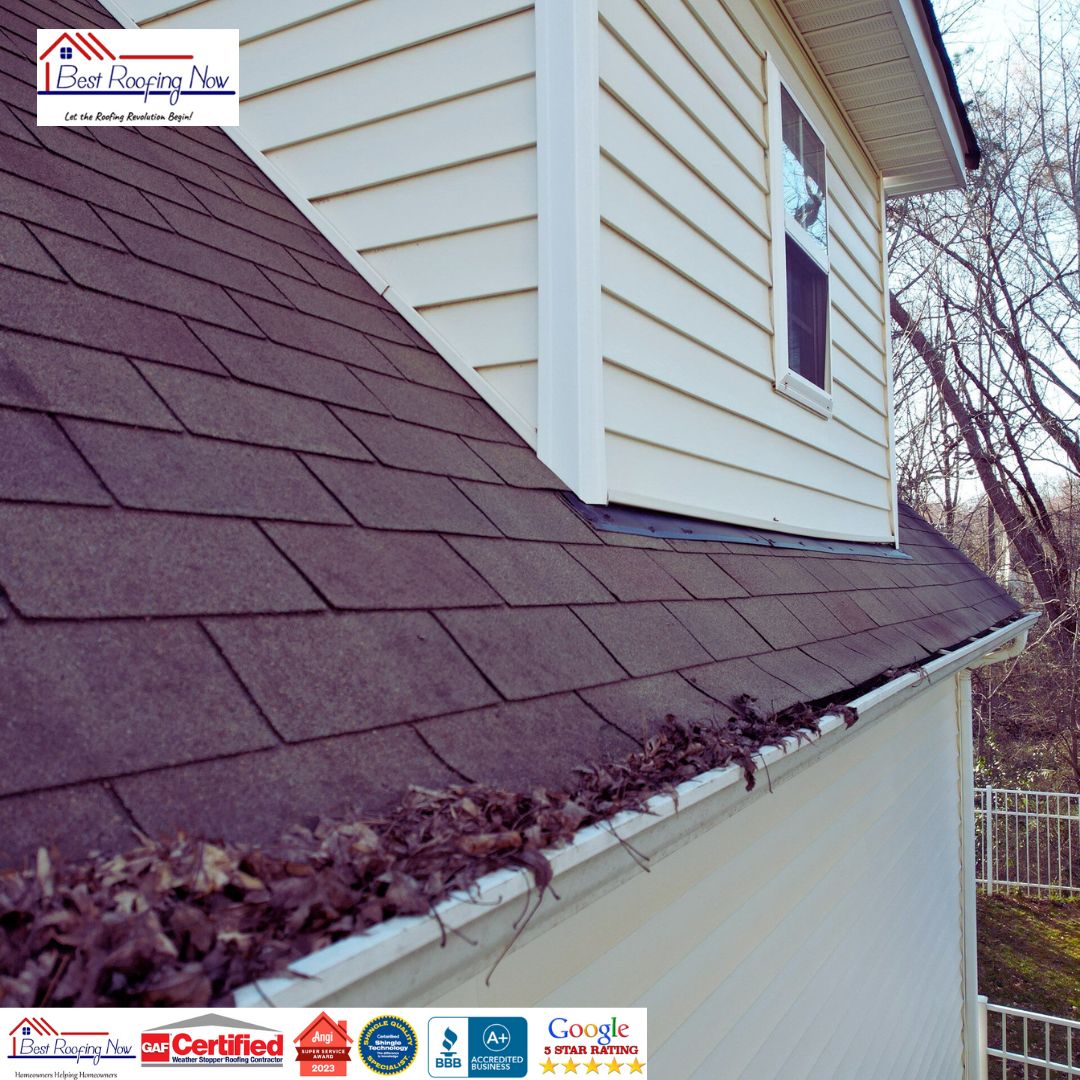
Check your gutters now while temps are above freezing. Look for:
- Standing water in the gutters
- Ice chunks blocking the downspouts
- Gutters pulling away from the fascia
- Water overflowing during the next rain
If your downspouts are frozen solid, you've got a problem. Melting snow has to drain somewhere. If it can't go down, it goes sideways: right into your home.
One trick: Pour warm (not boiling) water down the downspout to break up ice blockages. But if you've got major damage or sagging gutters, call a pro. We offer roof repair services that include gutter work.
The Hidden Leaks That Show Up Later
This is the part that frustrates homeowners the most. You might not see a leak today. Or tomorrow. But two weeks from now, you notice a brown stain spreading across your bedroom ceiling.
What happened?
The water got in during the melt. But it took time to soak through insulation, travel along roof decking, and finally drip through the drywall. By the time you see it, the damage has been happening for days.
Here's where to look for hidden leaks:
In Your Attic:
- Dark streaks or stains on the underside of the roof decking
- Wet or compressed insulation
- Mold or mildew smell
- Daylight coming through the roof boards
On Your Ceilings:
- New water stains (usually yellow or brown)
- Bubbling or peeling paint
- Sagging drywall
Around Your Chimney:
- Water stains on the brick or siding near the chimney
- Dampness in the fireplace
- Rust on the damper
If you spot any of these, don't wait. Water damage gets expensive fast. The average cost to repair water damage from a roof leak runs into the thousands. But catching it early? That's usually a simple repair.
We've written a detailed guide on how to tell if your roof needs emergency repair after a storm that walks through all the warning signs.
Ventilation Matters More Than You Think
Your attic ventilation plays a huge role in how well your roof handles the melt. Poor ventilation traps warm air in your attic. That warm air melts the snow from underneath, which speeds up ice dam formation.
A properly ventilated attic stays cold. That means snow melts slowly and evenly, giving your gutters time to drain it away.
Walk outside and look at your neighbors' roofs. See one that's completely clear while others still have snow? That house probably has poor insulation or ventilation. The heat from inside is melting the snow too fast.
If your roof is the one that's bare, you're wasting energy (and money) heating your attic instead of your home. And you're creating the perfect conditions for ice dams.

What About Flat or Low-Slope Roofs?
If you own a commercial building or have a flat roof on your home, you're facing a different challenge. Flat roofs don't shed water like pitched roofs do. They rely on drains and scuppers to move water off.
When those drains freeze or get clogged with debris, water pools on your roof. A lot of water. And flat roofs aren't designed to hold that much weight for long.
Signs your flat roof is in trouble:
- Visible ponding water (puddles that stay for more than 48 hours)
- Sagging or deflection in the roof membrane
- Drains covered in ice
- Water stains on interior ceilings
We handle commercial roofing across Charlotte and Lake Norman. If you've got a flat roof and you're worried about the melt, give us a call. We'll check your drainage system and make sure you're not at risk for a collapse.
Trees, Limbs, and Debris
Charlotte is the "City of Trees." That's great for shade in the summer. Not so great when heavy snow weighs down limbs and drops them on your roof.
Even if a limb didn't punch through your shingles, it might have cracked them. Or dented the flashing around your chimney. Or knocked gutters loose.
Now that the snow is melting, walk around your property and look up. Check for:
- Limbs resting on your roof
- Broken or hanging branches
- Piles of leaves and debris in valleys or behind the chimney
- Dented or bent flashing
Remove any debris you can safely reach from the ground. For anything else, call us. Climbing on a wet, icy roof is how people end up in the ER.
What to Do Right Now
You don't need to panic. But you should be proactive. Here's your action plan for the next week:
Today:
- Walk around your house and look at your roof from the ground
- Check for icicles, ice dams, or visible damage
- Clear gutters and downspouts if you can do it safely
- Look for water stains inside (attic, ceilings, walls)
This Weekend:
- Go into your attic with a flashlight
- Look for wet insulation, dark stains, or daylight
- Check your ventilation vents: make sure they're not blocked by snow
Next Week:
- Monitor your ceilings for new stains
- Check your gutters during the next rain to make sure they're draining
- Remove any tree limbs or debris from your roof
If you see anything concerning: call us. Seriously. We'd rather come out for a free inspection and tell you everything's fine than have you wait and end up with thousands in water damage.

When to Call a Professional
Some homeowners try to DIY their way through roof problems. I get it. You want to save money. But roofs are dangerous. And the wrong repair can make things worse.
Call a pro if:
- You see active leaking inside your home
- You have ice dams you can't safely remove
- Your gutters are sagging or pulling away from the house
- You see shingle damage, missing flashing, or punctures
- You're not comfortable getting on a ladder
We've been serving Charlotte and Lake Norman for years. We've seen every kind of storm damage you can imagine. And we've seen what happens when homeowners wait too long to fix small problems.
A $200 repair today beats a $5,000 insurance claim next month.
Here's what we do during a free inspection:
- Check your shingles, flashing, and gutters
- Look for ice dam damage or water intrusion
- Inspect your attic for leaks or ventilation issues
- Give you a written report with photos
- Explain exactly what needs to be fixed (and what can wait)
No pressure. No upselling. Just honest answers from someone who's been doing this for years.
The Bottom Line
The 2026 snowstorm was historic. But the melt is where the real damage happens. Water is relentless. It finds every gap, every crack, every weak spot in your roofing system.
The good news? Most problems are easy to fix if you catch them early.
So take 20 minutes this weekend. Walk around your house. Look up. Check your attic. And if anything looks off, give us a call.
We're local. We're veteran-owned. And we care about keeping Charlotte and Lake Norman homes safe and dry.
Ready for a free roof inspection? We're scheduling appointments all week. Call us or visit Best Roofing Now to book your spot. Let's make sure your roof is ready for whatever the rest of winter throws at us. ✅