Your roof is your home's first line of defense against the elements, yet it's often the most overlooked part of home maintenance. At Best Roofing Now, we've seen how proper roof care can save homeowners thousands in repairs and extend roof life by years. Whether you've just moved into a new home or have been in your house for decades, these top 10 roofing tips will help you protect your investment and avoid costly emergencies.
1. Schedule Regular Professional Roof Inspections
The foundation of good roof maintenance is regular professional inspections. Most roofing experts recommend having your roof inspected at least once a year and after any major storm event. Professional roofers can spot early warning signs that might escape the untrained eye.
"An annual roof inspection is the most cost-effective insurance policy you can buy for your home," says our lead inspector at Best Roofing Now. "We regularly find small issues that would have turned into $5,000+ repairs if left unaddressed."
During a professional inspection, experts check for:
- Loose, missing, or damaged shingles
- Signs of water damage or leaks
- Flashing integrity around chimneys and vents
- Sagging areas that might indicate structural problems
- Gutter condition and attachment
Scheduling your inspection in early fall prepares your roof for winter weather, while a spring inspection helps identify any damage from winter storms. Our residential roofing team can help set up a regular inspection schedule that works for your home.
2. Clean Your Gutters Seasonally
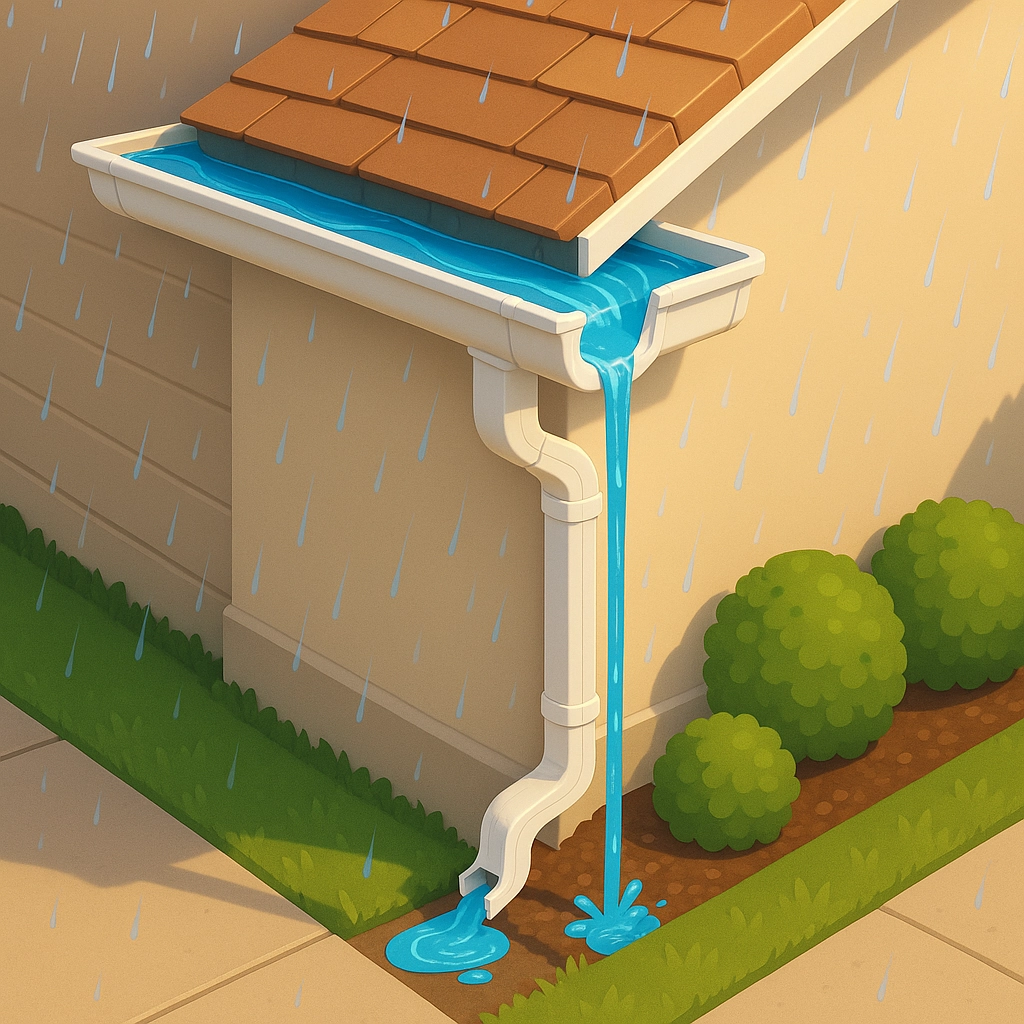
Clogged gutters are one of the leading causes of roof and foundation damage. When gutters can't properly channel water away from your home, that water can back up under shingles, seep into fascia boards, or spill over and damage your foundation.
For most homes, a good gutter cleaning schedule includes:
- Early spring (to remove winter debris)
- Mid-summer (to check for blockages before storm season)
- Late fall (after most leaves have fallen)
While cleaning, check for:
- Proper gutter slope (1/4 inch decline for every 10 feet of gutter)
- Secure fasteners and brackets
- Signs of rust or damage
- Downspouts that direct water at least 3 feet from your foundation
For homeowners who prefer to leave this task to professionals, our residential gutter services include comprehensive cleaning and maintenance.
3. Remove Debris From Your Roof Surface
Leaves, pine needles, branches, and other debris don't just look unsightly on your roof—they actively damage it. Debris traps moisture against your roofing materials, accelerating deterioration and creating perfect conditions for moss and algae growth.
Safety tip: Never walk on your roof to remove debris. Instead, use a leaf blower from a ladder (securely positioned) or a roof rake with an extension pole from the ground. For two-story homes or steep roofs, this is a job best left to professionals.
Specific areas to keep clear include:
- Roof valleys where debris naturally collects
- Areas around chimneys and vents
- The space between solar panels (if installed)
- Low-slope sections where water may pool
Seasonal timing matters too—clear pine needles in spring, check after summer storms, and be vigilant about leaf removal in fall.
4. Know Your Roof Type and Its Specific Needs
Different roofing materials have unique maintenance requirements and lifespans:
Asphalt Shingles (15-30 years)
- Check for curling edges and granule loss
- Replace damaged shingles promptly
- Particularly vulnerable to extreme heat and hail
Metal Roofing (40-70 years)
- Inspect for loose fasteners or separated seams
- Check paint for scratches that could lead to rust
- Remove debris that might cause scratches
Tile/Slate (50+ years)
- Look for cracked or broken tiles
- Ensure underlying waterproofing is intact
- Check for proper alignment after high winds
Flat/Low-Slope Roofs (10-25 years)
- Ensure proper drainage
- Check membrane for punctures or tears
- Look for pooling water after rain
Our roof materials page provides more detailed information about the specific needs of different roofing systems.
5. Address Moss and Algae Growth Immediately
Moss and algae don't just affect your home's curb appeal—they can significantly shorten your roof's lifespan. These organisms hold moisture against your roofing materials and can even lift shingles as they grow.
Prevention is your best strategy:
- Trim overhanging branches to increase sunlight on your roof
- Install zinc or copper strips near the ridge (the metal's runoff prevents growth)
- Keep your roof clean and free of debris
For existing growth:
- Avoid pressure washing, which can damage shingles
- Use a 50/50 mix of water and white vinegar or specialized roof cleaning solutions
- Apply with a soft brush on a cloudy day to prevent quick drying
For extensive growth or roofs with significant slope, consider our professional cleaning services, which remove harmful organisms without damaging your roofing materials.
6. Check Your Attic Ventilation and Insulation
Proper ventilation and insulation don't just affect your energy bills—they directly impact your roof's health and longevity.
Signs of inadequate ventilation include:
- Excessive heat in your attic during summer
- Moisture or frost in your attic during winter
- Peeling paint or blistered siding near roof edges
- Premature aging of roofing materials
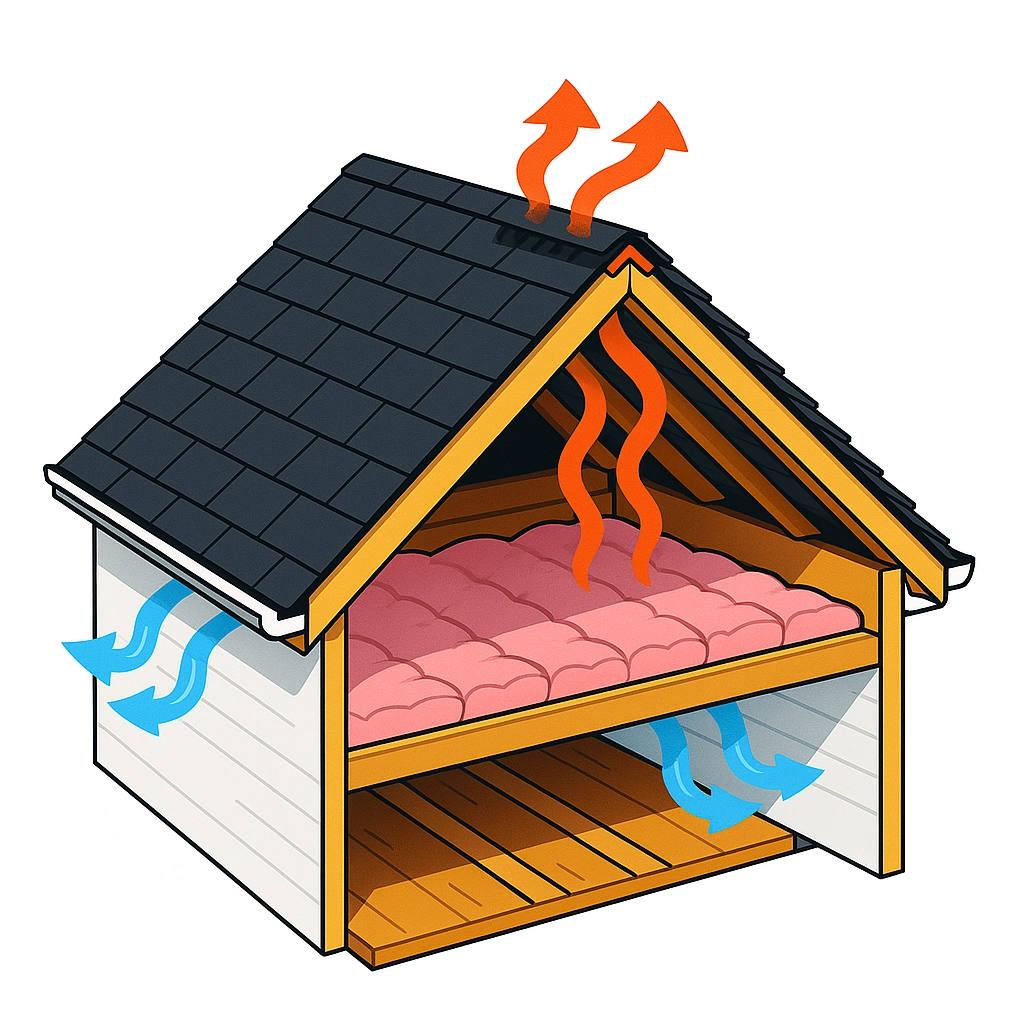
A properly ventilated attic should have:
- Intake vents at the soffits or eaves
- Exhaust vents near the ridge
- A balanced system allowing air to flow freely
"Proper attic ventilation can extend your roof's life by up to 20%," notes our installation team lead. "It's the most overlooked aspect of roof maintenance, but it's crucial for preventing moisture damage and reducing energy costs."
While checking ventilation, also inspect your insulation for signs of water damage, which could indicate a roof leak that needs immediate attention.
7. Trim Overhanging Tree Branches
Trees add beauty and value to your property, but branches hanging over your roof can cause multiple problems:
- Physical damage during storms
- Constant debris that holds moisture against your roof
- Increased moss and algae growth in shaded areas
- Access points for squirrels, raccoons, and other pests
Maintain at least a 10-foot clearance between branches and your roof. For large trees or those close to power lines, hire a professional arborist rather than attempting trimming yourself.
When planning new landscaping, consider mature tree height and spread to avoid future issues with your roof.
8. Look for Interior Warning Signs
Sometimes the first indicators of roof problems appear inside your home. Develop a habit of checking for:
- Water stains on ceilings or walls
- Peeling paint or wallpaper
- Damp spots in attic insulation
- Mold or mildew smells
- Sagging ceilings or roof decking visible from the attic
These interior signs often appear before external damage is visible, so catching them early can prevent extensive repairs. If you notice any of these warning signs, schedule a professional inspection immediately.
9. Understand Your Warranty Coverage
Your roof likely came with two types of warranties:
- Manufacturer's warranty covering the roofing materials
- Workmanship warranty from the installer covering installation quality
Both have specific requirements to maintain coverage. Common warranty-voiding mistakes include:
- DIY repairs using incorrect materials
- Installing satellite dishes or solar panels without professional guidance
- Power washing shingles
- Neglecting regular maintenance
Keep all documentation related to your roof installation and maintenance in a dedicated file, and review warranty terms to ensure you're not accidentally voiding your coverage.
10. Develop a Seasonal Roof Maintenance Calendar
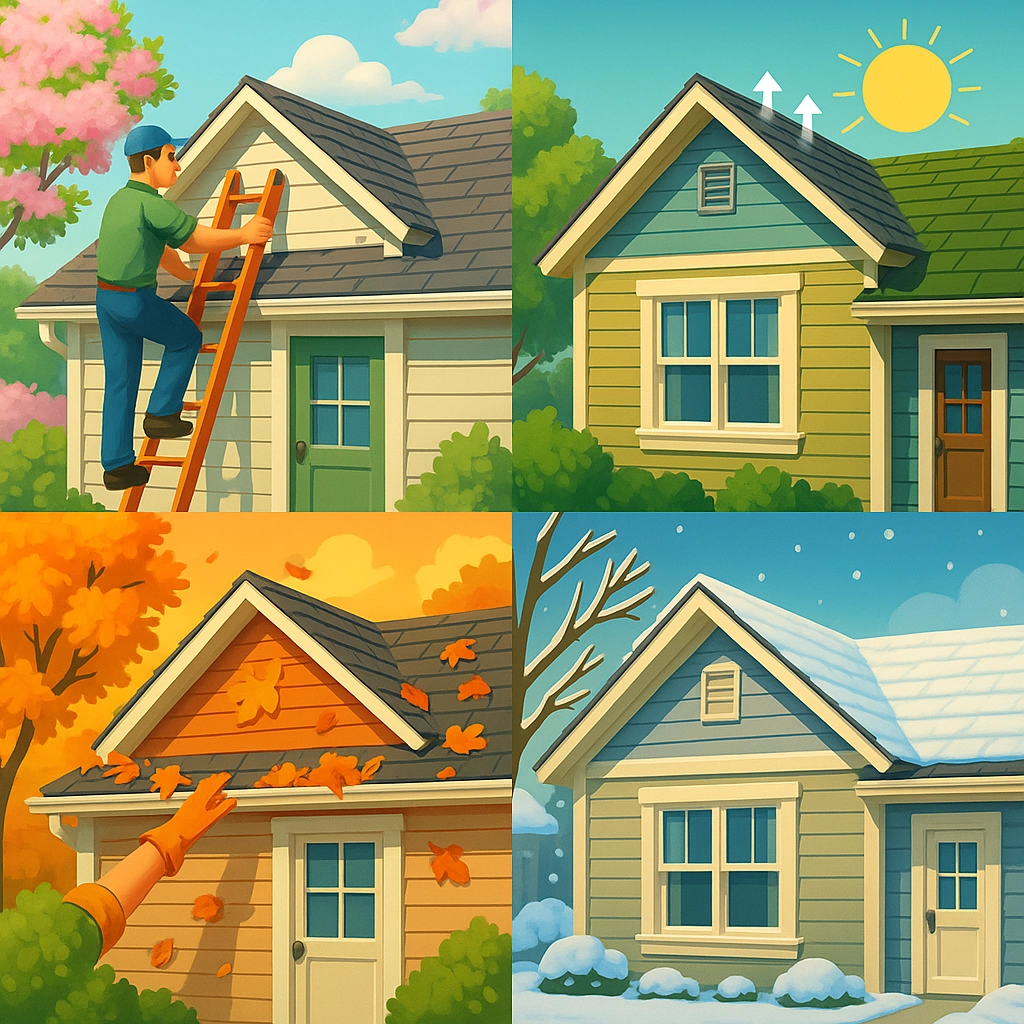
Creating a seasonal maintenance schedule helps ensure nothing falls through the cracks:
Spring:
- Schedule professional inspection
- Clean gutters after spring pollen season
- Check for winter damage
- Look for signs of nesting animals
Summer:
- Check attic temperature during hot days
- Inspect for storm damage after severe weather
- Look for signs of excessive heat damage to shingles
Fall:
- Clean gutters frequently during leaf drop
- Remove debris from roof surface
- Check flashing and seals before winter
- Inspect chimney and roof penetrations
Winter:
- Monitor for ice dams after snowfall
- Check attic for frost or moisture
- Remove snow buildup (when safe to do so)
Bonus Tip: Know When to Call a Professional
While some roof maintenance tasks are DIY-friendly, others require professional expertise. Always call a licensed roofing contractor for:
- Walking on steep or high roofs
- Any structural concerns
- Flashing repairs or replacement
- Multiple missing or damaged shingles
- Signs of water intrusion
- After significant storm events
At Best Roofing Now, we offer comprehensive roofing services ranging from emergency repairs to complete replacements. Our experienced team can help you develop and implement a maintenance plan that protects your home and extends your roof's life.
The Bottom Line
Your roof is one of your home's most valuable assets, typically representing 3-5% of your home's value. Regular maintenance not only protects this investment but also prevents the cascade of problems that can occur when roofing issues go unaddressed.
By following these 10 essential roofing tips, you'll be well on your way to maximizing your roof's lifespan and avoiding costly emergency repairs. Remember: when it comes to your roof, an ounce of prevention truly is worth a pound of cure.
Have questions about your roof's condition or need to schedule a professional inspection? Contact our team today for expert advice and service you can trust.