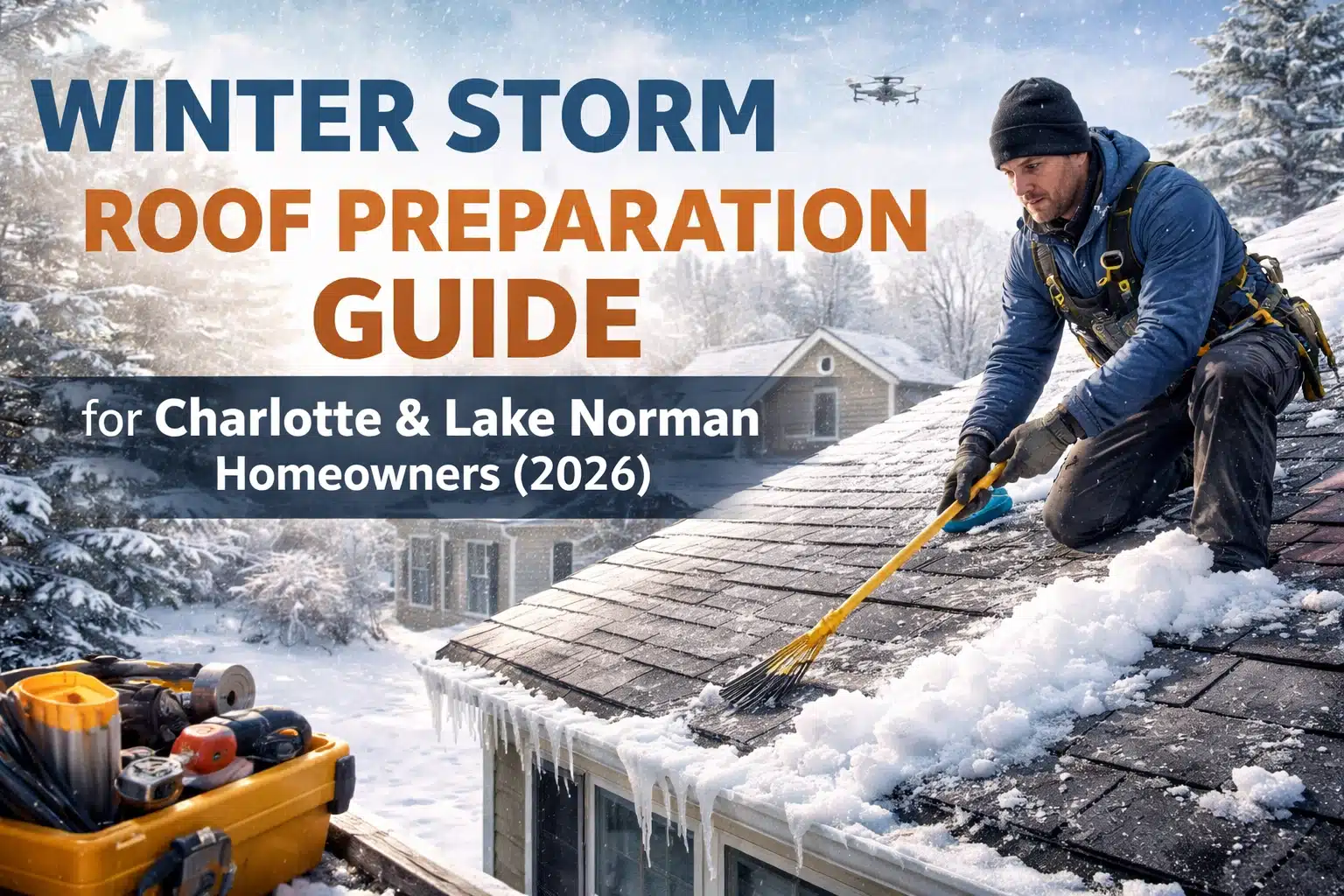
A major winter storm is heading toward Charlotte and Lake Norman this weekend. Forecasters predict ice, snow, and strong winds across our region. Now is the time to protect your home's most important defense: your roof.
We're seeing weather alerts for Mecklenburg, Iredell, Cabarrus, and Lincoln counties. The forecast shows significant ice buildup and freezing temperatures. At Best Roofing Now, we've helped hundreds of homeowners prepare for storms like this one. This guide shares everything we know about keeping your roof safe.
Why Winter Storms Hit Charlotte Roofs So Hard
Many people think Charlotte has mild winters. And that's true, most of the time. But our region faces a sneaky threat that causes more damage than heavy snowfall ever could.
Freeze-thaw cycles are the real enemy here.
During the day, temperatures rise above freezing. Water seeps into tiny cracks in your shingles and flashing. At night, that water freezes and expands. This cycle repeats day after day. Each time, the cracks grow larger. Small problems become big leaks.
The January 2024 ice storm showed us just how dangerous this can be. That storm caused over $50 million in property damage across the Charlotte metro area. Roof damage made up a huge portion of insurance claims.
Ice creates problems that snow simply doesn't:
- Ice weighs five times more than snow for every inch that builds up
- Freeze-thaw cycles cause shingles to crack and lift at the edges
- Ice dams form along roof edges and force water under your shingles
- Tree branches get heavy with ice and crash onto roofs
The National Roofing Contractors Association notes that "ice dam formation is one of the most common causes of winter roof leaks in transitional climate zones." Charlotte falls right into that category.

Your 7-Step Roof Preparation Checklist Before the Storm
We've put together this checklist based on years of emergency calls after winter storms. These steps work. They can save you thousands in repairs. And most of them cost nothing but your time.
Step 1: Clear Your Gutters and Downspouts Today
Clogged gutters cause more winter roof damage than almost anything else. Here's why they matter so much.
When leaves and debris block your gutters, water has nowhere to go. It backs up under your shingles. Then it freezes. This creates ice dams, thick ridges of ice that trap even more water on your roof.
What you need to do:
- Pull out all leaves, twigs, and debris from every gutter
- Run water through your downspouts with a hose to check for clogs
- Make sure downspout extensions point water away from your foundation
- Look for sagging sections that might hold standing water
This task takes most homeowners about an hour. But it prevents the number one cause of ice dam formation.
Step 2: Trim Those Overhanging Tree Branches
Charlotte neighborhoods like Myers Park, Dilworth, and Davidson have gorgeous mature trees. Lake Norman properties often have beautiful oaks and pines right next to homes. But heavy branches loaded with ice become falling hazards fast.
Focus on these priority areas:
- Any branch within 10 feet of your roof surface
- Dead or dying branches (these break first under ice weight)
- Branches that touch or hang over power lines near your home
Can't safely trim branches yourself? Call a certified arborist today. Most are booking up fast before the storm hits. Waiting until after the storm means waiting in a very long line.
Step 3: Check Your Attic Insulation and Ventilation
This step confuses a lot of homeowners. How does your attic affect your roof during winter? The answer matters more than you might think.
Warm air rises from your living space into your attic. If your insulation is thin or has gaps, that warmth escapes through your roof. The snow or ice on your roof melts unevenly. Water runs down to the colder edges. There it refreezes into an ice dam.
Proper insulation keeps your attic cold and your roof temperature consistent.
What to look for:
- Insulation depth should reach at least R-38 in Charlotte (about 10-14 inches deep)
- Check for gaps around pipes, wires, and light fixtures
- Make sure soffit vents and ridge vents aren't blocked
- Look for frost or moisture under the roof deck, this signals ventilation problems
Poor ventilation leads to condensation. Condensation leads to mold and rot. We see this pattern all the time in older Charlotte homes.

Step 4: Look for Existing Roof Damage
Any damage on your roof right now will get worse during winter weather. A small crack becomes a major leak. A loose shingle becomes a missing shingle.
Walk around your home and look up at your roof. Here's what you're checking for:
- Missing, cracked, or curling shingles
- Damaged flashing around chimneys, skylights, or vents
- Sagging areas that might indicate structural problems
- Previous patch jobs that look worn or loose
If you spot damage, don't wait. Call Best Roofing Now at (704) 605-6047 for an emergency inspection before the storm arrives. We can often get there the same day. Small repairs now prevent expensive emergencies later.
Step 5: Document Your Roof's Current Condition
This step takes five minutes. It can save you weeks of headaches with insurance claims.
Grab your phone. Walk around your entire property. Take clear photos and videos of your roof from every angle you can safely reach.
What to photograph:
- All four sides of your roof
- Close-up shots of any existing wear or damage you notice
- Your gutters and downspouts
- Trees near your home and their proximity to your roof
Store these photos somewhere you won't lose them. Email them to yourself. Upload them to cloud storage. This documentation proves what your roof looked like before the storm hit.
Step 6: Gather Your Emergency Supplies
Storms don't wait for convenient times. You might notice a leak at 2 AM on a Saturday. Having supplies ready makes a stressful situation much easier to handle.
Keep these items somewhere accessible:
- Heavy-duty tarps (at least 10×12 feet)
- Buckets for catching leaks
- Flashlight with fresh batteries
- Your homeowner's insurance policy number
- Best Roofing Now's 24/7 emergency number: (704) 605-6047
You probably won't need any of this. But if you do, you'll be glad you prepared.
Step 7: Review Your Insurance Policy
Before the storm hits, dig out your homeowner's insurance policy. Read through the roof coverage section carefully.
Confirm these details:
- Your deductible amount
- Whether ice and wind damage are covered
- The deadline for filing claims
- Your insurance company's emergency contact number
Most standard homeowner's policies in North Carolina cover ice and wind damage to roofs. But policies vary. Some have specific exclusions. Some require you to file claims within certain timeframes.
Knowing this information now saves confusion later.
Special Considerations for Lake Norman Waterfront Homes
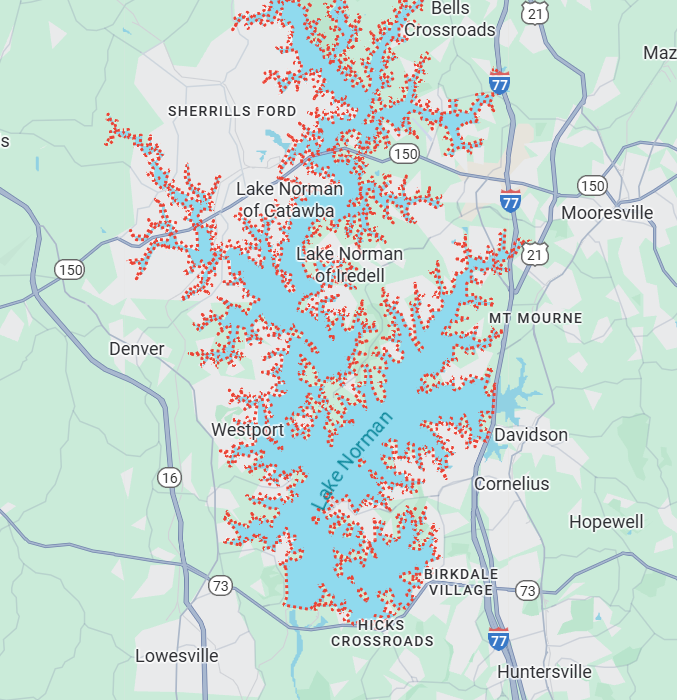
Lake Norman properties face extra winter storm risks. We work on lakefront homes in Cornelius, Davidson, Huntersville, and Mooresville every week. We see the same patterns over and over.
Wind exposure is significantly higher along the water.
Homes along the 520 miles of Lake Norman shoreline experience stronger winds during storms. That open water creates a wind tunnel effect. Gusts can reach 50+ MPH or higher during winter storms. Standard shingle installation sometimes can't handle that stress.
Lake-effect moisture increases ice buildup.
The large body of water affects local weather patterns. Homes near the lake often see 10-20% more ice accumulation than properties further inland in Charlotte. That extra ice weight adds up fast on your roof.
Our recommendations for Lake Norman homeowners:
- Confirm your shingles are rated for 130+ MPH winds
- Ask about wind-resistant installation with a 6-nail pattern (instead of the standard 4-nail)
- Check that all roof vents are secured tightly, they blow off first in high winds
- Consider scheduling a free inspection before storm season each year
Living on the lake is beautiful. It just requires a bit more roof preparation than Charlotte homes further from the water.
What NOT to Do During a Winter Storm
Sometimes knowing what to avoid matters as much as knowing what to do. We've seen well-meaning homeowners make these mistakes during storms. Please don't be one of them.
Never climb on your roof during or right after a storm.
Ice-covered roofs are incredibly dangerous. Even professional roofers avoid them until conditions improve. Falling from a roof during winter often means landing on ice or frozen ground. The injuries can be severe.
Don't try to remove ice or snow with a shovel.
Metal shovels damage shingles. Plastic shovels damage shingles. Your roof is designed to handle the weight of ice and snow. Trying to remove it yourself usually causes more damage than leaving it alone.
Skip the salt and ice melt products on your roof.
These chemicals work great on driveways. They can destroy roofing materials. Salt is corrosive to metal flashing and can degrade shingle granules.
Never ignore small leaks.
A small drip might seem manageable. Put a bucket under it and wait for the storm to pass, right? But small leaks grow fast in freezing conditions. Water expands when it freezes. That tiny drip can become a major problem overnight.
Charlotte & Lake Norman Emergency Roofing Response
Best Roofing Now provides 24/7 emergency roofing services throughout the Charlotte metro area. Our crews are ready to respond when you need us most.
If your roof gets damaged during this weekend's storm:
- Call us right away: (704) 605-6047
- Stay safe: Don't enter rooms with ceiling damage or visible sagging
- Document everything: Take photos and videos for your insurance claim
- We'll respond fast: Our emergency tarping prevents further damage
We serve Charlotte, Huntersville, Cornelius, Davidson, Mooresville, Concord, Matthews, Mint Hill, Gastonia, and all surrounding communities around Lake Norman.
Free Pre-Storm Roof Inspections
Worried about how your roof will handle this weekend's storm? We offer free inspections with detailed photo documentation.
Our drone technology lets us identify potential problems quickly and safely. We don't need to walk on your roof to see what's happening up there. You'll receive a written assessment and our honest recommendations. No obligation to hire us for any repairs.
As the Insurance Institute for Business & Home Safety states, "Regular roof inspections are one of the most cost-effective ways to prevent catastrophic storm damage." We agree completely.
Schedule your free inspection or call (704) 605-6047)
Frequently Asked Questions About Winter Storm Roof Preparation
How much ice can my roof handle before it's dangerous?
Most Charlotte roofs are designed to handle 20 pounds per square foot. One inch of ice weighs about 5 pounds per square foot. So significant accumulation: 4 inches or more: can stress your roof structure seriously. If you hear creaking sounds or see sagging in your ceiling, get out immediately and call for help.
Should I remove snow and ice from my roof myself?
No. Climbing on an icy roof is extremely dangerous. Using tools to scrape off ice damages your shingles. If accumulation becomes severe, call a professional roofing company like Best Roofing Now for safe removal.
What exactly are ice dams and why should I worry about them?
Ice dams form when heat escaping from your attic melts snow on your roof. The water runs down and refreezes at the colder roof edge. This creates a dam that forces water under your shingles. That water causes leaks, wood rot, and mold growth inside your home.
Does my homeowner's insurance cover winter storm roof damage?
Most standard homeowner's policies in North Carolina cover ice and wind damage to roofs. However, every policy is different. Some have exclusions or special requirements. Review yours before the storm so you know what to expect. Best Roofing Now works directly with insurance companies and can help guide you through the claims process.
How fast can you respond to emergency roof damage?
Best Roofing Now offers 24/7 emergency response throughout Charlotte and Lake Norman. For severe damage, we can typically have a crew on-site within hours to install emergency tarping and prevent further damage to your home's interior.
What should I do if I notice a leak during the storm?
Place a bucket under the leak to catch water. Move furniture and valuables away from the area. Then call Best Roofing Now at (704) 605-6047. Don't try to climb up and fix it yourself during active storm conditions. Wait until conditions are safe for professional assessment.
Take Action Now
This weekend's storm doesn't have to catch you off guard. The preparation steps in this guide will help protect your roof, your home, and your family.
If you're concerned about your roof's condition, don't wait until the ice starts falling. Call Best Roofing Now at (704) 605-6047 for your free pre-storm inspection. We'll give you honest answers about whether your roof is ready: and what to do if it's not.
Stay safe this weekend, Charlotte. ⚠️