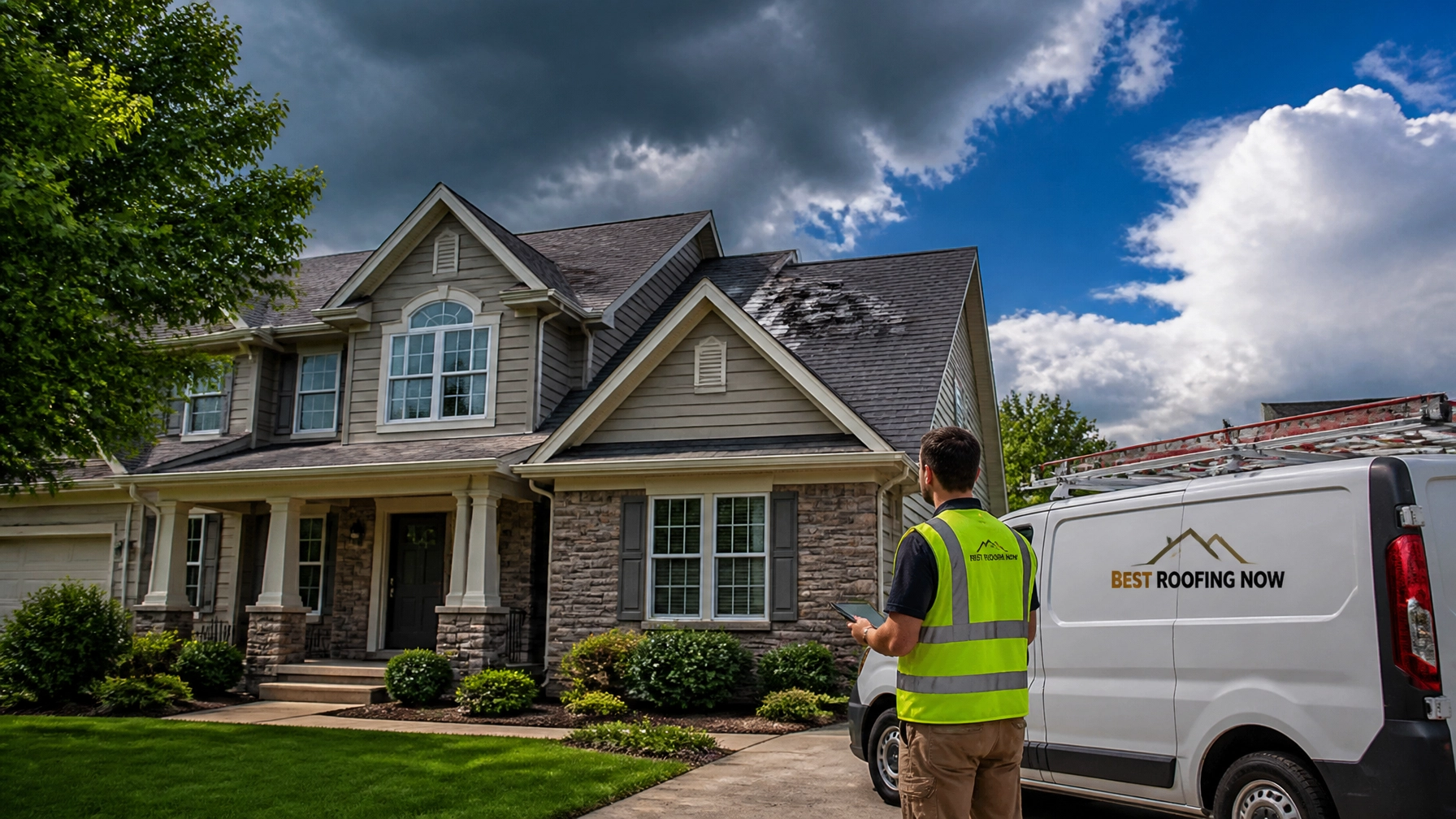
Storms in North Carolina are no joke. One minute you are enjoying a quiet evening in Lake Norman, and the next, a summer thunderstorm is pelting your roof with hail. Or maybe a fall hurricane is sending 70-mph winds through your neighborhood in Charlotte.
After the clouds clear, you look up. Your roof looks okay from the ground. But is it really? Most homeowners think they know how to handle a roof claim. Sadly, many make small mistakes that cost them thousands of dollars.
As a veteran-owned company, we believe in honesty and hard work. We see these mistakes every day at Best Roofing Now. We want to help you avoid them. Here are the seven biggest mistakes North Carolina homeowners make with storm damage claims and how you can fix them.
1. The "Wait and See" Approach
The biggest mistake you can make is waiting for a leak to show up inside your house. You might think, "If it's not leaking, it's not broken." In the roofing world, that is simply not true.
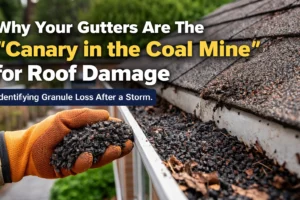
Wind can lift your shingles. It can break the seal that keeps water out. Hail can bruise the shingles, knocking off the granules that protect them from the sun. These things won't cause a leak today. But they will cause one in a year or two.
By the time you see a brown spot on your ceiling, it might be too late to file a claim. Insurance companies want you to report damage "promptly." If you wait two years, they might say the damage is just from "old age" or "wear and tear."
How to Fix It:
Get a professional inspection right after any major storm. At Best Roofing Now, we offer free inspections to help you catch problems early. We use high-tech tools to find damage that you can't see from the ground.

2. Missing the "Three-Year Clock"
Every state has different rules for how long you can wait to take action. In North Carolina, there is something called a "statute of limitations." For most property damage cases, you have three years from the date of the loss to file a lawsuit if your claim is denied or underpaid.
Three years sounds like a long time. But the clock starts ticking the day the storm hits. Many homeowners spend two years arguing with their insurance company. Then they realize they only have a few months left to get legal help.
How to Fix It:
Track the date of the storm. Keep a folder with the storm date, photos of the weather, and all your emails with the insurance company. If things aren't moving fast, don't wait. Reach out to a local expert who understands the North Carolina roof insurance claims process.
3. Hiring a "Storm Chaser"
When a big storm hits Charlotte, "storm chasers" show up. These are roofing companies from out of state. They follow the hail. They knock on doors and promise a "free roof."
The problem? They aren't from here. They don't know the local building codes. They might use cheap materials. And when your roof leaks in six months, they will be three states away. They won't be around to honor their warranty.
How to Fix It:
Hire a local, established contractor. Look for a company with a physical office in the area, like our team on Mallard Creek Road. Check for certifications from big brands like GAF and CertainTeed. Being a veteran-owned business, we take pride in our community. We live here, and we stand by our work for the long haul.
4. Not Keeping a "Storm Diary"
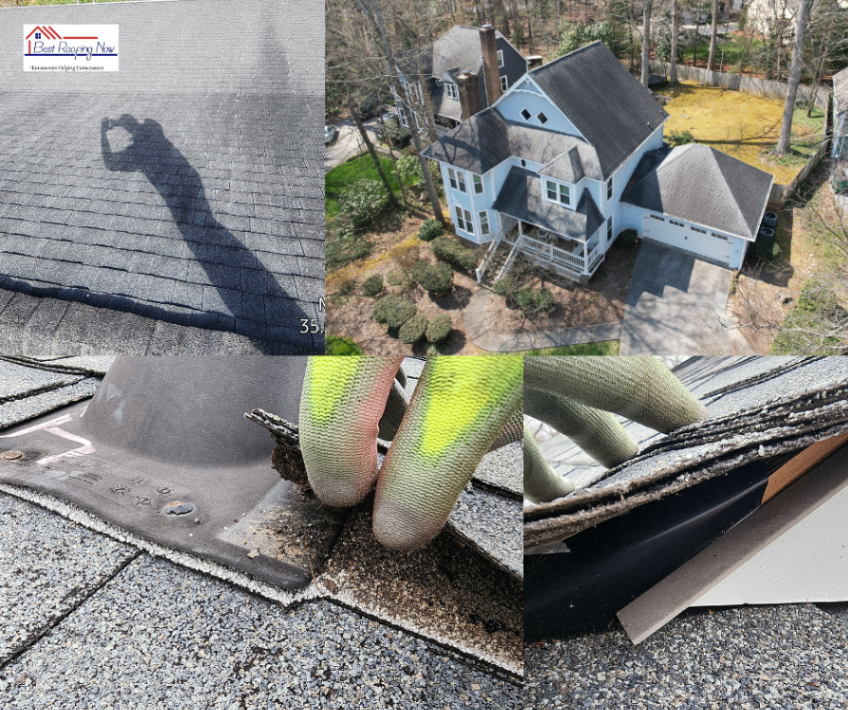
Documentation is everything in an insurance claim. Most people just take one or two photos of a fallen branch. That isn't enough. The insurance adjuster (the person the insurance company sends to look at your house) needs proof that the storm caused the damage.
If you don't have good photos, the insurance company might say your roof was already in bad shape. They love to use the word "maintenance issue" to get out of paying.
How to Fix It:
Take photos of everything. Take pictures of the hail on your deck. Take pictures of the wind blowing your trees. Take pictures of the "bruises" on your shingles if you can safely see them. Better yet, let us do a detailed roof inspection and provide a full photo report.
5. Cleaning Up Too Fast
We get it. You want your yard to look nice. You want to throw away the broken shingles and the fallen tree. But wait! Those things are evidence.
If you throw away the proof before the adjuster arrives, they might not believe how bad the storm was. They need to see the physical objects that hit your roof or the shingles that blew off.
How to Fix It:
If you have a fallen tree on your roof, take photos from every angle before you have it removed. Save a few of the damaged shingles in a bag. This shows the adjuster exactly what happened.
6. Neglecting Your "Duty to Mitigate"
Your insurance policy has a rule: you must try to stop more damage from happening. This is called your "duty to mitigate."
If you have a hole in your roof and you don't put a tarp over it, the rain will ruin your drywall and floors. If the insurance company sees that you didn't try to cover the hole, they might refuse to pay for the inside damage. They will say it's your fault for letting it get worse.
How to Fix It:
Call for emergency roofing services immediately. At Best Roofing Now, we provide 24/7 emergency tarping. We stop the water so your home stays safe while you wait for the claim to be processed.
7. Accepting the First "Cosmetic" Denial
This is a sneaky one. An adjuster might look at your roof and say, "There is hail damage, but it's just cosmetic." This means they think it looks bad but doesn't hurt the roof's function. They use this excuse to avoid paying for a full replacement.
But hail damage is never just cosmetic. It breaks the granules. It weakens the shingle. Over time, the sun will eat away at that spot until it leaks.
How to Fix It:
Don't take "no" for an answer. You have the right to a second opinion. This is where your roofing contractor matters most. We can meet the adjuster at your house. We can show them why the damage is structural, not just cosmetic. We use manufacturer specs from GAF and CertainTeed to prove the roof needs to be replaced to stay under warranty.

Understanding Your Policy: ACV vs. RCV
Roofing talk can get confusing. You will hear two big terms: ACV and RCV. You need to know the difference.
- ACV (Actual Cash Value): This is the "garage sale" price of your roof. If your roof is 15 years old, the insurance company will subtract its "depreciation" (wear and tear). You might only get a small check that doesn't cover the full cost of a new roof.
- RCV (Replacement Cost Value): This is the "brand new" price. The insurance company pays what it costs to buy a new roof today. They might send two checks: one at the start and one after the job is done.
Most modern policies in Charlotte are RCV, but some older ones are ACV. Check your policy! If you aren't sure, we can help you read through it.
Why Manufacturers Matter in Storm Claims
When we talk to insurance adjusters, we talk about brands. We use shingles from top leaders like GAF and CertainTeed. Why? Because they have clear rules.
For example, a GAF Timberline HDZ shingle has a 130-mph wind warranty. If a storm hits those speeds and the shingles fail, we can point to the manufacturer's data. If your roof was installed poorly by a "storm chaser," that warranty might be void.
We make sure your roof meets the NC Residential Building Code. This includes things like "ice and water shield" (a sticky waterproof layer) in valleys and "drip edge" (metal strips that guide water into gutters). If your insurance estimate doesn't include these, we file a "supplement." This is an extra request for money to do the job the right way.
A Veteran's Perspective on Quality
In the military, we learned that small details save lives. In roofing, small details save homes.
When you hire a veteran-owned company like Best Roofing Now, you aren't just getting a roof. You are getting a team that cares about the mission. Our mission is to protect your family. We don't cut corners. We don't use "cheap" nails or skip the flashing.
We treat your claim like it's our own. We know how stressful it is to have a damaged home. We want to be the calm after the storm.

Your Storm Damage Checklist
If a storm just hit your home in Charlotte or Lake Norman, follow these steps:
- Safety First: Check for downed power lines or broken glass. Stay off the roof yourself!
- Mitigate: If you see a leak, put a bucket under it and call us for an emergency tarp.
- Document: Take photos of your yard and any visible damage from the ground.
- Call the Pros: Schedule a free inspection before calling your insurance company. We will tell you if the damage is worth a claim.
- File the Claim: If there is enough damage, call your agent. Give them our contact info so we can talk to the adjuster.
- Review the Scope: Look at the insurance estimate. Does it include everything? Does it match the local code?
- Get it Done: Once the claim is approved, we install your new, high-quality roof.
Final Thoughts
Storm damage is a headache. But you don't have to deal with it alone. Avoiding these seven mistakes will save you money and stress.
Don't wait for the leak. Don't hire a guy with a truck and no local address. And don't let the insurance company tell you that a hole in your roof is "cosmetic."
You deserve a roof that lasts. You deserve a team that has your back.
Ready to see if your roof survived the latest storm?
Schedule your FREE, no-pressure inspection with Best Roofing Now today! We’ll give you honest answers and expert advice.
{“@type”:”BlogPosting”,”image”:”https://cdn.marblism.com/OUybU97Am5f.webp”,”author”:{“name”:”James Turner”,”@type”:”Person”},”@context”:”https://schema.org”,”headline”:”7 Mistakes You’re Making with NC Storm Damage Claims (and How to Fix Them)”,”publisher”:{“logo”:{“url”:”https://www.bestroofingnow.com/logo.png”,”@type”:”ImageObject”},”name”:”Best Roofing Now”,”@type”:”Organization”},”mainEntity”:[{“name”:”What is the statute of limitations for roof damage in North Carolina?”,”@type”:”Question”,”acceptedAnswer”:{“text”:”In North Carolina, the statute of limitations for property damage claims, including roof damage, is generally three years from the date of the loss.”,”@type”:”Answer”}},{“name”:”What is the difference between ACV and RCV in a roof claim?”,”@type”:”Question”,”acceptedAnswer”:{“text”:”ACV (Actual Cash Value) pays the depreciated value of the roof based on its age. RCV (Replacement Cost Value) pays the full cost to replace the roof with a new one of similar quality today.”,”@type”:”Answer”}},{“name”:”Should I wait for my roof to leak before filing a storm damage claim?”,”@type”:”Question”,”acceptedAnswer”:{“text”:”No. Waiting for a leak can lead to internal damage and may cause the insurance company to deny the claim as a maintenance issue. You should get an inspection immediately after a storm.”,”@type”:”Answer”}}],”description”:”Learn the 7 most common mistakes North Carolina homeowners make with roof insurance claims and how to avoid them to ensure your roof is fully covered.”,”datePublished”:”2026-06-21″,”mainEntityOfPage”:{“@id”:”https://www.bestroofingnow.com/blog/nc-storm-damage-claim-mistakes”,”@type”:”WebPage”}}