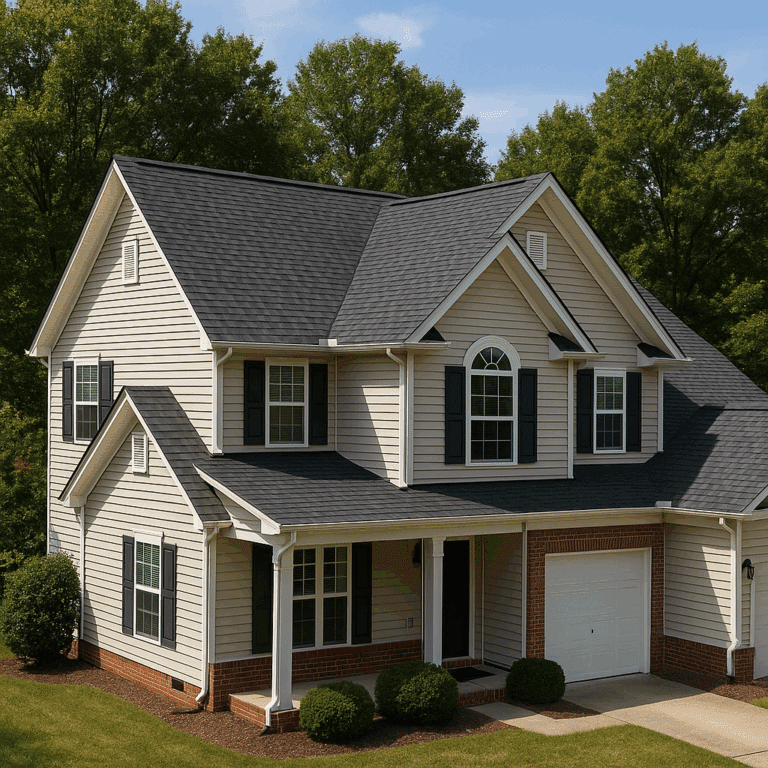
Storms in Charlotte can be scary. We see everything from heavy rain to big hail and strong winds. These storms can hurt your home. Your roof is the first line of defense. If your roof fails, your whole house is at risk. We want to help you keep your home safe.
At Best Roofing Now, we see the damage storms do every year. We are a veteran-owned company right here in Charlotte. We know the local weather. We know how the wind hits homes in Lake Norman. We know the heat and humidity of a North Carolina summer. We want to share our expert tips with you. This guide will show you how to get ready for storm season.
Why You Should Care About Storm Prep
Your home is likely your biggest investment. A small leak can turn into a big problem fast. Water can ruin your drywall. It can cause mold to grow in your attic. It can even rot the wood that holds up your roof.
Preparing for a storm is much cheaper than fixing damage later. It is like changing the oil in your car. A little care now saves a lot of money later. Plus, insurance companies like it when you take care of your home. If you can show you tried to prevent damage, your claims might go smoother.
We believe in being proactive. Don't wait for the clouds to turn gray. Start today so you can sleep easy when the thunder starts rolling over the Queen City.
When Is the Best Time to Prepare?
In Charlotte, we have two main storm seasons. The first is in the spring. This is when we get severe thunderstorms and hail. This usually happens from February to May. The second season is late summer and fall. This is when hurricane remnants come up from the coast.
You should do your big prep in late winter or early spring. This gets you ready for the first round of storms. Then, do a quick check-in mid-summer. This ensures your roof is ready for the wind and rain that comes with tropical systems.
Step 1: The DIY Ground Inspection
You do not need to climb on your roof to check its health. In fact, we tell most homeowners to stay off the roof. It can be dangerous. You can see a lot from the ground using a pair of binoculars.
Look at Your Shingles
Walk around your yard and look up. Are any shingles missing? Do you see any that are cracked or curling up at the edges? These are weak spots. Wind can get under a curled shingle and rip it right off.
Also, look for "bald spots." These are areas where the tiny rocks (granules) have rubbed off. These rocks protect the shingle from the sun. Without them, the shingle will get brittle and break. Check your gutters for these granules too. If they look like they are full of sand, your shingles are wearing out.
Check the Flashing
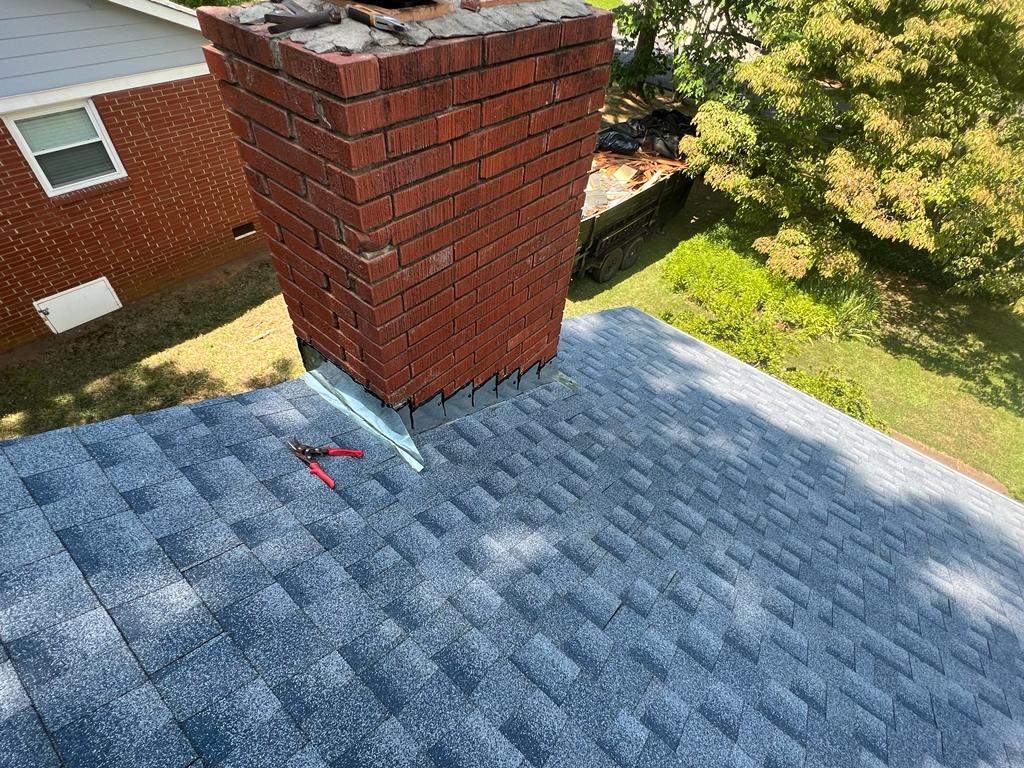
Flashing is the metal pieces around your chimney, vents, and where the roof meets a wall. This is where most leaks start. Look for gaps or rust. If the metal looks like it is lifting, water will find a way in.
Peek in the Attic
Grab a flashlight and go into your attic. Do this on a sunny day. If you see light peeking through the roof deck, you have a hole. Also, look for water stains on the wood. If you smell mold or see damp insulation, you have a leak.
Step 2: The Importance of a Professional Inspection
A ground check is great, but it doesn't show everything. Some damage is hard to see. Hail damage, for example, can be very subtle. It might just look like a small dent, but it breaks the shingle's seal.
We offer free roof inspections at Best Roofing Now. We will get up there and check every detail. We look at the nail patterns. We check if any nails are backing out. We look at the condition of the sealant.
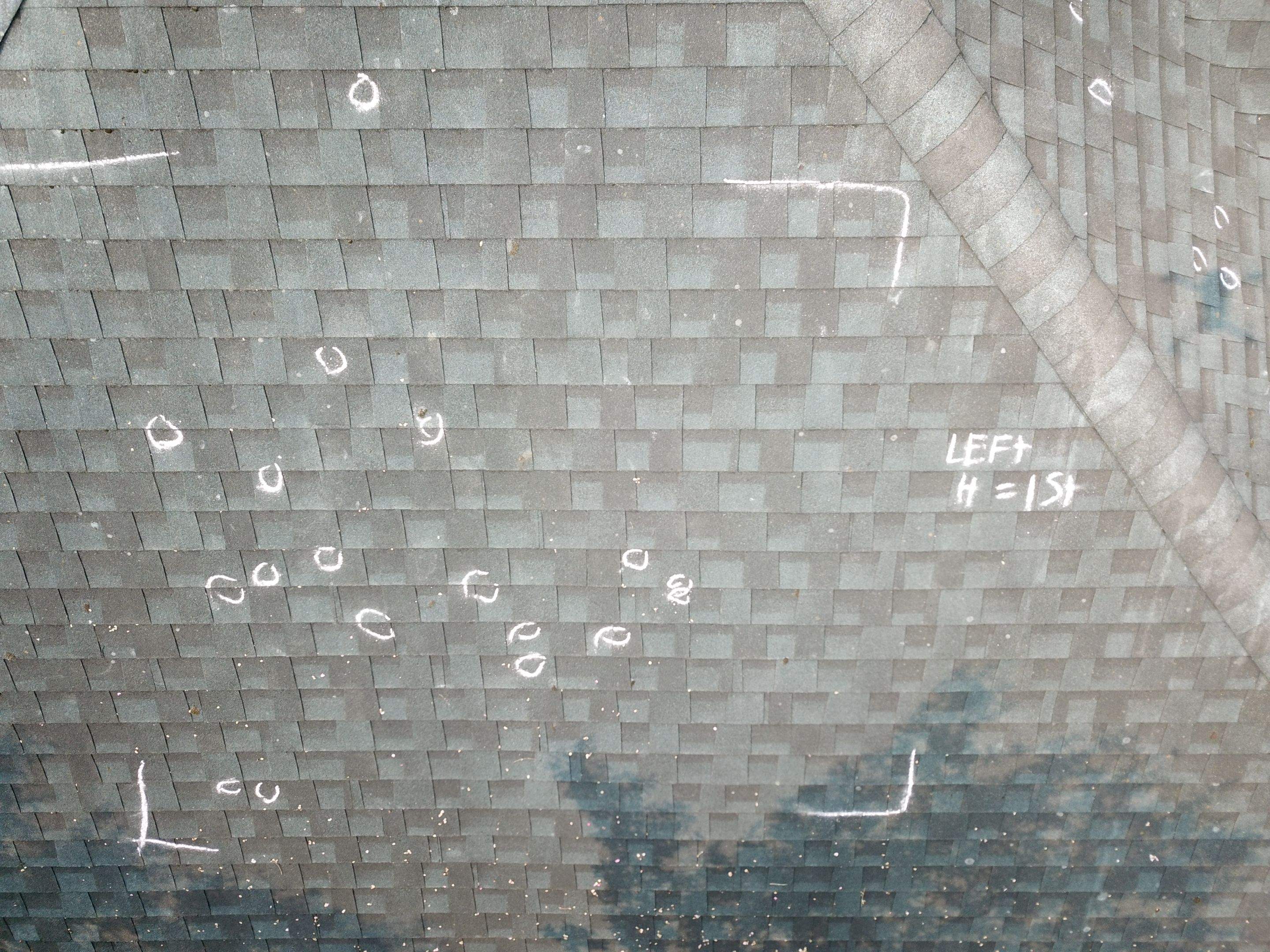
"A roof can look fine from the street but have thousands of dollars in hail damage," says a leading expert from GAF, a top roofing manufacturer. "Professional eyes can spot the bruises that lead to leaks months down the road."
Having a pro look at your roof once a year is smart. We can find small issues and fix them before the storm arrives. This keeps your lifetime warranty valid and your home dry.
Step 3: Fix Weak Spots Before the Wind Blows
Once you know what is wrong, you need to fix it. Do not wait. A small hole in April will be a huge flood in August.
Repair or Replace Damaged Shingles
If you have a few missing shingles, we can often do a roof repair. We use high-quality materials from brands like CertainTeed. We make sure the new shingles match and are sealed down tight. If your roof is old and most shingles are brittle, it might be time for a roof replacement.
Secure the Edges
The edges of your roof are very important. This is where the wind tries to lift the roof up. We check the drip edge. This is a metal strip that guides water away from your house. It needs to be nailed down tight. If it's bent or loose, the wind will grab it like a handle.
Clean and Tighten Your Gutters
Your gutters have a big job. They carry gallons of water away from your foundation. If they are full of leaves and pine needles, the water will back up. This water can go under your shingles and rot your roof deck.
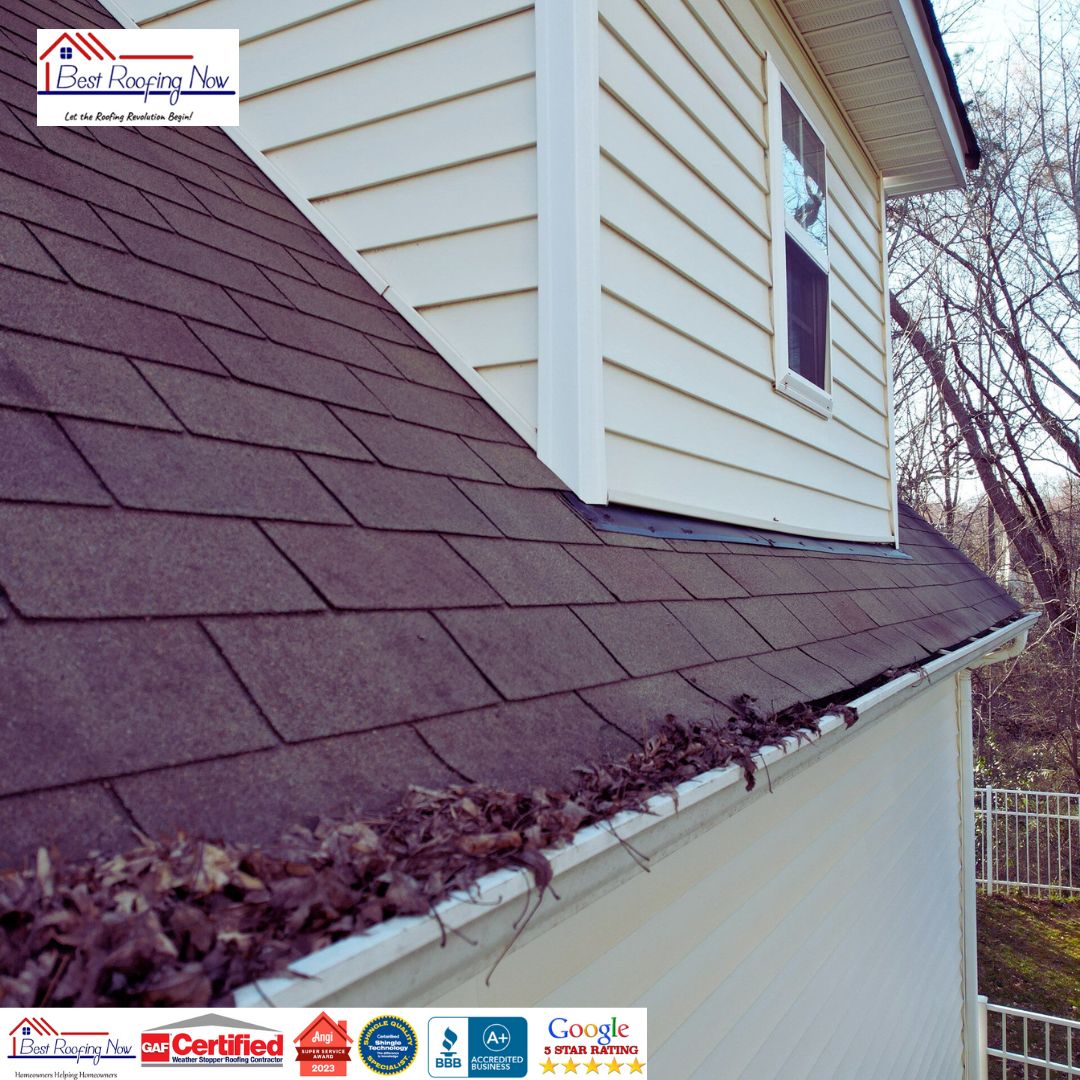
Make sure your gutters are clean. Also, check how they are attached to your house. In a big storm, the weight of the water can pull a gutter right off. We recommend adding extra brackets every 18 to 24 inches for extra strength.
Step 4: Advanced Wind Protection
If you live in an area with very high winds, like near the open waters of Lake Norman, you might want extra protection.
Hurricane Straps
These are metal pieces that connect your roof's rafters to the walls of your house. They help keep the roof on during very high winds. If your house was built a long time ago, you might not have them. We can check your attic to see if you need an upgrade.
Better Underlayment
Underlayment is the "skin" that goes under your shingles. Old roofs used felt paper. Modern roofs use synthetic underlayment. It is much stronger and won't tear in the wind. We also use "ice and water shield" in valleys and around chimneys. This is a sticky barrier that stops water even if a shingle blows off.
Step 5: Preparing for Hail
Hail is common in the Charlotte region. It can range from pea-sized to golf ball-sized. Heavy hail can destroy a standard roof in minutes.
Class 4 Impact-Resistant Shingles
If you are getting a new roof, ask us about Class 4 shingles. These are designed to handle hail. They are much tougher than standard shingles. Many insurance companies will even give you a discount on your monthly bill if you have these.
We use top-tier residential roofing products that are tested to withstand high impacts. It is an investment that pays for itself the first time a hailstorm hits.
Step 6: Clean Up Your Yard
Sometimes the roof isn't the problem. Sometimes things hit the roof.
Trim the Trees
Look at the trees around your house. Any branches hanging over the roof should be cut back. We recommend keeping a 10-foot gap between trees and your roof. This stops branches from scraping the shingles. It also prevents heavy limbs from falling on your house during a storm.
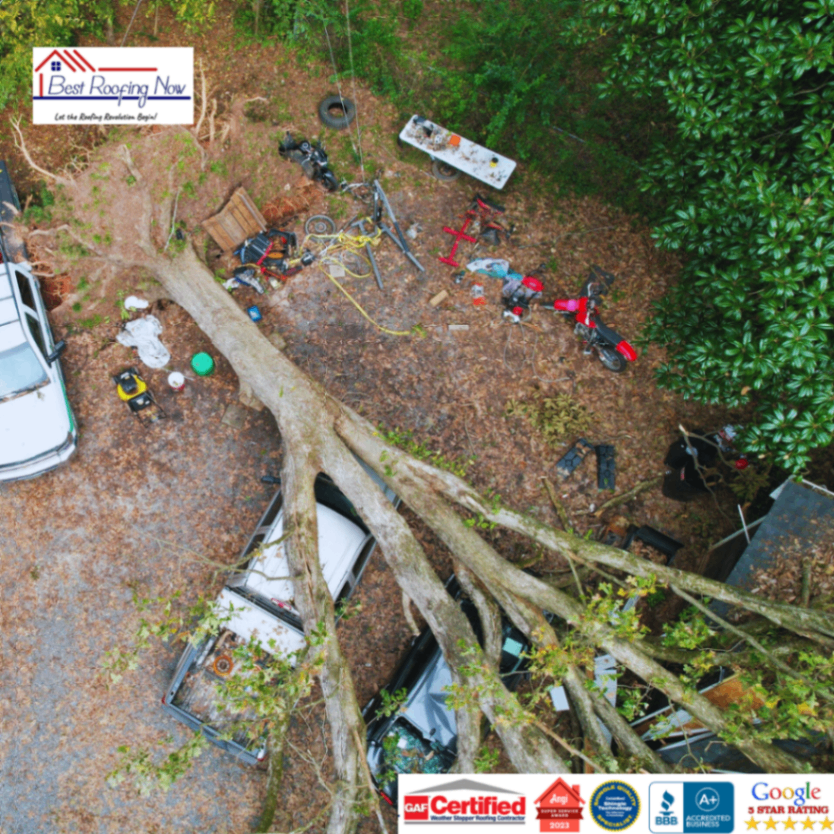
Secure Loose Items
Before a storm hits, put away your patio furniture. Store your grills and kids' toys in the garage. In high winds, a plastic chair can become a projectile that breaks a window or damages your siding.
Step 7: The Insurance Game Plan
Insurance can be confusing. You want to be ready before you have to file a claim.
- Take Photos Now: Go outside and take photos of your whole house. Take photos of the roof from the ground. If you have a drone, get some overhead shots. This proves what your house looked like before the storm.
- Read Your Policy: Do you know your deductible for wind and hail? Sometimes it is different than your standard deductible.
- Keep Our Number Handy: Put Best Roofing Now in your phone. If a storm hits, you want to call us fast. We can help you document the damage for your insurance company.
What to Do After the Storm Hits
Once the storm passes, follow these steps:
- Safety First: Watch out for downed power lines. Do not walk through standing water near your house if wires are down.
- Check for Leaks: Go inside and look at your ceilings. Look for new brown spots or drips.
- Ground Inspection: Walk around the yard. Look for shingles on the grass. Look at your gutters and see if they are sagging.
- Call the Professionals: Even if you don't see a leak, call us for a free check-up. Hail damage can take months to cause a leak. We will give you a full report and help you with the next steps.
Why Best Roofing Now?
We are not just another roofing company. We are your neighbors. We are veteran-owned and operated. That means we believe in hard work, honesty, and getting the job done right.
- Lifetime Warranties: We stand behind our work. If we fix it, we want it to stay fixed.
- No Pressure Sales: We don't use "high-pressure" tactics. We give you the facts, a fair price, and let you decide.
- Expert Craftsmanship: We are certified with GAF and CertainTeed. We know the best ways to install a roof so it lasts.
- Local Focus: We serve Charlotte, Lake Norman, and the surrounding areas. We know the building codes and the weather patterns here.
Conclusion
Your roof protects everything you love. Your family, your belongings, and your peace of mind all live under that roof. Don't leave its safety to chance. Storm prep is the best way to ensure your home stays dry and safe.
Start today. Check your attic. Look at your shingles. Trim those trees. And most importantly, give us a call. We would love to come out and give you a free, no-obligation inspection. Let's make sure your Charlotte home is ready for whatever the sky throws at it.
Ready to protect your investment? Schedule your FREE 21-point roof inspection today or call us at Best Roofing Now. We’ve got you covered!
{“name”:”How to Prepare Your Charlotte Roof for Storm Season”,”step”:[{“url”:”https://www.bestroofingnow.com/services/roof-inspection”,”name”:”Ground Inspection”,”text”:”Use binoculars to check for missing, cracked, or curling shingles and damaged flashing from the safety of the ground.”,”@type”:”HowToStep”},{“name”:”Clean Gutters”,”text”:”Remove leaves and debris from gutters and downspouts to ensure water can flow away from the roof and foundation.”,”@type”:”HowToStep”},{“name”:”Trim Overhanging Branches”,”text”:”Cut back tree limbs within 10 feet of the roof to prevent scraping and damage from falling branches during high winds.”,”@type”:”HowToStep”},{“url”:”https://www.bestroofingnow.com/services/roof-inspection”,”name”:”Professional Inspection”,”text”:”Schedule a free inspection with a certified roofer to check for hidden hail damage and structural weaknesses.”,”@type”:”HowToStep”}],”tool”:[{“name”:”Ladder (for gutter cleaning)”,”@type”:”HowToTool”}],”@type”:”HowTo”,”image”:”https://cdn.marblism.com/VCyfC6bQN1E.jpg”,”supply”:[{“name”:”Binoculars”,”@type”:”HowToSupply”},{“name”:”Flashlight”,”@type”:”HowToSupply”}],”@context”:”https://schema.org”,”totalTime”:”P1D”,”description”:”A comprehensive guide for homeowners in Charlotte and Lake Norman on how to inspect, maintain, and prepare their roofing for severe storms, hail, and wind.”,”estimatedCost”:{“@type”:”MonetaryAmount”,”value”:”0″,”currency”:”USD”}}
{“@type”:”FAQPage”,”@context”:”https://schema.org”,”mainEntity”:[{“name”:”When is storm season in Charlotte, NC?”,”@type”:”Question”,”acceptedAnswer”:{“text”:”Charlotte has two main seasons: spring (February to May) for thunderstorms and hail, and late summer/fall for hurricane remnants.”,”@type”:”Answer”}},{“name”:”What are Class 4 shingles?”,”@type”:”Question”,”acceptedAnswer”:{“text”:”Class 4 shingles are impact-resistant roofing materials designed to withstand heavy hail damage, often qualifying homeowners for insurance discounts.”,”@type”:”Answer”}},{“name”:”How often should I have my roof inspected in North Carolina?”,”@type”:”Question”,”acceptedAnswer”:{“text”:”We recommend a professional inspection at least once a year, preferably in the spring before severe weather peaks.”,”@type”:”Answer”}}]}