Beat the Charlotte Heat: How a Cool Roof Lowers Your Summer Energy Bills
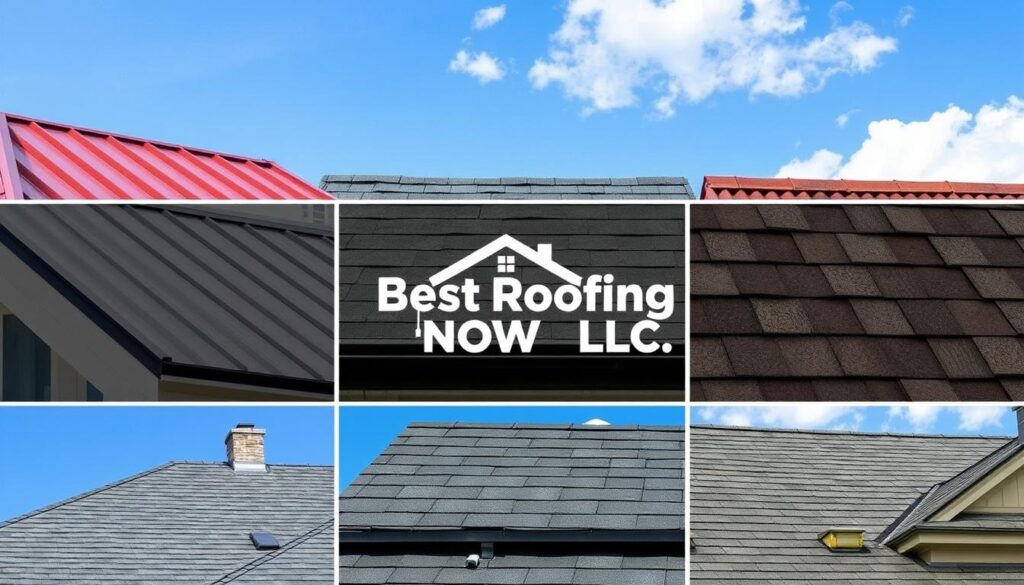
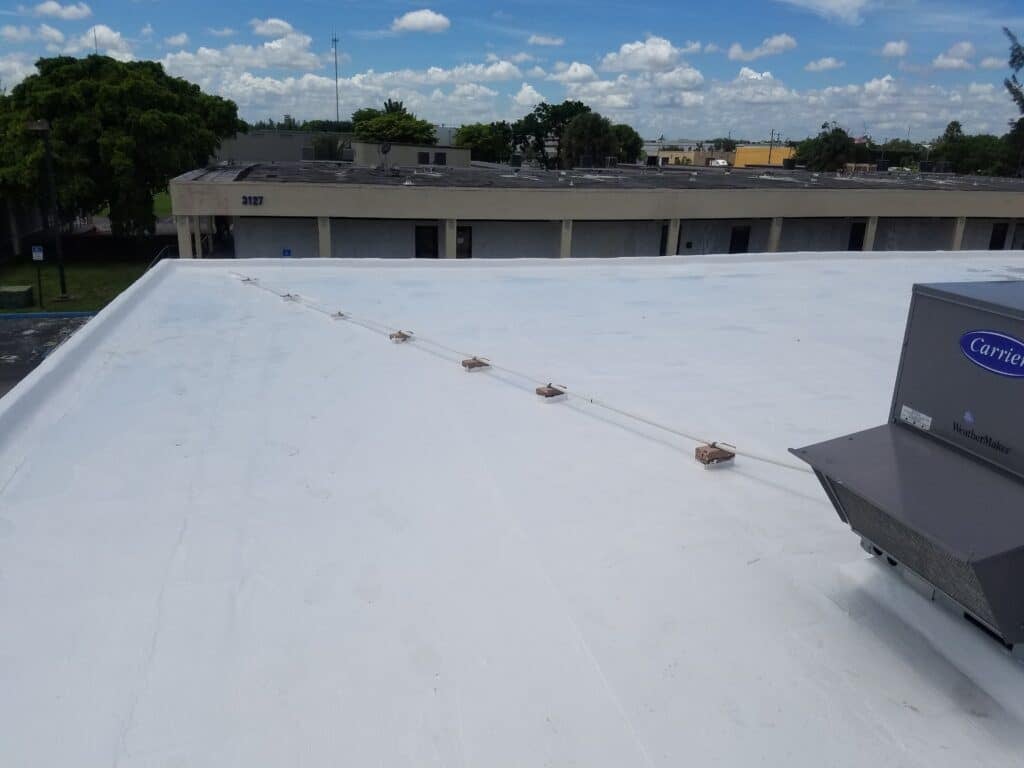
Why Charlotte Homeowners Are Feeling the Heat (and on Their Wallets) If you've lived through a Charlotte summer, you know the drill. Those sweltering days when the thermometer climbs into the 90s, your air conditioner runs non-stop, and your energy bill makes you wince when it arrives. What many homeowners don't realize is that your roof could be the silent culprit behind those sky-high cooling costs. Here in Charlotte, we experience over 215 sunny days per year, with summer temperatures regularly soaring above 90°F. During these scorching months, a traditional dark roof can reach temperatures of 150-175°F! Your roof essentially becomes a giant heat collector, forcing your AC system to work overtime and sending your energy bills through the… well, roof. But there's good news: a cool roof system could be your secret weapon against the Charlotte heat and those painful summer energy bills. What Exactly Is a "Cool Roof"? A cool roof is designed to reflect more sunlight and absorb less heat than a standard roof. While traditional dark-colored roofing materials absorb 70-90% of the sun's energy, cool roofing systems reflect the majority of it back into the atmosphere before it can heat your home. Think about walking barefoot across asphalt versus concrete on a hot summer day. The lighter-colored concrete stays considerably cooler underfoot. Cool roofs work on the same principle, but with advanced materials and technologies designed specifically for energy efficiency. The Science Behind Cool Roofs: How They Lower Your Energy Bills The effectiveness of a cool roof comes down to two key properties: Solar Reflectance (Albedo) This measures how much sunlight a material reflects. Traditional dark roofing materials might have a solar reflectance of just 5-15%, while cool roofing materials can reflect 65-85% of sunlight. That's a massive difference in heat absorption! Thermal Emittance This is the roof's ability to release absorbed heat. High-emittance materials release heat quickly rather than transferring it to the building below. These properties combine to create what's known as the Solar Reflectance Index (SRI), which measures a roof's overall ability to reject solar heat. The higher the SRI, the cooler the roof. Here's how a cool roof benefits your home and wallet in Charlotte: Reduced heat transfer – Less heat enters your attic and living spaces Lower indoor temperatures – Up to 7-15°F cooler than with conventional roofing Decreased air conditioning needs – 10-30% reduction in cooling energy use Extended AC system life – Less strain means fewer repairs and longer equipment lifespan More consistent indoor comfort – Fewer hot spots and temperature fluctuations Cool Roof Options for Charlotte Homes Not all cool roofs look the same, and you have several options depending on your home's style, your budget, and your energy-saving goals: Cool Roof Coatings These are liquid-applied products that create a reflective surface on existing roofing. They're particularly effective for low-slope or flat roofs common on modern homes and additions. Coatings are also the most cost-effective cool roof solution, as they can be applied directly over many existing roof types. Reflective Shingles For steep-slope roofs typical of most Charlotte homes, reflective asphalt shingles offer the traditional look with significantly improved solar reflectance. These shingles often contain special granules that reflect infrared radiation while maintaining attractive colors. Metal Roofing Metal roofs with reflective pigments can achieve some of the highest SRI values available. While they have a higher upfront cost, they offer exceptional durability (50+ years) alongside their energy efficiency. Our residential roofing page details the metal options we offer. Tile Roofing Clay and concrete tile roofs can be manufactured with reflective properties or coatings. Their thermal mass also helps regulate temperature fluctuations, adding another layer of energy efficiency. The Charlotte Climate Advantage: Why Cool Roofs Work Even Better Here Charlotte's climate creates the perfect conditions for cool roofs to deliver maximum benefits: Long, hot summers – The more cooling days you have, the more you'll save High electricity rates – North Carolina's electricity costs make every percentage of energy savings significant Humidity – Our humid climate makes cooling even more energy-intensive Urban heat island effect – Charlotte's growing urban areas experience higher temperatures than surrounding areas, magnifying cooling needs Studies show that homeowners in hot, sunny climates like Charlotte can recoup the additional cost of a cool roof through energy savings in as little as 3-5 years. After that, it's all savings that go straight back into your pocket. Beyond Energy Bills: Additional Benefits of Cool Roofs While lower energy bills are the most immediate benefit, cool roofs offer several other advantages: Extended Roof Lifespan By reducing temperature fluctuations and UV damage, cool roofs can last 15-25% longer than conventional roofs. This means fewer replacements and repairs over your home's lifetime. Improved Indoor Comfort Even if you rarely use air conditioning, a cool roof will make upper floors and rooms more comfortable during summer months. Reduced Environmental Impact Less energy use means reduced carbon emissions. If just 10% of Charlotte homes installed cool roofs, the collective environmental impact would be equivalent to taking thousands of cars off the road. Potential Rebates and Incentives Many utility companies and government programs offer incentives for energy-efficient home improvements, including cool roofing systems. Making the Switch: Installation Considerations for Charlotte Homeowners If you're building a new home or planning a roof replacement, choosing a cool roof from the start is straightforward. But what if your existing roof is in good condition? Here are your options: Cool roof coating – If your roof type is suitable, a reflective coating can transform your existing roof into a cool roof at a fraction of replacement cost. Partial re-roofing – Consider cool roofing materials for additions or sections that need replacement sooner. Planned replacement – If your roof is nearing the end of its useful life, upgrading to a cool roof system makes financial sense. The best approach depends on your current roof's condition, your budget, and your long-term plans for the home. At Best Roofing Now, we can assess your specific situation and recommend the