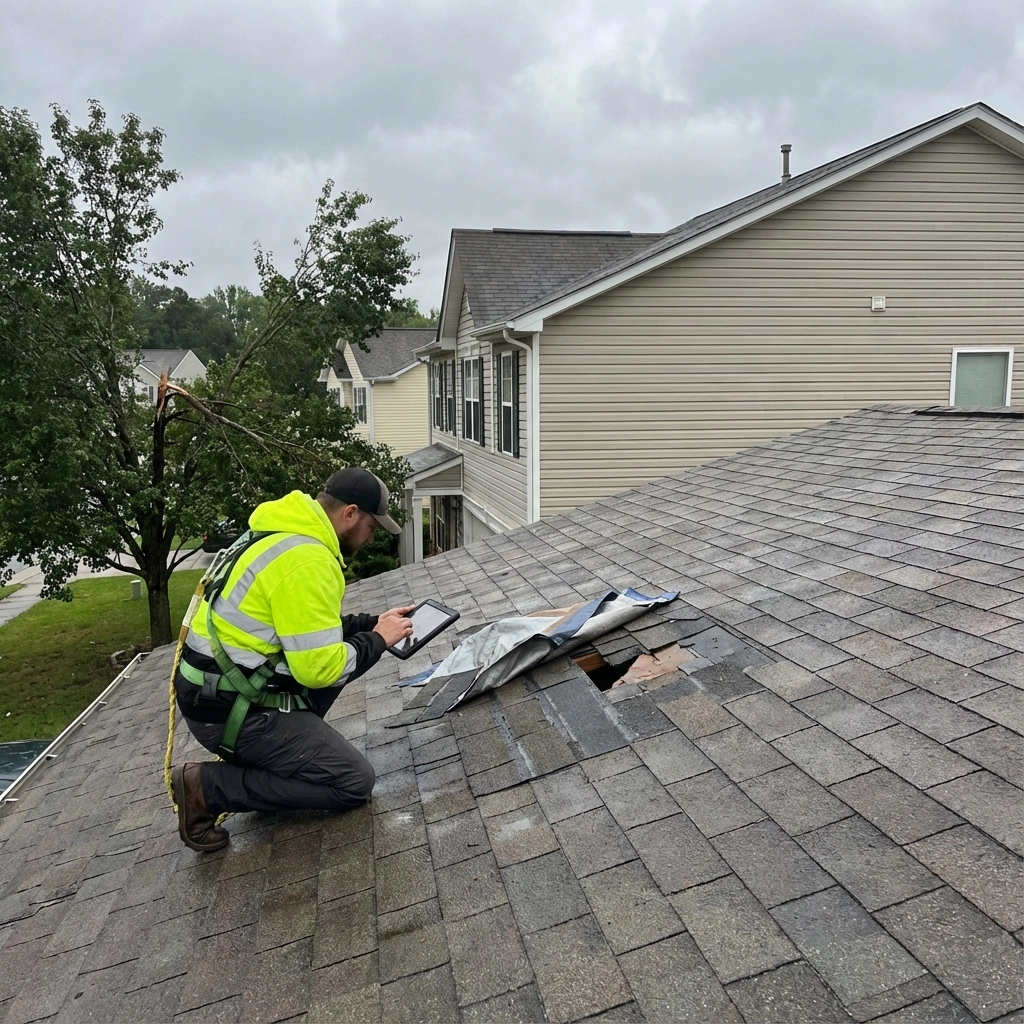
Spring Training for Your Roof: Prepping for the NC Rain Season
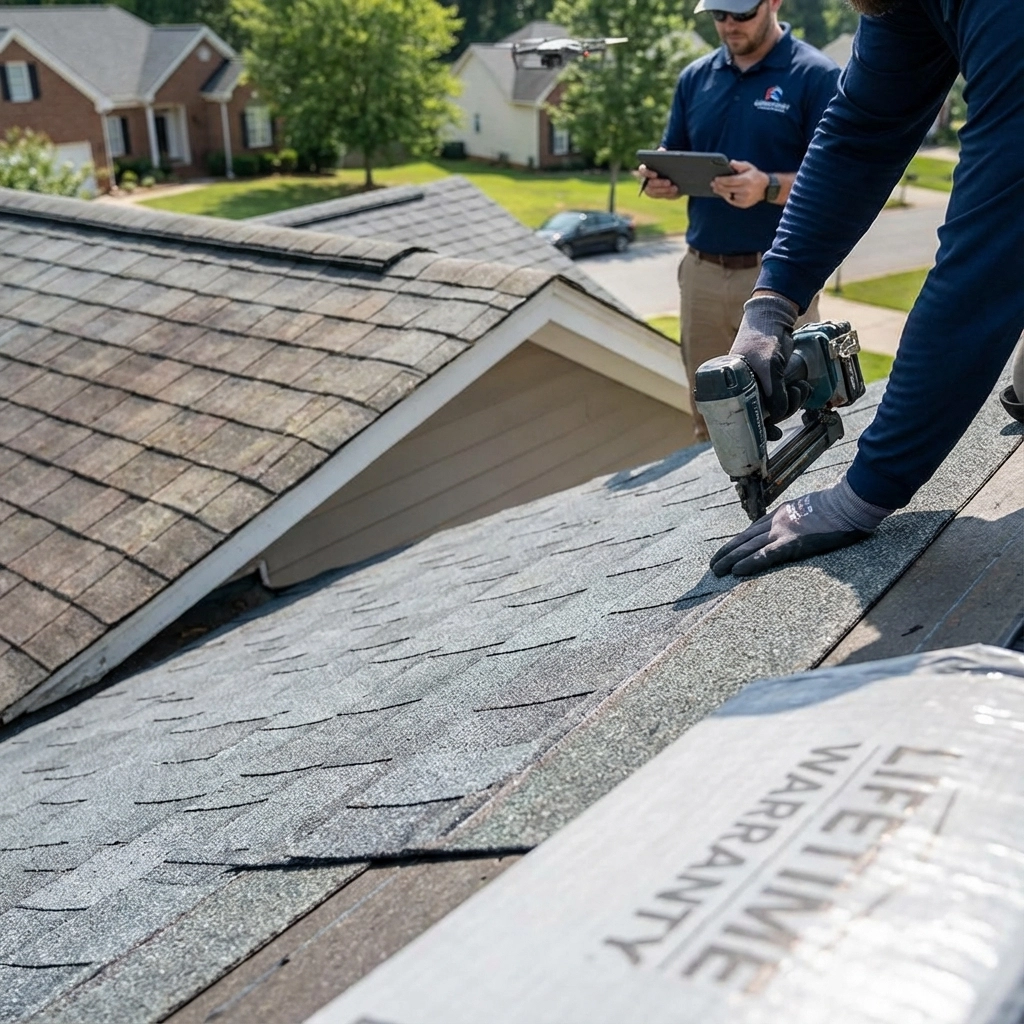
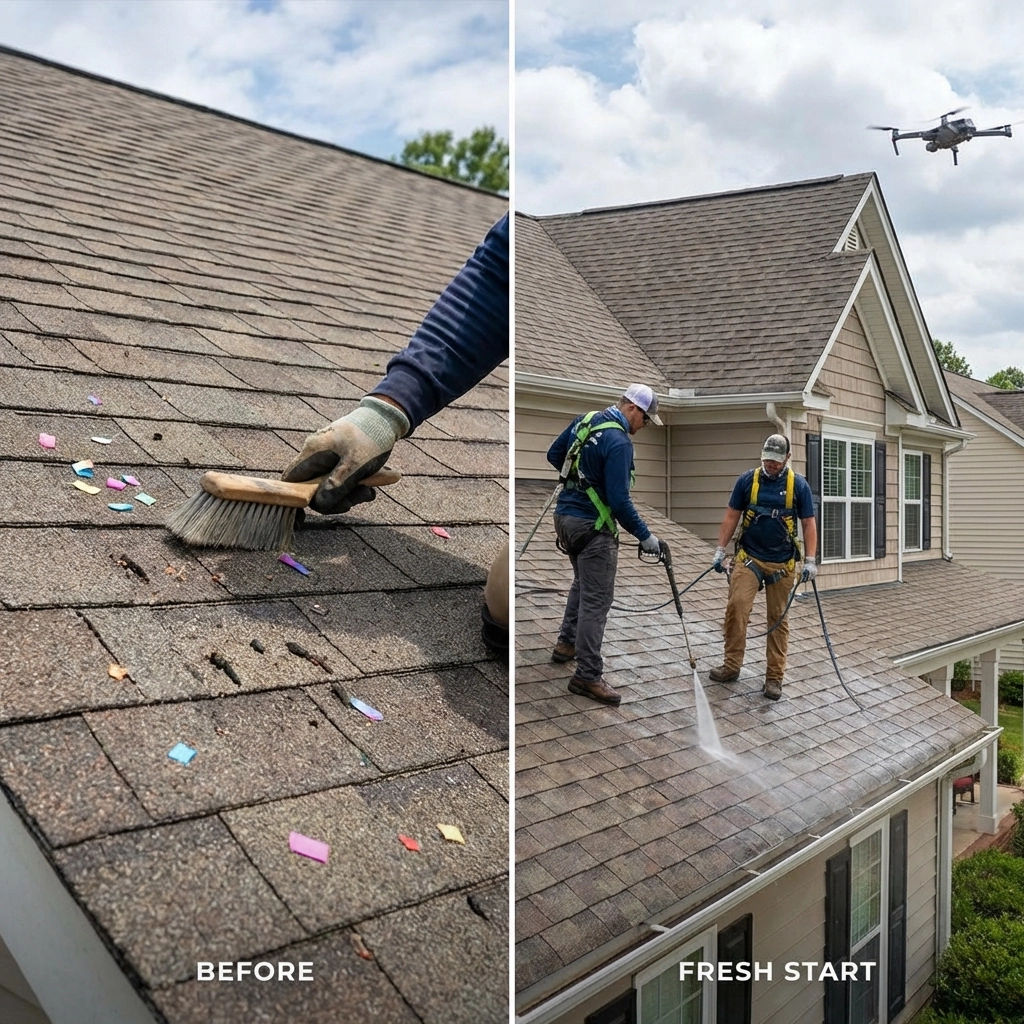
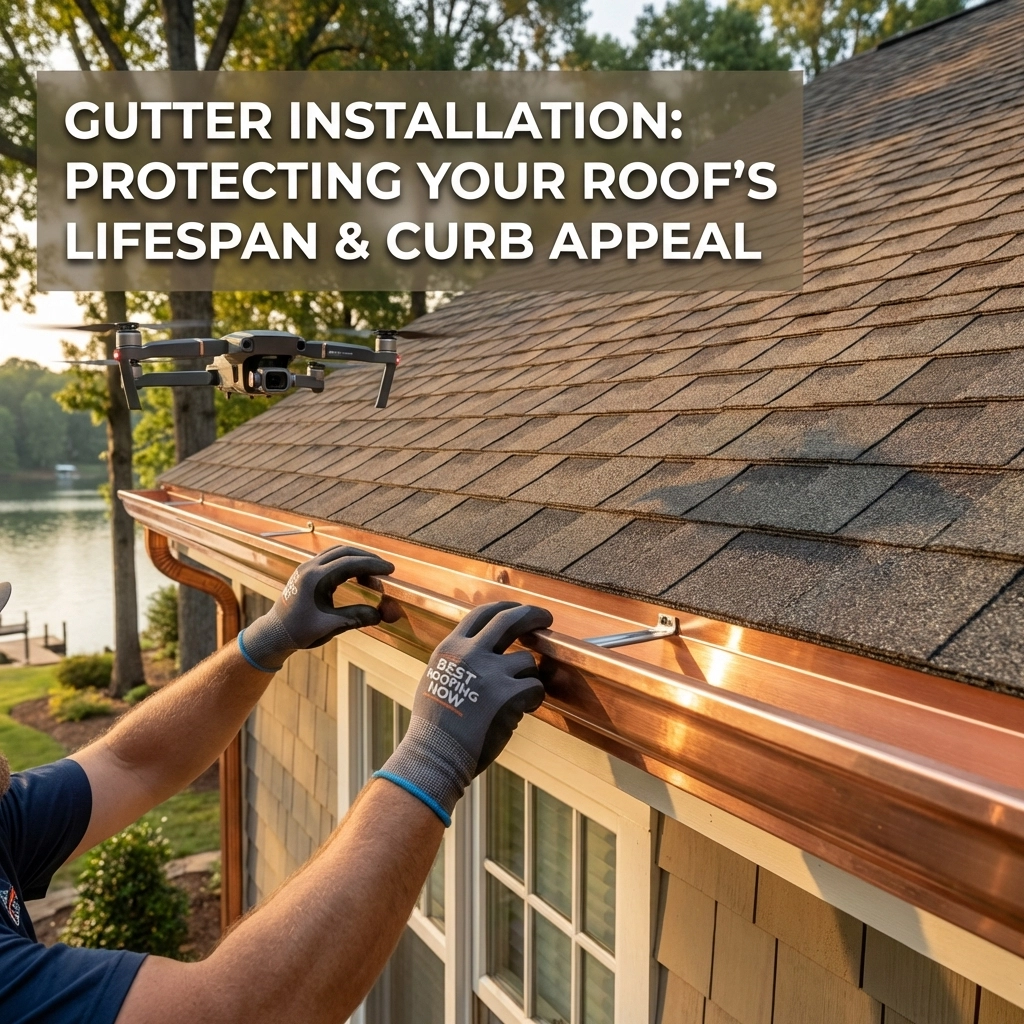
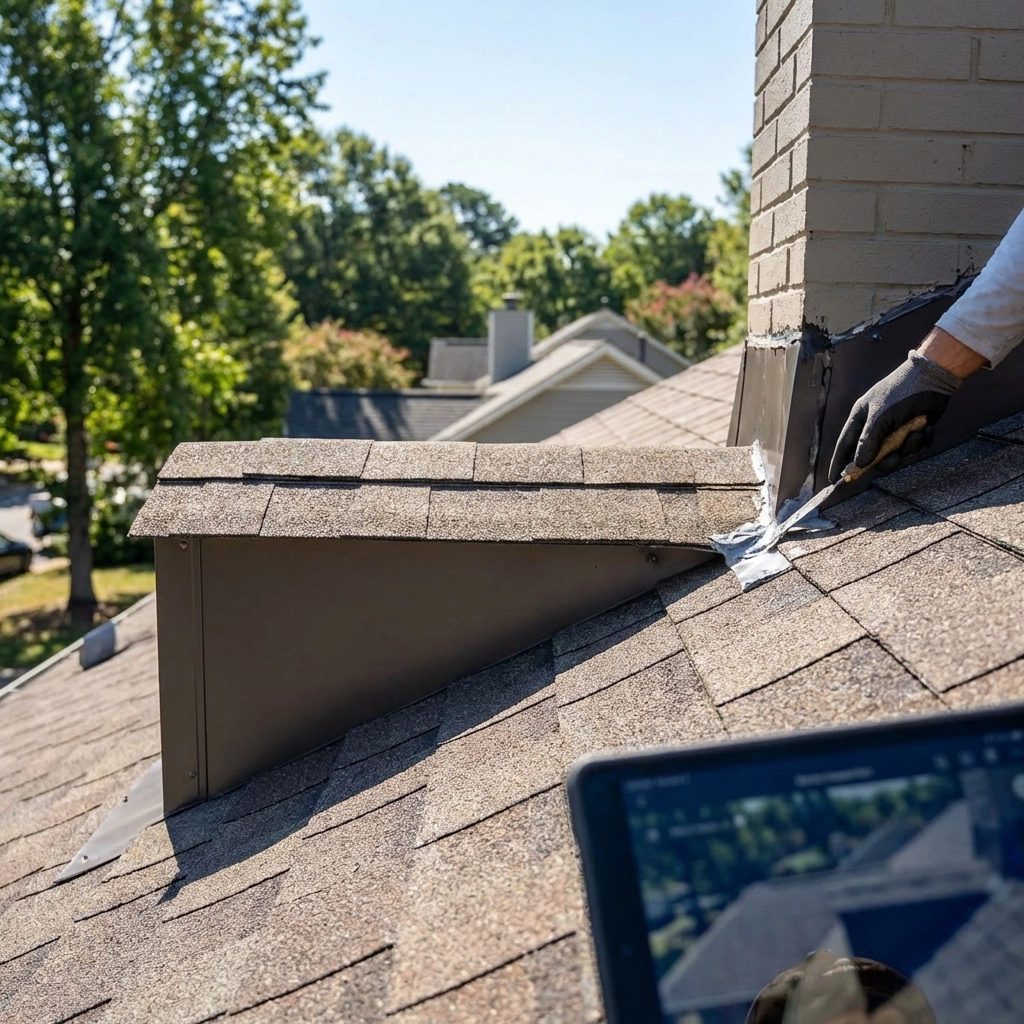
February in North Carolina is a strange month. One week we're dealing with the worst snowfall in decades. The next week, temps are pushing 60 degrees. And before you know it, April showers are here with a vengeance. That's why February is the perfect time to give your roof some attention. Think of it as spring training for your home. Just like baseball teams get ready before opening day, your roof needs a pre-season tune-up before the heavy rains arrive. Here in Charlotte and around Lake Norman, we've learned this lesson the hard way. Spring storms don't mess around in North Carolina. And if your roof has even small problems left over from winter, those April downpours will find every weak spot. Let me walk you through exactly what to check, what to fix, and when to call in the pros. Why February Matters (Especially After This Winter) After the historic 2026 snowstorm we just experienced, your roof has been through a lot. Heavy snow weight. Ice buildup. Freeze-thaw cycles. Tree branches snapping under the load. All of that creates problems that might not show up right away. A small crack in a shingle doesn't leak when it's frozen. But when warm spring rain hits? That crack becomes a river into your attic. A slightly loose flashing around your chimney? Winter wind might have made it worse. And you won't know until water starts dripping down your living room wall. The National Roofing Contractors Association recommends inspecting your roof twice a year: spring and fall. February gives you time to catch issues before the spring rain season starts in earnest. Plus, roofing contractors are usually less slammed in February than they are in April and May. You'll get faster service. Better scheduling. More attention to your specific situation. The Pre-Season Roof Checklist Here's your game plan. Some of these you can do yourself. Others need professional eyes. I'll tell you which is which. Start With a Ground-Level Visual Inspection You don't need to climb up on your roof to spot most problems. In fact, we don't recommend it. One wrong step and you're dealing with a hospital bill instead of a roofing bill. Grab some binoculars and walk around your house. Look for: Missing or damaged shingles. After the wind and snow we just had, this is common. Look for bare spots, curled edges, or shingles that look darker or different than the rest. Sagging areas. Any part of your roof that looks like it's dipping or sagging needs immediate professional attention. That could mean structural damage from snow weight. Granules in your gutters. If you see what looks like coarse sand or gravel in your gutters or downspouts, that's the protective coating coming off your shingles. It's a sign your roof is aging. Dark streaks or green patches. These are algae and moss. They don't just look bad: they hold moisture against your shingles and speed up wear. Clear All Debris From Your Roof Leaves, sticks, pine needles, and other debris trap moisture. That moisture sits against your shingles for days or weeks. And moisture is the enemy of every roofing material. If you're comfortable on a ladder and your roof pitch isn't too steep, you can use a roof rake or leaf blower to clear debris. Work from the edges toward the center, and never walk on a wet or icy roof. Around Lake Norman, we see tons of homes surrounded by beautiful trees. That's great for shade and property value. But it means more debris lands on your roof. If you've got oak trees or pine trees nearby, plan on clearing your roof at least twice before summer. For homes in neighborhoods like Cornelius or Davidson with mature tree canopies, this is especially important. Give Your Gutters Some Love Gutters are the unsung heroes of your roofing system. They move thousands of gallons of water away from your home every year. But they only work if they're clean and properly attached. Here's what to check: Clear out all debris. Put on gloves and scoop out leaves, twigs, and that weird black sludge that builds up. Then flush your gutters with a hose to make sure water flows freely to the downspouts. Check for leaks and separation. Run water through your gutters and watch for drips at the seams. Also check where gutters connect to your fascia board. Loose brackets or separated joints mean water's not going where it should. Test the slope. Water should flow toward downspouts without pooling. If you see standing water in sections of your gutter, they need to be adjusted. The standard is about 1/4 inch of slope for every 10 feet of gutter. Inspect downspouts. Make sure they're firmly attached. And more importantly, make sure they extend at least 4 to 6 feet away from your foundation. If water dumps right next to your house, you're asking for foundation problems and basement leaks. Around Charlotte, clay soil expands and contracts with moisture. Poor downspout drainage can cause foundation cracks and settling over time. Inspect Flashing and Roof Penetrations Flashing is the metal or rubber material installed around chimneys, skylights, roof vents, and anywhere else something pokes through your roof. It's designed to create a watertight seal. But flashing is also one of the most common failure points on a roof. Look for: Rust or corrosion on metal flashing (especially around chimneys)Gaps or cracks where flashing meets the roof or wallLoose or missing sections (wind can pull these up over time)Dried-out caulk or sealant that's cracked or peeling If you see any of these issues, it's time to call a professional. Flashing repair isn't a DIY job. Done wrong, it creates bigger leaks than you started with. According to building science researchers at Oak Ridge National Laboratory, improper flashing accounts for nearly 40% of water intrusion issues in residential roofing systems. Check Your Attic for Warning Signs Your attic tells you things your roof's exterior doesn't. Grab a flashlight and spend 10