Warning: Undefined array key "url" in /home/xhvlaua/public_html/wp-content/plugins/seo-by-rank-math/includes/modules/schema/snippets/class-author.php on line 41

Best Roofing Now

Author name: Joji Shiotsuki

About Us At Best Roofing Now
Uncategorized

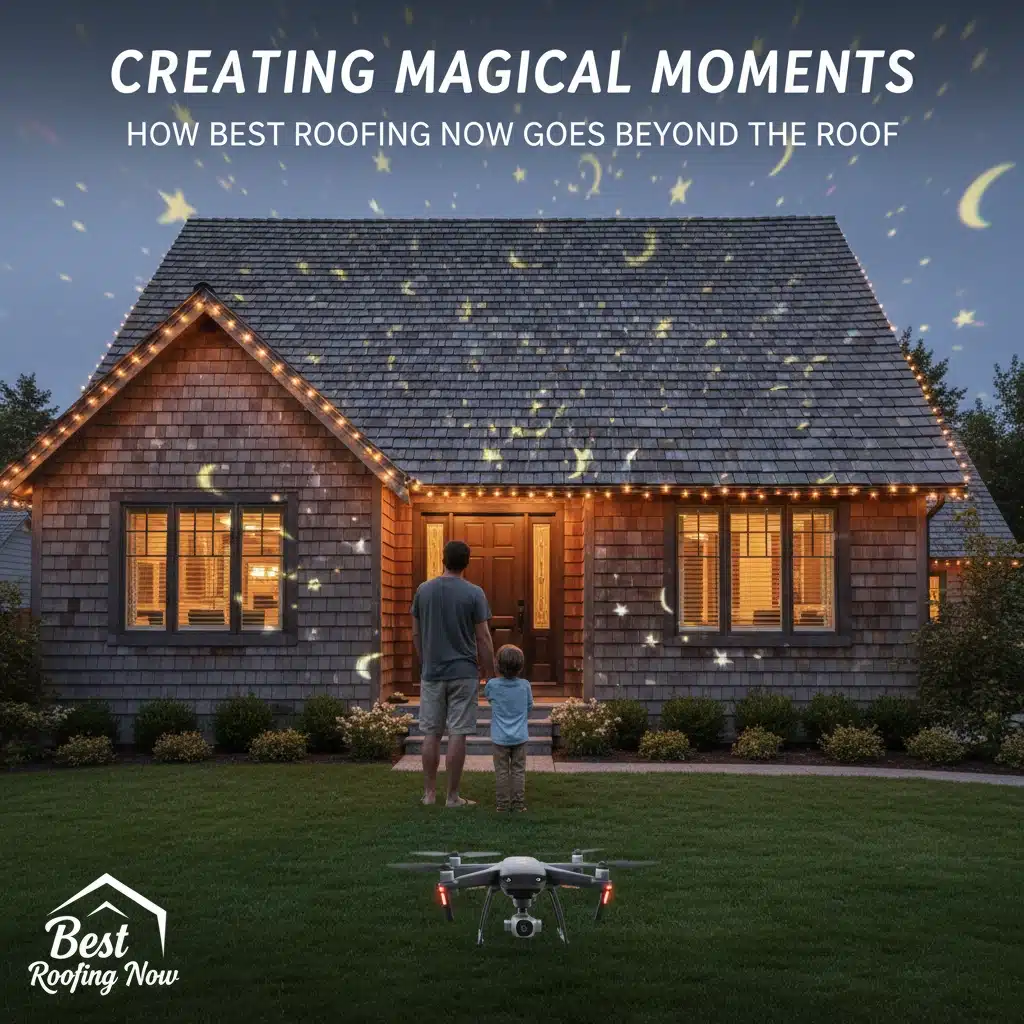
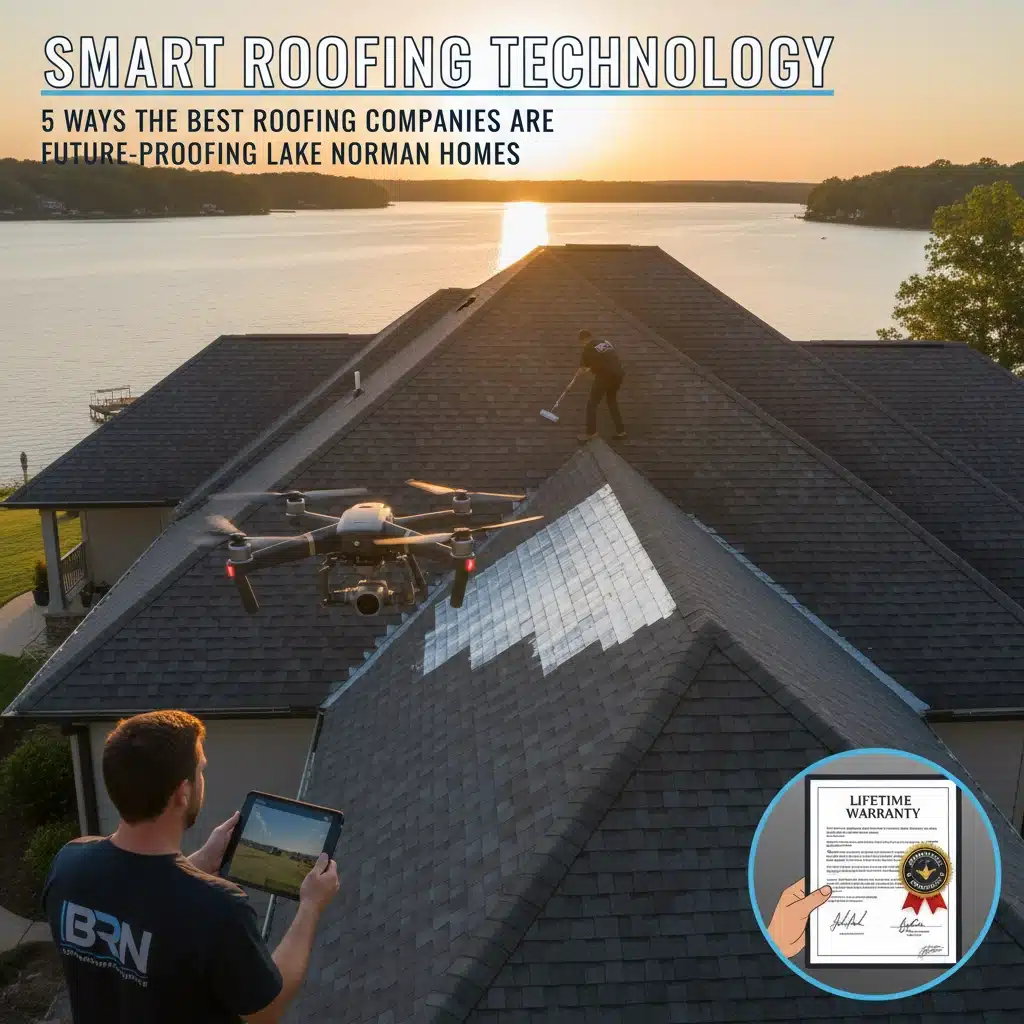
Smart Roofing Technology: 5 Ways the Best Roofing Companies Are Future-Proofing Lake Norman Homes

Your roof isn't just about keeping rain out anymore. The best roofing companies in Lake Norman are using amazing new tech to make homes smarter, safer, and more efficient. These aren't just fancy gadgets – they're real tools that save money and prevent problems. Smart roofing is changing how we think about home protection. Instead of waiting for leaks to ruin your ceiling, new technology spots problems early. Instead of guessing about energy costs, smart systems show you exactly how much you're saving. Here are five ways LKN roofers are using cutting-edge technology to future-proof your home. 1. Smart Sensors That Watch Your Roof 24/7 Think of smart sensors as tiny guards living on your roof. They never sleep, never take breaks, and always watch for trouble. These sensors check for moisture, temperature changes, and even tiny movements in your roof structure. When something's wrong, they send alerts straight to your phone. No more surprise leaks or hidden damage that costs thousands to fix. Lake Norman's weather can be unpredictable. Heavy storms, sudden temperature drops, and humid summers all stress your roof. Smart sensors catch these problems before you see water spots on your ceiling. "We install sensors that detect moisture levels 48 hours before visible leaks appear," explains roofing technology expert Dr. Sarah Chen from the National Roofing Institute. "This early warning system prevents 90% of water damage claims." The sensors connect to your Wi-Fi and work through an app. You can check your roof's health from anywhere. Some systems even predict when you'll need maintenance based on weather patterns and roof age. Best roofing contractors in Lake Norman are using this tech to offer better warranties. When they can monitor your roof's health, they're more confident about long-term protection. 2. Solar Roofing That Looks Amazing Old solar panels were bulky and ugly. New solar roofing looks just like regular shingles – but they make electricity. These solar shingles blend perfectly with your roof. Your neighbors might not even notice them. But your electric bill definitely will. Lake Norman gets plenty of sunshine. That's free energy waiting on your roof. Modern solar roofing captures more sunlight than old panels. The technology keeps getting better and cheaper. Here's what makes new solar roofing special: Looks like regular shingles Works in partial shade Stores energy for cloudy days Connects to your home's power system seamlessly The best part? Many homeowners in Lake Norman see their electric bills drop to almost zero. Some even sell extra power back to the electric company. Installation is easier now too. LKN roofers trained in solar technology can install everything in one project. No need for separate roof and solar contractors. Tax credits and local incentives make solar roofing more affordable than ever. The technology pays for itself through energy savings, usually within 8-10 years. 3. AI That Spots Problems From Space Artificial intelligence now helps roof contractors see problems you can't. Using satellite images and drone photos, AI systems analyze every inch of your roof. This isn't science fiction – it's happening right now in Lake Norman. Roofing contractors use AI to create detailed reports about your roof's condition. They can spot worn shingles, damaged flashing, and even predict where leaks might start. The AI is incredibly accurate. It measures your roof down to the inch and calculates exactly how much material you need. No more guessing or waste. For homeowners, this means: Faster, more accurate estimates Better planning for repairs Less disruption during projects More competitive pricing AI also helps with insurance claims. After storms, the technology documents damage with precision that insurance companies trust. This speeds up claim processing and ensures you get fair settlements. Smart roofing contractors combine AI analysis with their experience. The technology gives them data, and their skills turn that data into solutions. 4. Drones That Keep Workers Safe Climbing on roofs is dangerous. That's why the smartest LKN roofers use drones for inspections. Drones carry high-resolution cameras that capture every detail. They can fly in weather conditions that would be unsafe for human inspectors. The footage helps contractors plan repairs without anyone risking a fall. These aren't toy drones. Professional roofing drones have: 4K cameras for crystal-clear images Thermal sensors that detect heat loss Weather resistance for year-round use GPS tracking for precise measurements After Lake Norman's severe weather events, drones help assess damage quickly. Insurance adjusters can review footage remotely, speeding up the claims process. Drone inspections also cost less than traditional methods. Without the need for safety equipment and scaffolding, contractors can offer more competitive prices. The technology is so advanced that some drones can even apply temporary roof sealants to stop leaks until permanent repairs are made. 5. Cool Roof Coatings That Fight Heat Lake Norman summers are hot. Traditional dark roofs absorb heat and make your air conditioner work harder. Smart roof coatings reflect that heat away. These aren't just white paint. Advanced cool roof coatings use special materials that reflect infrared light – the part that creates heat. Your roof stays cooler, your house stays comfortable, and your energy bills stay low. The coatings do more than save energy: Extend roof life by reducing temperature stress Resist UV damage that breaks down roofing materials Repel water to prevent moisture problems Reflect light to reduce urban heat effects Some coatings are "self-healing." Minor scratches and small holes seal themselves automatically. This technology keeps your roof protected even as it ages. Cool roof technology is especially valuable for flat or low-slope roofs common in Lake Norman's commercial buildings. The energy savings can be dramatic – up to 30% reduction in cooling costs during summer months. Smart contractors apply these coatings with precision spray equipment. The process is fast, clean, and immediately effective. The Future Is Here in Lake Norman These technologies aren't coming someday – they're available right now from the best roofing companies in Lake Norman. Smart roofing saves money, prevents problems, and makes your home more valuable. The key is choosing roof
Energy Efficient Roofing
Uncategorized

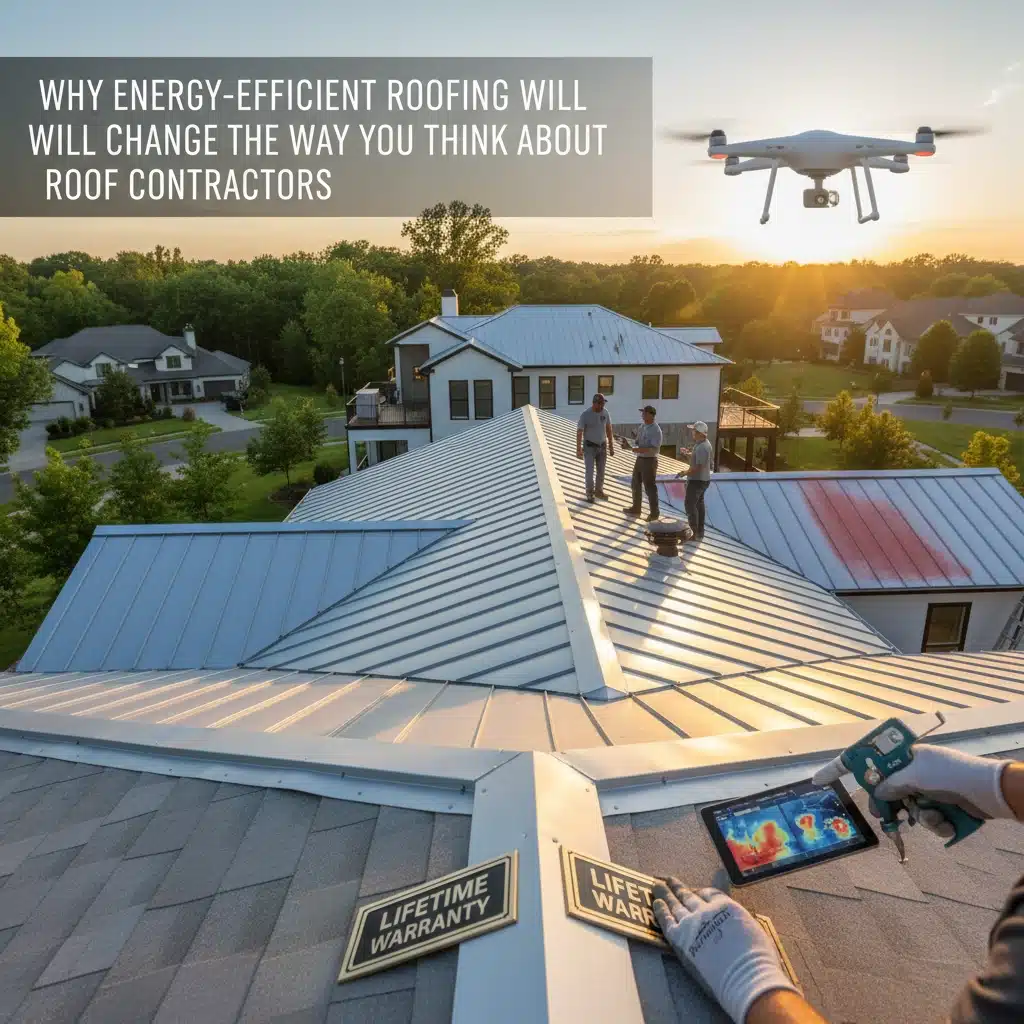
Why Energy-Efficient Roofing Will Change the Way You Think About Roof Contractors

Think about the last time you needed a roof contractor. You probably looked for someone who could fix leaks, replace damaged shingles, or install a basic roof that wouldn't fall apart. But here's the thing – that old way of thinking is costing you hundreds of dollars every year. Energy-efficient roofing is completely changing what smart homeowners expect from roof contractors. It's not just about keeping rain out anymore. The best roofing companies now help you slash energy bills, boost comfort, and even help save the planet. And if your contractor isn't talking about energy efficiency, you're working with someone who's stuck in the past. What Makes a Roof Energy-Efficient? Energy-efficient roofing works like a superhero outfit for your house. It has three main powers that regular roofs just don't have. First is solar reflectance – that's the roof's ability to bounce sunlight back into space instead of soaking it up like a sponge. A good energy-efficient roof can be up to 50°F cooler than a regular dark roof on a hot summer day. Imagine the difference between wearing a white t-shirt versus a black one in July. Second is better insulation. This keeps the hot air out in summer and warm air in during winter. It's like having a really good cooler that keeps your drinks cold all day. Third is smart ventilation. This lets air flow properly through your attic, preventing heat from getting trapped up there and making your AC work overtime. Here in Charlotte, where we get blazing summers and chilly winters, these three features can make a huge difference in your monthly bills. The Money You'll Save Will Shock You Let's talk numbers because that's what really matters to most homeowners. Energy-efficient roofing can cut your energy bills by up to 25%. For the average Charlotte home, that's $300 to $500 back in your pocket every single year. If you go with metal roofing, those savings can jump to 40%. Think about it – that's like getting a free vacation every year just from having the right roof over your head. But the savings don't stop at your electric bill. Your air conditioner won't have to work as hard, which means fewer repairs and it'll last longer. That's another few thousand dollars you won't have to spend on HVAC replacement down the road. Comfort That Makes Your Home Feel Like a Luxury Resort Money is great, but comfort is priceless. Energy-efficient roofs keep your home's temperature steady all day long. No more walking from a freezing living room to a boiling kitchen. No more cranking the thermostat up and down trying to find that sweet spot. Your upstairs bedrooms won't feel like saunas anymore. You know that miserable feeling when you go to bed and your bedroom is still 10 degrees hotter than the rest of the house? Energy-efficient roofing fixes that problem. And here's a bonus – these roofs help prevent mold and mildew because they keep moisture levels more stable. That means cleaner air for your family and fewer allergy problems. You're Actually Helping Save the Planet If saving money and being comfortable aren't enough, energy-efficient roofing also helps the environment. When your house uses less energy, the power company burns less fuel to make that electricity. That means less pollution in our air. Many energy-efficient roofing materials are made from recycled stuff too. So you're keeping old materials out of landfills while getting a better roof. It's a win-win situation. In Lake Norman, where we love our beautiful outdoors, choosing energy-efficient roofing is one way to keep our community clean and healthy for future generations. This Changes Everything About Choosing Roof Contractors Now that you understand how powerful energy-efficient roofing is, you can see why not all roofing companies are equal anymore. You need contractors who actually understand this technology, not just someone who can nail shingles to wood. The best roofing contractors now have to be part roofer, part energy expert, and part home performance specialist. They should know about different reflective materials, proper insulation techniques, and ventilation systems. Think of it this way – would you want a mechanic who only knew how to fix cars from the 1970s working on your modern vehicle? Of course not. The same goes for roofing contractors. What to Look for in a Modern Roof Contractor When you're shopping for roof contractors, ask these questions: Do they talk about energy efficiency without you bringing it up first? Good contractors should explain how different materials will affect your energy bills. Can they show you examples of energy-efficient work they've done? You want to see before and after photos, and even better – actual customer testimonials about energy savings. Do they understand your local climate? Charlotte's hot summers and occasional ice storms require specific approaches. A good contractor knows which materials work best here. Are they certified with energy-efficient roofing manufacturers? Companies like GAF, CertainTeed, and Owens Corning have special training programs. Contractors who've taken the time to get certified are usually more knowledgeable. Will they explain the math? A good contractor should be able to estimate your potential energy savings and show you how the investment pays for itself over time. Don't Fall for These Old-School Contractor Tricks Some contractors still operate like it's 1995. They'll try to sell you the cheapest materials possible and focus only on upfront cost. They might say things like "all roofs are basically the same" or "energy efficiency is just marketing hype." Run away from these contractors. They're either uninformed or trying to take shortcuts that'll cost you money for years to come. Also be wary of contractors who push only one type of material. The best contractors will explain the pros and cons of different options – asphalt shingles with high reflectance, metal roofing, tile, or other materials – based on your specific needs and budget. The Bottom Line: Your Roof Should Make You Money Here's the mindset shift: your roof shouldn't just cost you money –

Smart Roofing Technology
Uncategorized

Smart Roofing Technology: 5 Ways the Best Roofing Companies Are Future-Proofing Lake Norman Homes

Your roof isn't just about keeping rain out anymore. The best roofing companies in Lake Norman are using amazing new tech to make homes smarter, safer, and more efficient. These aren't just fancy gadgets – they're real tools that save money and prevent problems. Smart roofing is changing how we think about home protection. Instead of waiting for leaks to ruin your ceiling, new technology spots problems early. Instead of guessing about energy costs, smart systems show you exactly how much you're saving. Here are five ways LKN roofers are using cutting-edge technology to future-proof your home. 1. Smart Sensors That Watch Your Roof 24/7 Think of smart sensors as tiny guards living on your roof. They never sleep, never take breaks, and always watch for trouble. These sensors check for moisture, temperature changes, and even tiny movements in your roof structure. When something's wrong, they send alerts straight to your phone. No more surprise leaks or hidden damage that costs thousands to fix. Lake Norman's weather can be unpredictable. Heavy storms, sudden temperature drops, and humid summers all stress your roof. Smart sensors catch these problems before you see water spots on your ceiling. "We install sensors that detect moisture levels 48 hours before visible leaks appear," explains roofing technology expert Dr. Sarah Chen from the National Roofing Institute. "This early warning system prevents 90% of water damage claims." The sensors connect to your Wi-Fi and work through an app. You can check your roof's health from anywhere. Some systems even predict when you'll need maintenance based on weather patterns and roof age. Best roofing contractors in Lake Norman are using this tech to offer better warranties. When they can monitor your roof's health, they're more confident about long-term protection. 2. Solar Roofing That Looks Amazing Old solar panels were bulky and ugly. New solar roofing looks just like regular shingles – but they make electricity. These solar shingles blend perfectly with your roof. Your neighbors might not even notice them. But your electric bill definitely will. Lake Norman gets plenty of sunshine. That's free energy waiting on your roof. Modern solar roofing captures more sunlight than old panels. The technology keeps getting better and cheaper. Here's what makes new solar roofing special: Looks like regular shingles Works in partial shade Stores energy for cloudy days Connects to your home's power system seamlessly The best part? Many homeowners in Lake Norman see their electric bills drop to almost zero. Some even sell extra power back to the electric company. Installation is easier now too. LKN roofers trained in solar technology can install everything in one project. No need for separate roof and solar contractors. Tax credits and local incentives make solar roofing more affordable than ever. The technology pays for itself through energy savings, usually within 8-10 years. 3. AI That Spots Problems From Space Artificial intelligence now helps roof contractors see problems you can't. Using satellite images and drone photos, AI systems analyze every inch of your roof. This isn't science fiction – it's happening right now in Lake Norman. Roofing contractors use AI to create detailed reports about your roof's condition. They can spot worn shingles, damaged flashing, and even predict where leaks might start. The AI is incredibly accurate. It measures your roof down to the inch and calculates exactly how much material you need. No more guessing or waste. For homeowners, this means: Faster, more accurate estimates Better planning for repairs Less disruption during projects More competitive pricing AI also helps with insurance claims. After storms, the technology documents damage with precision that insurance companies trust. This speeds up claim processing and ensures you get fair settlements. Smart roofing contractors combine AI analysis with their experience. The technology gives them data, and their skills turn that data into solutions. 4. Drones That Keep Workers Safe Climbing on roofs is dangerous. That's why the smartest LKN roofers use drones for inspections. Drones carry high-resolution cameras that capture every detail. They can fly in weather conditions that would be unsafe for human inspectors. The footage helps contractors plan repairs without anyone risking a fall. These aren't toy drones. Professional roofing drones have: 4K cameras for crystal-clear images Thermal sensors that detect heat loss Weather resistance for year-round use GPS tracking for precise measurements After Lake Norman's severe weather events, drones help assess damage quickly. Insurance adjusters can review footage remotely, speeding up the claims process. Drone inspections also cost less than traditional methods. Without the need for safety equipment and scaffolding, contractors can offer more competitive prices. The technology is so advanced that some drones can even apply temporary roof sealants to stop leaks until permanent repairs are made. 5. Cool Roof Coatings That Fight Heat Lake Norman summers are hot. Traditional dark roofs absorb heat and make your air conditioner work harder. Smart roof coatings reflect that heat away. These aren't just white paint. Advanced cool roof coatings use special materials that reflect infrared light – the part that creates heat. Your roof stays cooler, your house stays comfortable, and your energy bills stay low. The coatings do more than save energy: Extend roof life by reducing temperature stress Resist UV damage that breaks down roofing materials Repel water to prevent moisture problems Reflect light to reduce urban heat effects Some coatings are "self-healing." Minor scratches and small holes seal themselves automatically. This technology keeps your roof protected even as it ages. Cool roof technology is especially valuable for flat or low-slope roofs common in Lake Norman's commercial buildings. The energy savings can be dramatic – up to 30% reduction in cooling costs during summer months. Smart contractors apply these coatings with precision spray equipment. The process is fast, clean, and immediately effective. The Future Is Here in Lake Norman These technologies aren't coming someday – they're available right now from the best roofing companies in Lake Norman. Smart roofing saves money, prevents problems, and makes your home more valuable. The key is choosing roof
Inspecting Commercial Roofing In Charlotte
Uncategorized

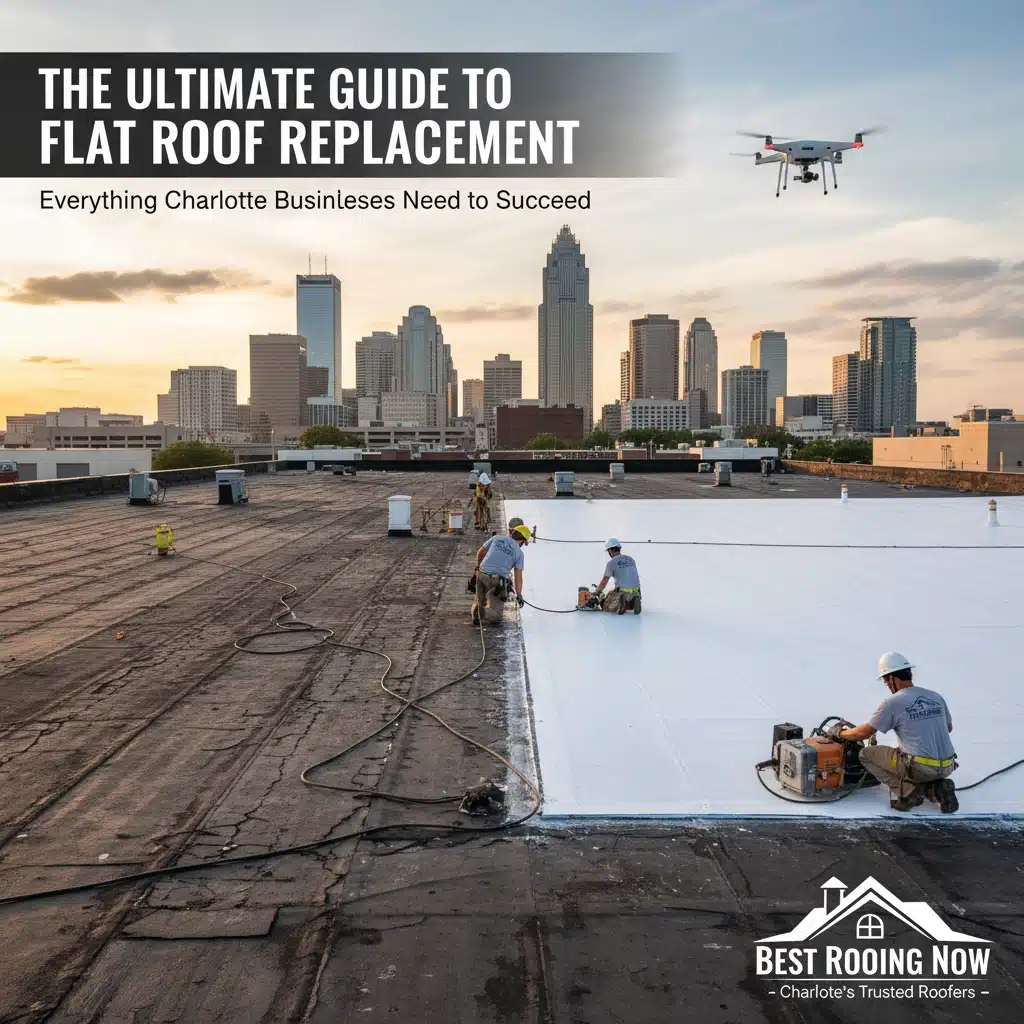
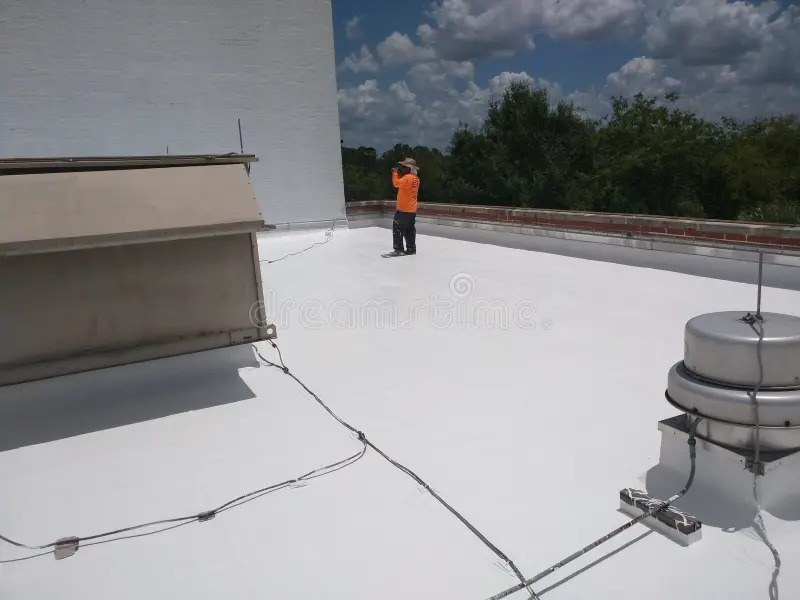
The Ultimate Guide to Flat Roof Replacement: Everything Charlotte Businesses Need to Succeed

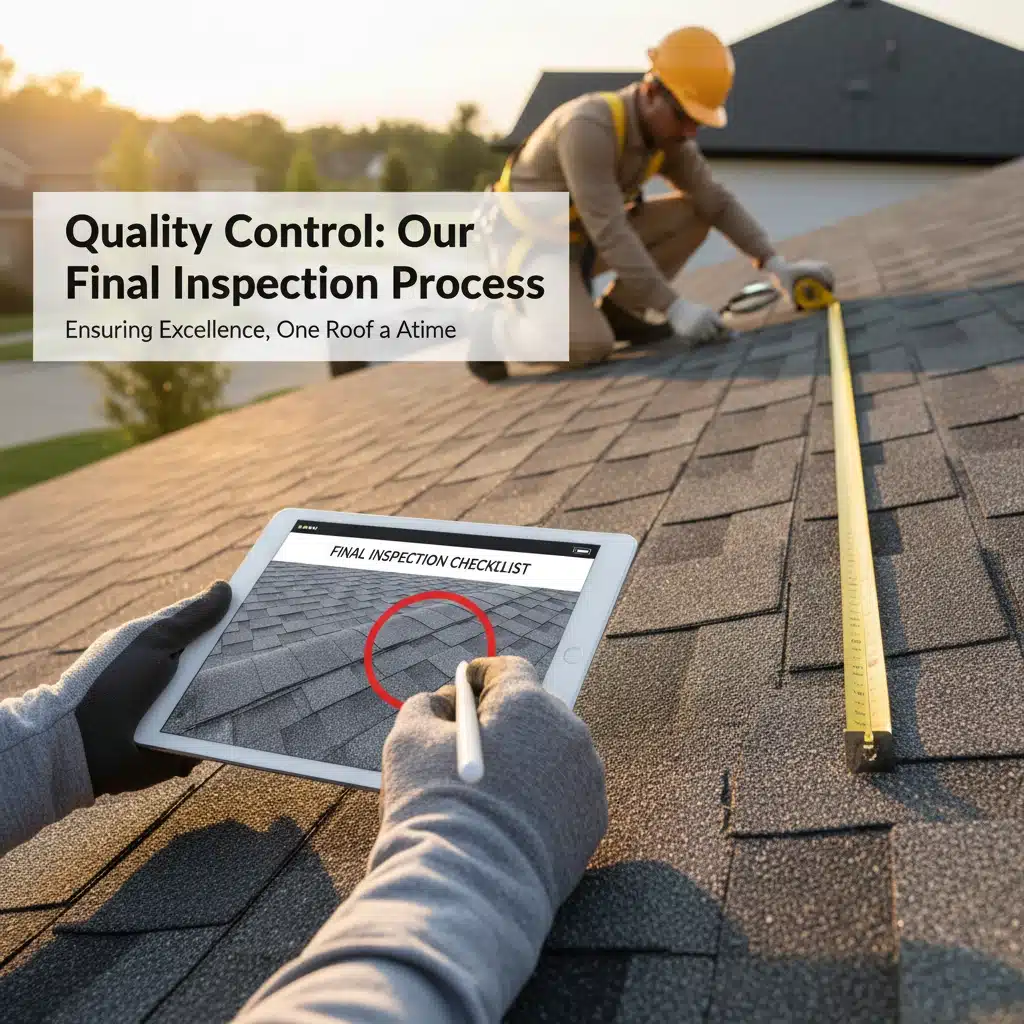
Your flat roof protects everything inside your building. But when it starts failing, you need answers fast. This guide gives Charlotte business owners the straight facts about flat roof replacement. We'll cover when to replace versus repair, how much it costs, and how to pick the right contractor. No fancy sales talk – just practical info to help your business succeed. Why Flat Roofs Are Different Most Charlotte businesses have flat roofs because they're cost-effective and provide extra space for HVAC equipment. But they face unique challenges. Water sits on flat surfaces longer than sloped roofs. This means small problems become big ones quickly. Charlotte's hot summers and occasional ice storms make things worse. The good news? Modern flat roofing materials last 20-30 years when installed correctly. You just need to know what you're doing. Repair vs. Replace: Making the Right Choice Here's how to decide if you need repairs or a full replacement: Choose repairs when: Damage covers less than 25% of your roof Your roof is under 15 years old Only one or two areas leak The roof structure underneath looks solid Choose replacement when: Multiple leaks keep appearing Your roof is over 20 years old Repairs cost more than half of replacement You see sagging or structural damage "When a commercial flat roof reaches 75% of its expected lifespan, replacement often provides better long-term value than continued repairs," says the National Roofing Contractors Association. Don't guess on this decision. Get a professional inspection first. A good contractor will tell you honestly if repairs will work or if you're throwing money away. The Flat Roof Replacement Process Step 1: Planning and Permits First, your contractor checks if you need permits. Charlotte requires permits for most commercial roofing work. Your contractor should handle this paperwork. Plan for business disruption. Most flat roof replacements take 3-7 days, depending on size. You might hear noise and see workers on your roof. Step 2: Tear-Off and Inspection The old roof comes off completely. This reveals problems you couldn't see before – rotted decking, structural issues, or poor insulation. Good contractors inspect everything and document problems with photos. They should show you what they find and explain what it means for your project. Step 3: Structural Repairs Any damaged decking gets replaced. This step is crucial but often adds costs you didn't expect. Budget an extra 10-15% for surprise repairs. Step 4: New Installation Your contractor installs the new roofing system in layers: Insulation – Keeps energy costs down Vapor barrier – Stops moisture problems Roofing membrane – Your waterproof protection Protective coating – Extends roof life Each layer matters. Skipping steps creates problems later. Step 5: Final Inspection A thorough inspection ensures everything works correctly. Check that drains flow properly and all seams are sealed tight. Flat Roof Material Options You have three main choices for commercial flat roofing: TPO (Thermoplastic Polyolefin) TPO is Charlotte's most popular choice. It reflects heat, which cuts cooling costs during our hot summers. TPO lasts 15-20 years and costs less than other options. Pros: Energy efficient, affordable, easy to install Cons: Can shrink over time, vulnerable to chemical damage EPDM (Rubber Roofing) EPDM works great in Charlotte's climate. It handles temperature swings well and resists UV damage. Expect 20-25 years of life. Pros: Very durable, handles weather extremes, cost-effective Cons: Dark color absorbs heat, seams can fail over time Modified Bitumen This upgraded asphalt system works well for businesses with heavy foot traffic on the roof. It's tough and repairable. Pros: Extremely durable, easy to repair, handles foot traffic Cons: More expensive, requires torch application (fire risk during install) Choosing Your Roofing Contractor This decision makes or breaks your project. Here's what to look for: Must-Have Qualifications Licensed in North Carolina Commercial liability insurance (minimum $1 million) Workers' compensation coverage Local references from similar businesses Experience with your chosen roofing material Red Flags to Avoid Door-to-door sales pitches Demands for full payment upfront Estimates way below others No local address or references Pressure to sign immediately Questions to Ask How many flat roofs have you replaced in Charlotte? What warranties do you offer on labor and materials? How do you handle unexpected structural problems? Can you provide references from projects completed in the last year? What's your timeline, and what could delay the project? Get at least three detailed estimates. The cheapest bid often costs more in the long run. Cost Factors for Flat Roof Replacement Flat roof replacement typically costs $5-12 per square foot in Charlotte. Several factors affect your final price: Size and Complexity Larger roofs cost less per square foot. Complex layouts with lots of equipment or obstacles cost more. Material Choice TPO: $5-8 per square foot EPDM: $6-9 per square foot Modified Bitumen: $8-12 per square foot Structural Repairs Budget 10-20% extra for unexpected repairs. Older buildings often need more work. Access and Location Hard-to-reach buildings or busy downtown locations increase labor costs. Benefits of Professional Flat Roof Replacement Energy Savings New flat roofs can cut cooling costs by 20-30%. In Charlotte's climate, this adds up fast. Many businesses see $500-2,000 yearly savings. Property Value A new roof increases your building's value and makes it easier to sell or lease. Tenants appreciate buildings with reliable roofs. Peace of Mind Stop worrying about emergency leaks during Charlotte's heavy rains. A quality flat roof replacement eliminates stress and unexpected repair costs. Insurance Benefits Some insurance companies offer discounts for new roofs. Check with your agent about potential savings. Maintaining Your New Flat Roof Even the best flat roof needs regular care: Quarterly inspections – Look for damage after storms Annual professional inspection – Catch small problems earlyKeep drains clear – Charlotte's heavy rains can overwhelm clogged drains Address issues quickly – Small problems become expensive fast We recommend scheduling maintenance with your original contractor. They know your roof best and often offer service discounts. Why Charlotte Businesses Choose Best Roofing Now We've replaced hundreds of flat roofs across Charlotte and Lake Norman. Our

The Ultimate Guide To Flat Roof Replacement
Uncategorized

The Ultimate Guide to Flat Roof Replacement: Everything Charlotte Businesses Need to Succeed

Your flat roof protects everything inside your building. But when it starts failing, you need answers fast. This guide gives Charlotte business owners the straight facts about flat roof replacement. We'll cover when to replace versus repair, how much it costs, and how to pick the right contractor. No fancy sales talk – just practical info to help your business succeed. Why Flat Roofs Are Different Most Charlotte businesses have flat roofs because they're cost-effective and provide extra space for HVAC equipment. But they face unique challenges. Water sits on flat surfaces longer than sloped roofs. This means small problems become big ones quickly. Charlotte's hot summers and occasional ice storms make things worse. The good news? Modern flat roofing materials last 20-30 years when installed correctly. You just need to know what you're doing. Repair vs. Replace: Making the Right Choice Here's how to decide if you need repairs or a full replacement: Choose repairs when: Damage covers less than 25% of your roof Your roof is under 15 years old Only one or two areas leak The roof structure underneath looks solid Choose replacement when: Multiple leaks keep appearing Your roof is over 20 years old Repairs cost more than half of replacement You see sagging or structural damage "When a commercial flat roof reaches 75% of its expected lifespan, replacement often provides better long-term value than continued repairs," says the National Roofing Contractors Association. Don't guess on this decision. Get a professional inspection first. A good contractor will tell you honestly if repairs will work or if you're throwing money away. The Flat Roof Replacement Process Step 1: Planning and Permits First, your contractor checks if you need permits. Charlotte requires permits for most commercial roofing work. Your contractor should handle this paperwork. Plan for business disruption. Most flat roof replacements take 3-7 days, depending on size. You might hear noise and see workers on your roof. Step 2: Tear-Off and Inspection The old roof comes off completely. This reveals problems you couldn't see before – rotted decking, structural issues, or poor insulation. Good contractors inspect everything and document problems with photos. They should show you what they find and explain what it means for your project. Step 3: Structural Repairs Any damaged decking gets replaced. This step is crucial but often adds costs you didn't expect. Budget an extra 10-15% for surprise repairs. Step 4: New Installation Your contractor installs the new roofing system in layers: Insulation – Keeps energy costs down Vapor barrier – Stops moisture problems Roofing membrane – Your waterproof protection Protective coating – Extends roof life Each layer matters. Skipping steps creates problems later. Step 5: Final Inspection A thorough inspection ensures everything works correctly. Check that drains flow properly and all seams are sealed tight. Flat Roof Material Options You have three main choices for commercial flat roofing: TPO (Thermoplastic Polyolefin) TPO is Charlotte's most popular choice. It reflects heat, which cuts cooling costs during our hot summers. TPO lasts 15-20 years and costs less than other options. Pros: Energy efficient, affordable, easy to install Cons: Can shrink over time, vulnerable to chemical damage EPDM (Rubber Roofing) EPDM works great in Charlotte's climate. It handles temperature swings well and resists UV damage. Expect 20-25 years of life. Pros: Very durable, handles weather extremes, cost-effective Cons: Dark color absorbs heat, seams can fail over time Modified Bitumen This upgraded asphalt system works well for businesses with heavy foot traffic on the roof. It's tough and repairable. Pros: Extremely durable, easy to repair, handles foot traffic Cons: More expensive, requires torch application (fire risk during install) Choosing Your Roofing Contractor This decision makes or breaks your project. Here's what to look for: Must-Have Qualifications Licensed in North Carolina Commercial liability insurance (minimum $1 million) Workers' compensation coverage Local references from similar businesses Experience with your chosen roofing material Red Flags to Avoid Door-to-door sales pitches Demands for full payment upfront Estimates way below others No local address or references Pressure to sign immediately Questions to Ask How many flat roofs have you replaced in Charlotte? What warranties do you offer on labor and materials? How do you handle unexpected structural problems? Can you provide references from projects completed in the last year? What's your timeline, and what could delay the project? Get at least three detailed estimates. The cheapest bid often costs more in the long run. Cost Factors for Flat Roof Replacement Flat roof replacement typically costs $5-12 per square foot in Charlotte. Several factors affect your final price: Size and Complexity Larger roofs cost less per square foot. Complex layouts with lots of equipment or obstacles cost more. Material Choice TPO: $5-8 per square foot EPDM: $6-9 per square foot Modified Bitumen: $8-12 per square foot Structural Repairs Budget 10-20% extra for unexpected repairs. Older buildings often need more work. Access and Location Hard-to-reach buildings or busy downtown locations increase labor costs. Benefits of Professional Flat Roof Replacement Energy Savings New flat roofs can cut cooling costs by 20-30%. In Charlotte's climate, this adds up fast. Many businesses see $500-2,000 yearly savings. Property Value A new roof increases your building's value and makes it easier to sell or lease. Tenants appreciate buildings with reliable roofs. Peace of Mind Stop worrying about emergency leaks during Charlotte's heavy rains. A quality flat roof replacement eliminates stress and unexpected repair costs. Insurance Benefits Some insurance companies offer discounts for new roofs. Check with your agent about potential savings. Maintaining Your New Flat Roof Even the best flat roof needs regular care: Quarterly inspections – Look for damage after storms Annual professional inspection – Catch small problems earlyKeep drains clear – Charlotte's heavy rains can overwhelm clogged drains Address issues quickly – Small problems become expensive fast We recommend scheduling maintenance with your original contractor. They know your roof best and often offer service discounts. Why Charlotte Businesses Choose Best Roofing Now We've replaced hundreds of flat roofs across Charlotte and Lake Norman. Our

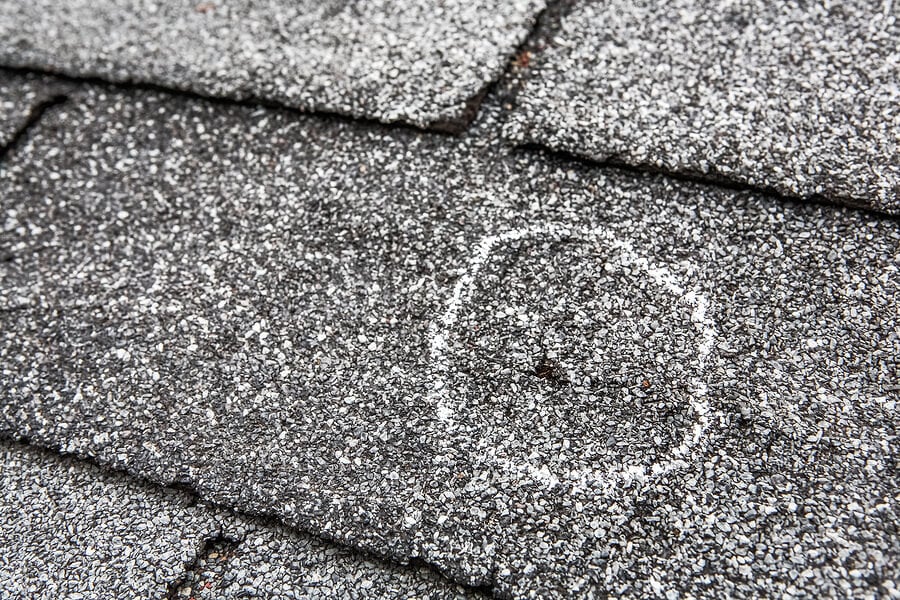
Shingle Hail Damage
Uncategorized

7 Mistakes You're Making with Storm-Resistant Roofing (and How to Fix Them)

Living in Charlotte means dealing with some serious weather. From hurricane remnants rolling through the Carolinas to those sudden summer thunderstorms that can drop golf-ball-sized hail in minutes, your roof takes a beating year-round. Yet many homeowners are unknowingly making critical mistakes that leave their homes vulnerable when the next big storm hits. After years of helping Charlotte families recover from storm damage, we've seen the same preventable mistakes over and over again. The good news? Most of these issues can be fixed before they become expensive problems. Mistake #1: Ignoring Gable End Vulnerabilities Your gable ends – those triangular wall sections at your roof's peak – are basically giant sails waiting for the next windstorm. When Hurricane Florence's remnants hit Charlotte in 2018, we saw dozens of homes with blown-out gable ends, and it wasn't pretty. The Problem: Gable walls taller than 5 feet face serious collapse risk during high winds. Add an overhang longer than 20 inches, and you're asking for trouble. Wind hits your house, accelerates around those overhangs, and creates powerful uplift forces that can literally tear sections of your roof away. The Fix: Reinforce those gable ends with proper bracing and ensure all connections are rock-solid. Keep overhangs to 20 inches or less – we know they look nice, but they're not worth the risk. If you've got longer overhangs, talk to a structural engineer about reinforcement options. Mistake #2: Skimping on Roof Sheathing Fasteners Here's something that'll blow your mind: many older Charlotte homes still have roof sheathing attached with staples. Staples! During a storm, when one piece of sheathing fails, the interior damage can cost ten times more than fixing the exterior properly in the first place. The Problem: Standard 8d nails spaced more than 12 inches apart won't cut it when 70+ mph winds start testing your roof. Those winds create incredible uplift forces, and inadequate fastening is like putting a Band-Aid on a broken dam. The Fix: Use properly sized fasteners with tight spacing, especially at eaves, corners, ridges, and gable ends where wind pressure hits hardest. Ring-shank nails are your friend here – they don't back out like smooth nails do. This isn't the place to save a few bucks. Mistake #3: Getting Nail Placement Wrong on Shingles This one makes us cringe every time. Bad nail placement is responsible for most shingle failures during storms, and it's completely preventable. The Problem: Nails driven too deep compromise wind resistance big time. We see this constantly with nail gun installations where the pressure isn't properly controlled. Most roofers use only four nails per shingle, but that's not nearly enough for Charlotte's weather. The Fix: Six nails per shingle, minimum. Use 8d ring-shank nails that are at least 2⅜ inches long and penetrate through your roof sheathing or at least ¾ inch into plywood. Nail depth matters – not too deep, not too shallow. This is why experience counts when choosing your roofer. Mistake #4: Cutting Corners on Underlayment Think of underlayment as your roof's insurance policy. It's that water-resistant barrier between your sheathing and your shingles, and when it's installed wrong, you're gambling with your home's interior. The Problem: Improper underlayment installation creates critical vulnerabilities. We've walked into homes where water damage could have been prevented if the underlayment had been installed correctly. Charlotte's driving rains don't mess around – they'll find every gap and exploit it. The Fix: Professional installation with proper overlap is non-negotiable. The underlayment needs to create a continuous water-resistant barrier across your entire roof deck. This means careful attention to seams, edges, and penetrations. Don't let anyone convince you that "close enough" is good enough. Mistake #5: Botching Flashing Installation Flashing around vents, chimneys, skylights, and other roof penetrations is where most leaks start. It's also where we see the most DIY disasters. The Problem: Misaligned or incorrectly fastened flashing creates gaps that become superhighways for water infiltration. During Charlotte's infamous summer thunderstorms, wind-driven rain will find these weak spots and exploit them mercilessly. The Fix: Proper overlap, correct alignment, and secure fastening with appropriate fasteners. Use corrosion-resistant materials like aluminum or galvanized steel. Ridge vents need special attention – they should have a proper hurricane rating and be securely fastened to prevent them from becoming projectiles in high winds. Mistake #6: Ignoring Ventilation and Moisture Management Poor ventilation might not seem storm-related, but it absolutely is. Inadequate airflow allows heat and moisture to accumulate, weakening your roof's structural integrity over time. The Problem: Heat and moisture buildup leads to roof rot and compromised structural integrity. During storms, poorly sealed vents can allow wind to pressurize your attic from below, creating uplift forces strong enough to lift entire roof sections off your house. The Fix: Balanced intake and exhaust ventilation is crucial. Soffit vents need to be securely sealed and reinforced to prevent collapse during storms. We recommend having your attic ventilation professionally assessed – it's one of those things that's easy to get wrong and expensive to fix later. Mistake #7: Inadequate Tile Roof Adhesive (For Tile Roofs) If you've got a tile roof, this one's for you. The adhesive under each tile isn't just holding things in place – it's part of your storm defense system. The Problem: Two-component polyurethane adhesives can boost support strength by about 80% compared to mechanical fasteners alone. But many installers don't use enough adhesive or position it incorrectly, dramatically reducing performance when you need it most. The Fix: Properly-sized adhesive paddies in the correct positions under each tile. The adhesive must be applied within the right temperature range – between 65-95°F for one-component systems. Bond strength drops quickly outside these ranges, so timing and weather conditions matter during installation. The Charlotte Reality Check Here's the thing about Charlotte weather – it's unpredictable and unforgiving. We might go months without a major storm, then get hit with three severe weather events in two weeks. Hurricane season runs from June through November, but we've seen damaging storms well outside

What Happens After A Free Roof Inspection
Uncategorized

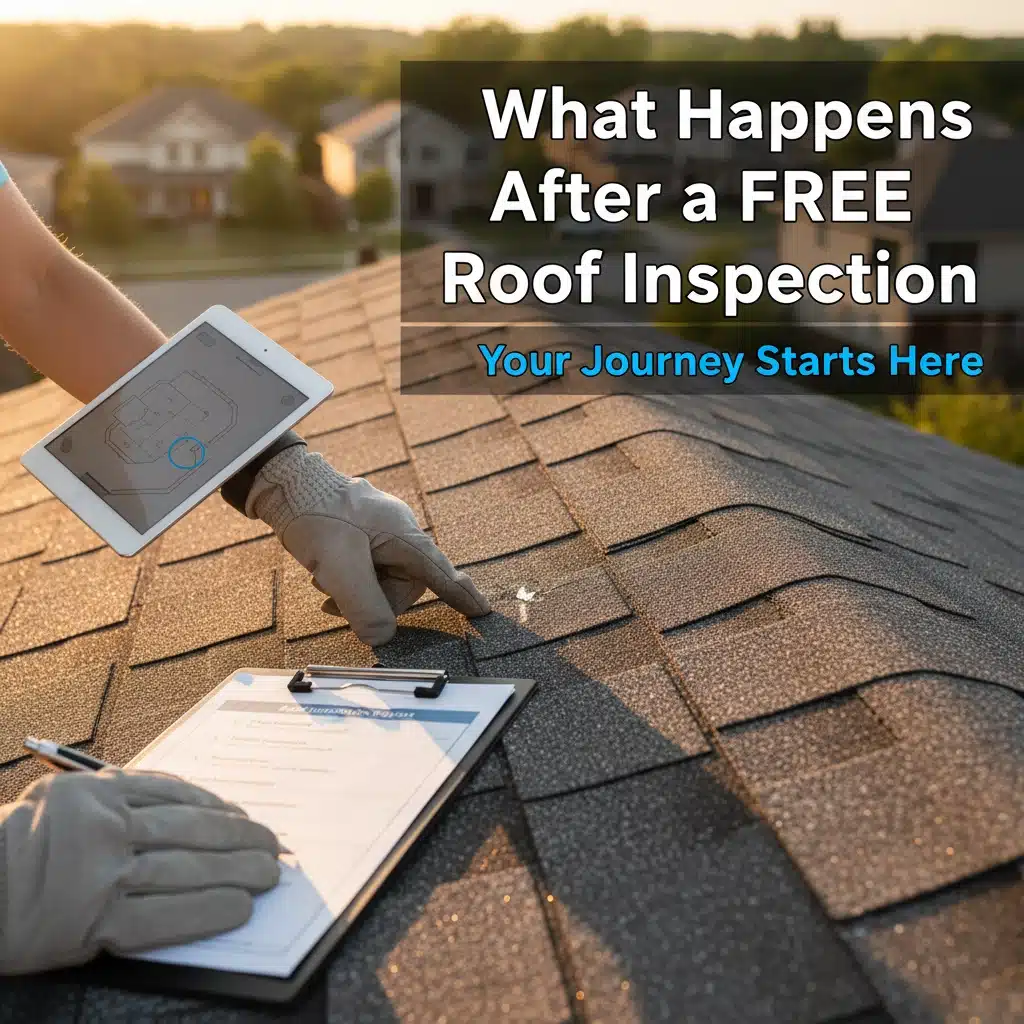
What Happens After a FREE Roof Inspection: Your Journey Starts Here

So you've taken that first smart step and requested a free roof inspection. Maybe you noticed a few missing shingles after the last storm, or perhaps you're just being proactive about maintaining your home. Whatever brought you here, you're probably wondering: "What happens next?" As a veteran-owned roofing company that's been serving Charlotte homeowners for years, we get this question a lot. The truth is, many folks are nervous about what comes after that initial call. They worry about high-pressure sales tactics, surprise costs, or getting overwhelmed with technical jargon. Let me walk you through exactly what happens after you request your free inspection with Best Roofing Now – and why our approach is different from what you might expect. The First 24 Hours: Setting Up Your Inspection Within 24 hours of your call or online request, one of our team members will reach out to schedule your inspection. This isn't a pushy sales call – it's a straightforward conversation about finding a time that works for you. We'll ask a few basic questions: When did you first notice the issue? Have you had any recent weather events? Are there any specific areas of concern? This helps our inspector come prepared and focus on what matters most to you. Our scheduling is flexible because we understand that your time is valuable. We offer appointments during weekdays, evenings, and weekends. Most inspections can be scheduled within 3-5 business days, though we do prioritize emergency situations like active leaks. What to Expect During the Inspection On the day of your inspection, our certified inspector will arrive at the scheduled time with proper identification and equipment. The actual inspection typically takes 45-90 minutes, depending on your roof's size and complexity. Here's what our inspector will do: Conduct a thorough exterior examination of your roof, gutters, and related systems Check for signs of damage, wear, or potential problem areas Take detailed photos and notes for documentation Inspect your attic space (if accessible) for interior signs of issues Examine flashing, vents, and other roof penetrations During this process, you're welcome to ask questions, but there's no pressure to make any decisions on the spot. Our inspector's job is to gather information and assess your roof's condition – not to sell you anything. The Review Process: Understanding Your Results Here's where Best Roofing Now really differs from other companies. Within 2-3 business days after your inspection, we'll schedule a follow-up meeting to review the findings with you. This isn't a high-pressure presentation – it's an educational consultation. We'll provide you with a comprehensive inspection report that includes: Clear photos of any issues or areas of concern A written assessment of your roof's overall condition Specific recommendations prioritized by urgency An honest timeline for when different issues should be addressed Our inspector will explain everything in plain English, avoiding technical jargon that might confuse you. We believe you should understand exactly what's going on with your roof so you can make informed decisions about your home. Your Options: No Pressure, Just Facts After reviewing your inspection results, we'll present your options clearly and honestly. Depending on what we found, this might include: Minor Repairs: If we found small issues like a few loose shingles or minor flashing problems, we'll provide a straightforward quote for repairs. These can often be completed quickly and affordably. Preventive Maintenance: Sometimes your roof is in good shape but could benefit from proactive maintenance. We'll explain what this involves and why it might save you money in the long run. Partial Roof Work: If damage is isolated to one section of your roof, we might recommend partial replacement or targeted repairs rather than a full roof replacement. Full Roof Replacement: If your roof is nearing the end of its useful life or has extensive damage, we'll explain why replacement might be the most cost-effective long-term solution. Our Consultation-Based Approach Here's something important: we never pressure you to make a decision during our initial meeting. As a veteran-owned business, we believe in operating with integrity and respect for our customers. After we present your options, we encourage you to: Take time to think about the recommendations Get a second opinion if you'd like (we're confident in our assessments) Ask any follow-up questions that come to mind Consider your budget and timing preferences We're here to advise you, not pressure you. Many of our customers tell us they appreciate this approach because it allows them to make decisions that truly work for their situation. Transparent Pricing and Timeline If you decide to move forward with any recommended work, we'll provide detailed, written estimates that break down: Materials needed and their costs Labor requirements and timeline Any permits or additional requirements Payment options and financing availability We believe in transparency, so there are no hidden fees or surprise costs. What we quote is what you'll pay, and we stand behind our estimates. For timeline, most repairs can be completed within 1-2 weeks of your approval. Full roof replacements typically take 2-4 weeks to schedule, depending on the season and weather conditions. We'll give you realistic timeframes and keep you updated if anything changes. Clear Communication Throughout Communication is key to a successful roofing project. Here's how we keep you informed: Before work begins: We'll confirm all details, timeline, and any preparations you need to make During the project: Daily updates on progress and any discoveries that might affect the original plan After completion: Final walkthrough to ensure you're completely satisfied with the work Why Our Veteran Values Matter As a veteran-owned company, we bring military values of honor, integrity, and attention to detail to every project. This means: We show up when we say we will We do what we say we're going to do We stand behind our work with solid warranties We treat your home with the same respect we'd want for our own Making Your Decision: No Rush, No Pressure After receiving your inspection results and estimates, you can take all the

About Us At Best Roofing Now
Uncategorized

Bowling for a Cause: Best Roofing Now's Annilbowl Team Supporting The Dove House

When we started Best Roofing Now, we always believed that being part of the Charlotte community meant more than just fixing roofs and installing gutters. It meant showing up when it matters, supporting the organizations that make a real difference, and using our platform to help those who need it most. That's exactly what we're doing with our participation in this year's BLOC-n-Bowl Charity Event, hosted by the Business Leaders of Charlotte (BLOC). Our team, proudly named "Annilbowl," is rolling for a cause that's close to our hearts: supporting The Dove House Children's Advocacy Center. What Makes The Dove House So Special The Dove House Children's Advocacy Center isn't just another charity – it's a lifeline for children in crisis. This incredible organization provides a safe haven for children who have experienced abuse, offering them hope, healing, and a path forward when their world feels turned upside down. Think about it: every day, children in our community face situations that no kid should ever have to handle. The Dove House steps in during those darkest moments, providing comprehensive services that include forensic interviews, therapy, victim advocacy, and prevention education. They work with law enforcement, child protective services, and the courts to ensure children get the support they need while navigating an often overwhelming system. What really impressed us about The Dove House is their child-centered approach. Instead of forcing kids to tell their story multiple times in different locations – which can be traumatic – they provide a single, safe space where trained professionals can gather the information needed while minimizing additional trauma. It's about protecting children while still ensuring justice is served. Why Best Roofing Now Chose This Cause As a local business, we see families every day. We're invited into people's homes, trusted with protecting what matters most to them. Over the years, we've learned that a strong roof over your head is about more than just keeping the rain out – it's about security, stability, and peace of mind. The Dove House represents that same principle on a much deeper level. They're not just providing temporary shelter; they're rebuilding foundations for children whose sense of safety has been shattered. When we learned about their mission through the Business Leaders of Charlotte, it felt like a natural fit. Our team has always believed that we're not just in the roofing business – we're in the business of protecting what people care about most. Supporting The Dove House is an extension of that philosophy. Meet Team Annilbowl Let me tell you about our bowling team, because honestly, calling us "bowlers" might be a bit generous. Our team name "Annilbowl" is a play on words – we might annihilate our chances of winning strikes, but we're definitely going to annihilate our fundraising goals. Our crew includes some of our most dedicated team members, and while we may not have the smoothest form or the highest scores, what we lack in bowling skills we more than make up for in heart and determination. We've been practicing (sort of), trash-talking each other (a lot), and most importantly, spreading the word about this amazing cause. The beauty of this event is that it brings together business leaders from across Charlotte, all united around supporting children in need. Whether you're throwing strikes or gutter balls, everyone's there for the right reasons. Our Fundraising Progress and Goals We set an ambitious goal of raising $5,000 for The Dove House, and I'm proud to say we've already hit $1,500! That's 30% of our target, and we're just getting started. Here's the thing about fundraising – every dollar genuinely makes a difference. When you contribute to The Dove House, you're not just giving money; you're giving a child the chance to heal, to feel safe again, and to build a brighter future. The money we raise goes directly toward The Dove House's programs and services. This includes funding for their specialized therapy programs, maintaining their child-friendly facilities, training their staff, and expanding their prevention education efforts in schools and communities. We've been blown away by the support from our customers, suppliers, and the Charlotte community. People understand that this isn't just about a fun bowling night – it's about making a real impact in the lives of vulnerable children. How You Can Get Involved Even if you're not much of a bowler (trust me, you'll fit right in with our team), there are plenty of ways to support this cause: Donate to Our Team: Every contribution, no matter the size, gets us closer to our $5,000 goal. You can learn more about donating and find all the event details at https://businessleadersofcharlotte.com/bloc-n-bowl/. Spread the Word: Share our fundraising efforts on social media, tell your friends and family, or mention it to other local business owners. The more people know about The Dove House, the more support they can receive. Learn About The Dove House: Take some time to understand their mission and services. Knowledge is the first step toward making a difference. Support Local: Consider how your business or organization might partner with local charities. The Charlotte community is full of amazing nonprofits doing incredible work. The Bigger Picture What I love about events like BLOC-n-Bowl is how they bring our business community together around shared values. Yeah, we're competitors in the marketplace, but when it comes to supporting children in crisis, we're all on the same team. This event represents something bigger than any individual business or organization. It shows what's possible when we combine our resources, networks, and passion for a common cause. The Business Leaders of Charlotte has created something special with this event, and we're honored to be part of it. Beyond the Bowling Alley While we're focused on our fundraising goal right now, our support for The Dove House won't end when the last pin is knocked down. We believe in building long-term relationships with the organizations we support. We're already talking about ways we can continue supporting their mission throughout the

About Us At Best Roofing Now
Uncategorized

Energy-Efficient Roofing Solutions: 7 Ways to Cut Your Bills While Boosting Home Value

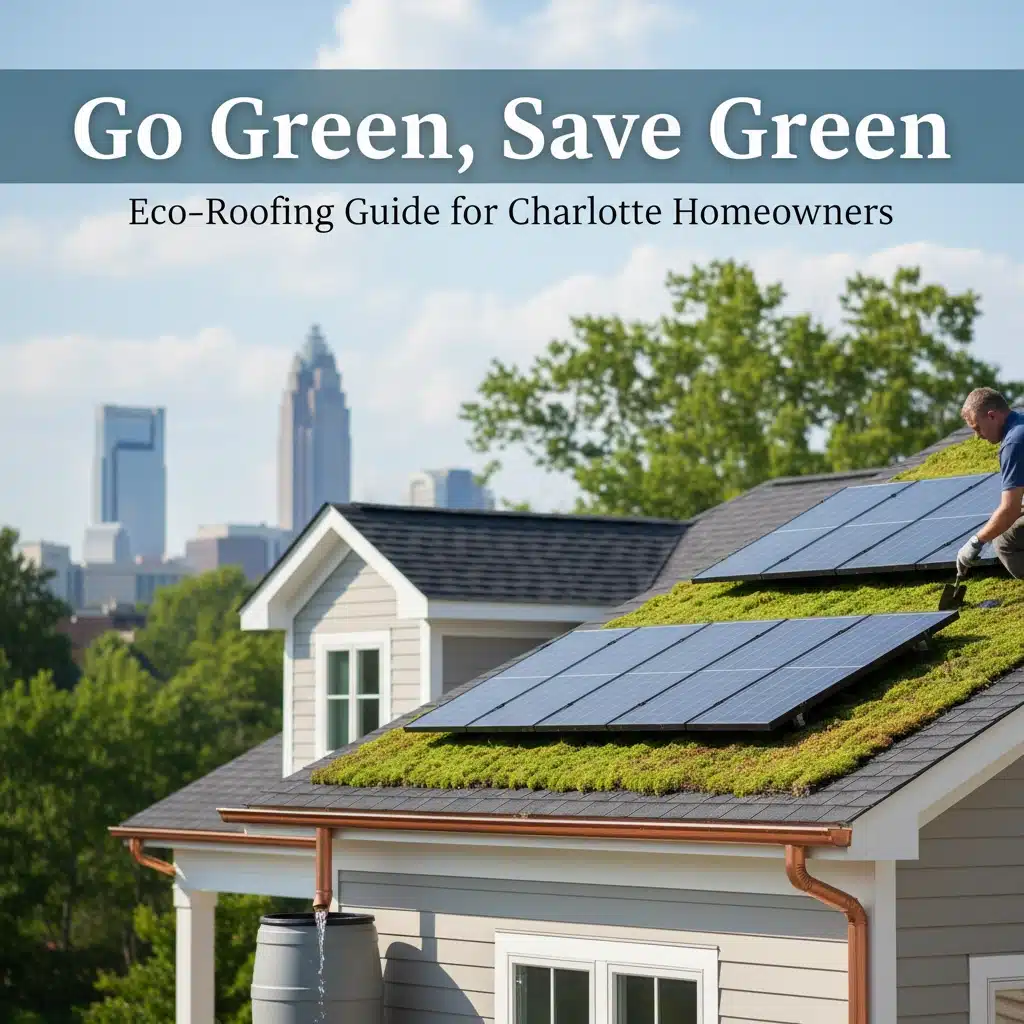
Living in Charlotte means dealing with hot, humid summers and unpredictable weather patterns that can send your energy bills through the roof, literally. If you've been watching your utility costs climb year after year, your roof might be the culprit. Traditional roofing materials can reach temperatures of 150-190°F on sunny days, turning your home into an oven and forcing your AC to work overtime. The good news? Energy-efficient roofing solutions can slash your cooling costs by 7-15% and save you $300-500 annually on utility bills. Even better, these upgrades boost your home's value while making it more comfortable year-round. Here are seven proven ways to transform your roof into a money-saving, value-adding asset. 1. Cool Roofing Materials and Reflective Coatings The easiest way to start saving energy is by choosing materials that reflect heat instead of absorbing it. Cool roofing materials like reflective tiles, shingles, or specialized coatings work by bouncing sunlight away from your home, keeping indoor temperatures naturally lower. In Charlotte's climate, where summer temperatures regularly hit the 90s with high humidity, this makes a massive difference. Instead of your roof becoming a heat magnet, it becomes a heat deflector. Reflective roof coatings can even be applied to existing roofs, making this an accessible upgrade that doesn't require a complete replacement. The science is simple: when your roof stays cooler, your home stays cooler, and your AC doesn't have to work as hard. Some homeowners see their summer cooling bills drop by up to 40% with the right cool roofing system. 2. Proper Insulation and Ventilation Here's something most homeowners don't realize: attic insulation is the number one factor affecting your roof's overall energy efficiency. Even the best reflective roofing won't perform optimally without proper insulation backing it up. A well-insulated roof creates a thermal barrier that dramatically reduces heat transfer between your attic and living space. In Charlotte's humid climate, this also helps prevent moisture buildup that can lead to mold and structural damage. Ventilation works hand-in-hand with insulation. Proper roof ventilation allows hot air to escape from your attic during summer months, preventing heat buildup that would otherwise seep into your home. Ridge vents, soffit vents, and exhaust fans create airflow that keeps your attic temperature closer to outdoor levels rather than the furnace-like conditions typical in poorly ventilated spaces. 3. Energy-Efficient Shingles Not all shingles are created equal. Energy-efficient shingles feature advanced materials and designs that reflect more sunlight and absorb less heat than traditional options. These shingles often incorporate reflective granules or special pigments that maintain their reflective properties over time. The beauty of energy-efficient shingles is they look just like regular shingles but perform significantly better. You get the classic appearance homeowners love with the energy savings they need. Many manufacturers now offer energy-efficient options in popular styles and colors, so you don't have to sacrifice aesthetics for efficiency. 4. Metal Roofing: The Long-Term Energy Champion Metal roofing stands out as one of the most energy-efficient options available. Its naturally reflective surface bounces solar heat away from your home, and modern metal roofing systems often include reflective coatings that enhance this effect even further. In Charlotte's climate, metal roofing excels because it handles both heat and severe weather exceptionally well. While the upfront cost is higher than traditional shingles, metal roofing typically lasts 40-70 years compared to 15-25 years for asphalt shingles. The energy savings over that lifespan, combined with reduced maintenance and replacement costs, make metal roofing an excellent long-term investment. Metal roofs also excel during Charlotte's occasional winter cold snaps, as they provide excellent insulation when properly installed with appropriate underlayment and ventilation systems. 5. Solar Integration and Smart Technology Solar roofing represents the cutting edge of energy-efficient solutions. Whether you choose solar panels installed over traditional roofing or integrated solar roof tiles, you're essentially turning your roof into a power generator that can eliminate or even reverse your electric bills. Charlotte receives plenty of sunshine throughout the year, making solar integration particularly effective. Modern solar solutions work seamlessly with energy-efficient roofing materials, creating a comprehensive system that both reduces energy consumption and generates clean electricity. Smart roofing technology is also emerging, with sensors that monitor temperature, moisture levels, and energy performance. These systems can alert homeowners to potential issues before they become expensive problems and optimize energy efficiency automatically. 6. Strategic Roof Maintenance An often-overlooked aspect of energy efficiency is proper maintenance. Even the most advanced energy-efficient roofing system won't perform optimally if it's not properly maintained. Regular inspections can identify issues like damaged reflective coatings, compromised insulation, or blocked ventilation that reduce energy efficiency. In Charlotte's climate, where storms and high humidity are common, maintenance becomes even more critical. Small issues like missing shingles or clogged gutters can compromise your roof's energy performance and lead to expensive repairs. Professional maintenance includes cleaning reflective surfaces to maintain their effectiveness, checking and replacing damaged weather stripping, ensuring proper ventilation airflow, and inspecting insulation for settling or damage. 7. Professional Installation and Expert Consultation The most energy-efficient roofing materials in the world won't deliver promised savings if they're not installed correctly. Professional installation ensures proper ventilation, appropriate insulation levels, correct material application, and integration with your home's existing systems. At Best Roofing Now, we understand Charlotte's unique climate challenges and can recommend the most effective energy-efficient solutions for your specific home and budget. Our team considers factors like your home's orientation, existing insulation, local weather patterns, and your energy usage goals to create a customized approach. We also help navigate utility rebates and tax incentives available for energy-efficient roofing upgrades, ensuring you maximize your return on investment. The Bottom Line: Smart Investment for Charlotte Homeowners Energy-efficient roofing isn't just about saving money on utility bills: though those savings are substantial. It's about creating a more comfortable home, reducing your environmental impact, and making a smart investment that pays dividends for years to come. The typical payback period for energy-efficient roofing ranges from 5-7 years, after which the system essentially pays for

Commercial Flat Roof Replacements
Uncategorized

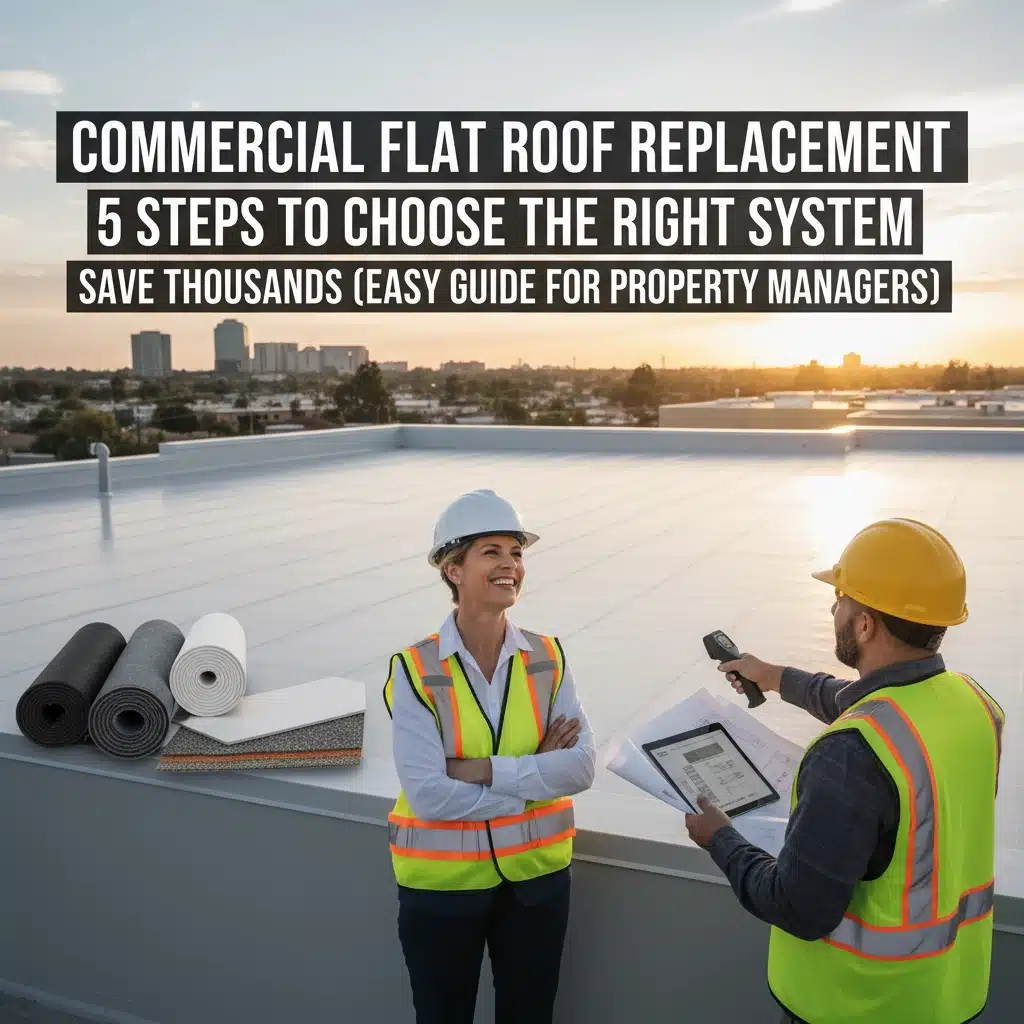
Commercial Flat Roof Replacement: 5 Steps How to Choose the Right System and Save Thousands (Easy Guide for Property Managers)

Managing a commercial property in Charlotte means dealing with everything from tenant complaints to budget meetings – and when your flat roof starts showing its age, it can feel like one more headache you don't need. But here's the thing: a well-planned roof replacement doesn't have to break the bank or turn into a nightmare project. As a property manager, you're juggling multiple priorities while trying to maximize your building's value and minimize disruptions. The good news? With the right approach, you can navigate your flat roof replacement like a pro while potentially saving thousands in the process. Let's break down exactly how to tackle this project step by step, so you can make informed decisions that benefit both your budget and your tenants. Step 1: Inspection, Planning, and Getting Smart Estimates Before you even think about ripping off that old roof, you need to know exactly what you're dealing with. This isn't the time to wing it – a thorough inspection sets the foundation for everything that follows. Start with both interior and exterior assessments. Inside your building, look for telltale signs like water stains on ceilings, mold growth, or mysterious drips during rainstorms. These aren't just cosmetic issues – they're clues about where your roof system is failing and what kind of structural damage might be lurking beneath the surface. Outside, the inspection gets more technical. A qualified contractor will examine your membrane condition, check flashing around HVAC units and other roof penetrations, and assess your drainage system. In Charlotte's climate, where we see everything from summer thunderstorms to occasional ice storms, drainage problems can quickly escalate into major headaches. Here's where smart property managers separate themselves from the pack: get at least three detailed estimates, but don't just focus on the bottom line. Look for contractors who take time to explain what they found, why certain repairs are necessary, and how their proposed solution addresses Charlotte's specific weather challenges. Step 2: Navigate Permits and Pre-Production Like a Pro Nobody loves paperwork, but skipping the permit process is like playing Russian roulette with your project. Charlotte has specific requirements for commercial roofing work, and trying to cut corners here can shut down your entire project. The good news? A reputable contractor should handle most of the permit legwork for you. They'll know local requirements, have relationships with city inspectors, and understand how long the approval process typically takes. In Charlotte, this usually ranges from one to four weeks depending on your project's complexity and the city's current workload. Use this time wisely. While permits are processing, you can coordinate with tenants about the upcoming work, arrange alternative parking if needed, and handle any preparatory work inside the building. This is also when you'll want to review your contractor's insurance certificates and make sure they're current – trust me, this small step can save you massive headaches later. Step 3: Site Preparation and Demolition Without the Drama Here's where things get real. Demolition day means noise, debris, and probably a few tenant complaints – but proper planning minimizes the chaos. Your contractor will bring in dumpsters (usually multiple large ones for commercial projects) and staging equipment. Depending on your building's size, you might see cranes, material hoists, and crews working in sections to minimize disruption to occupied areas below. The key to managing this phase? Communication. Send tenants advance notice about timing, noise levels, and any access restrictions. Most people are surprisingly understanding when they know what to expect and when it'll be over. Safety is non-negotiable during this phase. The work area should be properly cordoned off, and anyone accessing the site needs appropriate safety equipment. This protects both workers and anyone else on your property – which protects you from liability issues. Step 4: Installation – Where the Magic Happens Once the old roof is gone and any structural issues are addressed, installation of your new system begins. This is where your earlier planning pays off big time. Your contractor will install components in a specific sequence: typically starting with insulation (crucial in Charlotte's climate for energy efficiency), then vapor barriers if needed, and finally the membrane system itself. Whether you've chosen TPO, EPDM, modified bitumen, or another system, proper installation techniques are critical for long-term performance. Pay special attention to flashing details around roof penetrations, parapet walls, and drainage areas. These are the most common failure points, especially in Charlotte where we get intense summer storms that can test every seal and joint. Quality contractors will also address ponding water issues during installation. Flat roofs aren't truly flat – they need slight slopes to drain properly. If your original roof had drainage problems, this is when they get fixed permanently. Step 5: Final Inspection and Handover The final inspection isn't just a formality – it's your chance to make sure everything meets specifications before you sign off on the project. Your contractor should walk you through the completed work, explaining warranty coverage and maintenance requirements. Document everything. Take photos of the completed installation, keep copies of all warranties, and make sure you understand what's covered and for how long. Different components may have different warranty terms, so get it all in writing. Choosing the Right System for Charlotte's Climate Charlotte's weather throws curveballs – from scorching summer heat that can reach the high 90s to occasional ice storms in winter. Your roofing system needs to handle thermal expansion and contraction, UV exposure, and everything Mother Nature dishes out. TPO membranes are popular here because they reflect heat well, reducing cooling costs during our hot summers. They're also relatively affordable and have good puncture resistance. EPDM rubber roofing handles temperature swings well and has a long track record of performance in our climate. For buildings where appearance matters from neighboring high-rises, consider modified bitumen systems that can incorporate mineral surfacing in various colors. They cost more upfront but offer excellent durability and can enhance your building's appearance. Energy efficiency should factor into your decision too. Light-colored,

About Us At Best Roofing Now
Uncategorized

Energy-Efficient Roof Installation vs Traditional Roofing: Which Is Better For Your Charlotte Home?

If you're a Charlotte homeowner staring up at your roof and wondering whether it's time for an upgrade, you're probably asking yourself a pretty important question: should I go with energy-efficient roofing or stick with traditional options? It's not just about what looks good – it's about what's going to save you money, boost your home's value, and handle everything Charlotte's weather throws at it. Here's the thing: Charlotte homeowners are making a big shift toward energy-efficient roofing. Metal roof installations jumped from 12% in 2020 to a projected 20% in 2025, while traditional asphalt shingles dropped from 80% to 70% during the same period. There's a reason for this trend, and it's not just because people love following the latest home improvement fads. Let's dive into what really matters for your Charlotte home and your wallet. What Makes Energy-Efficient Roofing So Special? Energy-efficient roofing isn't just a fancy marketing term – it's about materials and technologies that actually work with Charlotte's climate instead of against it. The big players here are metal roofing and cool roofing technologies, and they're changing the game for homeowners who are tired of sky-high cooling bills. Metal Roofing: The Heavy Hitter Metal roofs are becoming the go-to choice for Charlotte homeowners, and honestly, it's easy to see why. Instead of soaking up the sun's heat like a sponge (looking at you, traditional shingles), metal roofs reflect that heat right back where it came from. We're talking about reducing your cooling costs by up to 25% – and if you've lived through a Charlotte summer, you know how much that could save you. But the energy savings are just the beginning. A metal roof can last 40-70 years, which means you might literally never need to replace your roof again. Compare that to asphalt shingles that typically need replacing every 15-30 years, and you start to see the real value. Here's what makes metal roofing shine in Charlotte: Storm resistance: These roofs can handle winds up to 140 mph (hello, hurricane season) Hail protection: No more worrying about those sudden summer storms Fire resistance: Added peace of mind Low maintenance: No more dealing with missing shingles or algae growth The downside? The upfront cost is higher – typically $10,000-$18,000 compared to $6,000-$10,000 for asphalt shingles. But here's where it gets interesting: over 30 years, you'll likely spend $12,000-$20,000 on traditional shingles when you factor in replacements and repairs. That metal roof? It's a one-and-done investment. Cool Roofing Technologies Cool roofs are another energy-efficient option that's worth considering. These use special materials designed to reflect more sunlight and absorb less heat. EPA research shows these can reduce building heat gains by 11-27%, and some studies suggest they can cut your annual HVAC costs by up to 28% in single-story homes. The beauty of cool roofing is that it comes in various materials, so you have more flexibility in choosing what works best for your home's style and your budget. Traditional Roofing: Still Has Its Place Let's be fair – traditional asphalt shingles aren't going anywhere anytime soon, and there are good reasons why they've been the standard for decades. They're affordable, familiar, and when installed properly, they do their job. The biggest advantage of asphalt shingles is that lower upfront cost. For homeowners on a tight budget, spending $6,000-$10,000 instead of $15,000+ can make the difference between getting a new roof now or waiting another year or two. Asphalt shingles also offer that classic look that many Charlotte homeowners love. They come in a variety of colors and styles, and let's face it – they're what most people picture when they think "roof." But here's where Charlotte's climate becomes a problem for traditional shingles. Our hot, humid summers and occasional severe storms are tough on these materials. You'll see: Granule loss over time Cracking and warping from heat cycles Algae growth in our humid climate More frequent repairs after storms The need for complete replacement every 15-30 years Some newer asphalt shingles do come with reflective coatings for better energy efficiency, but they still can't match the performance of metal or cool roofing options. The Real Numbers: What It Means for Your Wallet Let's talk dollars and cents, because that's what really matters when you're making this decision. Upfront Costs: Traditional asphalt shingles: $6,000-$10,000 Energy-efficient metal roofing: $10,000-$18,000 30-Year Total Costs: Traditional shingles: $12,000-$20,000 (including at least one replacement) Metal roofing: $10,000-$18,000 (one installation, minimal maintenance) Annual Energy Savings: Metal roofing: Up to 25% reduction in cooling costs Cool roofing: Up to 28% reduction in HVAC costs Traditional shingles: Minimal savings (some improvement with reflective coatings) Charlotte-Specific Considerations Living in Charlotte means dealing with some unique challenges that not every roofing material handles well. We get those scorching summers where your AC works overtime, sudden severe thunderstorms, occasional ice storms, and that persistent humidity that loves to cause problems. Metal roofing handles all of this like a champ. It reflects the summer heat, sheds water quickly during storms, resists hail damage, and doesn't provide a friendly environment for algae and mold growth. Traditional shingles? They struggle more with our climate. The heat cycles cause them to expand and contract, leading to cracks and warping. The humidity encourages algae growth (those dark streaks you see on roofs), and storm damage is more common. Making the Right Choice for Your Situation So which should you choose? It really depends on your specific situation, but here's how I'd break it down: Go with energy-efficient metal roofing if: You're planning to stay in your home long-term You want maximum energy savings and minimal maintenance You're looking to boost your home's resale value You want the best protection against Charlotte's weather You can handle the higher upfront cost for long-term savings Consider traditional asphalt shingles if: Budget is your primary concern and you need a roof now You're planning to sell within 10-15 years You love the classic look and don't mind more maintenance You're comfortable with the likelihood of

Detecting Roof Damage Early
Uncategorized

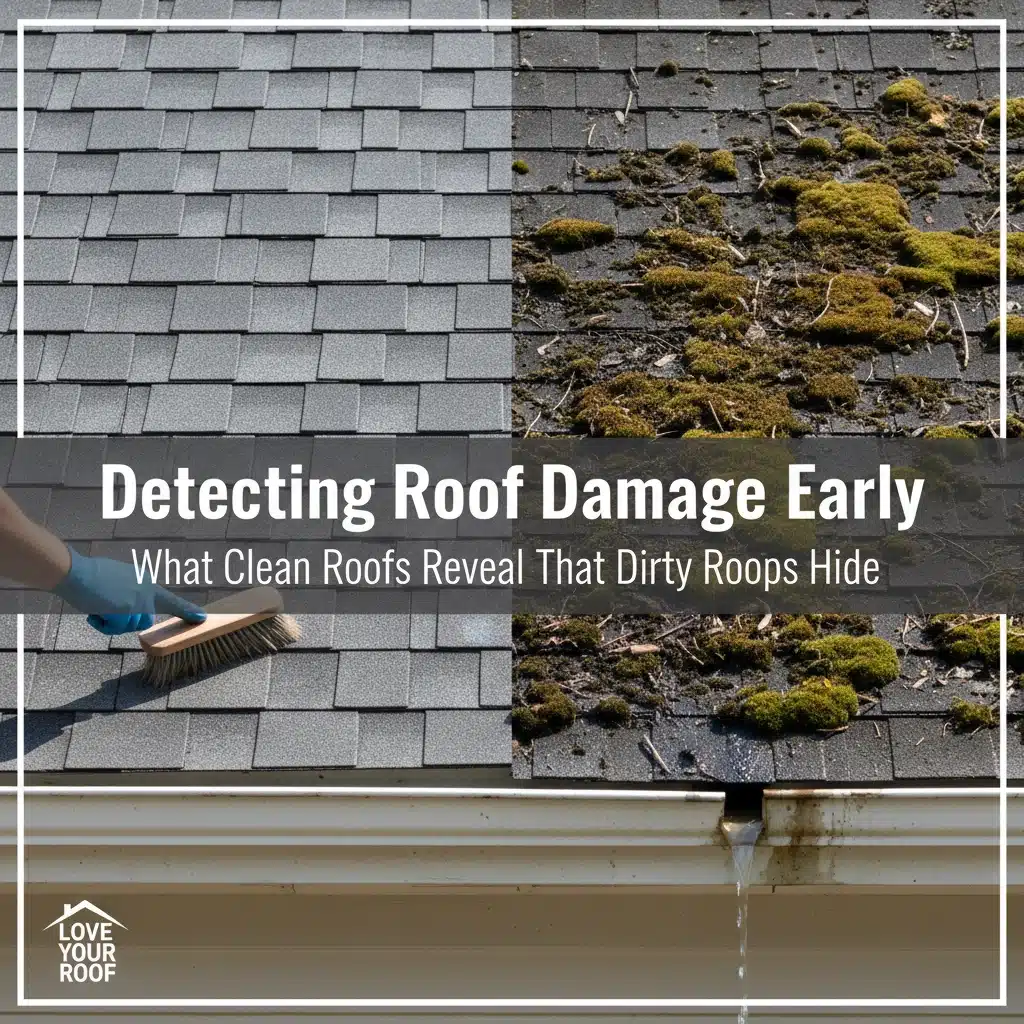
Detecting Roof Damage Early: What Clean Roofs Reveal That Dirty Roofs Hide

Your roof does more than protect your home: it's your first line of defense against heavy rains, moss growth, and shifting seasons. But when layers of moss, algae, and debris take over, they don't just make your roof look bad: they hide the early warning signs of costly damage. At Best Roofing Now, we've seen it time and time again: what looks like "just dirt" often conceals cracked shingles, soft spots, or drainage issues that only become visible after a proper cleaning. Why a Dirty Roof Is More Than Just an Eyesore Wet climates make roofs especially prone to moss, algae, and lichen buildup. Over time, this layer traps moisture: creating a perfect environment for decay. When that happens, small issues go unnoticed, such as: Loose or missing shingles Clogged flashing around chimneys or vents Water pooling in low areas Early rot or mold under shingles or roof valleys The problem is simple: if you can't see your roof clearly, you can't know what condition it's in. The Hidden Cost of Neglecting Roof Cleaning Homeowners often delay roof cleaning until it becomes an obvious eyesore: but waiting too long can lead to expensive repairs. Moss can lift shingles, allowing water to seep into your underlayment. Algae can eat away at protective granules. Clogged gutters cause water to back up under your roofline. In areas where roofs are under constant assault from moisture and falling debris, skipping a cleaning for even one extra year can make the difference between a quick maintenance visit and a full roof replacement. What a Clean Roof Reveals A freshly cleaned roof tells a story: one you can actually read. Once the moss and grime are removed, it's easier to spot: Cracked or missing shingles: Early detection allows quick patching before leaks spread. Soft spots or sagging areas: These often indicate trapped moisture or rot in the decking. Rust or corrosion: Especially around metal flashing or vents. Drainage problems: Water stains or streaks show where water isn't flowing correctly. Every professional cleaning by Best Roofing Now (or Rip City Roof Cleaning) includes a visual inspection to alert you to these potential issues before they become serious. Our roofing services include thorough assessments to keep your home protected year-round. Preventive Maintenance = Long-Term Savings Think of roof cleaning as part of your home's preventive care: just like oil changes for your car. Regular cleanings not only keep your roof looking sharp but also extend its lifespan by preventing premature wear. A few key benefits include: Lower long-term repair costs Improved energy efficiency (a clean, reflective roof stays cooler) Increased curb appeal and home value A roof that lasts years longer than neglected ones At Best Roofing Now, we've helped countless homeowners discover hidden problems during routine maintenance that would have cost thousands more if left unaddressed. Our team understands that prevention is always more affordable than emergency repairs. Don't Wait Until It's Too Late A clean roof isn't just about looks: it's about knowing your home is protected. If you haven't had your roof cleaned in over a year, now's the perfect time to schedule. Small problems have a way of becoming big ones when you can't see them developing. Call Best Roofing Now today or request a free quote online to uncover what your roof's been hiding : and protect your home for the seasons ahead. Our experienced team provides comprehensive residential roofing services, including cleaning, inspection, and repair. Don't let a dirty roof hide costly damage from you. Contact us now and let us help you maintain the one thing standing between your family and the elements.

Flat Roof Replacement Vs Flat Roof Coating
Uncategorized

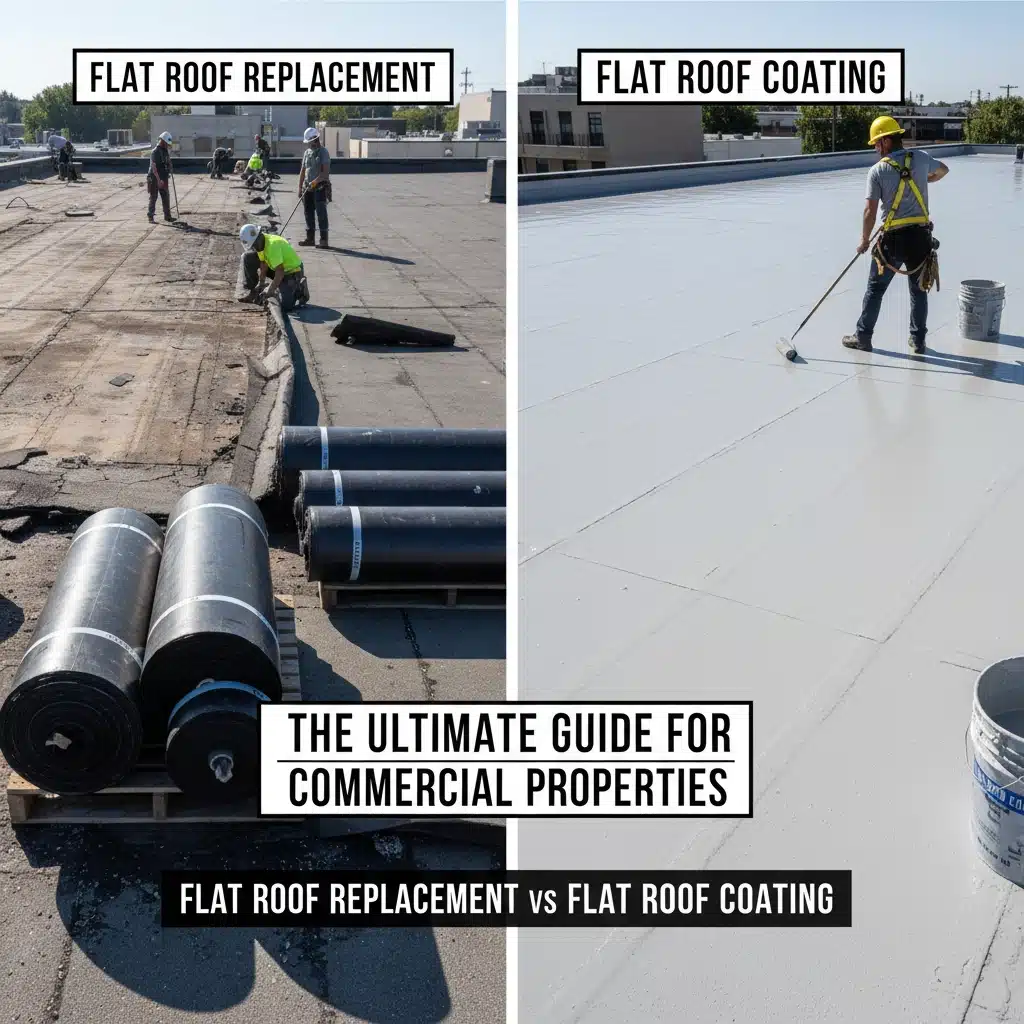
Flat Roof Replacement vs Flat Roof Coating: The Ultimate Guide for Commercial Properties

If you own commercial property in Charlotte, you've probably faced this question: when your flat roof starts showing its age, should you coat it or replace it entirely? It's not just about money (though that's a big factor) : it's about making the smart long-term decision for your business. Here's the thing: both options can be the right choice, depending on your specific situation. A roof coating might save you thousands upfront and buy you valuable time, while a full replacement could be the investment that protects your property for decades. Let's break down everything you need to know to make the best decision for your Charlotte commercial property. What Exactly is Flat Roof Coating? Think of roof coating as giving your existing roof a protective shield. It's a fluid-applied membrane that goes directly over your current roofing system, creating a seamless, waterproof barrier. The most popular types for commercial buildings are silicone, acrylic, and polyurethane coatings. The beauty of coating lies in its simplicity and speed. Instead of tearing everything off and starting from scratch, you're essentially giving your roof a new lease on life. Most coating applications take just a few days, which means minimal disruption to your business operations. The Major Benefits of Roof Coating: Cost Savings That Make Sense: Roof coating typically costs 30-50% of what you'd pay for a full replacement. In some cases, it can be up to 75% less expensive. For a 10,000 square foot commercial roof, you might spend $15,000-25,000 on coating versus $50,000-80,000 for replacement. Energy Efficiency Boost: Reflective roof coatings can drop your roof surface temperature by 50-60 degrees compared to traditional dark surfaces. Charlotte summers are no joke, and this can translate to 10-30% savings on your cooling costs. Extended Roof Life: A quality coating system can add 10-15 years to your roof's lifespan, sometimes even 20 years with proper maintenance. That's serious value for the investment. Minimal Business Disruption: Your operations can continue almost normally during application. No loud tear-off noise, no debris flying around, and no crews stomping around for weeks. When Full Roof Replacement Makes Sense Sometimes, coating is just putting a band-aid on a bigger problem. Full roof replacement means stripping everything down to the deck and building a completely new roofing system. It's a bigger investment upfront, but it can be the smarter long-term play. The Key Advantages of Replacement: Brand New Start: You get a completely fresh roofing system with modern materials and full warranties. No worrying about what might be lurking underneath that coating. Longer Lifespan: A quality commercial roof replacement can last 20-30 years, sometimes longer with proper maintenance. That's potentially double the lifespan of a coating system. Address Underlying Issues: If you have insulation problems, deck damage, or structural issues, only a full replacement will properly address these concerns. Modern Material Options: You can upgrade to advanced materials like TPO, EPDM, modified bitumen, or even green roofing systems that weren't available when your original roof was installed. Comprehensive Warranties: New roofs come with substantial manufacturer and installation warranties that give you real peace of mind. The Real Cost Comparison Let's talk numbers that actually matter to Charlotte commercial property owners. For a typical 10,000 square foot flat roof: Coating System: Material and labor: $1.50-$3.50 per square foot Total cost: $15,000-$35,000 Expected lifespan: 10-15 years Annual cost: $1,000-$3,500 per year Full Replacement: Material and labor: $5.00-$12.00 per square foot Total cost: $50,000-$120,000 Expected lifespan: 20-30 years Annual cost: $1,700-$6,000 per year Here's the interesting part: when you break it down annually, the costs aren't as dramatically different as they first appear. The real difference is in cash flow : coating requires much less upfront capital. Making the Right Choice for Your Situation Choose Roof Coating When: Your roof is less than 20 years old and in decent shape overall. Maybe you're dealing with some minor leaks or the membrane is starting to show wear, but the underlying structure is solid. Cash flow is tight, but you need to address roof issues now. Coating lets you solve immediate problems while preserving capital for other business needs. You're planning to sell or redevelop the property within 10-15 years. Why invest in a 30-year roof if you won't own the building that long? Energy efficiency is a priority. Those reflective coatings can significantly reduce cooling costs, which is especially valuable during Charlotte's hot summers. Choose Full Replacement When: Your roof is over 20 years old or you're constantly dealing with leaks and repairs. At some point, you're throwing good money after bad. You have underlying structural issues, damaged insulation, or deck problems. Coating can't fix these fundamental issues. You're planning to own and operate the building for many more years. The long-term economics favor replacement in this scenario. You want the peace of mind that comes with a completely new system and comprehensive warranties. Why Charlotte Commercial Property Owners Choose Best Roofing Now Here's what sets us apart in the Charlotte market: we don't push you toward the most expensive option. Our job is to help you make the smartest decision for your specific situation, whether that's coating or replacement. We've been working with Charlotte commercial properties for years, and we understand the unique challenges our climate presents. From summer heat that can make your roof surface hot enough to fry an egg, to sudden storms that can test any roofing system, we know what works in our area. Our approach is straightforward: we'll thoroughly inspect your roof, explain your options in plain English, and provide accurate estimates for both coating and replacement. No pressure, no gimmicks : just honest advice from local roofing professionals who understand commercial properties. Making Your Final Decision The choice between coating and replacement isn't just about money : it's about timing, business plans, and risk tolerance. Here are the key questions to ask yourself: What's your building timeline? If you're planning major renovations, expansions, or potential sale in the next decade, coating might make more sense. If
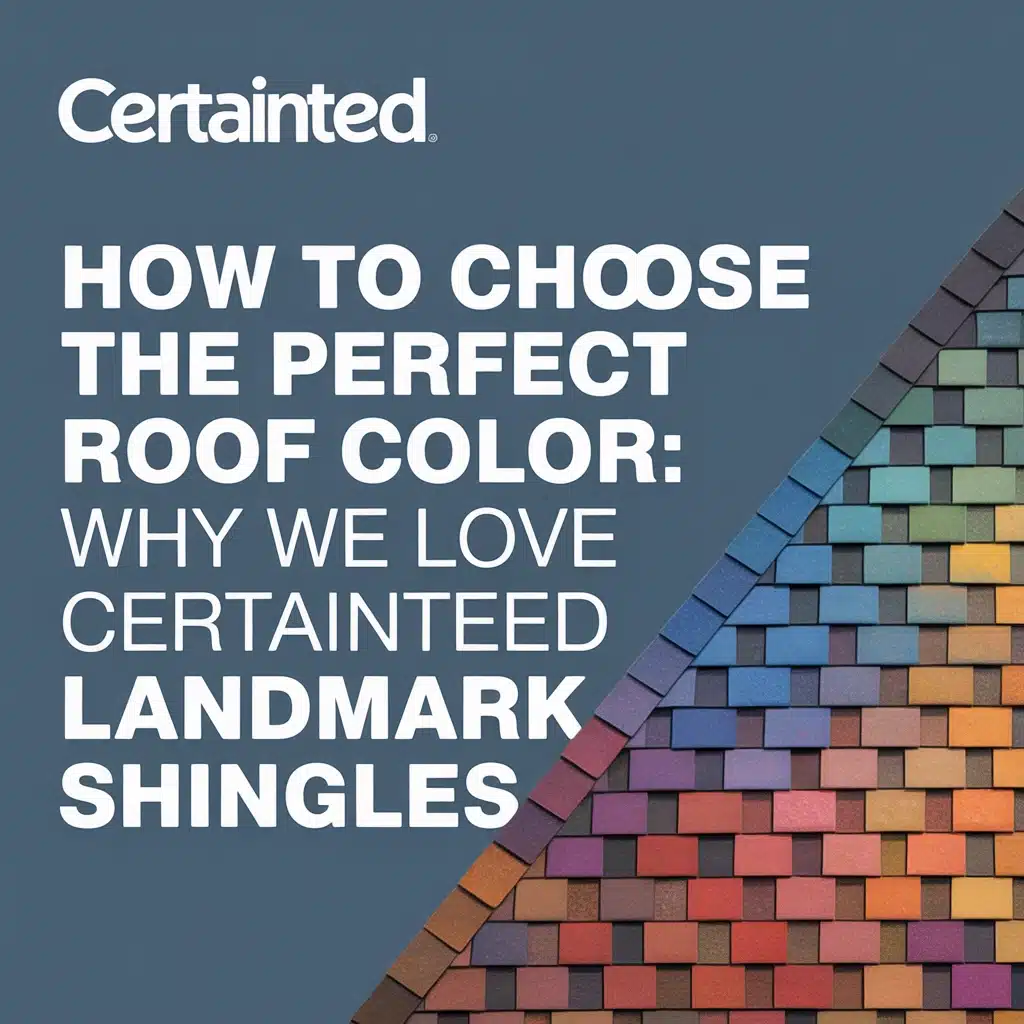
About Us At Best Roofing Now
Uncategorized

Are You Making These Common Roof Contractor Mistakes? Here's What Charlotte Property Owners Should Know

Choosing the wrong roofing contractor can turn your dream home improvement project into a nightmare. In Charlotte, where we face everything from intense summer heat to sudden hailstorms, having a reliable roof isn't just nice to have: it's essential. Yet every year, homeowners make costly mistakes when selecting contractors that end up costing them thousands in repairs, legal headaches, and sleepless nights during the next storm. According to recent data, 19% of home inspections in Charlotte flag roof problems, many of which stem from poor contractor choices or installation mistakes. The good news? Most of these problems are completely avoidable if you know what to look for. Let's dive into the most common mistakes Charlotte property owners make when hiring roofing contractors: and how you can avoid them. Mistake #1: Hiring Uninsured or Unlicensed Contractors This is the big one. We get it: that guy who knocked on your door after the last storm quoted you half the price of everyone else. But here's what that "deal" really costs you: Why this matters: If an uninsured worker gets injured on your property, you could be liable for medical expenses and workers' compensation claims. If they damage your neighbor's property or your own home, you're on the hook financially. What to look for: Always ask for proof of both liability insurance and workers' compensation insurance. A legitimate contractor will provide these documents without hesitation. In North Carolina, roofing contractors must be licensed for projects over $30,000. Red flags: Contractors who show up unsolicited after storms, demand payment upfront, or can't provide insurance documentation are best avoided entirely. Mistake #2: Ignoring Online Reviews and References In today's digital world, there's no excuse for not researching your contractor's reputation. Yet many homeowners skip this crucial step, focusing only on price or availability. The reality check: Reviews tell the real story. A contractor might give you a great sales pitch, but past customers will tell you about missed deadlines, poor communication, or corners cut on quality. What to do: Check Google Reviews, Better Business Bureau ratings, and ask for recent customer references. Don't just look at the star rating: read the actual comments. Pay attention to how contractors respond to negative reviews, as this shows their professionalism and problem-solving approach. Pro tip: Be wary of contractors with only five-star reviews from the past month. Authentic businesses have a mix of reviews over time, and established contractors should have a substantial review history. Mistake #3: Skipping the Inspection Process Many homeowners accept estimates without a thorough roof inspection, especially if they think they just need a "simple repair." This often leads to surprise costs and incomplete fixes. Why inspections matter: What looks like a few missing shingles from the ground could indicate underlying structural damage, ventilation problems, or flashing failures that aren't visible to the untrained eye. Charlotte-specific concerns: Our humid climate and frequent storms create unique challenges. Moisture damage can hide beneath perfectly good-looking shingles, and inadequate ventilation becomes a serious problem when summer temperatures soar. What proper inspection includes: A thorough inspection should cover the roof surface, gutters, attic ventilation, flashing around penetrations, and structural elements. The contractor should provide photos and detailed findings, not just a verbal assessment. Mistake #4: Focusing Only on Price We understand that roofing is a significant investment, but choosing the cheapest option often costs more in the long run. Here's why the lowest bid usually isn't the best deal: The hidden costs of cheap roofing: Substandard materials that fail prematurely Poor installation techniques that void manufacturer warranties Inadequate ventilation leading to higher energy bills Shortcuts that create leak-prone areas No proper permits or inspections What to consider beyond price: Look at the total value proposition: material quality, warranty terms, installation timeline, cleanup policies, and post-installation support. A better approach: Get three detailed estimates and compare them line by line. If one bid is significantly lower than others, ask specific questions about why. Sometimes it's efficiency; often it's corners being cut. Mistake #5: Poor Communication Red Flags Communication issues during the sales process usually predict bigger problems during the actual work. Here are the warning signs many homeowners ignore: Red flags in communication: Vague or constantly changing estimates Pressure to sign immediately Reluctance to answer technical questions No written contracts or change order processes Unreturned calls or emails What good communication looks like: Professional contractors provide clear timelines, detailed contracts, regular project updates, and are available to address concerns promptly. Mistake #6: Not Understanding Material Quality Not all shingles are created equal, especially in Charlotte's challenging climate. Many homeowners don't realize that material choice significantly impacts their roof's lifespan and performance. Charlotte climate considerations: We need materials that can handle intense UV exposure, high humidity, temperature fluctuations, and severe weather events including hail and high winds. Material mistakes to avoid: Choosing materials based solely on color or initial cost Not considering wind resistance ratings Ignoring manufacturer warranty requirements Reusing old flashing or underlayment to "save money" Mistake #7: Ignoring Proper Permitting Some contractors skip permits to save time and money, but this creates serious problems for homeowners down the road. Why permits matter: Permits ensure work meets local building codes and safety standards. Without permits, you may face problems selling your home, filing insurance claims, or passing future inspections. What to expect: Legitimate contractors handle permit applications and ensure all work meets local codes. They should also arrange required inspections during the project. How Best Roofing Now Avoids These Common Mistakes At Best Roofing Now, we've built our reputation by doing exactly the opposite of what causes these common problems: Our reliability promise: Fully licensed and insured with documentation readily available Transparent pricing with detailed written estimates Comprehensive inspections with photo documentation Quality materials appropriate for Charlotte's climate Clear communication throughout every project Proper permitting and inspections for all work Our Charlotte expertise: We understand the specific challenges local homeowners face: from storm damage to energy efficiency concerns in our hot, humid summers. Our material selections and

About Us At Best Roofing Now
Uncategorized

How Financing Works for Full Roof Replacement: Understanding Payment Plans Like 0% Interest for 24 Months

Let's be honest – a full roof replacement isn't exactly a planned expense for most homeowners. When you're looking at costs that can range from $10,000 to $30,000 or more, the sticker shock is real. But here's the good news: you don't have to drain your savings account or max out your credit cards to get the roof your home needs. Financing options for roof replacement have come a long way, and understanding how they work – especially those tempting "0% interest for 24 months" deals you see everywhere – can save you thousands of dollars and a lot of headaches down the road. The Truth About 0% Interest Deals You've probably seen those ads promising 0% financing for up to 24 months on roof replacement. Sounds amazing, right? Well, it can be – but only if you understand exactly how these deals work. Here's what most homeowners don't realize: these promotional financing offers typically come with something called deferred interest. This means if you don't pay off the entire balance before the promotional period ends, you'll be charged interest on the full original amount for the entire promotional period. Let's say you finance a $20,000 roof replacement with a 24-month 0% promotional offer. If you've only paid off $15,000 by month 24, you'll suddenly owe interest on the full $20,000 for all 24 months – which could add up to $3,000-$4,000 in unexpected charges. The key to making these deals work in your favor? Make sure you can realistically pay off the full balance within the promotional period. If you can swing $850 per month for 24 months, that 0% deal is genuinely free money. If you can't, you might be better off with a traditional loan. Your Financing Options Explained Personal Loans: The Straightforward Choice Personal loans are probably the most straightforward option for roof financing. You apply, get approved (usually within a few days), and receive a lump sum to pay your contractor. No collateral required, and you know exactly what your monthly payment will be for the life of the loan. Interest rates typically range from 6% to 15% depending on your credit score, with repayment terms of 2 to 7 years. For a $15,000 roof at 8% interest over 5 years, you're looking at about $304 per month with $3,240 in total interest. The downside? If your credit isn't great, the interest rates can get pretty steep. Home Equity Loans and HELOCs: Using Your Home's Value If you've built up equity in your home, these options often offer the best rates – sometimes as low as 5-9%. A home equity loan gives you a lump sum, while a Home Equity Line of Credit (HELOC) works more like a credit card that you can draw from as needed. The big advantage? Lower interest rates and potentially tax-deductible interest if the roof replacement qualifies as a home improvement. The downsides? Your home is collateral, so there's more risk, and the approval process can take 2-4 weeks. Roofing Company Financing: Convenience at a Price Many roofing companies, including us at Best Roofing Now, partner with financing companies to offer on-the-spot approval and simplified applications. These programs often feature more flexible approval requirements and can get you approved even if traditional banks have turned you down. The convenience factor is huge – you can often get approved during your initial consultation and have the work started within days. However, interest rates are typically higher than what you'd get from a bank or credit union. Breaking Down the Real Costs Understanding the true cost of different financing options helps you make the smartest choice for your situation. Here's how a $15,000 roof replacement pencils out with different financing methods: Cash Payment: $15,000 total (obviously the cheapest option) 24-Month 0% Promo (if paid off in full): $625/month for 24 months = $15,000 total Personal Loan (8% for 5 years): $304/month for 60 months = $18,240 total Home Equity Loan (6% for 10 years): $167/month for 120 months = $20,040 total Credit Card (average 18% APR): This gets expensive fast – avoid if possible The sweet spot for most homeowners? Either the 0% promotional financing (if you can pay it off in time) or a personal loan with a 3-5 year term. Who Qualifies and How to Apply Most financing options require: Credit score of 580 or higher (though 650+ gets you better rates) Stable income for at least two years Debt-to-income ratio below 40% For home equity options: at least 15-20% equity in your home The application process is usually pretty straightforward. You'll need recent pay stubs, bank statements, and basic information about your home. Many lenders can give you a decision within hours, and funds are typically available within 1-3 business days. Smart Tips for Choosing Your Financing Get multiple quotes first. You can't make a smart financing decision until you know exactly how much your roof replacement will cost. Get at least three quotes from reputable contractors. Check your credit score before you apply. Knowing your score helps you understand what rates you'll qualify for and avoid unnecessary credit pulls. Read the fine print on promotional deals. Make absolutely sure you understand when the promotional rate expires and what happens if you don't pay off the balance in time. Consider the total cost, not just monthly payments. A lower monthly payment stretched over 10 years might seem appealing, but you'll pay significantly more in interest. Don't finance more than you need. Some contractors might try to upsell you on extras when they know you're financing. Stick to what your roof actually needs. Making the Right Choice for Your Situation If you can comfortably pay off the balance within the promotional period, 0% financing deals are hard to beat. Just make sure you're realistic about your ability to make those higher monthly payments. For most homeowners who need longer to pay, a personal loan with a 3-5 year term offers a good balance of manageable payments and reasonable total

About Us At Best Roofing Now
Uncategorized

Solar Roofs in Charlotte: The Future of Energy-Efficient Roofing

Charlotte homeowners are waking up to something pretty amazing: their roofs can do way more than just keep the rain out. Solar roofs are transforming how we think about energy, and honestly, the timing couldn't be better. With energy costs climbing and technology getting smarter, solar roofing isn't just trendy: it's becoming essential. If you've been curious about solar but weren't sure if it made sense for your Charlotte home, let me break it down for you. We're talking about turning your roof into a power plant while still getting all the protection you need. And with some major incentives expiring soon, 2025 might be the perfect time to make the switch. What Exactly Are Solar Roofs? Let's start with the basics. When most people think "solar," they picture those big panels bolted onto existing roofs. But solar roofing has evolved way beyond that. Today's solar roofs integrate energy production directly into the roofing material itself. Take Timberline Solar™ by GAF Energy: these are actual solar shingles that nail down just like regular shingles. They generate power while protecting your home, creating a clean, streamlined look that doesn't scream "I have solar panels!" It's pretty clever engineering when you think about it. The beauty of integrated solar roofing is that it solves two problems at once. You get a brand-new roof that'll protect your home for decades, plus you start generating your own electricity from day one. It's like getting a roof replacement and a power plant rolled into one investment. Why Charlotte is Perfect for Solar Roofing Charlotte's location gives us a sweet spot for solar energy. We're in what's called the warm-humid climate zone, which means we get plenty of sunshine but also deal with some serious heat during summer months. This creates a perfect storm of opportunity for solar roofs. Here's something interesting: Charlotte experiences what's called the "urban heat island effect." Basically, all that concrete and asphalt absorbs heat, making parts of our city up to 14°F hotter than surrounding areas. Your roof takes the brunt of this heat, which drives up your cooling costs big time. Solar roofs tackle this problem head-on. Not only do they generate power, but they also help keep your home cooler by converting sunlight into electricity instead of heat. Some homeowners see their HVAC energy costs drop by up to 28% just from the cooling effect alone. The Numbers That Matter Let's talk money, because that's probably what you really want to know. The average Charlotte homeowner needs about a 13 kW solar system to cover their electricity usage. Right now, that costs around $30,500 before incentives. But here's where it gets interesting. With the federal tax credit, that cost drops to about $21,350: a savings of over $9,000. And get this: the average payback period in Charlotte is just 9.25 years. After that, you're basically getting free electricity for the remaining 15+ years of your system's warranty. Over 25 years, most Charlotte homeowners save around $43,000 on electric bills. That's not pocket change: that's real money that stays in your bank account instead of going to Duke Energy every month. But here's the urgent part: that 30% federal tax credit expires January 1, 2026. After that, it drops to 26%, then 22%, then it's gone completely for residential installations. If you've been thinking about solar, the clock is literally ticking. Integration with Roof Replacement Here's where things get really smart. If your roof is getting older anyway, combining replacement with solar installation is a no-brainer. Think about it: you're already going to invest in a new roof. Why not get one that pays you back? When we integrate solar during a roof replacement, everything gets designed together from the ground up. The solar components become part of the roof structure itself, not an add-on. This means better weather protection, cleaner aesthetics, and often lower overall costs since we're doing both jobs at once. Plus, you avoid the hassle of installing solar on a roof that might need work in a few years. Nothing's worse than having to remove solar panels to fix roof issues underneath. When you do it all together, everything's warrantied as one complete system. Why 2025 is the Year for Solar Roofs Several trends are converging to make 2025 a pivotal year for solar roofing in Charlotte. First, the technology has matured. Early solar installations had issues, but today's systems are incredibly reliable and efficient. Second, financing options have exploded. You can buy, lease, get a solar loan, or even participate in community solar programs. There's literally an option for every budget and situation. Third, utility costs keep climbing. Duke Energy has requested multiple rate increases over the past few years, and that trend isn't slowing down. Locking in your own power generation protects you from future rate hikes. And finally, property values. Homes with solar consistently sell for more money and faster than comparable homes without solar. It's become a selling point that buyers actively look for. The Best Roofing Now Difference At Best Roofing Now, we approach solar roofing the same way we approach everything else: with integrity, honesty, and transparency. We don't push solar on every customer because it doesn't make sense for every situation. But when it does make sense, we want you to understand exactly what you're getting. Our consultation process starts with understanding your home, your energy usage, and your goals. We look at your roof's condition, orientation, shading, and age. We review your electric bills to understand your actual usage patterns. And we present options that make financial sense for your specific situation. We're also one of the select few contractors in Charlotte certified to install premium integrated solar systems like Timberline Solar™. This isn't something you can get from every roofing company: it requires specialized training and certification. Making the Decision Solar roofing isn't just about environmental benefits anymore (though those are great too). It's about taking control of your energy costs, increasing your property value, and

Inspecting Commercial Roofing In Charlotte
Uncategorized

7 Mistakes You're Making with Flat Roof Installation (And How Charlotte's Best Roofing Contractors Fix Them)

Flat roofs are everywhere in Charlotte – from commercial buildings in uptown to residential additions in Myers Park. They're cost-effective, versatile, and when done right, they last for decades. But here's the thing: flat roof installation is where a lot of contractors (and DIY enthusiasts) mess up big time. After seeing countless botched flat roof jobs across the Charlotte area, we've noticed the same mistakes happening over and over again. These aren't small "oops" moments – they're expensive disasters that can cost you thousands in repairs down the road. Let's dive into the seven biggest flat roof installation mistakes we see in Charlotte, and more importantly, how experienced contractors fix them. Mistake #1: Ignoring Proper Drainage Design Here's a shocker: "flat" roofs aren't actually flat. They need at least a 1/4 inch slope per foot to drain properly. We've seen countless Charlotte properties where installers assumed flat meant completely level, creating what's basically a swimming pool on your roof every time it rains. Charlotte gets about 43 inches of rain per year, and when that water has nowhere to go, it sits there destroying your roof membrane, rotting the decking underneath, and eventually finding its way into your building. How experienced contractors fix this: Professional installers use tapered insulation systems to create the right slope toward drainage points. They carefully map out where water needs to flow – whether that's to gutters, scuppers, or internal drains. It's not glamorous work, but it's the difference between a roof that works and one that's a constant headache. Mistake #2: Cheaping Out on Waterproofing We get it – roofing materials aren't cheap, especially with Charlotte's booming construction market driving up costs. But skimping on your waterproof membrane is like buying a car without brakes. It might save money upfront, but you're going to pay for it later. Too many installers go with the cheapest membrane they can find, or worse, they don't install enough layers. Charlotte's hot summers and occasional ice storms are tough on roofing materials. A subpar waterproof barrier won't cut it. How experienced contractors fix this: They match the membrane to your specific situation. EPDM rubber for buildings that see foot traffic, TPO for energy efficiency in Charlotte's heat, or modified bitumen for extreme durability. They also know that proper installation matters more than the brand name – overlapping seams correctly, using the right adhesives, and allowing proper cure times. Mistake #3: Forgetting About Structural Support This one's scary. We've responded to emergency calls where roofs were literally sagging because the installer never checked if the structure could handle the load. Modern flat roof systems can be heavy, especially when you add insulation, HVAC equipment, or that rooftop deck you've been dreaming about. Charlotte's building codes are strict for good reason, but not everyone follows them. Add a few inches of snow (yes, it does happen here) or a heavy rainstorm, and an under-supported roof can fail catastrophically. How experienced contractors fix this: Before they even order materials, professional contractors do a structural assessment. They calculate load requirements, check the existing framing, and recommend reinforcement if needed. It might add to the upfront cost, but it prevents disaster later. Mistake #4: Botching the Perimeter and Flashing Details Here's where a lot of flat roofs fail: at the edges. Where your roof meets walls, parapets, or equipment, there are complex details that need to be perfect. We've seen too many Charlotte properties where these areas were rushed or done incorrectly, leading to water infiltration behind the membrane. These perimeter areas deal with wind uplift, thermal expansion, and constant weather exposure. When they're not sealed properly, water finds a way in, and once it's behind your membrane, you're looking at major problems. How experienced contractors fix this: They treat every transition as a critical detail. Proper flashing installation, high-quality sealants, and mechanical fastening at termination points. They know that these areas need extra reinforcement and often double-check their work here because it's where most leaks start. Mistake #5: Poor Insulation Planning Charlotte's climate means your flat roof needs to handle everything from 95°F summer days to occasional freezing temperatures. Poor insulation doesn't just mean higher energy bills – it creates condensation problems that can destroy your roof from the inside out. We've torn into flat roofs where inadequate insulation led to moisture buildup, mold growth, and rotted decking. The building owners had no idea what was happening above their heads until water started dripping through the ceiling. How experienced contractors fix this: They design insulation systems that work with Charlotte's climate. Proper R-values for energy efficiency, vapor barriers to prevent condensation, and ventilation to keep air moving. They also consider thermal bridging and make sure there aren't cold spots where moisture can condense. Mistake #6: Inadequate Drainage Systems Even if your roof has the right slope, it won't matter if the drainage system is undersized or poorly designed. Charlotte can get serious rainfall – remember Hurricane Florence? When storm drains get overwhelmed, you need a roof that can handle standing water temporarily and drain it away as soon as possible. Too many installers just slap in whatever drain they have on the truck without calculating the roof area or considering overflow scenarios. How experienced contractors fix this: They size drainage systems properly based on roof square footage and Charlotte's rainfall data. They install primary drains at low points and often add overflow drains as backup. For larger roofs, they might recommend multiple drainage systems to handle capacity and provide redundancy. Mistake #7: Ignoring Thermal Movement Here's one that catches a lot of people off guard: flat roofs expand and contract significantly with temperature changes. In Charlotte, you might see a 100°F temperature swing between a January morning and a July afternoon. That movement puts stress on every joint, seam, and attachment point. Installers who don't account for thermal movement end up with split seams, pulled fasteners, and membrane tears. It's not a matter of if – it's when. How experienced contractors

About Us At Best Roofing Now
Uncategorized

A Message from James Turner, Owner of Best Roofing Now: Integrity, Honesty, and Transparency Above All

When my father Fred and I started Best Roofing Now back in 2021, we made a promise to ourselves and to our future customers. We decided that our business would stand on three unshakeable pillars: integrity, honesty, and transparency. These weren't just nice words to put on a website or business cards – they became the DNA of everything we do. I'm James Turner, and as the owner of Best Roofing Now, I want to share with you why these values aren't just our company motto, but the very foundation of how we've built our reputation here in Charlotte and beyond. More Than Just Business Buzzwords Let's be real for a moment. The roofing industry has a reputation problem. Too many homeowners and business owners have been burned by contractors who overpromise, underdeliver, or worse – disappear with their money. When people hear "roofing contractor," they often think of high-pressure sales tactics, hidden fees, and work that doesn't last. That's exactly what we set out to change. Integrity means doing the right thing when no one is watching. It means standing behind our work with a Lifetime Warranty because we genuinely believe in what we do. When we tell you your roof will be completed on a certain date, we mean it. When we quote you a price, that's the price you'll pay – no surprise add-ons or "unforeseen circumstances" that mysteriously appear. Honesty is about telling you the truth, even when it might cost us a sale. If your roof has five more good years left in it, we're going to tell you that – even if you called us ready to replace it tomorrow. If there's a less expensive solution that will solve your problem, we'll recommend it first. Our job isn't to sell you the most expensive option; it's to provide you with the best solution for your specific situation. Transparency means no secrets, no hidden agendas, and no confusing jargon designed to keep you in the dark. We believe that everyone deserves to understand exactly what's happening with their roof, what their options are, and why we recommend what we do. That's why we've made consumer education such a big part of what we do. How These Values Shape Every Customer Experience Every interaction you have with Best Roofing Now reflects these core values. When you call us, you're not going to get a pushy salesperson trying to schedule an appointment before you're ready. Instead, you'll talk to someone who listens to your concerns and provides helpful information, even if you're just shopping around. During our roof inspections, we don't just look for problems – we educate. We'll show you what we're seeing, explain what it means for your home or business, and discuss all your options. We take photos, create detailed reports, and make sure you understand every recommendation we make. When it comes to insurance claims, transparency becomes even more critical. The insurance claims process can be confusing and overwhelming, especially when you're dealing with storm damage or unexpected repairs. We don't just handle your claim – we walk you through every step, explain what's happening, and make sure you understand your coverage and options. We've seen too many homeowners get taken advantage of during this vulnerable time. Some contractors inflate claims or push unnecessary work. Others make promises they can't keep about what insurance will cover. We do neither. We work with your insurance company honestly and transparently, advocating for what you need while staying within the bounds of what's appropriate and ethical. Building a Culture of Trust Within Our Team These values don't just apply to how we treat customers – they define how we treat each other as a team. When you build a company culture based on integrity, honesty, and transparency, something amazing happens: you attract people who share those values. Our crew members know that they're expected to do quality work, treat customers with respect, and take pride in what they do. We don't cut corners on materials or rush jobs to move on to the next one. Every roof we complete represents our reputation, and our team understands that. We invest in continuous training because we believe our team deserves to have the knowledge and skills needed to do their best work. We're GAF certified, maintain an A+ rating with the Better Business Bureau, and stay current with all industry best practices and safety standards. When our team members make a mistake – and everyone makes mistakes – we address it honestly and transparently. We fix what needs to be fixed, learn from what went wrong, and make sure it doesn't happen again. This approach builds trust within our team and ultimately benefits our customers. Our Commitment to the Charlotte Community Being a family-owned business means we're not just working in this community – we're part of it. We live here, our kids go to school here, and we want Charlotte and the surrounding areas to thrive. That means taking a long-term view of every relationship and every job. When storms hit our area, we don't see dollar signs – we see neighbors who need help. We work with local insurance adjusters, follow up on every job to make sure customers are satisfied, and build relationships that last for years. Some of our best customers have become friends, and many have referred their family and friends to us. We also believe in giving back. Whether it's supporting local charities, sponsoring community events, or helping a neighbor in need, we try to contribute positively to the place we call home. Why This Approach Works in Roofing The roofing business is built on trust. When someone lets you work on their roof, they're trusting you with one of their most important and expensive assets. They're trusting you to protect their family, their belongings, and their financial investment. That trust is earned through consistent action over time. It's earned by showing up when you say you will, doing quality work,

A Message From James Turner, Owner Of Best Roofing Now
Uncategorized

A Message from James Turner, Owner of Best Roofing Now: Integrity, Honesty, and Transparency Above All

When my father Fred and I started Best Roofing Now back in 2021, we made a promise to ourselves and to our future customers. We decided that our business would stand on three unshakeable pillars: integrity, honesty, and transparency. These weren't just nice words to put on a website or business cards – they became the DNA of everything we do. I'm James Turner, and as the owner of Best Roofing Now, I want to share with you why these values aren't just our company motto, but the very foundation of how we've built our reputation here in Charlotte and beyond. More Than Just Business Buzzwords Let's be real for a moment. The roofing industry has a reputation problem. Too many homeowners and business owners have been burned by contractors who overpromise, underdeliver, or worse – disappear with their money. When people hear "roofing contractor," they often think of high-pressure sales tactics, hidden fees, and work that doesn't last. That's exactly what we set out to change. Integrity means doing the right thing when no one is watching. It means standing behind our work with a Lifetime Warranty because we genuinely believe in what we do. When we tell you your roof will be completed on a certain date, we mean it. When we quote you a price, that's the price you'll pay – no surprise add-ons or "unforeseen circumstances" that mysteriously appear. Honesty is about telling you the truth, even when it might cost us a sale. If your roof has five more good years left in it, we're going to tell you that – even if you called us ready to replace it tomorrow. If there's a less expensive solution that will solve your problem, we'll recommend it first. Our job isn't to sell you the most expensive option; it's to provide you with the best solution for your specific situation. Transparency means no secrets, no hidden agendas, and no confusing jargon designed to keep you in the dark. We believe that everyone deserves to understand exactly what's happening with their roof, what their options are, and why we recommend what we do. That's why we've made consumer education such a big part of what we do. How These Values Shape Every Customer Experience Every interaction you have with Best Roofing Now reflects these core values. When you call us, you're not going to get a pushy salesperson trying to schedule an appointment before you're ready. Instead, you'll talk to someone who listens to your concerns and provides helpful information, even if you're just shopping around. During our roof inspections, we don't just look for problems – we educate. We'll show you what we're seeing, explain what it means for your home or business, and discuss all your options. We take photos, create detailed reports, and make sure you understand every recommendation we make. When it comes to insurance claims, transparency becomes even more critical. The insurance claims process can be confusing and overwhelming, especially when you're dealing with storm damage or unexpected repairs. We don't just handle your claim – we walk you through every step, explain what's happening, and make sure you understand your coverage and options. We've seen too many homeowners get taken advantage of during this vulnerable time. Some contractors inflate claims or push unnecessary work. Others make promises they can't keep about what insurance will cover. We do neither. We work with your insurance company honestly and transparently, advocating for what you need while staying within the bounds of what's appropriate and ethical. Building a Culture of Trust Within Our Team These values don't just apply to how we treat customers – they define how we treat each other as a team. When you build a company culture based on integrity, honesty, and transparency, something amazing happens: you attract people who share those values. Our crew members know that they're expected to do quality work, treat customers with respect, and take pride in what they do. We don't cut corners on materials or rush jobs to move on to the next one. Every roof we complete represents our reputation, and our team understands that. We invest in continuous training because we believe our team deserves to have the knowledge and skills needed to do their best work. We're GAF certified, maintain an A+ rating with the Better Business Bureau, and stay current with all industry best practices and safety standards. When our team members make a mistake – and everyone makes mistakes – we address it honestly and transparently. We fix what needs to be fixed, learn from what went wrong, and make sure it doesn't happen again. This approach builds trust within our team and ultimately benefits our customers. Our Commitment to the Charlotte Community Being a family-owned business means we're not just working in this community – we're part of it. We live here, our kids go to school here, and we want Charlotte and the surrounding areas to thrive. That means taking a long-term view of every relationship and every job. When storms hit our area, we don't see dollar signs – we see neighbors who need help. We work with local insurance adjusters, follow up on every job to make sure customers are satisfied, and build relationships that last for years. Some of our best customers have become friends, and many have referred their family and friends to us. We also believe in giving back. Whether it's supporting local charities, sponsoring community events, or helping a neighbor in need, we try to contribute positively to the place we call home. Why This Approach Works in Roofing The roofing business is built on trust. When someone lets you work on their roof, they're trusting you with one of their most important and expensive assets. They're trusting you to protect their family, their belongings, and their financial investment. That trust is earned through consistent action over time. It's earned by showing up when you say you will, doing quality work,

Inspecting Commercial Roofing In Charlotte
Uncategorized

7 Mistakes You're Making with Flat Roof Installation (And How Charlotte's Best Roofing Contractors Fix Them)

Flat roofs are everywhere in Charlotte – from commercial buildings in uptown to residential additions in Myers Park. They're cost-effective, versatile, and when done right, they last for decades. But here's the thing: flat roof installation is where a lot of contractors (and DIY enthusiasts) mess up big time. After seeing countless botched flat roof jobs across the Charlotte area, we've noticed the same mistakes happening over and over again. These aren't small "oops" moments – they're expensive disasters that can cost you thousands in repairs down the road. Let's dive into the seven biggest flat roof installation mistakes we see in Charlotte, and more importantly, how experienced contractors fix them. Mistake #1: Ignoring Proper Drainage Design Here's a shocker: "flat" roofs aren't actually flat. They need at least a 1/4 inch slope per foot to drain properly. We've seen countless Charlotte properties where installers assumed flat meant completely level, creating what's basically a swimming pool on your roof every time it rains. Charlotte gets about 43 inches of rain per year, and when that water has nowhere to go, it sits there destroying your roof membrane, rotting the decking underneath, and eventually finding its way into your building. How experienced contractors fix this: Professional installers use tapered insulation systems to create the right slope toward drainage points. They carefully map out where water needs to flow – whether that's to gutters, scuppers, or internal drains. It's not glamorous work, but it's the difference between a roof that works and one that's a constant headache. Mistake #2: Cheaping Out on Waterproofing We get it – roofing materials aren't cheap, especially with Charlotte's booming construction market driving up costs. But skimping on your waterproof membrane is like buying a car without brakes. It might save money upfront, but you're going to pay for it later. Too many installers go with the cheapest membrane they can find, or worse, they don't install enough layers. Charlotte's hot summers and occasional ice storms are tough on roofing materials. A subpar waterproof barrier won't cut it. How experienced contractors fix this: They match the membrane to your specific situation. EPDM rubber for buildings that see foot traffic, TPO for energy efficiency in Charlotte's heat, or modified bitumen for extreme durability. They also know that proper installation matters more than the brand name – overlapping seams correctly, using the right adhesives, and allowing proper cure times. Mistake #3: Forgetting About Structural Support This one's scary. We've responded to emergency calls where roofs were literally sagging because the installer never checked if the structure could handle the load. Modern flat roof systems can be heavy, especially when you add insulation, HVAC equipment, or that rooftop deck you've been dreaming about. Charlotte's building codes are strict for good reason, but not everyone follows them. Add a few inches of snow (yes, it does happen here) or a heavy rainstorm, and an under-supported roof can fail catastrophically. How experienced contractors fix this: Before they even order materials, professional contractors do a structural assessment. They calculate load requirements, check the existing framing, and recommend reinforcement if needed. It might add to the upfront cost, but it prevents disaster later. Mistake #4: Botching the Perimeter and Flashing Details Here's where a lot of flat roofs fail: at the edges. Where your roof meets walls, parapets, or equipment, there are complex details that need to be perfect. We've seen too many Charlotte properties where these areas were rushed or done incorrectly, leading to water infiltration behind the membrane. These perimeter areas deal with wind uplift, thermal expansion, and constant weather exposure. When they're not sealed properly, water finds a way in, and once it's behind your membrane, you're looking at major problems. How experienced contractors fix this: They treat every transition as a critical detail. Proper flashing installation, high-quality sealants, and mechanical fastening at termination points. They know that these areas need extra reinforcement and often double-check their work here because it's where most leaks start. Mistake #5: Poor Insulation Planning Charlotte's climate means your flat roof needs to handle everything from 95°F summer days to occasional freezing temperatures. Poor insulation doesn't just mean higher energy bills – it creates condensation problems that can destroy your roof from the inside out. We've torn into flat roofs where inadequate insulation led to moisture buildup, mold growth, and rotted decking. The building owners had no idea what was happening above their heads until water started dripping through the ceiling. How experienced contractors fix this: They design insulation systems that work with Charlotte's climate. Proper R-values for energy efficiency, vapor barriers to prevent condensation, and ventilation to keep air moving. They also consider thermal bridging and make sure there aren't cold spots where moisture can condense. Mistake #6: Inadequate Drainage Systems Even if your roof has the right slope, it won't matter if the drainage system is undersized or poorly designed. Charlotte can get serious rainfall – remember Hurricane Florence? When storm drains get overwhelmed, you need a roof that can handle standing water temporarily and drain it away as soon as possible. Too many installers just slap in whatever drain they have on the truck without calculating the roof area or considering overflow scenarios. How experienced contractors fix this: They size drainage systems properly based on roof square footage and Charlotte's rainfall data. They install primary drains at low points and often add overflow drains as backup. For larger roofs, they might recommend multiple drainage systems to handle capacity and provide redundancy. Mistake #7: Ignoring Thermal Movement Here's one that catches a lot of people off guard: flat roofs expand and contract significantly with temperature changes. In Charlotte, you might see a 100°F temperature swing between a January morning and a July afternoon. That movement puts stress on every joint, seam, and attachment point. Installers who don't account for thermal movement end up with split seams, pulled fasteners, and membrane tears. It's not a matter of if – it's when. How experienced contractors

About Us At Best Roofing Now
Uncategorized

How to Tell When It's Time to Replace Your Roof (Before It's Too Late)

Your roof silently protects your home 24/7, but most Charlotte homeowners don't think about it until something goes wrong. The problem? By the time you notice water dripping into your living room, your roof has likely been sending warning signals for months or even years. Here's the thing – catching these early signs can save you thousands of dollars in emergency repairs and prevent the headache of dealing with water damage throughout your home. Let's walk through the key indicators that it's time to start planning for a roof replacement, so you can make this decision on your terms instead of scrambling during the next storm. The Age Factor: Your Roof's Silent Timer The most straightforward indicator is simply how old your roof is. If your asphalt shingles are pushing 20-25 years, it's time to start paying attention – even if everything looks fine from the ground. Think of it like your car. You might still be driving it at 200,000 miles, but you're probably keeping a closer eye on every little noise and getting more frequent check-ups. Your roof works the same way. Here's a neat trick: look around your neighborhood. If you start seeing roofing trucks on every other street, that's a good sign your roof is approaching its expiration date too. Houses built around the same time experience similar weather conditions, so they tend to need replacement around the same timeframe. Other materials have different lifespans – wood shakes can last about 30 years, while metal roofs might give you 50 years of service. But in Charlotte, most of us are dealing with asphalt shingles, so that 20-25 year mark is your benchmark. Shingle Damage: The Visible Warning Signs Curling and Cupping Walk out to your driveway and take a good look at your roof. See any shingle edges curling upward like potato chips? Or maybe the centers are dipping down, creating little cups? These aren't just cosmetic issues – they're red flags that your shingles have lost their flexibility and can no longer do their job properly. Curled shingles can't shed water effectively, which means moisture starts finding its way into places it shouldn't be. This problem often gets worse quickly, especially after a few more seasons of Charlotte's hot summers and occasional ice storms. Missing and Cracked Shingles This one's pretty obvious, but you'd be surprised how many homeowners ignore a few missing shingles, thinking they're no big deal. Here's the reality: every missing shingle is like leaving a window open during a rainstorm. Cracked shingles are sneakier. They might look intact from a distance, but those cracks create pathways for water to seep through. After a heavy storm, grab some binoculars and scan your roof for any obvious gaps or cracks. Granule Loss: The Sneaky Culprit Those little granules on your asphalt shingles aren't just for show – they protect the underlying material from UV rays and add fire resistance. When they start washing away, your shingles become vulnerable to rapid deterioration. Check your gutters after a storm. If you're finding what looks like coarse sand or small pebbles, those are granules from your shingles. A little granule loss is normal, especially on a newer roof, but if your gutters are consistently full of this material, your shingles are breaking down. You might also notice "bald spots" on your roof where the granules have worn away completely, exposing the dark asphalt underneath. These spots accelerate the aging process and create weak points in your roof's defense system. Water Intrusion: The Point of No Return If you're seeing water stains on your ceiling or walls, your roof has moved beyond "needs attention soon" to "needs attention now." Water intrusion doesn't just damage your roof – it can ruin insulation, promote mold growth, and even damage your home's structural elements. The tricky thing about roof leaks is that water doesn't always enter where you see the stain. It might be traveling along rafters or other structural elements before showing up in your living space. This is why a professional inspection becomes crucial once you spot any interior water damage. Don't wait for a "small" leak to get bigger. Water damage has a way of escalating quickly, especially in our humid Charlotte climate where mold can take hold fast. Structural Red Flags: When Your Roof is Crying for Help Sagging: The Emergency Signal A sagging roofline is never normal and always urgent. If you notice dips, waves, or low spots when looking at your roof from the street, call a professional immediately. This often indicates that the underlying structure is compromised, possibly from water damage or excessive weight. Sagging can happen gradually, so you might not notice it if you see your house every day. Ask a neighbor or friend to take a look, or check old photos of your house to see if the roofline looks different. The Wavy Look Even if your roof isn't dramatically sagging, a wavy or uneven appearance suggests underlying problems. Your roofline should be straight and strong. Any deviation from that clean line indicates structural issues that need professional evaluation. Other Warning Signs to Watch For Moss, Mold, and Dark Streaks That green stuff growing on your roof isn't just unsightly – it's holding moisture against your shingles and potentially shortening their lifespan. Moss is particularly problematic because it can lift shingles and create entry points for water. Dark streaks running down your roof are usually caused by algae. While primarily cosmetic, they indicate that your roof is retaining moisture in ways it shouldn't be. Rusty Flashing and Exposed Nails Take a look around your chimney, vents, and other roof penetrations. If you see rust on the metal flashing or exposed, rusty nails, these are signs that your roof's waterproof seals are failing. Why Homeowners Often Miss These Signs Most of us don't climb up on our roofs regularly (and we shouldn't without proper safety equipment). Many warning signs are subtle from ground level, and problems can develop gradually over

Inspecting Commercial Roofing In Charlotte
Uncategorized

Commercial Roofing Secrets Revealed: What Flat Roof Replacement Experts Don't Want You to Know

Look, I'm going to be straight with you about something the commercial roofing industry doesn't love talking about: there are some insider truths about flat roof replacement that could save your Charlotte business thousands of dollars. After working with countless property owners, I've seen too many people get taken advantage of because they didn't know what questions to ask. Here's the thing – the commercial roofing world is full of myths, half-truths, and expensive "solutions" that aren't always necessary. Today, I'm pulling back the curtain on what really happens during flat roof replacements and sharing the knowledge that smart property owners use to make better decisions. The Biggest Myth: "Flat Roofs Always Leak" Let's start with the elephant in the room. If I had a dollar for every time someone told me "flat roofs always leak," I could probably buy a new truck. This outdated belief is costing Charlotte business owners money every single day. Here's what contractors don't always mention upfront: modern flat roofing systems are incredibly reliable when installed correctly. The leak problems that gave flat roofs their bad reputation usually stem from three specific issues – poor installation by inexperienced contractors, skipped maintenance, or using the wrong membrane for your building's specific conditions. But here's a secret that might blow your mind: 70% of flat roof leaks can be temporarily stopped using materials from your local hardware store. That emergency leak on a Friday afternoon? You probably don't need to pay weekend emergency rates for a permanent fix right away. This knowledge gives you leverage when negotiating with contractors. What "Flat" Really Means (Spoiler: It's Not Actually Flat) Here's something that might surprise you – your "flat" roof isn't actually flat. Professional contractors know this, but it's not always explained clearly to property owners. Every properly designed flat roof has a subtle slope, typically at least 1/4 inch per foot, that directs water toward drains and gutters. This slope system is called "positive drainage," and it's absolutely critical for your roof's performance. When contractors talk about drainage issues, they're really talking about areas where this slope has failed or was never properly established in the first place. The Real Replacement Process: 5 Phases You Should Know About Most contractors will give you a basic timeline, but understanding the actual phases helps you ask better questions and spot potential red flags. Here's what really happens: Phase 1: Dual InspectionThe inspection process should include both interior and exterior assessments. Inside, contractors look for water damage signs, structural issues, and mold. Outside, they're checking for membrane damage, flashing problems, and drainage system performance. Phase 2: Detailed EstimatesA legitimate estimate should break down material costs, labor costs, inspection findings, scope of work, timeline, and contract terms. If someone gives you a number on a napkin, run. Phase 3: Permits and ApprovalsThis can take anywhere from a week to a month, depending on your project complexity. Don't let contractors pressure you to skip permits – it's not worth the risk. Phase 4: Demolition and PrepThis phase requires serious coordination. Equipment, dumpsters, and crew access all need to be planned carefully. If your contractor hasn't discussed how this affects your daily operations, that's a red flag. Phase 5: Installation and Final InspectionQuality contractors will walk you through the completed work and explain your warranty coverage in detail. Money-Saving Maintenance Secrets Here's where contractors make their real money – and where you can save yours. The maintenance strategies that extend roof life aren't complicated, but they require consistency. The Inspection Schedule TruthYou don't need monthly inspections like some contractors suggest. Professional inspections once or twice a year, combined with simple visual checks after major weather events, will catch 95% of potential issues before they become expensive problems. The UV Protection Game-ChangerUV damage is the silent killer of flat roofs, especially here in Charlotte where we get plenty of sun. High-quality UV-protective coatings can extend your roof's life by years, but not every contractor emphasizes this during installation. Drainage Maintenance That Actually WorksKeep trees trimmed back from your building and clear debris from drains regularly. It sounds simple, but blocked drainage causes more flat roof problems than any other single issue. Material Selection: What You're Not Being Told The material conversation is where things get interesting. Contractors often have preferred suppliers and materials they're comfortable installing, but that doesn't mean they're always the best choice for your specific situation. Modified Bitumen vs. Single-Ply MembranesModified bitumen systems are often more expensive upfront but can be more durable in high-traffic areas. Single-ply membranes like TPO and EPDM are cost-effective and energy-efficient, but they require more careful installation. Your contractor should explain these trade-offs clearly, not just push their preferred option. The Insulation FactorAdding or upgrading insulation during replacement can pay for itself through energy savings, but it's often presented as an expensive add-on rather than a smart investment. Contractor Selection: Red Flags and Green Lights Red Flags: Door-to-door solicitation after storms Demands for full payment upfront No local references or established business address Pressure to sign immediately Can't provide proof of insurance and licensing Green Lights: Established local presence Detailed written estimates Multiple local references Proper licensing and insurance Manufacturer certifications The Bottom Line for Charlotte Property Owners Smart property owners understand that knowledge is power when dealing with commercial roofing projects. The contractors who try to keep you in the dark about these details are usually the ones you want to avoid. Your flat roof replacement doesn't have to be a mystery. Ask questions about the slope design, drainage strategy, material options, and long-term maintenance requirements. A good contractor will appreciate your engagement and provide clear answers. Remember, the goal isn't to become a roofing expert overnight – it's to have enough knowledge to make informed decisions and work with contractors who respect your intelligence and investment. If you're dealing with flat roof issues in Charlotte and want straight answers from contractors who won't try to oversell you, reach out to our team. We believe

Residential Roofing In Davidson, Nc
Uncategorized

Why Homeowners Are Afraid to Let Roofers In: Understanding the Concerns Behind the Door

Picture this: you're enjoying a quiet Saturday morning when there's a knock at your door. You peek through the window and see someone in work clothes holding a clipboard, claiming they're a roofer who "happened to be in the neighborhood." Your first instinct? Probably to pretend you're not home. If this sounds familiar, you're not alone. Homeowners across Charlotte and beyond have developed a healthy skepticism when it comes to door-to-door roofers. But why exactly are people so hesitant to even have a conversation? The answer lies in a perfect storm of industry problems that have left homeowners feeling vulnerable and defensive. The Trust Crisis in Roofing The roofing industry has unfortunately earned a reputation for harboring bad actors, and homeowners have every right to be cautious. Years of documented scams, high-pressure tactics, and fly-by-night operations have created an environment where even legitimate contractors face an uphill battle to earn trust. The reality is that most homeowners only deal with roofing contractors once or twice in their lifetime. This inexperience makes them easy targets for unscrupulous operators who know exactly which buttons to push to create urgency and fear. Fear #1: The Licensing and Insurance Nightmare One of the biggest concerns homeowners have is whether the person at their door is actually qualified to be on their roof. Many door-to-door roofers can't provide proof of current licensing or adequate insurance coverage. This isn't just a paperwork issue – it's a potential financial disaster waiting to happen. When an unlicensed or uninsured contractor works on your home, you become liable for any accidents or damages that occur. Imagine a worker falls off your roof and gets seriously injured, or they accidentally damage your neighbor's property. Without proper insurance, you could be looking at thousands of dollars in medical bills or property damage claims. Smart homeowners have learned to ask for these credentials upfront, but many door-to-door operators either don't have them or provide fake documentation that looks legitimate at first glance. Fear #2: High-Pressure Sales Tactics Nothing makes homeowners more uncomfortable than feeling pressured to make a major financial decision on the spot. Unfortunately, aggressive sales tactics are practically a trademark of problematic roofing contractors. You've probably heard the lines: "I can only offer this price today," or "We have materials left over from another job in the neighborhood," or the classic "Sign now and we'll take 20% off." These tactics work because they create artificial urgency and tap into our fear of missing out on a good deal. The truth is, legitimate roofing work requires careful planning, proper permits, and detailed estimates. No reputable contractor expects you to make a decision worth thousands of dollars in a single conversation. Fear #3: The Storm Chaser Problem After every major storm in Charlotte, they arrive like clockwork – out-of-state contractors with flashy trucks and promises of quick insurance claim assistance. While some storm chasers are legitimate, many others are sophisticated scam artists who have turned post-storm vulnerability into a profitable business model. These operators know that homeowners are often overwhelmed after storm damage and may not be thinking clearly. They'll claim to spot hail damage or wind damage that requires immediate attention, then pressure you to sign contracts before you've had time to get multiple estimates or properly assess the situation. The worst part? By the time you realize there are problems with their work, they've already moved on to the next storm-damaged area. Good luck trying to get warranty work done or holding them accountable for substandard repairs. Fear #4: The Fake Damage Scam Here's a particularly insidious practice that has made homeowners rightfully paranoid: contractors who create or exaggerate damage during their "free inspection." These scammers will climb onto your roof, then come down with photos of damaged shingles or other issues that supposedly need immediate attention. The problem is, you have no way of knowing whether that damage existed before they got on your roof. Some unscrupulous contractors have been caught literally damaging roofs during inspections, then blaming it on recent weather events. This practice has made many homeowners reluctant to allow any uninvited contractor onto their roof, even for a supposedly free inspection. Fear #5: Contract Confusion and Hidden Obligations Another major concern is the risk of unknowingly signing contracts or agreements during what was supposed to be a simple conversation or inspection. Some door-to-door roofers present documents that look like basic inspection forms but actually contain binding contract language. Homeowners have found themselves legally obligated to use a specific contractor if they decide to file an insurance claim, even though they never intended to make that commitment. These situations can lead to expensive legal battles and force homeowners into business relationships they never wanted. Fear #6: Insurance Fraud Involvement Many homeowners worry about being inadvertently involved in insurance fraud. Some contractors actively encourage homeowners to file questionable insurance claims or inflate damage reports to maximize payouts. While the contractor might disappear after collecting their payment, the homeowner is left dealing with insurance companies that may later discover discrepancies in the claim. If your insurance company determines that your claim was fraudulent or exaggerated, you could face denied coverage for future legitimate claims, increased premiums, or even policy cancellation. How Legitimate Companies Operate Differently Not all door-to-door roofing contractors are scammers, but the prevalence of bad actors has made it crucial for legitimate companies to clearly differentiate themselves. At Best Roofing Now, we understand these concerns because we hear about them from customers every day. Here's how we approach things differently: We never pressure you to make immediate decisions. Our consultation process is designed to educate and inform, not to create artificial urgency. We believe that major home improvements should be well-considered decisions. We provide complete licensing and insurance information upfront. You shouldn't have to ask for these credentials – we should offer them proactively. Every legitimate contractor should be proud to show their qualifications. We document everything thoroughly. If we identify damage during an inspection, we'll

About Us At Best Roofing Now
Uncategorized

How a New Roof Adds More Value to Your Property (With Real Before & After Photos)

When it comes to home improvements that actually pay you back, few investments beat a new roof. While you might be focused on stopping that annoying leak or replacing those curling shingles, the financial benefits of a roof replacement extend far beyond just fixing problems. In fact, homeowners can expect to recoup 60-70% of their roof replacement investment when they sell their home, with many seeing their property value increase by $12,000 to $15,000 on average. But the real magic happens when you see the transformation firsthand. A new roof doesn't just protect your home: it completely changes how it looks and feels to potential buyers. The Numbers Don't Lie: Real ROI Data Let's talk dollars and cents. According to recent industry data, roof replacement consistently ranks among the top home improvements for return on investment. Here's what Charlotte homeowners can realistically expect: Average ROI: 60-70% of the replacement cost Property value increase: 5-10% of total home value Dollar amount added: $12,000-$15,000 for most homes Time to recoup investment: Immediate upon completion For a typical Charlotte home valued at $300,000, a $20,000 roof replacement could add $15,000-$30,000 in value: sometimes even paying for itself entirely in the right market conditions. The Visual Transformation: Before & After Impact The difference a new roof makes is immediately obvious from the curb. Take a look at this transformation: Notice how the new roof completely changes the home's appearance. The old, weathered shingles that made the house look tired and dated are replaced with fresh, uniform shingles that make the entire property look well-maintained and move-in ready. Here's another example of how professional installation creates lasting curb appeal: The contrast is striking when you compare this newly roofed home to the older roofs visible on neighboring properties. Clean lines, consistent color, and proper installation details make all the difference in how buyers perceive your home's value and condition. What Drives the Value Increase? Current Roof Condition Matters Most The worse your current roof, the bigger the value jump you'll see. If you're dealing with missing shingles, visible leaks, or sagging areas, replacing your roof can add significantly more value than the industry average. Why? Because buyers often eliminate homes with obvious roofing problems from their consideration entirely. "A damaged roof is usually a deal-breaker for most buyers," says Sarah Martinez, a Charlotte-area realtor with 15 years of experience. "But a new roof? That's a major selling point that gives buyers confidence they won't face major repairs for years to come." Material Choice Impacts Long-Term Value Not all roofing materials are created equal when it comes to property value. Here's how different options typically perform: Asphalt Architectural Shingles: 60-68% ROI Most popular choice for Charlotte homes Great balance of cost and durability Wide variety of colors and styles Metal Roofing: 65-70% ROI Premium appearance and longevity Energy efficiency benefits Growing popularity in our market Premium Materials (slate, tile): 50-60% ROI Highest-end appearance Extremely long lifespan Best for luxury properties Local Market Conditions Charlotte's competitive real estate market means roof condition carries extra weight. In a market where homes sell quickly, having a new roof can be the difference between your home sitting on the market and receiving multiple offers in the first week. This home showcases the kind of professional installation that catches buyers' attention. Notice the clean ridge vents, properly aligned shingles, and well-maintained gutters: all signs of quality work that buyers recognize and value. Beyond the Sale Price: Hidden Value Benefits Faster Sales and Stronger Negotiations Homes with new roofs consistently sell faster than comparable properties with aging roof systems. More importantly, sellers can maintain their asking prices and avoid the dreaded repair negotiations that often happen when buyers discover roofing issues during inspections. Insurance Savings That Add Up Many insurance companies offer reduced premiums for homes with newer roofs, especially those with impact-resistant shingles. These savings can add up to hundreds of dollars per year, effectively increasing your ROI over time. Energy Efficiency Improvements Modern roofing systems include better insulation and ventilation, which can reduce your monthly utility bills. While the energy savings might seem small month-to-month, they add up over time and make your home more attractive to energy-conscious buyers. Professional installation includes proper ventilation and insulation upgrades that improve your home's energy performance: benefits that smart buyers recognize and appreciate. What Real Estate Professionals Look For Appraisers and real estate agents know exactly what to look for when evaluating a roof's impact on home value: Age and condition of existing materials Quality of installation and workmanship Proper ventilation and drainage systems Energy efficiency features Warranty protection for future buyers A professionally installed roof checks all these boxes, giving you maximum value increase and buyer confidence. Timing Your Roof Replacement for Maximum Value The best time to replace your roof depends on your specific situation, but here are some guidelines: If you're planning to sell within 2-3 years: Replace now to maximize your selling price and avoid last-minute surprises during buyer inspections. If you're staying put: A new roof provides years of worry-free protection plus the knowledge that you're building equity in your home. If you're on the fence: Consider that roof problems only get worse and more expensive over time. Acting proactively almost always costs less than waiting for emergency repairs. This aerial view shows the kind of precision and attention to detail that professional installers provide: work that appraisers and buyers notice and value. Making the Investment Work for You A new roof represents more than just a home improvement: it's a strategic investment in your property's future. With returns of 60-70% and the potential to add $12,000-$15,000 in value, few renovations offer such reliable financial benefits. But the real value goes beyond the numbers. A new roof provides peace of mind, eliminates the stress of dealing with leaks and emergency repairs, and positions your home as move-in ready for future buyers. In Charlotte's competitive market, that combination of financial return and practical benefits makes roof replacement one

About Us At Best Roofing Now
Uncategorized

How to Choose the Best Roofing Contractors in Charlotte (Compared)

Finding the right roofing contractor in Charlotte isn't just about getting the lowest bid – it's about finding someone who understands our unique climate, follows proper safety protocols, and delivers work that'll protect your home for decades. With Charlotte's humid summers, sudden thunderstorms, and specific building codes, choosing the wrong contractor can cost you thousands down the road. Let's break down exactly what separates the best roofing contractors from the rest, so you can make a smart choice for your home. The Big Four: Essential Contractor Qualities Licensing and Insurance (Non-Negotiable) Every legitimate roofing contractor in Charlotte needs a valid North Carolina state license and proper insurance coverage. This isn't just paperwork – it's your protection. Licensed contractors understand local building codes, know how to pull permits properly, and won't leave you hanging if something goes wrong. The insurance part is huge too. You need contractors with both liability insurance and worker's compensation. Without it, you could be on the hook if someone gets hurt on your property or if they accidentally damage your neighbor's car with falling debris. Local Experience That Actually Matters Charlotte's weather is no joke. Our humid climate, clay soil drainage issues, and those sudden summer storms create challenges that contractors from other regions might not understand. The best contractors here have dealt with everything from hurricane damage to the moisture problems that come with our humidity. Look for contractors who can point to specific examples of how they've handled Charlotte's unique conditions – like proper ventilation for our humid summers or storm-resistant installation techniques. Communication Skills (More Important Than You Think) Great contractors don't just show up and start hammering. They explain what they're doing, why they're doing it, and keep you updated throughout the project. Poor communication is often the first sign of bigger problems to come. A good contractor will walk you through the entire process, explain your material options clearly, and respond to your calls and texts within a reasonable time frame. Safety Standards That Protect Everyone Roofing is dangerous work, and contractors who cut corners on safety often cut corners elsewhere too. Professional contractors follow OSHA guidelines, use proper safety equipment, and have systems in place to protect both their workers and your property. Comparing Contractor Types: What Works Best for Different Situations Large Regional Companies vs. Local Specialists Large Regional Companies: Usually have more resources and can handle big projects quickly Often have established relationships with major suppliers May offer comprehensive warranties backed by larger companies Can sometimes feel impersonal or rushed Local Specialists: Typically provide more personalized service and attention to detail Often have deeper relationships in the community May be more flexible with scheduling and customization Usually have more intimate knowledge of local conditions and codes Storm Damage Specialists vs. General Roofers Storm Damage Specialists: Expert at working with insurance companies and claims Understand emergency repair protocols Often available for urgent situations May charge premium prices during peak demand General Roofers: Usually offer better pricing for routine replacements More focused on long-term quality than speed Better for planned projects with flexible timelines Often provide more comprehensive consultation on materials The Charlotte Factor: What Makes Our Market Different Charlotte's building boom has attracted contractors from all over, but not all of them understand what works here long-term. Our clay soil affects drainage around foundations, our humidity can cause moisture problems if ventilation isn't done right, and our storm patterns require specific installation techniques. The best contractors here know that a roof isn't just about keeping rain out – it's about managing moisture, handling thermal expansion in our hot summers, and standing up to the occasional severe weather event. They'll also understand Charlotte's neighborhoods. What works in Myers Park might not be appropriate in NoDa, and HOA requirements in Ballantyne are different from those in Dilworth. Red Flags That Should Send You Running Door-to-Door Sales Pressure Legitimate contractors don't need to pressure you into immediate decisions. If someone shows up at your door claiming they just finished work in your neighborhood and can give you a "special deal" if you sign today, that's a red flag. Unusually Low or High Bids If one estimate is dramatically different from the others, dig deeper. Extremely low bids often mean corners will be cut on materials or labor. Extremely high bids might indicate someone who doesn't really want the job or is trying to take advantage. No Local References or Portfolio Any contractor worth considering should be able to show you recent local work and provide references from Charlotte-area customers. If they can't, keep looking. Payment Demands Upfront Never pay large amounts upfront. Legitimate contractors might ask for a small deposit, but they shouldn't need significant payment until work is substantially complete. Making the Comparison: Your Evaluation Framework When you're comparing contractors, use this framework to make sure you're comparing apples to apples: Credentials Check: Valid NC state license Current insurance certificates BBB rating and complaint history Online review patterns across multiple platforms Experience Assessment: Years in business locally Similar project portfolio Manufacturer certifications Professional association memberships Communication Evaluation: Response time to initial contact Clarity of explanations Professionalism of estimates Follow-up consistency Value Proposition: Detailed written estimates Warranty coverage offered Material quality specifications Project timeline commitments Choosing Based on Your Specific Situation If You're Dealing with Storm Damage Priority goes to contractors with proven insurance claim experience. Look for companies that can document damage properly, work directly with adjusters, and understand the claim process. Speed matters here, but don't sacrifice quality for quick fixes. For Planned Roof Replacement Focus on long-term value rather than immediate cost savings. The best choice is usually a contractor with strong local reputation, comprehensive warranties, and experience with your specific roof type and home style. If You're Budget-Conscious Get multiple detailed estimates and compare them carefully. The cheapest option usually isn't the best value, but neither is the most expensive. Look for contractors who offer good materials, solid warranties, and transparent pricing without unnecessary add-ons. For Historic

The Truth About Roof Leaks
Uncategorized

The Truth About Roof Leaks: What's Really Causing That Water Spot?

You walk into your living room after last night's storm and notice it: a brown water stain spreading across your ceiling. Your first instinct might be to look directly above that spot on your roof, but here's what most Charlotte homeowners don't realize: the leak is probably coming from somewhere completely different. That water spot on your ceiling is like the tip of an iceberg. What you're seeing is just the final destination of water that may have traveled several feet from its actual entry point. Understanding this fundamental truth about roof leaks can save you thousands of dollars and prevent you from chasing the wrong problem. Why Water Doesn't Always Go Straight Down Water is sneaky. Once it gets past your roof's outer defenses, it doesn't politely drip straight down into your living space. Instead, it follows the path of least resistance, which could mean: Traveling along roof rafters or trusses Following electrical wiring or plumbing pipes Seeping through insulation before finding a weak spot in your drywall Pooling in low spots until it finds an exit point This is why that water stain in your bedroom might actually be caused by damaged flashing around your bathroom vent, or why the drip in your kitchen could be coming from a loose shingle three sections over. The Real Culprits Behind Most Roof Leaks Pipe Boot Failures: The #1 Leak Source Those rubber or plastic boots around the pipes sticking out of your roof? They're working overtime. Every single day, they're getting blasted by UV rays, expanding and contracting with temperature changes, and dealing with whatever Mother Nature throws at them. Most pipe boots fail within 10 years, developing cracks that let water follow your plumbing straight into your home. The tricky part? These leaks often show up in completely different rooms from where the damaged boot is located. Flashing Problems: Your Roof's Weak Links Flashing is basically your roof's armor at all the joints and transitions: around chimneys, vents, skylights, and anywhere different roof planes meet. When flashing gets damaged, comes loose, or wasn't installed properly in the first place, it creates a direct highway for water to enter your home. The challenge with flashing leaks is that they're often invisible from ground level. You might not see the problem until you're dealing with water damage inside your house. Nail Issues: Small Problems, Big Consequences This one surprises a lot of homeowners. Improperly driven nails: whether they're crooked, too high, or have worked their way up over time: create perfect channels for water to follow right into your home. Even worse, when nails back out slightly (which happens as your house settles and wood expands and contracts), they create tiny gaps that might not look like much but can let in significant amounts of water over time. Valley Problems: Where Two Roof Slopes Meet Roof valleys handle more water than anywhere else on your roof, which makes them particularly vulnerable to leaks. Debris buildup, improper installation, or damaged valley flashing can cause water to back up and seep under your shingles. Why DIY Leak Detection Usually Fails Here's the thing about trying to find leaks yourself: even professional roofers sometimes need multiple attempts to track down the real source. We've seen homeowners spend hundreds of dollars on the wrong repairs because they focused on the obvious damage instead of the actual problem. Professional leak detection involves: Understanding how water moves through roof systems Knowing all the potential failure points Using specialized equipment to trace water paths Having the experience to spot subtle signs of damage The Hidden Dangers of Delayed Repairs That ceiling stain might seem like just a cosmetic issue, but water damage compound quickly. Within days, you could be dealing with: Mold growth in your attic insulation Rotting roof decking or structural damage Damaged electrical systems Ruined personal belongings in your attic Higher energy bills due to wet insulation The longer water has access to your home's interior, the more expensive the total repair becomes. What might start as a simple flashing repair can turn into a major renovation project if left unchecked. Prevention Tips That Actually Work Schedule Regular Professional Inspections Most roof problems start small and grow over time. An annual inspection can catch issues like loose flashing, damaged pipe boots, or missing shingles before they turn into interior leaks. Keep Your Gutters Clean Clogged gutters force water to back up under your shingles. During Charlotte's heavy rain seasons, this backup can quickly turn into interior leaks. Clean gutters twice a year: more often if you have large trees nearby. Trim Overhanging Branches Tree branches scraping against your roof during storms can damage shingles and create entry points for water. Keep branches trimmed back at least six feet from your roofline. Address Small Issues Quickly Noticed a few loose or missing shingles after a storm? Don't wait to address them. Small repairs are always cheaper than major leak damage, and they prevent secondary problems from developing. When to Call in the Professionals While homeowners can handle basic maintenance like gutter cleaning, leak detection and repair require professional expertise. Here are the signs you need professional help: Water stains on ceilings or walls Missing, damaged, or curling shingles Granules collecting in your gutters Light visible through your roof boards from inside the attic Ice dams forming in winter Higher than normal energy bills (could indicate insulation damage) The Best Roofing Now Difference At Best Roofing Now, we don't just patch the obvious problem and call it done. Our comprehensive leak investigation process involves: Thorough Interior and Exterior Inspections: We examine your roof from multiple angles, looking for all potential entry points, not just the obvious ones. Water Path Analysis: We trace how water is likely moving through your roof system to find the real source of your leak. Complete Documentation: We provide detailed reports with photos showing exactly what we found and why we recommend specific repairs. Honest Assessments: We'll tell you when a small repair

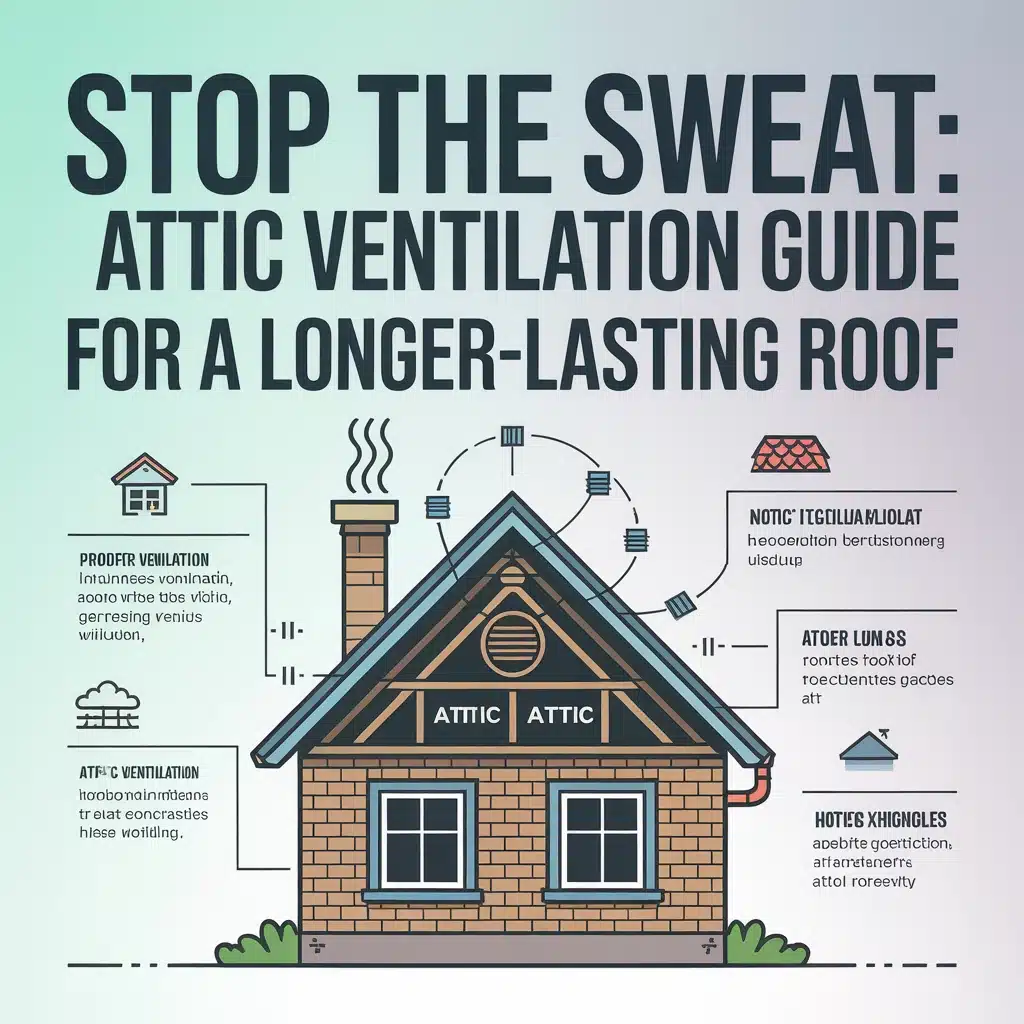
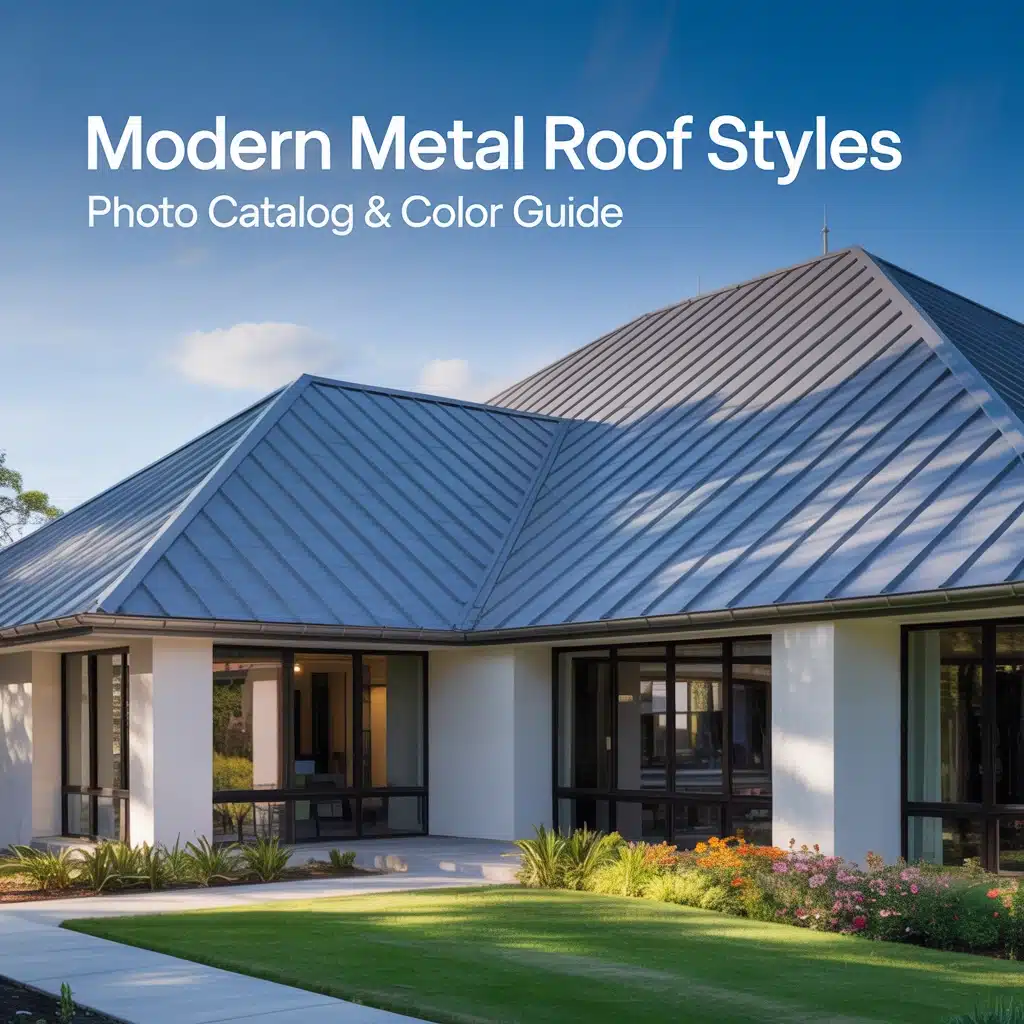
Metal Roof Or Shingles?
Uncategorized

Top 10 Most Popular Asphalt Shingle Colors for Charlotte Homes in 2025 (CertainTeed Landmark Edition)

Picking the right roof color can feel overwhelming – after all, you'll be looking at it every day for the next 20+ years! But here's some good news: CertainTeed's Landmark series offers some of the most tried-and-true color options that Charlotte homeowners absolutely love. These aren't just pretty colors; they're time-tested choices that boost curb appeal and hold their value year after year. Based on what we're seeing in Charlotte neighborhoods and feedback from our homeowners, here are the top 10 shingle colors that are absolutely crushing it in 2025. 1. Weathered Wood This is hands-down one of the most versatile colors you can choose. Weathered Wood gives you that perfect blend of warm browns and subtle grays that works with practically any home style. Whether you've got a traditional colonial, a modern farmhouse, or something in between, this color just works. What makes Weathered Wood so popular? It hides dirt and debris really well (important here in Charlotte with all our trees), and it complements both warm and cool siding colors. Plus, it ages gracefully – those natural wood tones actually look better over time. 2. Charcoal Black If you want drama and sophistication, Charcoal Black delivers in spades. This deep, rich color creates incredible contrast against lighter siding and really makes architectural details pop. We've installed tons of these on contemporary homes and modern farmhouses around Charlotte, and the results are always stunning. The practical benefits are solid too – Charcoal Black doesn't show dirt as much as you'd think, and it pairs beautifully with white, cream, gray, or even brick exteriors. 3. Georgetown Gray Georgetown Gray is what we call the "safe bet that never disappoints." It's a classic medium gray that works with virtually everything. This color has serious staying power – it's been popular for years and shows no signs of slowing down. Homeowners love Georgetown Gray because it's neutral enough to work with future exterior changes but distinctive enough to add character. It's especially popular in Charlotte's established neighborhoods where classic style meets modern updates. 4. Moire Black Moire Black is like Charcoal Black's sophisticated cousin. It's a true black with subtle undertones that create depth and richness. This color is perfect if you want maximum curb appeal impact and aren't afraid to make a statement. We've seen Moire Black transform ordinary homes into showstoppers. It works incredibly well with stone, brick, or light-colored siding. Just make sure your home's architectural style can handle the boldness – it's definitely a "look at me" color. 5. Driftwood Driftwood brings those coastal vibes that Charlotte homeowners are increasingly drawn to. It's a soft, weathered gray-brown that feels relaxed and natural. Think of it as Weathered Wood's cooler, more laid-back sibling. This color is fantastic for homes with natural stone accents or those going for that modern rustic look. Driftwood photographs beautifully and adds instant charm without being overwhelming. 6. Burnt Sienna Want warmth and richness? Burnt Sienna delivers with its deep, earthy red-brown tones. This color is having a major moment in 2025, especially with homeowners who want something distinctive but not too bold. Burnt Sienna complements brick exteriors beautifully and works well with cream, tan, or warm gray siding. It's particularly stunning on craftsman and traditional style homes where that extra warmth enhances the architectural character. 7. Pewter Pewter is the perfect middle ground between gray and brown – it's what we call a "greige" color that works in almost any setting. This versatile shade has been steadily climbing the popularity charts because it offers sophistication without being boring. Charlotte homeowners appreciate Pewter because it coordinates with both warm and cool exterior palettes. It's especially popular on homes with mixed materials like stone and siding combinations. 8. Black Walnut Black Walnut brings rich, deep brown tones with hints of black that create incredible depth. It's like having a custom stain job on your roof – sophisticated and unique without being flashy. This color works beautifully with natural materials and earth-tone siding colors. We've had great success with Black Walnut on homes with stone accents or warm-toned exteriors where homeowners want something richer than standard browns. 9. Cobblestone Gray Cobblestone Gray captures that classic New England charm with its blend of gray tones and subtle texture variations. It's been a Charlotte favorite for years because it feels both timeless and fresh. This color is particularly great for colonial and traditional homes, but we've also seen it work beautifully on transitional styles. Cobblestone Gray photographs well and maintains its appeal across different lighting conditions throughout the day. 10. Colonial Slate Rounding out our top 10 is Colonial Slate, a distinguished blue-gray that brings elegance and character to any home. This color has serious curb appeal and works especially well on homes with white or cream trim. Colonial Slate is perfect for homeowners who want something a little different from standard grays but still want a classic, timeless look. It's particularly stunning on Cape Cod and colonial style homes. Why CertainTeed Landmark Series? These colors aren't just pretty – they're part of CertainTeed's Landmark series, which means you're getting proven reliability and performance. The Landmark line has been protecting Charlotte homes for decades with excellent wind resistance, algae protection, and fade resistance. The dimensional design of these shingles creates beautiful shadow lines that enhance whatever color you choose, giving your roof depth and visual interest that flat shingles just can't match. Choosing the Right Color for Your Charlotte Home Here's the thing about color selection – it's not just about what looks good in photos. Consider these factors: Your neighborhood: While you want your home to stand out, you also want it to fit in. Take a drive around and see what's working well nearby. Your home's style: Traditional homes often look best with classic colors like Colonial Slate or Georgetown Gray, while modern styles can handle bolder choices like Moire Black or Charcoal Black. Your existing exterior: Your roof should complement, not compete with, your siding,

Metal Roof Or Shingles?
Uncategorized

Top 10 Most Popular Asphalt Shingle Colors for Charlotte Homes in 2025 (CertainTeed Landmark Edition)

Picking the right roof color can feel overwhelming – after all, you'll be looking at it every day for the next 20+ years! But here's some good news: CertainTeed's Landmark series offers some of the most tried-and-true color options that Charlotte homeowners absolutely love. These aren't just pretty colors; they're time-tested choices that boost curb appeal and hold their value year after year. Based on what we're seeing in Charlotte neighborhoods and feedback from our homeowners, here are the top 10 shingle colors that are absolutely crushing it in 2025. 1. Weathered Wood This is hands-down one of the most versatile colors you can choose. Weathered Wood gives you that perfect blend of warm browns and subtle grays that works with practically any home style. Whether you've got a traditional colonial, a modern farmhouse, or something in between, this color just works. What makes Weathered Wood so popular? It hides dirt and debris really well (important here in Charlotte with all our trees), and it complements both warm and cool siding colors. Plus, it ages gracefully – those natural wood tones actually look better over time. 2. Charcoal Black If you want drama and sophistication, Charcoal Black delivers in spades. This deep, rich color creates incredible contrast against lighter siding and really makes architectural details pop. We've installed tons of these on contemporary homes and modern farmhouses around Charlotte, and the results are always stunning. The practical benefits are solid too – Charcoal Black doesn't show dirt as much as you'd think, and it pairs beautifully with white, cream, gray, or even brick exteriors. 3. Georgetown Gray Georgetown Gray is what we call the "safe bet that never disappoints." It's a classic medium gray that works with virtually everything. This color has serious staying power – it's been popular for years and shows no signs of slowing down. Homeowners love Georgetown Gray because it's neutral enough to work with future exterior changes but distinctive enough to add character. It's especially popular in Charlotte's established neighborhoods where classic style meets modern updates. 4. Moire Black Moire Black is like Charcoal Black's sophisticated cousin. It's a true black with subtle undertones that create depth and richness. This color is perfect if you want maximum curb appeal impact and aren't afraid to make a statement. We've seen Moire Black transform ordinary homes into showstoppers. It works incredibly well with stone, brick, or light-colored siding. Just make sure your home's architectural style can handle the boldness – it's definitely a "look at me" color. 5. Driftwood Driftwood brings those coastal vibes that Charlotte homeowners are increasingly drawn to. It's a soft, weathered gray-brown that feels relaxed and natural. Think of it as Weathered Wood's cooler, more laid-back sibling. This color is fantastic for homes with natural stone accents or those going for that modern rustic look. Driftwood photographs beautifully and adds instant charm without being overwhelming. 6. Burnt Sienna Want warmth and richness? Burnt Sienna delivers with its deep, earthy red-brown tones. This color is having a major moment in 2025, especially with homeowners who want something distinctive but not too bold. Burnt Sienna complements brick exteriors beautifully and works well with cream, tan, or warm gray siding. It's particularly stunning on craftsman and traditional style homes where that extra warmth enhances the architectural character. 7. Pewter Pewter is the perfect middle ground between gray and brown – it's what we call a "greige" color that works in almost any setting. This versatile shade has been steadily climbing the popularity charts because it offers sophistication without being boring. Charlotte homeowners appreciate Pewter because it coordinates with both warm and cool exterior palettes. It's especially popular on homes with mixed materials like stone and siding combinations. 8. Black Walnut Black Walnut brings rich, deep brown tones with hints of black that create incredible depth. It's like having a custom stain job on your roof – sophisticated and unique without being flashy. This color works beautifully with natural materials and earth-tone siding colors. We've had great success with Black Walnut on homes with stone accents or warm-toned exteriors where homeowners want something richer than standard browns. 9. Cobblestone Gray Cobblestone Gray captures that classic New England charm with its blend of gray tones and subtle texture variations. It's been a Charlotte favorite for years because it feels both timeless and fresh. This color is particularly great for colonial and traditional homes, but we've also seen it work beautifully on transitional styles. Cobblestone Gray photographs well and maintains its appeal across different lighting conditions throughout the day. 10. Colonial Slate Rounding out our top 10 is Colonial Slate, a distinguished blue-gray that brings elegance and character to any home. This color has serious curb appeal and works especially well on homes with white or cream trim. Colonial Slate is perfect for homeowners who want something a little different from standard grays but still want a classic, timeless look. It's particularly stunning on Cape Cod and colonial style homes. Why CertainTeed Landmark Series? These colors aren't just pretty – they're part of CertainTeed's Landmark series, which means you're getting proven reliability and performance. The Landmark line has been protecting Charlotte homes for decades with excellent wind resistance, algae protection, and fade resistance. The dimensional design of these shingles creates beautiful shadow lines that enhance whatever color you choose, giving your roof depth and visual interest that flat shingles just can't match. Choosing the Right Color for Your Charlotte Home Here's the thing about color selection – it's not just about what looks good in photos. Consider these factors: Your neighborhood: While you want your home to stand out, you also want it to fit in. Take a drive around and see what's working well nearby. Your home's style: Traditional homes often look best with classic colors like Colonial Slate or Georgetown Gray, while modern styles can handle bolder choices like Moire Black or Charcoal Black. Your existing exterior: Your roof should complement, not compete with, your siding,

About Us At Best Roofing Now
Uncategorized

Top 5 Tips to Save Money on a Full Roof Replacement in Charlotte

Getting a new roof is one of those home improvements you can't put off forever. And if you're like most Charlotte homeowners, you're probably wondering how to get the job done right without breaking the bank. The good news? There are proven strategies that can save you thousands on your roof replacement while still getting quality work that'll protect your home for decades. A full roof replacement in Charlotte typically runs between $8,000 and $15,000 for an average-sized home, depending on materials and complexity. But with the right approach, you can trim that cost significantly. Here's how smart homeowners are saving big on their roofing projects. 1. Time Your Project for Maximum Savings Most people think spring and summer are the best times to replace a roof. They're wrong. The sweet spot for savings is late winter, specifically February through March. This is when roofing contractors are hungering for work, and you can negotiate discounts of 5-10% off standard pricing. During Charlotte's peak storm season (spring through early fall), demand skyrockets and so do prices. Contractors can charge premium rates because they're booked solid with storm damage repairs and insurance claims. But in late winter? That's when they're actively looking for projects to fill their schedules. You'll also benefit from faster project completion during the off-season. No waiting weeks for materials or scrambling to get permits processed. Plus, you'll have your new roof ready before the next storm season hits. The key is planning ahead. Start getting quotes in January for a February or March installation. Just make sure weather conditions are suitable – you don't want to install a roof during an ice storm, obviously. 2. Choose Impact-Resistant Shingles for Double Savings Here's a tip that pays dividends: install Class 4 impact-resistant shingles. Yes, they cost a bit more upfront, but the insurance savings are substantial. North Carolina insurance companies offer discounts up to 30% for impact-resistant roofing materials. Let's do the math. If you're paying $1,200 annually for homeowners insurance, a 20% discount saves you $240 per year. Over a 20-year roof lifespan, that's $4,800 in savings – likely more than the upgrade cost. Impact-resistant shingles like GAF's Timberline HD-Z or Owens Corning's Duration Storm are engineered to withstand hail up to 2 inches in diameter. They're tested by dropping steel balls from specific heights onto the shingles. The ones that pass become UL 2218 Class 4 certified. Beyond insurance savings, these shingles reduce the likelihood of hail damage claims, which helps keep your insurance premiums stable. It's a win-win situation that smart Charlotte homeowners are increasingly choosing. 3. Organize a Neighborhood Group Project This strategy requires some coordination, but the payoff is worth it. When multiple neighbors coordinate roof replacements simultaneously, contractors can offer group discounts of 10-15% per home. Why do contractors love group projects? Several reasons: Bulk material purchases reduce per-unit costs Reduced transportation expenses with crews working in one area Streamlined scheduling maximizes crew efficiency Lower marketing costs with word-of-mouth referrals The key is finding 3-5 neighbors whose roofs need replacement around the same time. Start conversations early – maybe at your next HOA meeting or neighborhood gathering. Even if roofs are different sizes and styles, contractors can still achieve efficiencies that benefit everyone. One Charlotte neighborhood in Myers Park recently saved over $2,000 per home by coordinating five roof replacements through one contractor. The project took two weeks total, and everyone got quality work at a reduced rate. 4. Maximize Tax Credits and Energy Efficiency Charlotte's climate means your roof works hard keeping your home cool. Investing in energy-efficient roofing materials can qualify you for tax credits while reducing utility bills for years to come. Metal roofing with reflective coatings can reduce attic temperatures by 20°F compared to standard asphalt shingles. Over a Charlotte summer, that translates to noticeable savings on air conditioning costs. Cool roof coatings and reflective shingles also qualify for federal energy tax credits, which can offset 10-30% of material costs. Don't overlook ventilation upgrades during your roof replacement. Proper ridge vents, soffit vents, and attic fans extend your roof's lifespan by preventing heat and moisture buildup. A well-ventilated roof lasts longer and keeps your home more comfortable year-round. Solar-ready roofing is another consideration. Even if you're not installing solar panels immediately, preparing your roof structure for future solar installation saves money down the road. Many Charlotte homeowners are future-proofing their roofs this way. 5. Choose the Right Local Contractor This might be the most important tip: hire a reputable, local, licensed contractor. Not the cheapest bid, but the best value. Here's why local matters in Charlotte: Permitting Knowledge: Charlotte-Mecklenburg has specific building codes and permitting requirements. Local contractors navigate this process efficiently, avoiding delays and additional costs. Material Relationships: Established local contractors have relationships with regional suppliers, often securing better pricing on materials. They also understand which materials perform best in Charlotte's climate. Accountability: Local contractors depend on their reputation in the community. They're more likely to stand behind their work and address any issues promptly. Weather Understanding: Charlotte's weather patterns – from summer thunderstorms to occasional ice storms – require specific roofing knowledge. Local contractors understand these challenges. When getting estimates, insist on itemized proposals that break down materials, labor, permits, and disposal costs. Quality contractors provide detailed proposals and explain their recommendations clearly. Red flags to avoid: door-to-door solicitors (especially after storms), contractors demanding full payment upfront, and bids significantly lower than others. Remember, you get what you pay for in roofing. Financing Options to Consider Even with these money-saving strategies, a roof replacement represents a significant investment. Fortunately, financing options can make the project more manageable: 0% Financing Programs: Many roofing contractors offer promotional financing with 0% interest for 12-24 months for qualified homeowners. Home Equity Lines: These typically offer lower interest rates than personal loans and may provide tax advantages. Insurance Claims: If storm damage prompted your replacement, work with your contractor to ensure you're maximizing your insurance settlement. The key is understanding all

About Us At Best Roofing Now
Uncategorized

How to Futureproof Your Roof: 7 Must-Have Upgrades for Longevity & Efficiency

The roofing industry is evolving faster than ever before. Between climate change bringing more extreme weather, rising energy costs, and breakthrough materials hitting the market, what worked for your roof five years ago might not cut it today. Smart homeowners are getting ahead of the curve by futureproofing their roofs with strategic upgrades that deliver better performance, longer lifespan, and serious energy savings. Think of futureproofing as an investment that pays dividends for decades. Instead of playing catch-up with repairs and replacements, you're building a roof system that can handle whatever comes next. Let's dive into the seven essential upgrades that'll transform your roof from basic shelter into a high-performance asset. 1. Upgrade to High-Quality Underlayment Your underlayment is like the foundation under your house – you don't see it, but it's doing the heavy lifting. Traditional felt underlayment is quickly becoming yesterday's news. Today's synthetic underlayments offer superior protection that can literally save your home during severe weather. Modern synthetic underlayments resist tearing, provide better water resistance, and can handle temperature extremes that would destroy older materials. They're also lighter and easier to install, which means fewer potential failure points. Some premium options even include built-in slip resistance, making your roof safer for future maintenance work. Why it matters: A quality underlayment can add 10-20 years to your roof's lifespan and provides crucial backup protection if your primary roofing material gets damaged. 2. Install Advanced Ventilation Systems Poor ventilation is a silent roof killer. Without proper airflow, heat and moisture build up in your attic, leading to ice dams in winter, excessive cooling costs in summer, and premature material failure year-round. Ridge vents paired with soffit vents create natural airflow that keeps your attic temperature closer to outside air temperature. For homes that need extra help, solar-powered exhaust fans can boost ventilation without adding to your electric bill. The key is creating a balanced system where air enters through the soffits and exits through the ridge. Pro tip: Calculate your ventilation needs based on your attic square footage. The general rule is 1 square foot of ventilation for every 300 square feet of attic space, split evenly between intake and exhaust. 3. Add Solar Integration or Solar-Ready Infrastructure You don't have to install solar panels right now, but making your roof solar-ready is a smart move that'll save money and hassle down the road. Solar-ready preparation includes structural assessments, conduit installation, and ensuring your electrical panel can handle future solar integration. If you're ready to go full solar, today's options are more attractive than ever. Modern solar shingles blend seamlessly with traditional roofing materials, while traditional panels have become more efficient and affordable. Many areas offer tax credits and incentives that can offset 26-30% of installation costs. The numbers: A typical residential solar installation can reduce your electric bill by 70-90%. Even in less sunny climates, the 25-30 year warranty period usually results in significant savings over traditional electricity costs. 4. Apply Reflective Cool Roof Coatings Cool roof coatings work like sunscreen for your house. These specialized coatings reflect UV rays and heat instead of absorbing them, which can reduce your roof surface temperature by 50-80 degrees on hot days. That translates directly into lower cooling costs and less wear on your roofing materials. The best coatings also provide an extra layer of waterproofing and UV protection. They're particularly effective on flat or low-slope roofs, but newer formulations work well on sloped roofs too. Many coatings come with 10-20 year warranties and can be reapplied to extend protection. Energy impact: Cool roof coatings can reduce cooling costs by 15-25% in most climates. In extremely hot regions, the savings can be even higher. 5. Choose Impact-Resistant Materials Weather is getting more unpredictable, and your roof needs to handle whatever nature throws at it. Impact-resistant shingles, metal roofing, and composite materials can withstand hail, flying debris, and extreme temperature swings that would damage traditional materials. Impact-resistant asphalt shingles carry a Class 4 rating and can handle impacts from 2-inch hail. Metal roofing offers even better protection and can last 50+ years with minimal maintenance. For the ultimate in durability, synthetic slate and tile options provide traditional aesthetics with modern performance. Insurance benefit: Many insurance companies offer 5-15% discounts for impact-resistant roofing materials. The reduced claim risk often pays for the material upgrade over time. 6. Install Smart Sensors and Monitoring Systems Smart roof technology might sound futuristic, but it's available and affordable today. Moisture sensors can detect leaks before they cause visible damage, while temperature monitors help track your roof's performance and energy efficiency. Some systems integrate with your home's smart system, sending alerts to your phone when issues arise. More advanced setups include thermal imaging capabilities that can identify problem areas during routine inspections. These systems are particularly valuable for large or complex roofs where problems might go unnoticed for months. ROI factor: Catching a small leak early can save thousands in water damage repairs. Smart monitoring systems typically pay for themselves with the first major issue they help you avoid. 7. Establish Comprehensive Seasonal Maintenance Plans Even the best materials need regular care to reach their full potential. A structured maintenance plan includes seasonal inspections, gutter cleaning, debris removal, and minor repairs before they become major problems. Spring maintenance focuses on winter damage assessment and preparation for summer heat. Fall maintenance prepares your roof for winter weather and addresses any summer wear. Professional inspections every 2-3 years catch issues that might not be visible from the ground. Maintenance checklist: Clear gutters and downspouts Remove debris from roof surface Check and seal around penetrations Inspect flashing and joints Document roof condition with photos Address minor repairs immediately Your Futureproofing Roadmap Ready to start futureproofing? Here's how to prioritize your upgrades: Start with the basics: Quality underlayment and proper ventilation provide the biggest bang for your buck and should be included in any major roof work. Add protection: Impact-resistant materials and cool coatings offer immediate benefits and often qualify for

About Us At Best Roofing Now
Uncategorized

Cool Roof Coating 101: A Charlotte Business Owner's Guide to Cutting Energy Bills by 40%

Running a business in Charlotte means dealing with some seriously hot summers. If you've been watching your energy bills climb every year, especially during those brutal July and August months, you're not alone. The good news? There's a proven solution that can slash your cooling costs by up to 40% while protecting your roof investment at the same time. Cool roof coatings aren't just another roofing trend – they're a game-changing technology that's helping Charlotte business owners take control of their energy expenses. Let's break down everything you need to know about this smart investment. What Exactly Are Cool Roof Coatings? Think of cool roof coatings as sunscreen for your building. These specialized elastomeric materials are designed to reflect sunlight and absorb way less solar energy than traditional roofing surfaces. While a standard dark roof can hit temperatures of 150°F or more on a sunny afternoon, a roof with cool coating stays more than 50°F cooler under the exact same conditions. The magic happens through two key processes: solar reflectance (bouncing sunlight away) and thermal emittance (releasing absorbed heat back into the atmosphere). It's like wearing a white shirt instead of a black one on a hot day – simple physics that delivers real results. The Energy Savings Are Real (And Impressive) Here's where things get interesting for your bottom line. Property owners who install reflective elastomeric roof coatings can reduce their cooling costs by up to 70%. Even conservative estimates show energy-efficient roofs consistently save businesses up to 40% on their energy bills. For a typical Charlotte commercial building, this translates to hundreds or even thousands of dollars in annual savings. The coating lowers indoor temperatures by up to 35%, which means your HVAC system doesn't have to work nearly as hard to keep things comfortable. Less strain on your air conditioning equipment also means fewer repair calls and longer equipment life. One Charlotte business owner told us, "After installing cool roof coating on our warehouse, our summer electric bills dropped by $800 per month. The coating paid for itself in less than two years, and we're still saving money every month." Benefits That Go Way Beyond Energy Savings While the energy cost reduction is the headline benefit, cool roof coatings deliver value in several other ways that make them even more attractive for business owners. Extended Roof Life: The coating acts as a protective shield against UV rays, which are one of the biggest causes of roof deterioration. By preventing UV damage, cracking, and fading, cool coatings can add years to your roof's lifespan. Reduced Maintenance: The protective barrier helps prevent moisture infiltration through small cracks and seams while reducing thermal stress on your roofing materials. Translation? Fewer emergency repair calls and lower maintenance costs over time. Improved Comfort: Employees and customers will notice the difference. A cooler building interior means more comfortable working conditions and potentially improved productivity during those scorching summer months. Perfect for Charlotte's Climate Charlotte's hot, humid summers create the ideal conditions for maximizing cool roof benefits. When air conditioning represents a major chunk of your energy consumption (and it does here), the 40% savings really add up. The coating works year-round, though you might see a small increase in winter heating costs since the roof reflects away some solar heat that could help warm the building. But in our relatively mild winter climate, this effect is minimal compared to the massive summer savings. The Installation Process Is Surprisingly Simple One of the best things about cool roof coatings? Installation is straightforward and fast. The process typically takes just one working day, so you won't deal with extended disruption to your business operations. Here's how it works: Surface Preparation: The roof gets thoroughly cleaned of dirt, grease, mildew, and debris Application: Most installations need just one or two coating applications Drying: The coating dries to a bright white finish that maximizes reflection Immediate Benefits: You'll start seeing energy savings right away Cool roof coatings work on various commercial roofing materials including modified bitumen, metal, and single-ply membranes. If you're not sure whether your roof is a good candidate, a quick inspection can determine compatibility. Financial Incentives and ROI Beyond the direct energy savings, there are often additional financial benefits to consider. Many businesses qualify for utility rebates or government incentives when installing energy-efficient roofing systems. Some of these improvements may also qualify for tax deductions as energy-efficient property upgrades. The return on investment is typically excellent. With energy savings of 40% and the extended roof life, most Charlotte businesses see payback periods of 2-4 years, depending on their current energy usage and roof size. Environmental Impact Cool roofs aren't just good for your wallet – they're good for the community too. When multiple buildings use cool roofing technology, it helps reduce local air temperatures and lessens the urban heat island effect. This means a more comfortable environment for everyone and reduced strain on the electrical grid during peak demand periods. Making the Right Choice for Your Business Cool roof coatings make the most sense for businesses with: High cooling costs during summer months Roofs in good structural condition Plans to stay in the current location for several years Interest in reducing environmental impact The technology works particularly well for warehouses, retail buildings, manufacturing facilities, and office complexes – basically any commercial building where cooling costs are a significant expense. Getting Started If you're ready to cut your energy bills and protect your roof investment, the first step is getting a professional assessment of your current roof condition and energy usage. A qualified roofing contractor can evaluate whether cool coating is the right solution for your specific building and provide accurate projections for energy savings. The combination of immediate energy cost reduction, extended roof life, minimal installation disruption, and environmental benefits makes cool roof coating one of the smartest investments a Charlotte business owner can make. With summer energy costs continuing to rise, there's never been a better time to take control of your

About Us At Best Roofing Now
Uncategorized

How Financing Works for Full Roof Replacement: Understanding Payment Plans Like 0% Interest for 24 Months

Let's be honest – a full roof replacement isn't exactly a planned expense for most homeowners. When you're looking at costs that can range from $10,000 to $30,000 or more, the sticker shock is real. But here's the good news: you don't have to drain your savings account or max out your credit cards to get the roof your home needs. Financing options for roof replacement have come a long way, and understanding how they work – especially those tempting "0% interest for 24 months" deals you see everywhere – can save you thousands of dollars and a lot of headaches down the road. The Truth About 0% Interest Deals You've probably seen those ads promising 0% financing for up to 24 months on roof replacement. Sounds amazing, right? Well, it can be – but only if you understand exactly how these deals work. Here's what most homeowners don't realize: these promotional financing offers typically come with something called deferred interest. This means if you don't pay off the entire balance before the promotional period ends, you'll be charged interest on the full original amount for the entire promotional period. Let's say you finance a $20,000 roof replacement with a 24-month 0% promotional offer. If you've only paid off $15,000 by month 24, you'll suddenly owe interest on the full $20,000 for all 24 months – which could add up to $3,000-$4,000 in unexpected charges. The key to making these deals work in your favor? Make sure you can realistically pay off the full balance within the promotional period. If you can swing $850 per month for 24 months, that 0% deal is genuinely free money. If you can't, you might be better off with a traditional loan. Your Financing Options Explained Personal Loans: The Straightforward Choice Personal loans are probably the most straightforward option for roof financing. You apply, get approved (usually within a few days), and receive a lump sum to pay your contractor. No collateral required, and you know exactly what your monthly payment will be for the life of the loan. Interest rates typically range from 6% to 15% depending on your credit score, with repayment terms of 2 to 7 years. For a $15,000 roof at 8% interest over 5 years, you're looking at about $304 per month with $3,240 in total interest. The downside? If your credit isn't great, the interest rates can get pretty steep. Home Equity Loans and HELOCs: Using Your Home's Value If you've built up equity in your home, these options often offer the best rates – sometimes as low as 5-9%. A home equity loan gives you a lump sum, while a Home Equity Line of Credit (HELOC) works more like a credit card that you can draw from as needed. The big advantage? Lower interest rates and potentially tax-deductible interest if the roof replacement qualifies as a home improvement. The downsides? Your home is collateral, so there's more risk, and the approval process can take 2-4 weeks. Roofing Company Financing: Convenience at a Price Many roofing companies, including us at Best Roofing Now, partner with financing companies to offer on-the-spot approval and simplified applications. These programs often feature more flexible approval requirements and can get you approved even if traditional banks have turned you down. The convenience factor is huge – you can often get approved during your initial consultation and have the work started within days. However, interest rates are typically higher than what you'd get from a bank or credit union. Breaking Down the Real Costs Understanding the true cost of different financing options helps you make the smartest choice for your situation. Here's how a $15,000 roof replacement pencils out with different financing methods: Cash Payment: $15,000 total (obviously the cheapest option) 24-Month 0% Promo (if paid off in full): $625/month for 24 months = $15,000 total Personal Loan (8% for 5 years): $304/month for 60 months = $18,240 total Home Equity Loan (6% for 10 years): $167/month for 120 months = $20,040 total Credit Card (average 18% APR): This gets expensive fast – avoid if possible The sweet spot for most homeowners? Either the 0% promotional financing (if you can pay it off in time) or a personal loan with a 3-5 year term. Who Qualifies and How to Apply Most financing options require: Credit score of 580 or higher (though 650+ gets you better rates) Stable income for at least two years Debt-to-income ratio below 40% For home equity options: at least 15-20% equity in your home The application process is usually pretty straightforward. You'll need recent pay stubs, bank statements, and basic information about your home. Many lenders can give you a decision within hours, and funds are typically available within 1-3 business days. Smart Tips for Choosing Your Financing Get multiple quotes first. You can't make a smart financing decision until you know exactly how much your roof replacement will cost. Get at least three quotes from reputable contractors. Check your credit score before you apply. Knowing your score helps you understand what rates you'll qualify for and avoid unnecessary credit pulls. Read the fine print on promotional deals. Make absolutely sure you understand when the promotional rate expires and what happens if you don't pay off the balance in time. Consider the total cost, not just monthly payments. A lower monthly payment stretched over 10 years might seem appealing, but you'll pay significantly more in interest. Don't finance more than you need. Some contractors might try to upsell you on extras when they know you're financing. Stick to what your roof actually needs. Making the Right Choice for Your Situation If you can comfortably pay off the balance within the promotional period, 0% financing deals are hard to beat. Just make sure you're realistic about your ability to make those higher monthly payments. For most homeowners who need longer to pay, a personal loan with a 3-5 year term offers a good balance of manageable payments and reasonable total

Residential Roofing In Davidson, Nc
Uncategorized

Why Homeowners Are Afraid to Let Roofers In: Understanding the Concerns Behind the Door

Picture this: you're enjoying a quiet Saturday morning when there's a knock at your door. You peek through the window and see someone in work clothes holding a clipboard, claiming they're a roofer who "happened to be in the neighborhood." Your first instinct? Probably to pretend you're not home. If this sounds familiar, you're not alone. Homeowners across Charlotte and beyond have developed a healthy skepticism when it comes to door-to-door roofers. But why exactly are people so hesitant to even have a conversation? The answer lies in a perfect storm of industry problems that have left homeowners feeling vulnerable and defensive. The Trust Crisis in Roofing The roofing industry has unfortunately earned a reputation for harboring bad actors, and homeowners have every right to be cautious. Years of documented scams, high-pressure tactics, and fly-by-night operations have created an environment where even legitimate contractors face an uphill battle to earn trust. The reality is that most homeowners only deal with roofing contractors once or twice in their lifetime. This inexperience makes them easy targets for unscrupulous operators who know exactly which buttons to push to create urgency and fear. Fear #1: The Licensing and Insurance Nightmare One of the biggest concerns homeowners have is whether the person at their door is actually qualified to be on their roof. Many door-to-door roofers can't provide proof of current licensing or adequate insurance coverage. This isn't just a paperwork issue – it's a potential financial disaster waiting to happen. When an unlicensed or uninsured contractor works on your home, you become liable for any accidents or damages that occur. Imagine a worker falls off your roof and gets seriously injured, or they accidentally damage your neighbor's property. Without proper insurance, you could be looking at thousands of dollars in medical bills or property damage claims. Smart homeowners have learned to ask for these credentials upfront, but many door-to-door operators either don't have them or provide fake documentation that looks legitimate at first glance. Fear #2: High-Pressure Sales Tactics Nothing makes homeowners more uncomfortable than feeling pressured to make a major financial decision on the spot. Unfortunately, aggressive sales tactics are practically a trademark of problematic roofing contractors. You've probably heard the lines: "I can only offer this price today," or "We have materials left over from another job in the neighborhood," or the classic "Sign now and we'll take 20% off." These tactics work because they create artificial urgency and tap into our fear of missing out on a good deal. The truth is, legitimate roofing work requires careful planning, proper permits, and detailed estimates. No reputable contractor expects you to make a decision worth thousands of dollars in a single conversation. Fear #3: The Storm Chaser Problem After every major storm in Charlotte, they arrive like clockwork – out-of-state contractors with flashy trucks and promises of quick insurance claim assistance. While some storm chasers are legitimate, many others are sophisticated scam artists who have turned post-storm vulnerability into a profitable business model. These operators know that homeowners are often overwhelmed after storm damage and may not be thinking clearly. They'll claim to spot hail damage or wind damage that requires immediate attention, then pressure you to sign contracts before you've had time to get multiple estimates or properly assess the situation. The worst part? By the time you realize there are problems with their work, they've already moved on to the next storm-damaged area. Good luck trying to get warranty work done or holding them accountable for substandard repairs. Fear #4: The Fake Damage Scam Here's a particularly insidious practice that has made homeowners rightfully paranoid: contractors who create or exaggerate damage during their "free inspection." These scammers will climb onto your roof, then come down with photos of damaged shingles or other issues that supposedly need immediate attention. The problem is, you have no way of knowing whether that damage existed before they got on your roof. Some unscrupulous contractors have been caught literally damaging roofs during inspections, then blaming it on recent weather events. This practice has made many homeowners reluctant to allow any uninvited contractor onto their roof, even for a supposedly free inspection. Fear #5: Contract Confusion and Hidden Obligations Another major concern is the risk of unknowingly signing contracts or agreements during what was supposed to be a simple conversation or inspection. Some door-to-door roofers present documents that look like basic inspection forms but actually contain binding contract language. Homeowners have found themselves legally obligated to use a specific contractor if they decide to file an insurance claim, even though they never intended to make that commitment. These situations can lead to expensive legal battles and force homeowners into business relationships they never wanted. Fear #6: Insurance Fraud Involvement Many homeowners worry about being inadvertently involved in insurance fraud. Some contractors actively encourage homeowners to file questionable insurance claims or inflate damage reports to maximize payouts. While the contractor might disappear after collecting their payment, the homeowner is left dealing with insurance companies that may later discover discrepancies in the claim. If your insurance company determines that your claim was fraudulent or exaggerated, you could face denied coverage for future legitimate claims, increased premiums, or even policy cancellation. How Legitimate Companies Operate Differently Not all door-to-door roofing contractors are scammers, but the prevalence of bad actors has made it crucial for legitimate companies to clearly differentiate themselves. At Best Roofing Now, we understand these concerns because we hear about them from customers every day. Here's how we approach things differently: We never pressure you to make immediate decisions. Our consultation process is designed to educate and inform, not to create artificial urgency. We believe that major home improvements should be well-considered decisions. We provide complete licensing and insurance information upfront. You shouldn't have to ask for these credentials – we should offer them proactively. Every legitimate contractor should be proud to show their qualifications. We document everything thoroughly. If we identify damage during an inspection, we'll

How Financing Works For Full Roof Replacement
Uncategorized

How Financing Works for Full Roof Replacement: Understanding Payment Plans Like 0% Interest for 24 Months

Let's be honest – a full roof replacement isn't exactly a planned expense for most homeowners. When you're looking at costs that can range from $10,000 to $30,000 or more, the sticker shock is real. But here's the good news: you don't have to drain your savings account or max out your credit cards to get the roof your home needs. Financing options for roof replacement have come a long way, and understanding how they work – especially those tempting "0% interest for 24 months" deals you see everywhere – can save you thousands of dollars and a lot of headaches down the road. The Truth About 0% Interest Deals You've probably seen those ads promising 0% financing for up to 24 months on roof replacement. Sounds amazing, right? Well, it can be – but only if you understand exactly how these deals work. Here's what most homeowners don't realize: these promotional financing offers typically come with something called deferred interest. This means if you don't pay off the entire balance before the promotional period ends, you'll be charged interest on the full original amount for the entire promotional period. Let's say you finance a $20,000 roof replacement with a 24-month 0% promotional offer. If you've only paid off $15,000 by month 24, you'll suddenly owe interest on the full $20,000 for all 24 months – which could add up to $3,000-$4,000 in unexpected charges. The key to making these deals work in your favor? Make sure you can realistically pay off the full balance within the promotional period. If you can swing $850 per month for 24 months, that 0% deal is genuinely free money. If you can't, you might be better off with a traditional loan. Your Financing Options Explained Personal Loans: The Straightforward Choice Personal loans are probably the most straightforward option for roof financing. You apply, get approved (usually within a few days), and receive a lump sum to pay your contractor. No collateral required, and you know exactly what your monthly payment will be for the life of the loan. Interest rates typically range from 6% to 15% depending on your credit score, with repayment terms of 2 to 7 years. For a $15,000 roof at 8% interest over 5 years, you're looking at about $304 per month with $3,240 in total interest. The downside? If your credit isn't great, the interest rates can get pretty steep. Home Equity Loans and HELOCs: Using Your Home's Value If you've built up equity in your home, these options often offer the best rates – sometimes as low as 5-9%. A home equity loan gives you a lump sum, while a Home Equity Line of Credit (HELOC) works more like a credit card that you can draw from as needed. The big advantage? Lower interest rates and potentially tax-deductible interest if the roof replacement qualifies as a home improvement. The downsides? Your home is collateral, so there's more risk, and the approval process can take 2-4 weeks. Roofing Company Financing: Convenience at a Price Many roofing companies, including us at Best Roofing Now, partner with financing companies to offer on-the-spot approval and simplified applications. These programs often feature more flexible approval requirements and can get you approved even if traditional banks have turned you down. The convenience factor is huge – you can often get approved during your initial consultation and have the work started within days. However, interest rates are typically higher than what you'd get from a bank or credit union. Breaking Down the Real Costs Understanding the true cost of different financing options helps you make the smartest choice for your situation. Here's how a $15,000 roof replacement pencils out with different financing methods: Cash Payment: $15,000 total (obviously the cheapest option) 24-Month 0% Promo (if paid off in full): $625/month for 24 months = $15,000 total Personal Loan (8% for 5 years): $304/month for 60 months = $18,240 total Home Equity Loan (6% for 10 years): $167/month for 120 months = $20,040 total Credit Card (average 18% APR): This gets expensive fast – avoid if possible The sweet spot for most homeowners? Either the 0% promotional financing (if you can pay it off in time) or a personal loan with a 3-5 year term. Who Qualifies and How to Apply Most financing options require: Credit score of 580 or higher (though 650+ gets you better rates) Stable income for at least two years Debt-to-income ratio below 40% For home equity options: at least 15-20% equity in your home The application process is usually pretty straightforward. You'll need recent pay stubs, bank statements, and basic information about your home. Many lenders can give you a decision within hours, and funds are typically available within 1-3 business days. Smart Tips for Choosing Your Financing Get multiple quotes first. You can't make a smart financing decision until you know exactly how much your roof replacement will cost. Get at least three quotes from reputable contractors. Check your credit score before you apply. Knowing your score helps you understand what rates you'll qualify for and avoid unnecessary credit pulls. Read the fine print on promotional deals. Make absolutely sure you understand when the promotional rate expires and what happens if you don't pay off the balance in time. Consider the total cost, not just monthly payments. A lower monthly payment stretched over 10 years might seem appealing, but you'll pay significantly more in interest. Don't finance more than you need. Some contractors might try to upsell you on extras when they know you're financing. Stick to what your roof actually needs. Making the Right Choice for Your Situation If you can comfortably pay off the balance within the promotional period, 0% financing deals are hard to beat. Just make sure you're realistic about your ability to make those higher monthly payments. For most homeowners who need longer to pay, a personal loan with a 3-5 year term offers a good balance of manageable payments and reasonable total

About Us At Best Roofing Now
Uncategorized

5 Easy Ways to Reach Out to Best Roofing Now in Charlotte, NC

When you need roofing services in Charlotte, NC, getting in touch with the right contractor shouldn't be a hassle. At Best Roofing Now, we believe communication is the foundation of great service, which is why we've made it super easy for homeowners to reach us through multiple channels. Whether you prefer picking up the phone, browsing online, or connecting through social media, we've got you covered. Here are five convenient ways to get in touch with our team and start your roofing project today. 1. Give Us a Call – The Direct Route Sometimes nothing beats a good old-fashioned phone call. When you call Best Roofing Now at (704) 605-6047, you'll speak directly with our knowledgeable team who can answer your questions immediately. No waiting for email responses or wondering if your message went through. Our phone lines are open during convenient hours to fit your schedule: Monday through Friday: 8:00 AM to 9:00 PM Saturday: 9:00 AM to 5:00 PM Sunday: 1:00 PM to 6:00 PM Whether you're dealing with a roofing emergency, need a quick quote, or want to discuss your options for a roof replacement, calling gives you instant access to expert advice. Our team can walk you through our services, explain different roofing materials, and even help you understand your insurance coverage over the phone. Pro tip: Have your address ready when you call so we can provide more accurate information about timeline and pricing for your specific location in Charlotte. 2. Visit Our Website – Your 24/7 Resource Our website at cms.bestroofingnow.com is like having a roofing expert available 24/7. It's packed with information about our services, from residential roofing to commercial solutions, and everything in between. On our website, you can: Browse our complete range of services Read customer reviews and testimonials Learn about different roof materials we work with Check out our blog for roofing tips and advice Get detailed information about our payment options The website also features helpful resources like guides to choosing the right roofing material for Charlotte's climate, maintenance tips to extend your roof's life, and explanations of common roofing terms. It's perfect for doing your research before making any decisions. Plus, our website is mobile-friendly, so you can browse our services and contact information whether you're at home on your laptop or out and about on your phone. 3. Request a Free Roof Inspection – See What You're Getting One of the best ways to get started with Best Roofing Now is by requesting our complimentary roof inspection. This isn't just a quick glance from the ground – we're talking about a thorough evaluation of your roof's condition, potential problem areas, and recommendations for maintenance or repairs. During your free inspection, our certified professionals will: Examine your roof's structure and materials Check for signs of damage, wear, or potential issues Assess your gutters, flashing, and ventilation Provide you with a detailed report of our findings Offer recommendations and pricing for any needed work This no-obligation inspection gives you valuable insight into your roof's health without any pressure to buy. It's especially helpful if you're buying a new home, haven't had your roof checked in a while, or noticed potential warning signs like missing shingles or water stains. You can request your free inspection through our website, over the phone, or through any of our social media channels. We'll work with your schedule to find a convenient time, and our team will arrive with all the necessary equipment to do a thorough job. 4. Book an Appointment Through Our Online Calendar For those who like to plan ahead and prefer the convenience of online scheduling, our digital calendar system makes booking an appointment a breeze. This feature is perfect for busy homeowners who want to secure their preferred time slot without playing phone tag. Our online booking system allows you to: See available appointment times in real-time Choose the service you need (inspection, consultation, repair, etc.) Select your preferred date and time Provide details about your roofing needs upfront Receive confirmation and reminders about your appointment The calendar shows our actual availability, so you're not guessing about when we can fit you in. Whether you need a weekend appointment because of your work schedule or prefer a specific time of day, you can see what works for both of us. This system is especially handy for non-urgent matters where you want professional service but don't need immediate attention. You can book your appointment at midnight if that's when you remember, and we'll get the notification first thing the next business day. 5. Connect With Us on Social Media – Stay in the Loop Social media isn't just for keeping up with friends and family – it's also a great way to connect with local businesses like Best Roofing Now. We're active on multiple platforms, and each one offers a different way to engage with our team and stay informed about our services. Facebook: Follow us for project showcases, customer testimonials, roofing tips, and seasonal reminders. You can message us directly, comment on posts with questions, or share our content with friends who might need roofing services. Instagram: Check out before-and-after photos of our roofing projects, behind-the-scenes content of our team at work, and visual tips for maintaining your roof. Instagram Stories often feature real-time updates from job sites. TikTok: Get quick roofing tips, see our team's personality, and learn about common roofing myths in short, entertaining videos. It's a fun way to learn about roofing without it feeling like homework. Twitter: Stay updated with our latest news, industry insights, and quick responses to roofing questions. Twitter is great for getting fast answers to simple questions. Google My Business: Read recent reviews from Charlotte homeowners, see our current hours, get directions to our office, and send us messages directly through Google. This platform also shows our latest posts and updates. LinkedIn: For commercial property owners and business professionals, LinkedIn provides insights into our commercial roofing expertise and industry knowledge.

Residential Roofing In Davidson, Nc
Uncategorized

Hurricane Warning: How Charlotte Homeowners Should Prepare Their Roofs

When hurricane warnings hit Charlotte, your roof becomes your home's first line of defense against devastating winds, torrential rain, and flying debris. The good news? With the right preparation steps, you can significantly reduce your risk of costly damage and keep your family safe during the storm. As a Charlotte homeowner, you've probably seen the aftermath of severe storms in our area. From fallen trees puncturing roofs to widespread shingle damage, hurricanes don't mess around. But here's what many people don't realize: most hurricane roof damage is preventable with proper preparation. Start With a Professional Emergency Inspection Time is critical when hurricane warnings are issued, but don't skip the most important step – getting your roof professionally inspected. Even if your roof looks fine from the ground, hidden vulnerabilities like lifted shingles, worn flashing, or soft spots in the decking can become major failure points under hurricane-force winds. A licensed roofing professional can spot these issues quickly and determine what needs immediate attention versus what can wait until after the storm passes. They'll examine all roof penetrations, including chimneys, vents, and skylights, ensuring that flashing is properly sealed and free from corrosion. "Small problems are far cheaper to fix before a storm hits than after," says most roofing experts. This couldn't be more true – emergency repairs during hurricane season can cost three to four times more than preventive maintenance. Secure Your Roof's Weak Points Fix Loose or Missing Shingles Walk around your property and look up at your roofline. Do you see any curling, cracked, or missing shingles? These are like welcome mats for hurricane winds. When wind gets underneath loose shingles, it can lift entire sections of your roof. If you find loose shingles, secure them immediately with roofing cement or call a professional if the damage is extensive. Check your gutters too – if you see granules from asphalt shingles collecting there, it's a sign your roof is deteriorating and needs attention. Reinforce Critical Areas Pay special attention to your roof's edges, ridges, and valleys – these areas typically take the brunt of wind forces. Make sure all flashing fits tightly against walls and chimneys, and replace any rusted nails with hurricane-rated fasteners if possible. If you notice sagging areas in your roofline or uneven dips, don't ignore them. These could indicate structural issues from past water damage that will only get worse under hurricane conditions. Clean and Secure Your Drainage Systems Clogged gutters during a hurricane aren't just annoying – they're dangerous. When gutters overflow, water can saturate your roof's edges, making them much more vulnerable to wind damage. Plus, backed-up water has nowhere to go except into your home. Remove all leaves, debris, and buildup from gutters and downspouts. Make sure gutters are securely attached to your home – loose gutters can become projectiles in high winds. While you're at it, check that your downspouts direct water well away from your foundation. Don't forget about your attic ventilation either. Proper ventilation helps equalize pressure inside and outside your home during strong winds, reducing the risk of your roof literally lifting off. Remove Outdoor Hazards Take a good look at the trees around your property. Any overhanging branches that could reach your roof need to be trimmed back now, before the storm hits. Even healthy branches can become dangerous battering rams in hurricane-force winds. Secure or remove any loose items around your property that could become airborne. This includes patio furniture, grills, decorative elements, satellite dishes, and anything else that isn't permanently anchored down. What seems harmless in normal weather can punch through a roof at 100+ mph winds. During the Hurricane: Stay Safe and Document Once the storm arrives, your job is simple: stay inside and away from windows. Don't attempt any roof repairs during the storm – it's extremely dangerous and can wait. If you hear unusual noises from your roof or notice water intrusion, document everything with photos if it's safe to do so. This documentation will be crucial for insurance claims later. After the Storm: Assess and Act Quickly When the hurricane passes, resist the urge to immediately climb onto your roof for inspection. Wet surfaces are slippery, and there may be hidden damage that makes the roof unstable. Instead, do a careful visual inspection from the ground using binoculars if needed. Look for: Missing or damaged shingles Debris on the roof Damaged flashing around chimneys or vents Sagging areas Water stains on interior walls or ceilings If you spot any damage, contact a roofing professional immediately. Charlotte sees a huge surge in roofing demand after major storms, so the earlier you call, the sooner you can get repairs scheduled. When to Call Best Roofing Now Some roof preparation tasks you can handle yourself, but many require professional expertise. Call us immediately if you notice: Structural damage or sagging Multiple missing shingles Damaged flashing or roof penetrations Interior water damage or leaks Any safety concerns about your roof's stability At Best Roofing Now, we offer emergency roofing services specifically designed for hurricane preparation and recovery. Our experienced team knows exactly what Charlotte roofs face during hurricane season, and we're equipped to handle both preventive maintenance and emergency repairs. We also provide free storm damage assessments after hurricanes pass through our area. Our certified technicians can quickly identify damage that might not be obvious to untrained eyes and work with your insurance company to ensure you get the coverage you deserve. Your Roof Preparation Checklist Before the next hurricane warning hits Charlotte, make sure you've covered these essential bases: Schedule a professional roof inspection Repair any loose or missing shingles Clean and secure all gutters and downspouts Trim overhanging tree branches Remove potential projectiles from your property Document your roof's current condition with photos Keep emergency supplies on hand (tarps, roofing cement, basic tools) Have contact information for emergency roofing services ready Remember, hurricane preparation isn't just about surviving the storm – it's about protecting your biggest investment and keeping your family

About Us At Best Roofing Now
Uncategorized

Why Charlotte Homeowners Are Choosing Metal Roofs Over Traditional Shingles in 2025

Something interesting is happening on Charlotte rooftops. Walk through any neighborhood in the Queen City, and you'll start noticing more and more homes sporting sleek metal roofs instead of the traditional asphalt shingles we've all grown used to. This isn't just a style trend – it's a smart shift driven by real benefits that make sense for Charlotte homeowners. The numbers tell the story: metal roof installations jumped from just 12% in 2020 to a projected 20% in 2025, while asphalt shingle installations dropped from 80% to 70% during the same period. So what's driving this change? Let's dive into why so many Charlotte homeowners are making the switch. The Longevity Game-Changer Here's the thing about metal roofs that gets homeowners' attention: they last significantly longer than traditional shingles. We're talking 40-70 years for metal compared to just 15-30 years for asphalt shingles. That's potentially more than twice the lifespan. Think about it this way – if you're planning to stay in your Charlotte home for the long haul, you might never need another roof replacement in your lifetime with metal. Meanwhile, homeowners with traditional shingles will likely face at least one, maybe two full roof replacements during that same period. This durability comes from metal's resistance to the common problems that plague shingles: cracking, warping, curling, and granule loss. Charlotte's weather can be tough on roofs, with hot summers, occasional severe storms, and that humid climate we know so well. Metal roofs handle these conditions like champs. Beating the Charlotte Heat Anyone who's lived through a Charlotte summer knows how brutal those energy bills can get when you're trying to keep your house cool. Metal roofs offer a real solution here. They reflect solar heat instead of absorbing it like traditional shingles do, which can reduce your cooling costs by up to 25%. That's not just marketing fluff – it's measurable savings. While your neighbors are cranking their AC to combat heat that's been absorbed and radiated by their shingle roofs, your metal roof is bouncing that heat right back into the atmosphere. Over Charlotte's long, hot summers, those savings add up fast. The Real Cost Picture Yes, metal roofs cost more upfront – typically $10,000-$18,000 compared to $6,000-$10,000 for asphalt shingles. But here's where the math gets interesting when you look at the total cost over 30 years. With asphalt shingles, you're looking at that initial $6,000-$10,000, plus at least one full replacement (another $6,000-$10,000), plus ongoing repairs, maintenance, and potential storm damage fixes. All told, you could easily spend $12,000-$20,000 over three decades. Meanwhile, that $10,000-$18,000 metal roof? That's likely your only major roofing expense for 30 years. When you factor in the energy savings and virtually no maintenance costs, metal roofs often come out ahead financially. Built for Charlotte's Weather Challenges Charlotte's climate presents some unique challenges that make metal roofing particularly attractive. Our summers are hot and humid, we get occasional severe storms, and hail isn't uncommon. Traditional shingles struggle with these conditions over time. Metal roofs excel where shingles fail: Storm resistance: Metal roofs can withstand winds up to 140 mph, crucial during hurricane season Hail protection: Dents might happen, but metal roofs rarely suffer the punctures and cracks that destroy shingles Fire resistance: Metal's non-combustible properties provide better fire protection Humidity handling: No issues with algae growth, moisture absorption, or rot Low-Maintenance Living One of the biggest selling points for busy Charlotte homeowners is how little maintenance metal roofs require. Traditional shingle roofs need regular attention – cleaning gutters of granules, replacing damaged shingles after storms, treating algae growth, and dealing with various wear-and-tear issues. Metal roofs? Pretty much install and forget. No granules shedding into your gutters, no shingles blowing off in windstorms, no algae streaks to clean. The occasional inspection and basic maintenance is about all they need. Modern Appeal and Property Value Gone are the days when metal roofs looked like barn roofing. Today's residential metal roofs come in numerous styles, colors, and finishes that can complement any architectural style. Many Charlotte homeowners are drawn to the clean, contemporary look that metal roofing provides. From a property value standpoint, metal roofs are increasingly seen as a premium feature. Potential buyers recognize the long-term value and reduced maintenance headaches. In Charlotte's competitive real estate market, having a relatively new metal roof can be a significant selling point. Environmental Benefits Matter More Charlotte homeowners are thinking about sustainability, and metal roofs check several environmental boxes. Most metal roofing is made from recyclable materials, and the entire roof can be recycled at the end of its very long life. Compare that to asphalt shingles, which typically end up in landfills. The energy efficiency also means a smaller carbon footprint over time. When your roof is helping reduce your cooling needs by 25%, that's less strain on the power grid and lower overall energy consumption. Making the Right Choice for Your Charlotte Home The shift toward metal roofing in Charlotte isn't just a trend – it's homeowners making smart, long-term decisions based on our specific climate challenges and lifestyle needs. The combination of durability, energy efficiency, low maintenance, and long-term cost savings makes a compelling case. That said, metal roofing isn't right for every situation or budget. The higher upfront cost can be a barrier, and some homeowners prefer the traditional look of shingles. The key is understanding your priorities: if you're planning to stay in your home long-term and want to minimize ongoing roof-related headaches and costs, metal roofing deserves serious consideration. Getting Started If you're thinking about making the switch to metal roofing, the first step is getting a professional assessment of your current roof and understanding your options. Every home is different, and factors like roof pitch, existing structure, and your specific needs all play into the decision. The metal roofing trend in Charlotte isn't slowing down – if anything, it's accelerating as more homeowners experience the benefits firsthand and share their positive experiences. Whether you're facing an immediate roof

About Us At Best Roofing Now
Uncategorized

Residential vs Commercial Roofing: What's Changing in 2025 & What You Should Watch Out For

The roofing industry is experiencing a seismic shift in 2025, and both residential and commercial property owners need to pay attention. From new regulations questioning traditional materials to breakthrough technologies that can predict leaks before they happen, this year is reshaping how we think about protecting our buildings. Whether you're a homeowner planning a roof replacement or a property manager overseeing commercial buildings, understanding these changes isn't just helpful: it's essential for making smart decisions that'll save you money and headaches down the road. The Fundamental Differences That Matter More Than Ever Before diving into what's new, let's get clear on why residential and commercial roofing have always been different beasts. These differences are becoming more pronounced in 2025 as each sector faces unique challenges. Residential roofing typically deals with steep slopes, smaller surface areas, and aesthetic concerns that affect property values. Homeowners want their roofs to look great from the street while protecting their families and belongings. Commercial roofing focuses on large, often flat surfaces where function trumps form. The priority is protecting business operations, inventory, and equipment while minimizing maintenance disruptions and long-term costs. These basic differences mean that trends affecting one sector don't always translate to the other. What works for a suburban home might be completely impractical for a warehouse, and vice versa. What's Shaking Up Residential Roofing in 2025 The Asphalt Shingle Reckoning Here's something that might surprise you: asphalt shingles, the go-to choice for decades, are under serious fire. Florida's Office of Insurance Regulation has publicly stated that asphalt shingles "often do not last as long as manufacturers claim." The Insurance Institute for Business and Safety went even further, arguing that shingle durability hasn't improved much over the years despite marketing claims. This regulatory scrutiny is spreading beyond Florida to wildfire-prone areas like California, where homeowners are demanding materials with Class 4 wildfire ratings. If you're planning a residential roof project, expect to hear more about alternative materials like metal roofing, which is gaining serious traction. Smart Home Integration Residential roofing is getting seriously smart. We're talking IoT sensors that monitor moisture levels, thermal imaging that spots problems before they become disasters, and systems that integrate with your home's overall smart ecosystem. These technologies are moving from "nice to have" to "standard expectation" faster than most people realize. Solar Integration Revolution The numbers don't lie: 292 GW of solar capacity was added before July 2024 alone. But it's not just about adding panels anymore. We're seeing solar shingles that blend seamlessly with traditional roofing materials and integrated systems designed from the ground up. For homeowners, this means thinking about energy generation as part of the roofing decision, not an afterthought. Commercial Roofing's 2025 Evolution Sustainability at Scale Commercial properties are leading the charge on green roofing solutions, and it makes sense: they have the space and budget to make these technologies viable. Cool roofs with reflective coatings are becoming standard in many areas, not just because they're environmentally friendly, but because they deliver real cost savings on energy bills. Predictive Maintenance Technology Commercial roofing is embracing automation and AI-driven maintenance planning. Instead of waiting for problems to appear, smart sensors can predict when specific areas of a roof need attention. For property managers juggling multiple buildings, this technology is a game-changer. Regulatory Compliance Focus Commercial buildings face stricter energy codes and sustainability requirements. The shift toward compliance-focused roofing solutions means materials and installation methods are being chosen based on meeting or exceeding regulatory standards, not just initial cost considerations. Innovations Changing Both Sectors Advanced Materials Science Both residential and commercial roofing are benefiting from materials that can withstand extreme weather better than ever before. Impact-resistant options aren't just for hurricane zones anymore: they're becoming standard in areas prone to hail, high winds, and temperature extremes. Data-Driven Decision Making Whether it's a homeowner tracking their roof's performance through an app or a facility manager analyzing data from dozens of commercial properties, 2025 is the year roofing decisions are backed by real data rather than guesswork. The Cost Reality Check Let's talk numbers because they matter. The median annual wage for roofers hit $50,030 in May 2023, and it's climbing. This isn't just inflation: it reflects the increasingly skilled nature of the work and the investment in safety equipment and training. For residential projects, this means budget more for quality installation. For commercial properties, it translates to viewing roofing as a long-term investment where upfront costs are offset by reduced maintenance and energy savings. ROI Considerations Residential ROI focuses on energy savings, property value increases, and reduced insurance premiums. Smart roofing technologies and high-performance materials often pay for themselves within 5-10 years through lower utility bills and fewer repair needs. Commercial ROI calculations include operational continuity, energy efficiency, and compliance benefits. A commercial roof that prevents business interruptions and meets energy codes can deliver ROI in ways that don't show up immediately in the budget. Red Flags to Watch Out For Material Transition Challenges As the industry moves away from traditional asphalt shingles, be wary of contractors who haven't expanded their expertise. The best contractors in 2025 are those who've invested in training for alternative materials and new technologies. Technology Implementation Issues Smart roofing sounds great until the sensors fail or the monitoring system crashes. Choose contractors who partner with established technology providers and have experience with system integration, not just installation. Regulatory Changes Building codes are evolving rapidly, especially in climate-sensitive regions. What's compliant today might not be next year. Stay informed about local regulations and work with contractors who track these changes. Your Decision Framework For Residential Properties Start with your local climate challenges and regulations. If you're in a wildfire zone, prioritize fire-resistant materials. In hurricane areas, focus on impact resistance and wind ratings. Factor in long-term energy costs and potential insurance savings when comparing options. Consider your home's smart technology ecosystem. If you're already invested in home automation, choose roofing solutions that integrate well with your existing setup. For Commercial Properties

About Us At Best Roofing Now
Uncategorized

Why You Should Call Your Roofer Before Your Insurance Company

When your roof gets damaged by a storm, hail, or falling tree, your first instinct might be to call your insurance company right away. But hold that thought! As roofing professionals who've handled thousands of insurance claims, we at Best Roofing Now have seen firsthand how this common approach can actually work against homeowners. Contacting your roofer before your insurance company isn't about trying to pull a fast one on your insurer. It's about protecting your interests and ensuring you receive the proper coverage you're entitled to under your policy. Let's break down why this approach can save you headaches, time, and potentially thousands of dollars. The Insurance Claim Process: What You Need to Know Before diving into why you should call a roofer first, it helps to understand how roof insurance claims typically work. Most homeowners insurance policies cover roof damage caused by "acts of God" or sudden accidents – things like storms, hail, fire, or falling trees. However, they typically don't cover damage from normal wear and tear or lack of maintenance. The standard process looks something like this: Damage occurs to your roof You file a claim with your insurance company An insurance adjuster inspects the damage The insurance company approves or denies your claim If approved, they issue payment for repairs (minus your deductible) You hire a contractor to complete the work Sounds straightforward, right? Unfortunately, it rarely is. Insurance companies are for-profit businesses with a financial incentive to minimize payouts. This is where having a professional roofer on your side from the beginning can make all the difference. Expert Damage Assessment: Seeing What Others Miss Insurance adjusters are trained professionals, but they're not roofing experts. They may not catch all the damage that an experienced roofer would identify. "I've seen numerous cases where an insurance adjuster missed significant damage that wasn't obvious to the untrained eye," says James Turner, owner of Best Roofing Now. "Hidden damage like compromised decking or subtle impact points can lead to leaks months later, long after your claim is closed." A professional roofer will perform a thorough inspection, documenting all damage – both obvious and hidden. This comprehensive assessment ensures that your insurance claim accurately reflects the full extent of the repairs needed. Documentation That Makes Your Case When you file an insurance claim, evidence is everything. A professional roofing contractor will: Take detailed photos of all damage Document measurements and specific damaged areas Provide a professional assessment report Create an itemized estimate for repairs This thorough documentation makes it difficult for insurance companies to dispute the existence or extent of damage. When you call your insurance company first without this documentation, you're essentially starting the claims process at a disadvantage. Your Advocate During the Adjuster Visit One of the most valuable benefits of calling your roofer first is having them present when the insurance adjuster arrives to inspect your roof. Your roofing contractor can: Point out damage the adjuster might miss Explain the technical aspects of the damage Discuss repair requirements based on local building codes Address potential objections in real-time Think of your roofer as your advocate in what can otherwise be an unbalanced negotiation. Insurance adjusters handle dozens of claims weekly and know exactly what to look for to minimize the company's liability. Having a roofing expert by your side levels the playing field. Preventing Claim Denials and Underpayments Insurance claim denials are frustratingly common in the roofing industry. Some of the most frequent reasons for denial include: "The damage is due to wear and tear, not a covered event" "The damage doesn't exceed your deductible" "The damage was pre-existing" "The damage isn't severe enough to warrant replacement" A professional roofer who documents the damage properly can help refute these common denial reasons. They can distinguish between storm damage and normal wear, provide evidence of when the damage occurred, and demonstrate why repairs are necessary. Additionally, many homeowners accept the first settlement offer from their insurance company, not realizing it might be insufficient to properly repair the roof. Your roofing contractor can review the settlement and advise if it's adequate or if you should push back. Navigating the Supplemental Claim Process Often, additional damage is discovered during the repair process that wasn't visible during the initial inspection. This requires filing a supplemental claim with your insurance company – a process that can be complicated and time-consuming. Roofing contractors who work regularly with insurance claims know exactly how to document and submit supplemental claims to maximize your chances of approval. Without their expertise, you might end up paying out of pocket for these additional repairs. Ensuring Code-Compliant Repairs Building codes change regularly, and your insurance company is typically required to pay for upgrades needed to bring your roof up to current code requirements. However, if you don't know to ask for this, you might not receive the full compensation you're entitled to. Professional roofers stay current with local building codes and can ensure that your insurance claim includes all necessary code upgrades. This alone can save you thousands of dollars on your roof replacement. Avoiding Common Insurance Claim Pitfalls When homeowners file claims directly without professional guidance, they often make mistakes that can hurt their chances of approval: Missing deadlines: Most policies have strict timelines for reporting damage. Inadequate documentation: Smartphone photos might not capture the damage effectively. Accepting lowball estimates: Insurance companies might use general pricing that doesn't account for your specific roof's needs. Starting repairs too soon: Beginning work before approval can give insurers grounds to deny your claim. Signing away rights: Some insurers ask homeowners to sign documents that limit their ability to claim certain types of damage. A reputable roofing company like Best Roofing Now will help you navigate these potential pitfalls, ensuring you don't accidentally undermine your own claim. What to Expect When You Call Your Roofer First If you experience roof damage, here's what the process looks like when you call a professional roofer first: Free inspection: A thorough evaluation of

About Us At Best Roofing Now
Uncategorized

How to Choose the Best Roofing Contractors in Charlotte: 7 Red Flags You Must Avoid

Finding the right roofing contractor in Charlotte can feel like searching for a needle in a haystack. With so many options out there, it's tough to know who you can trust with one of your biggest investments – your home. The Charlotte area's unique weather patterns, from intense summer storms to unpredictable winter conditions, make having a solid roof absolutely critical. Unfortunately, the roofing industry attracts its fair share of bad actors. Every year, Charlotte homeowners lose thousands of dollars to contractors who cut corners, disappear mid-project, or deliver subpar work that creates more problems than it solves. But here's the good news: these problematic contractors usually wave several red flags that you can spot from a mile away. Let's dive into the seven biggest warning signs that should send you running in the opposite direction. Red Flag #1: No Proper Licensing or Insurance Documentation This one's non-negotiable, folks. Any contractor worth their salt will have proper licensing through North Carolina and carry comprehensive insurance – both general liability and workers' compensation. If a contractor can't immediately provide proof of these credentials, or worse, gets defensive when you ask, that's your cue to end the conversation. Here's why this matters so much: if an unlicensed, uninsured contractor gets hurt on your property or damages your home, guess who's on the hook financially? That's right – you are. We're talking potentially tens of thousands of dollars in medical bills, property damage, and legal fees. A legitimate contractor will actually encourage you to verify their credentials. They're proud of their licensing status and want you to feel confident about working with them. Red Flag #2: High-Pressure Sales Tactics and Huge Upfront Demands "Sign today and I'll give you a special discount!" Sound familiar? If a contractor is pressuring you to make an immediate decision or demanding a large chunk of money upfront, run. Fast. Professional roofing companies understand that replacing your roof is a major decision. They give you time to think it over, compare options, and make an informed choice. They also don't need your money to buy materials – they have established credit with suppliers and the financial stability to handle project costs. A reasonable deposit is typically around 10-20% of the total project cost. If someone's asking for 50% or more before they've even started work, that's a massive red flag. Either they're financially unstable, or they're planning to take your money and disappear. Red Flag #3: Vague, Verbal-Only Estimates Professional contractors provide detailed, written estimates that break down every aspect of your project. We're talking specific material brands, labor costs, timeline, cleanup procedures, warranty details – the whole nine yards. If a contractor gives you a verbal quote or hands you a napkin with some scribbled numbers, that's not professional. Vague estimates are a setup for surprise costs that magically appear once work begins. "Oh, we didn't account for that in the original quote" becomes their favorite phrase. A detailed estimate shows the contractor knows what they're doing and respects your right to understand exactly what you're paying for. Red Flag #4: No Local Presence or References Charlotte has its share of "storm chasers" – contractors who roll into town after severe weather, promising quick fixes and great deals. While not all out-of-town contractors are bad, many lack the local knowledge needed to properly address Charlotte's specific roofing challenges. Local contractors understand our building codes, permit requirements, and the unique weather patterns that affect roofing in the Charlotte area. They also have skin in the game – their reputation in the community matters to them. If a contractor can't provide local references or seems unfamiliar with Charlotte-specific requirements, keep looking. You want someone who'll still be here when you need warranty work or future maintenance. Red Flag #5: Won't Provide References or Show Previous Work Any contractor who's been in business for more than five minutes should have a portfolio of completed projects and satisfied customers they can connect you with. If they make excuses about client privacy or can't show examples of their work, something's not right. Don't just ask for references – actually call them. Previous customers will give you the real scoop on work quality, timeliness, cleanliness, and how the contractor handles problems. A few phone calls now can save you major headaches later. Good contractors are proud of their work and happy to show it off. They'll even drive you by recent projects in your neighborhood if you ask. Red Flag #6: Poor Communication and Unprofessional Behavior Communication problems during the sales process only get worse once work begins. If a contractor consistently shows up late without calling, doesn't return your calls, or can't give straight answers to basic questions, imagine how frustrated you'll be when they're actually working on your home. Professional contractors understand that good communication is part of good service. They show up on time, dress appropriately, explain things clearly, and treat you and your property with respect. Pay attention to how organized they seem during your initial meetings. Do they have business cards, proper paperwork, and a professional vehicle? Or do they seem scattered and unprepared? First impressions usually prove accurate in this industry. Red Flag #7: Ridiculously Low Bids Here's the thing about unusually low bids – they're usually too good to be true. Quality roofing materials cost what they cost. Skilled labor has market rates. Insurance, licensing, and equipment all require investment. When a bid is dramatically lower than others, something has to give. Maybe they're planning to use cheaper materials than specified. Maybe they'll cut corners on installation. Maybe they don't carry proper insurance. Or maybe they'll hit you with surprise charges once work begins. In any case, extremely low bids rarely result in quality work that stands the test of time. This doesn't mean you should automatically choose the highest bid either. Look for contractors whose prices fall within the reasonable range and who can justify their pricing with detailed explanations of materials and procedures.

About Us At Best Roofing Now
Uncategorized

The Real Cost Breakdown of Waiting vs. Acting on Roof Repairs Before Winter

Winter's coming, and that small roof leak you've been ignoring? It's about to become your biggest financial nightmare. Most Charlotte homeowners think they're saving money by putting off roof repairs until "after the holidays" or "when the weather gets better." The reality is much different – and much more expensive. Let's break down the real numbers so you can make an informed decision about your roof repairs. The Cost of Acting Now When you tackle roof problems head-on, the numbers are pretty straightforward. Most minor repairs fall between $300 and $1,500. We're talking about fixing small leaks, replacing damaged shingles, or sealing around flashing. The average repair runs about $1,000 – not pocket change, but definitely manageable. Here's what immediate action typically costs: Small leak repairs: $80-$120 Replacing a few shingles: $200-$400 Flashing repairs: $300-$500 Minor gutter fixes: $150-$300 But here's the thing – when you act quickly, you're not just paying for the repair itself. You're investing in peace of mind, preventing secondary damage, and maintaining your home's value. Plus, your insurance company will actually work with you instead of against you when they see you've been proactive about maintenance. What Happens When You Wait This is where things get ugly fast. That $500 repair you're putting off? It doesn't stay a $500 problem. Water damage has a way of spreading like wildfire, and winter weather accelerates everything. Let's look at the timeline of destruction: After 2-4 weeks of delay, water starts soaking into your attic insulation and wooden structures. Your repair costs jump to $2,000-$5,000 as you're now dealing with insulation replacement and potential wood damage. After 1-2 months, mold starts growing in damp areas, and drywall begins showing water stains. You're looking at $5,000-$10,000 in repairs, plus potential health hazards for your family. After 3+ months, structural damage kicks in. Roof decking starts rotting, ceiling joists weaken, and you might even see sagging. Now you're facing $10,000-$20,000 or more in repairs. One homeowner in Illinois learned this lesson the hard way. They delayed a $750 shingle repair for just six weeks during fall. By the time they called for help, they were looking at over $7,000 in total costs due to soaked insulation, mold formation, and ceiling damage throughout two rooms. Winter Makes Everything Worse Think waiting until winter will save you money? Think again. Winter roof repairs come with a 15-20% premium due to challenging conditions. Here's why: Weather complications mean contractors can only work during limited daylight hours and clear weather windows. Safety requirements increase labor costs as crews need additional safety equipment for icy conditions. Material challenges arise when some roofing materials don't perform well in cold temperatures. But here's a twist – if you're planning a full roof replacement and can wait for ideal conditions, winter can actually be cheaper due to off-season pricing. The key word there is "planning." Emergency repairs during winter storms are always expensive. The Hidden Costs Nobody Talks About The sticker price of repairs is just the beginning. When you delay roof repairs, you're opening the door to a bunch of hidden expenses that can really add up: Energy bills skyrocket when your damaged roof compromises insulation. A small leak can increase your heating costs by 10-15% throughout winter. Insurance complications become a real problem. Insurance companies can deny claims for damage resulting from homeowner neglect. If they determine you knew about the problem and didn't address it, you could be on the hook for everything. Mold remediation becomes necessary when moisture persists. This isn't just expensive – it's a health hazard that can affect your family's wellbeing. Property value decline happens when buyers see evidence of water damage or deferred maintenance during home inspections. Real Numbers: The Side-by-Side Comparison Let's put this in perspective with actual cost ranges: Immediate Action: $300-$1,500 for the repair, plus peace of mind and prevented secondary damage. 2-4 Week Delay: $2,000-$5,000 as water damage spreads to attic and insulation. 1-2 Month Delay: $5,000-$10,000 including mold cleanup and drywall replacement. 3+ Month Delay: $10,000-$20,000+ for structural repairs and major renovation work. Winter Emergency Repairs: Original cost plus 15-20% premium for weather-related complications. The math is pretty clear: spending $1,000 today prevents spending $10,000 tomorrow. What Smart Homeowners Do The homeowners who come out ahead financially are the ones who act fast. They understand that roof problems don't get better with age – they get exponentially more expensive. Here's what we recommend: Get any roof issues inspected immediately, regardless of the season. Even if you can't complete major work until spring, get temporary weatherproofing in place to prevent further damage. Document everything for insurance purposes. Take photos, keep receipts, and maintain communication records with contractors. Plan strategically for major work. If you need a full roof replacement and can safely wait for better weather, winter planning can save money. But never delay necessary repairs just to wait for better pricing. The Bottom Line Every day you wait on roof repairs, you're essentially gambling with increasingly bad odds. That small leak might hold through winter – or it might turn into a catastrophic problem that costs 10-20 times more to fix. As one experienced contractor put it: "I've never seen a roof problem that got cheaper by waiting. Physics doesn't work that way – water always wins eventually." The choice is yours: spend $1,000 now or potentially $10,000+ later. For most Charlotte homeowners, that's not really a choice at all. If you're dealing with roof issues right now, don't let winter weather make your decision for you. The cost of waiting almost always exceeds the cost of acting, and your wallet (not to mention your peace of mind) will thank you for making the smart financial choice. Ready to get your roof situation sorted before winter hits hard? The sooner you act, the more money you'll keep in your pocket where it belongs.

About Us At Best Roofing Now
Uncategorized

Why You Shouldn't Waive Your Deductible

When storm damage hits your Charlotte home, you're already dealing with stress and unexpected expenses. So when a contractor knocks on your door offering to "waive your deductible" and handle everything with your insurance company, it might sound like a dream come true. But here's the reality: waiving your deductible is one of the riskiest decisions you can make as a homeowner. Let's break down exactly why this seemingly generous offer can turn into your worst nightmare. The Legal Reality: It's Actually Insurance Fraud Here's something that might shock you: in North Carolina and most other states, waiving your deductible is illegal. It's classified as insurance fraud, and both you and the contractor can face serious legal consequences. When contractors offer to waive your deductible, they don't actually eat the cost. Instead, they inflate the repair estimate to cover your deductible amount, essentially billing your insurance company for work that costs more than it should. This is fraudulent billing, plain and simple. The National Insurance Crime Bureau actively investigates these cases, and the penalties are severe. You could face: Fines ranging from hundreds to thousands of dollars Misdemeanor or felony charges depending on the amount involved A permanent mark on your criminal record Difficulty obtaining future insurance coverage "Insurance fraud costs all consumers money through higher premiums," says the North Carolina Department of Insurance. "When contractors inflate claims to cover deductibles, everyone pays the price." Even if you didn't know it was illegal, ignorance isn't a defense in court. The moment you sign that contract agreeing to a waived deductible, you're potentially participating in insurance fraud. Your Insurance Coverage Is at Risk Beyond the legal issues, waiving your deductible puts your insurance coverage in serious jeopardy. Insurance companies have entire departments dedicated to identifying fraudulent claims, and they're getting better at catching these schemes every year. Voided Claims and Denied Coverage When your insurance company discovers inflated charges or evidence of deductible waiver arrangements, they can: Deny your current claim entirely, leaving you responsible for all repair costs Void your policy for breach of contract Cancel your coverage, making it extremely difficult to find new insurance Flag you in industry databases, affecting your ability to get coverage elsewhere Premium Increases and Policy Cancellations Even if your claim isn't initially flagged, insurance companies conduct regular audits. If they discover deductible waiver arrangements months or even years later, you could face: Immediate policy cancellation Demands for refund of all payments made on fraudulent claims Significantly higher premiums with future insurers Difficulty obtaining coverage at any price The Charlotte area sees plenty of storm damage, and insurance companies are particularly vigilant about roofing claims. They know the common tricks contractors use, and they're not hesitant to investigate suspicious billing patterns. Quality and Safety: You Get What You Don't Pay For When contractors offer to waive your deductible, that money has to come from somewhere. And unfortunately, it usually comes out of the quality of your repairs. Substandard Materials and Workmanship Contractors who waive deductibles often cut corners by: Using cheaper, lower-grade materials Rushing through the work to save on labor costs Skipping important steps in the repair process Hiring less experienced workers Reducing the scope of work to save money For roofing specifically, this might mean: Using thinner shingles that won't last as long Skipping proper flashing installation around chimneys and vents Not properly sealing penetrations Inadequate ventilation installation Poor cleanup, leaving nails and debris that can damage tires or injure family members Voided Warranties Quality manufacturers stand behind their products with comprehensive warranties. But when contractors use substandard installation practices to save money, these warranties become void. You lose protection from: Manufacturer defects Premature material failure Installation-related problems Weather damage due to improper installation This means if something goes wrong with your roof in a few years, you're on your own for the repair costs. That "free" deductible waiver could end up costing you thousands more than you saved. The True Financial Cost While waiving a deductible saves you money upfront, it almost always costs significantly more in the long run. Here's the math that contractors hoping you won't do: Immediate Hidden Costs Your insurance company pays inflated amounts, driving up everyone's premiums You may lose negotiating power if additional work is needed Emergency repairs might be necessary if the initial work fails You might need to hire another contractor to fix poor workmanship Long-Term Financial Impact Consider a typical Charlotte homeowner with a $1,000 deductible who accepts a waiver: The contractor inflates the claim by $1,000 to cover the deductible Poor quality work leads to premature failure in 5-7 years instead of the expected 15-20 A full roof replacement costs $15,000-$25,000 The homeowner pays the full amount since it's now considered normal wear and tear, not storm damage Total cost: $15,000-$25,000 versus the original $1,000 deductible The math is clear: that $1,000 savings can easily turn into a $20,000+ loss. Red Flags: Spotting Deductible Waiver Schemes Protecting yourself starts with recognizing the warning signs of contractors who engage in these practices: Door-to-Door SolicitationLegitimate contractors don't typically go door-to-door offering to waive deductibles, especially right after storms. Pressure Tactics"Sign today or lose this deal" is a classic red flag. Reputable contractors give you time to make informed decisions. Upfront Payment RequestsContractors asking for payment before work begins, especially full payment, are often running scams. No Local AddressStorm chasers often work out of hotels or have out-of-state addresses. Local contractors have established reputations to protect. Too-Good-To-Be-True OffersBeyond deductible waivers, be wary of offers for "free" inspections, upgrades, or additional work that isn't covered by insurance. Working with Legitimate Contractors Reputable roofing contractors in Charlotte follow ethical practices and comply with insurance laws. They understand that: Deductibles exist for good reasons Quality work requires fair compensation Long-term customer relationships matter more than quick profits Proper insurance processes protect everyone involved When choosing a contractor, look for: Proper licensing and insurance Local references and established reputation Clear, detailed contracts Reasonable timelines and realistic pricing

About Us At Best Roofing Now
Uncategorized

What You Need to Know About Roof Financing

Is your roof looking worse for wear but you’re worried about the price tag? You’re not alone. Roof repairs and replacements are major investments, and most homeowners don’t have the extra cash sitting around to cover the full cost. That’s where roof financing comes in—a helping hand to get your home protected (and looking sharp) without draining your savings. Let’s walk through everything you need to know so you can make the best decision for your home and budget. What Does “Roof Financing” Actually Mean? Roof financing is just a fancy way of saying you’re paying for your roof project over time rather than all at once. Just like you might finance a car or a kitchen remodel, you can finance a new roof through a variety of options—some with super low rates, some with flexible monthly payments, and some that don’t even require collateral. The idea is to help you get your roof fixed or replaced now, so you aren’t stuck stressing over leaks, damaged shingles, or sky-high energy bills. The Roof Financing Process: Step-by-Step Here’s a quick look at how most roofing financing works: Assessment: A professional evaluates your roof and gives you an all-in (no surprises!) quote for replacement or repairs. Choose Financing: Pick the loan, credit, or payment plan that best fits your finances and timeline. Application: You fill out a quick application—this can sometimes be done right from your phone or laptop. Approval & Terms: The lender looks at your credit score, income, and sometimes your home’s equity, then offers you rates and terms. Get Funded: Once approved, your financing kicks in. Roofers most often get paid directly, and you start making set monthly payments. “Financing not only makes a new roof more affordable—it can also boost your home's value, protect your investment, and keep your family safe.” Popular Roof Financing Options (And How They Work) Let’s break down the most common choices: 1. Personal Loans A personal loan is a go-to for many homeowners. It doesn’t require you to put your home up as collateral, and many lenders process applications lightning fast. Pros: No home equity required Quick approval (sometimes same day) Fixed interest rates and monthly payments Cons: Rates depend on your credit score (higher scores get lower rates) Often higher interest than secured loans “Personal loans are a great fit when you want a simple, fast process and a predictable monthly payment.” 2. Home Equity Loans Home equity loans use the value you’ve built up in your home as backing for your loan. Think of it as a second mortgage, but just for the project you need. Pros: Lower interest rates (since your house secures the loan) Long repayment terms (sometimes up to 30 years) Good for larger roofs or multi-project renovations Cons: Approval takes longer and is more paperwork-heavy Your home is collateral—missed payments can mean risk 3. Cash-Out Refinancing If your current mortgage rate is high and your home’s value has climbed, a cash-out refinance can lower your rate and give you extra cash for your roof project. Pros: Could lock in a lower overall mortgage rate Accesses big chunks of money at once Cons: Full loan application plus a home appraisal Increases your mortgage amount and possibly extends payoff time 4. Credit Card Financing For smaller repairs (or if you can pay off quickly to avoid interest), a credit card might do the trick. Some cards offer 0% introductory APR, making them enticing for short-term needs. Pros: Immediate funding Rewards or cash-back bonuses Could pair with other financing for flexibility Cons: High interest if not paid off quickly Not ideal for big-ticket replacements 5. Contractor Financing (Like Best Roofing Now!) Some roofing companies (including us!) offer direct payment plans right through the contractor. This is super convenient—a one-stop shop for your project and your financing. Pros: Fast approvals Simple application process Flexible terms, often with promotional rates Cons: Limited to the terms your roofer offers Always double-check for hidden fees or early payoff penalties (ours are transparent!) Learn more about our payment solutions: https://cms.bestroofingnow.com/payment Comparing Financing Options: What’s Right for You? No single option works for everyone—your choice should match your budget, timing, and comfort with risk. Here’s what you should consider: Financing Option Speed Requires Collateral? Typical Interest Rate Good for… Personal Loan Fast No Moderate-High Simple, smaller jobs Home Equity Loan Slower Yes Low Major replacements Cash-Out Refi Slowest Yes Low Bundling projects Credit Card Fast No High Small/short-term uses Contractor Financing Fastest Sometimes Promo/Market-Rate Fast, easy solutions Key Factors to Consider Before Financing Your Roof Project Cost & Urgency: Need quick repairs? Opt for something with fast approval. Planning a big replacement? Go for lower rates even if paperwork takes a little longer. Credit Score: Higher scores unlock better rates on loans and credit cards. How Much Equity You Have: If you’ve built up equity, home equity loan or refi could be lowest cost. Repayment Terms: Make sure the monthly payments fit your budget (and that there’s no early payoff penalty). Risk Tolerance: Secured loans (like home equity loans) are lower risk for the lender, but your house is at stake if things go sideways. Fees and Fine Print: Always check for originations fees, closing costs, or surprise charges. Why Financing Makes Sense (And When It Doesn’t) When roof financing is a smart move: Your roof needs serious repairs right now, not next year The energy savings or home value boost pays off quickly You want to spread the investment out and keep your cash in the bank When to pump the brakes: You have enough savings set aside and avoid interest altogether Your credit score would result in sky-high loan rates The project could wait while you save up How Best Roofing Now Can Help At Best Roofing Now, we know every home (and every budget) is different. Our team offers free, zero-pressure consultations to walk you through your roof’s needs, project estimates, and—best of all—financing options that actually fit your life. We partner with

Shingle Hail Damage
Uncategorized

Storm-Proof Your Home: Top Tips for Durable, Weather-Resistant Roofs in Charlotte

Living in Charlotte means dealing with some pretty unpredictable weather. From scorching summers with sudden thunderstorms to the occasional winter ice storm, our homes—especially our roofs—take a serious beating year-round. As a Charlotte homeowner myself, I've seen firsthand how the right roofing decisions can mean the difference between minor maintenance and major headaches after a storm rolls through. Charlotte's Weather Challenges: What Your Roof Is Up Against Charlotte's climate throws a bit of everything at your roof. Summer brings intense heat and humidity, punctuated by powerful thunderstorms that can drop several inches of rain in just hours. Fall hurricane season occasionally sends strong winds and heavy rainfall our way. Winter might deliver freezing rain and ice that can wreak havoc on vulnerable roofing systems. "The biggest mistake homeowners make is assuming their roof can handle whatever Mother Nature throws at it," says Mike Reynolds, a Charlotte-based roofing inspector with 25 years of experience. "In reality, most roofs need specific reinforcements to truly stand up to our local weather patterns." These weather patterns create unique challenges: High winds that can lift and damage shingles Heavy rainfall that tests your roof's waterproofing Hail damage that compromises roofing materials Ice dams that form during winter freezes UV damage from our intense summer sun Warning Signs Your Roof Isn't Storm-Ready Before we dive into solutions, let's identify if your roof might be vulnerable. Look for these telltale signs that your roof needs attention before the next storm: Missing or damaged shingles: Gaps in your roofing material create entry points for water. Granules in gutters: Asphalt shingles shedding their protective granules are more vulnerable to storm damage. Sagging areas: This indicates structural issues that could worsen during heavy wind or rain. Water stains on ceilings or walls: Evidence that your roof is already leaking. Daylight visible through roof boards: Check your attic for light coming through—where light enters, water follows. Cracked flashing: The metal components that seal roof transitions are critical for water resistance. Moss or algae growth: Besides being unsightly, these organisms hold moisture against your roof, accelerating deterioration. If you've spotted any of these issues, addressing them before storm season is crucial. Even small vulnerabilities can quickly become major problems during severe weather. Best Materials for Weather-Resistant Roofing in Charlotte Not all roofing materials are created equal when it comes to storm resistance. Here are the top performers for Charlotte's climate: Impact-Resistant Asphalt Shingles Modern impact-resistant shingles are engineered specifically to withstand hail and flying debris. These shingles have a Class 4 impact rating (the highest available) and often qualify for insurance discounts. "Impact-resistant shingles are a game-changer for Charlotte homeowners," says Jennifer Taylor, insurance specialist. "Not only do they provide superior protection, but many insurance companies offer 5-15% discounts on premiums when you install them." Look for brands like CertainTeed's Landmark IR or GAF's Timberline AS II, which combine durability with aesthetic appeal. These premium shingles typically include enhanced wind ratings of 110-130 mph, well above what's needed for our region. Metal Roofing Metal roofing has come a long way from the corrugated barn roofs of yesterday. Today's residential metal roofing systems offer exceptional durability: Wind resistance: Can withstand winds up to 140 mph Impact resistance: Doesn't crack or puncture easily from hail Longevity: 40-70 year lifespan compared to 15-30 for asphalt shingles Energy efficiency: Reflects solar heat, reducing cooling costs While the upfront cost is higher, metal roofing often pays for itself through longevity and reduced maintenance. For Charlotte homes, standing seam metal roofs provide the best combination of weather resistance and aesthetic appeal. Synthetic Roofing Materials Synthetic roofing products made from recycled rubber and plastics offer incredible durability. Products like synthetic slate can withstand extreme impacts while weighing much less than natural slate, reducing structural requirements. "When we install synthetic slate or shake products, they're practically bulletproof against Charlotte storms," notes David Chen, roofing contractor. "And homeowners love that they get the classic look without the maintenance headaches." Structural Reinforcements That Make All the Difference Beyond choosing the right materials, how your roof is installed and reinforced matters tremendously during storms. These structural elements can dramatically improve your roof's weather resistance: Hurricane Straps and Clips These metal connectors create a continuous load path from your roof to your foundation, dramatically increasing wind resistance. During high winds, the lifting force on a roof can be substantial—hurricane straps ensure your roof stays attached to your home. For existing homes, retrofit options are available that can be installed during reroofing. For new construction or major renovations, comprehensive hurricane strapping should be standard practice in Charlotte. Enhanced Underlayment Systems The underlayment is your roof's last line of defense against water intrusion. Standard felt paper isn't enough for storm protection. Instead, consider: Synthetic underlayment: More tear-resistant and water-resistant than traditional felt Self-adhering ice and water shield: Applied at vulnerable areas like eaves, valleys, and around penetrations Full roof ice and water barriers: For maximum protection, covering the entire roof deck with waterproof membrane These upgraded underlayment systems add relatively little to the total cost of a new roof but provide enormous benefits during severe weather events. Proper Ventilation Systems Properly balanced attic ventilation serves two critical functions in storm-proofing: Reduces pressure differentials: During high winds, proper ventilation equalizes pressure between your attic and the outside, reducing the lifting force on your roof. Prevents moisture buildup: Trapped moisture in your attic degrades roofing components from the inside out, weakening their storm resistance over time. A combination of ridge vents, soffit vents, and possibly gable vents creates the ideal airflow pattern to keep your roof system healthy and storm-resistant. Maintenance: The Key to Long-Term Storm Resistance Even the best roofing system requires regular maintenance to maintain its weather resistance. Here's your Charlotte storm-proofing maintenance checklist: Seasonal Roof Inspections Schedule professional inspections at least twice yearly: Spring inspection: Address winter damage before summer storms Fall inspection: Prepare for winter weather and check for summer storm damage For DIY monitoring between professional visits, use binoculars from ground level

About Us At Best Roofing Now
Uncategorized

Does Roof Coating Really Matter in 2025? The Truth About Energy Savings

Let's cut right to the chase, yes, roof coating absolutely matters in 2025, and the energy savings are real. But like anything in roofing, the devil's in the details. After years of installing and maintaining roofs throughout Charlotte, I've seen firsthand what works and what doesn't when it comes to roof coatings and energy efficiency. The technology has come a long way from the snake oil salesmen of decades past. Today's roof coatings deliver measurable, significant energy savings that can cut your cooling costs dramatically. We're talking documented energy savings ranging from 10% to 70% depending on your building and local climate conditions. The Numbers Don't Lie: Real Energy Performance Data Here's where things get interesting. Modern reflective roof coatings can reduce your roof's surface temperature by 30-50°F. That's not a typo, we're talking about surface temps that can drop from scorching 180°F down to a much more manageable 130°F or less. The best coatings on the market today reflect up to 90% of UV rays, which means all that North Carolina sun isn't turning your roof into a giant heat collector anymore. The U.S. Department of Energy has documented that switching from conventional roofing materials to high-performance reflective coatings can reduce a commercial building's annual air conditioning energy use by up to 25%. In Charlotte's climate, where we see those brutal summer months with temperatures regularly hitting the 90s, cool roofs with proper coatings can operate up to 100°F cooler than traditional dark-colored roofing materials. That translates to indoor temperatures that can be up to 30% lower on the hottest days, without cranking up your AC. How Modern Roof Coatings Actually Work Think of roof coating as sunscreen for your building, but way more sophisticated. These coatings work through three main mechanisms that completely change how your roof handles heat. First is solar reflectance, the coating literally bounces sunlight away from your building instead of absorbing it as heat. Second is thermal emittance, which allows your roof to release any absorbed heat back into the atmosphere rather than conducting it down into your building. The result? Your roof absorbs about 80% less heat than traditional dark-colored roofs. For Charlotte homeowners and business owners dealing with those sweltering summer utility bills, this isn't just nice to have, it's a game-changer for your wallet. Beyond Energy Savings: The Full Picture Energy efficiency is just the beginning. A professionally applied roof coating can extend your roof's life by 10-20 years, which means you're not just saving on energy costs, you're postponing a major roof replacement that could cost tens of thousands of dollars. From a sustainability standpoint, roof coatings are brilliant because there's no tear-off required. No dumpsters sitting in your driveway for weeks, no mountains of old roofing materials heading to the landfill, and no extended downtime for your business operations. The application process is remarkably non-disruptive compared to full roof replacement. Most coating projects can be completed in a few days without the noise, mess, and chaos that comes with ripping off and replacing an entire roof system. Some coatings also add fire-retardant properties, which might help reduce your insurance premiums. It's worth having that conversation with your insurance agent, every little bit helps when you're looking at the total cost of ownership. When Roof Coatings Make Perfect Sense (And When They Don't) Here's where my experience as a Charlotte roofing contractor really matters. Roof coatings work best on structurally sound roofs that need a performance boost, not fundamental repair. If your roof is already in good shape but you're tired of sky-high energy bills, coatings are often the perfect solution. They're particularly effective here in the Charlotte area because we have the climate conditions where reducing heat gain provides the most significant impact on energy costs. For commercial properties with flat or low-slope roofs that get hammered by sun all day long, coatings offer an especially cost-effective retrofit solution. But, and this is important, coatings aren't magic. If your roof has significant underlying problems like structural damage, persistent leaks, or widespread deterioration, a coating is just going to mask those issues, not solve them. In those cases, you're better off investing in a complete roof replacement that addresses the root problems. Charlotte-Specific Considerations Living in Charlotte means dealing with our unique weather patterns, hot, humid summers and those occasional severe weather events that can test any roofing system. The good news is that quality roof coatings actually perform better in our climate than in many other parts of the country. Our high cooling degree days mean the energy savings from reflective coatings are maximized. A commercial building in Charlotte can see dramatically different energy performance compared to the same building in, say, Minnesota. The return on investment happens much faster here. However, Charlotte's weather also means you need coatings that can handle humidity, occasional hail, and those pop-up thunderstorms that roll through during summer afternoons. Not all coatings are created equal, and choosing the right product for our specific climate conditions is crucial. The Commercial Roofing Advantage For Charlotte business owners, roof coatings offer some unique advantages that residential properties don't always see. Commercial buildings typically have larger roof surfaces with more sun exposure, which means the energy savings scale up significantly. A 10,000 square foot commercial roof with a quality coating system can deliver energy savings that pay for the coating installation within 2-3 years. After that, it's pure savings for the remaining 10-15 year lifespan of the coating. Commercial roofing projects also benefit from potential tax incentives and rebates for energy-efficient improvements. It's worth checking with your accountant about what's available in North Carolina: the savings can add up quickly. Making the Right Decision for Your Property The truth about roof coatings in 2025 is that they're not a universal solution, but when applied correctly to the right roof systems, they deliver real, measurable benefits that go far beyond energy savings. Before making any decisions, you need a thorough assessment of your current roof condition, your

Straight Answers To 10 Roofing Questions You'Re Too Afraid To Ask
Uncategorized

Straight Answers to 10 Roofing Questions You're Too Afraid to Ask

Look, we get it. Roofing can feel intimidating, and asking questions might make you worry about looking clueless or getting taken advantage of. But here's the thing – every homeowner has these same questions rattling around in their head. The difference between a smart homeowner and one who gets burned? The smart ones ask the questions. After years of working with Charlotte families, we've heard every roofing question under the sun. Some folks whisper them like they're state secrets, others blurt them out during estimates. Truth is, there are no dumb questions when it comes to protecting your biggest investment. So let's dive into the 10 questions you're probably thinking but might be too hesitant to ask out loud. 1. "How long should my roof actually last in North Carolina?" Here's the straight truth: it depends on what you've got up there. Asphalt shingles (the most common choice) typically last 15-25 years in our Carolina climate. Metal roofing can push 40-50 years, while slate and clay tiles can outlive your grandkids. But – and this is important – our hot summers, surprise hail storms, and those occasional ice events can knock years off any roof's life. A 20-year shingle might only give you 17 years here. That's not a defect, that's just North Carolina weather doing its thing. 2. "Can I just put new shingles over my old ones?" Technically? Yes, you can layer new shingles over old ones, and it'll save you money upfront. Practically? It's usually a mistake that costs more in the long run. When you cover up old shingles, you can't inspect the roof deck underneath. You might be covering up rot, damaged flashing, or other problems that'll bite you later. Plus, that extra weight puts more stress on your roof structure, and finding leaks becomes a nightmare when you've got two layers to dig through. Most building codes allow up to two layers, but just because you can doesn't mean you should. 3. "Will my insurance actually pay for a 20-year-old roof?" This one's tricky because every insurance company has different rules. Generally speaking, if storm damage happens to your roof – regardless of age – insurance should cover it. But here's where it gets complicated. Some companies depreciate coverage based on age. So if your 20-year-old roof gets damaged, they might only pay for a percentage of replacement cost. Others have "cosmetic damage" clauses that can leave you holding the bag. The key? Document everything with photos and get a professional inspection after any significant storm. Don't just assume that missing shingle isn't worth reporting. 4. "What's all this talk about roof flashing, and do I really need it?" Roof flashing is basically thin metal sheeting (usually aluminum or steel) that directs water away from joints and seams. You absolutely need it around chimneys, vents, skylights, and where your roof meets walls. Think of flashing as your roof's raincoat seams. Without proper flashing, water finds those vulnerable spots and works its way into your home. Most roof leaks aren't actually from damaged shingles – they're from failed flashing that was either installed wrong or just wore out. 5. "How much is this going to cost me, really?" Nobody wants to give you a straight answer on this because roofing costs vary wildly. But you deserve better than "it depends." For a typical Charlotte-area home (1,500-2,000 square feet), a basic asphalt shingle replacement usually runs $8,000-$15,000. Premium architectural shingles bump that to $12,000-$20,000. Metal roofing? You're looking at $15,000-$30,000. But size isn't everything. A simple ranch house is cheaper per square foot than a complex multi-level home with dormers, valleys, and multiple roof lines. Steep pitches, multiple chimneys, and skylights all add complexity and cost. 6. "Do I really need to remove all the old roofing materials?" Most of the time, yes. Here's why: leaving old materials means you can't inspect the roof deck, replace damaged wood, or upgrade underlayment. You're basically putting a band-aid over potential problems. Plus, removing everything gives your new roof the best chance at reaching its full lifespan. It's like trying to build a house on a foundation you've never inspected – not the smartest move. The only time we recommend keeping old materials is if the roof deck is in excellent condition, there's only one existing layer, and budget constraints make it necessary. 7. "How do I know if a roofer is actually legit?" Great question, because the roofing industry has its share of fly-by-night operators. Here's your quick legitimacy checklist: Licensed and insured (ask to see proof, don't just take their word) Local address and established business presence References from recent jobs you can actually contact Written estimates with detailed scope of work No door-to-door soliciting or high-pressure tactics Red flags? Anyone who shows up unannounced after a storm, demands full payment upfront, or gives you a price that's dramatically lower than other quotes. 8. "What should I do to prepare for a roofing project?" Smart homeowners prepare their property and themselves. Move cars out of the driveway, cover outdoor furniture, and trim any tree branches hanging over the roof. Inside, remove wall hangings from rooms directly under the work area – roofing creates vibrations that can knock things down. Also, set expectations with neighbors about noise and debris trucks. Professional contractors will handle most property protection, but giving them clear access makes everyone's job easier. 9. "What happens if you find problems during the project?" Honest contractors will tell you upfront that surprises happen. Old roof decking might be rotted, flashing might need replacement, or we might discover structural issues once we remove old materials. The key is having this conversation before work starts. Ask how they handle changes, what typical additional costs run, and how they'll communicate with you about unexpected issues. Get this understanding in writing as part of your contract. 10. "Should I get multiple estimates?" Absolutely, but don't just shop on price alone. Get 2-3 estimates from reputable contractors and compare the

Selling Your Home? Use This Roofing Checklist
Uncategorized

Selling Your Home? Use This Roofing Checklist to Impress Buyers.

Here's a sobering statistic that every realtor and home seller in Charlotte should know: 19% of home inspections flag roof problems. That's nearly one in five potential deals that could fall through or face costly negotiations because of roofing issues. As a Charlotte homeowner preparing to sell, your roof isn't just protection from the elements: it's your home's first impression and often the make-or-break factor for serious buyers. A questionable roof can instantly knock thousands off your asking price or send buyers running to the next listing. The good news? Most roof issues that scare buyers are actually affordable to fix when you catch them early. This comprehensive checklist will help you spot problems before they become deal-killers and show you exactly how to get your roof buyer-ready. Why Your Roof Condition Can Make or Break Your Sale When potential buyers pull up to your Charlotte home, the roof is one of the first things they notice. A well-maintained roof signals that you've taken care of the property. Damaged, missing, or obviously aged shingles immediately raise red flags about what other problems might be lurking. Home inspectors know this too, which is why they scrutinize roofs so carefully. They're looking for issues that could cost the buyer thousands down the road: and they're really good at finding them. Your Pre-Listing Roof Inspection Checklist Exterior Inspection: What Buyers (and Inspectors) Will See Shingle Assessment Start with a ground-level inspection using binoculars for safety. Look for: Missing, cracked, or curling shingles Granule loss (those little colored specks that wash into gutters) Shingles that are loose or sliding out of place Dark streaks or discoloration indicating algae growth Moss or lichen growth (especially common in Charlotte's humid climate) Flashing and Seals Check all the transition areas where water could sneak in: Around chimneys, vents, and skylights Cracked or missing caulk around flashing Rust spots on metal flashing Rubber boots around vent pipes that are cracked or deteriorating Gutters and Drainage Your gutters tell a story about your roof's health: Look for granule buildup in gutters (sign of shingle deterioration) Check for proper drainage and no sagging sections Ensure downspouts direct water away from the foundation Clear any blockages that could cause water backup Structural Red Flags Sagging areas that could indicate structural problems Damaged or missing soffit and fascia Any areas where you can see daylight through the roof deck Interior Warning Signs Attic Inspection If you have attic access, look for: Water stains on the underside of roof decking Mold or mildew growth Proper ventilation (you should see vents at the eaves and ridge) Insulation that's wet or compressed Any signs of pests or animals Inside Your Home Water stains on ceilings or walls Peeling paint near the roofline Musty odors that could indicate hidden moisture What Home Inspectors Are Really Looking For Home inspectors in Charlotte have seen it all, and they know exactly what problems will concern buyers most. Here's their checklist: Immediate Red Flags: Any signs of active leaks or water intrusion Missing or damaged shingles that expose the roof deck Improper installations or DIY repairs that don't meet code Structural sagging or obvious damage Future Concerns: Shingles nearing end of life (typically 15-25 years for standard asphalt) Poor ventilation that could lead to ice dams or moisture problems Gutters that don't drain properly Flashing that's deteriorating but not yet leaking Affordable Fixes That Deliver Big Impact You don't need to replace your entire roof to impress buyers. Focus on these high-impact, budget-friendly improvements: Quick Wins (Under $500): Replace missing or obviously damaged shingles Clean gutters and repair minor sagging Reseal flashing around chimneys and vents Power wash to remove algae stains and debris Trim overhanging tree branches Medium Investment (Under $2,000): Replace damaged flashing Install proper ventilation if lacking Repair small sections of damaged roof decking Professional roof cleaning and minor repairs Consider the Math: A $1,500 investment in roof repairs could prevent $5,000-$10,000 in price negotiations or lost deals. Most Charlotte buyers expect a move-in ready home, and visible roof problems immediately signal "project house." The Power of a Roof Certification Letter Here's a secret weapon many Charlotte sellers don't know about: a roof certification letter from a qualified contractor. This document can be a game-changer in competitive markets. What It Includes: Professional assessment of roof condition Estimated remaining lifespan Documentation of recent repairs or maintenance Statement about current leak-free status Why Buyers Love It: Reduces uncertainty about a major expense Shows you're proactive about maintenance Can help with financing (some lenders require roof certifications for older homes) Provides peace of mind about a $15,000+ potential expense Getting a roof certification typically costs $300-$500 but can prevent thousands in price reductions or lost sales. Your 30-Day Roof Prep Timeline 4 Weeks Before Listing: Conduct your initial inspection Get quotes for any needed repairs Schedule professional cleaning if needed 3 Weeks Before Listing: Complete all necessary repairs Order roof certification inspection Document all work with photos and receipts 2 Weeks Before Listing: Receive certification letter Clean gutters and final touch-ups Prepare maintenance documentation for buyers 1 Week Before Listing: Final walkthrough to ensure everything looks great Organize all roof-related documents for buyer review Red Flags That Require Professional Help Some issues are beyond DIY fixes and need immediate professional attention: Any structural sagging or damage Active leaks or water intrusion Extensive shingle loss or damage Problems with flashing around chimneys Ventilation issues that could affect insurance coverage Don't try to hide major problems: they'll surface during inspection anyway. It's better to address them upfront or price accordingly. Making Your Roof a Selling Point When your roof is in great shape, make sure buyers know it. Include information about: Recent repairs or maintenance Age of current roofing system Any upgrades like impact-resistant shingles Warranty information Energy-efficient features A well-maintained roof isn't just about avoiding problems: it's about positioning your home as the obvious choice in a competitive Charlotte market. Your roof represents a significant investment, and buyers know

About Us At Best Roofing Now
Uncategorized

5 Critical Signs Your Charlotte Roof Needs Immediate Attention (Don't Ignore These!)

Are you ignoring warning signs that could cost you thousands? As a Charlotte homeowner, your roof faces unique challenges from our unpredictable Carolina weather – sudden storms, intense summer heat, and those surprise hail events that seem to pop up every year. I'm here to share the 5 critical signs that your home's roof needs immediate attention, because catching these early can save you from major headaches and wallet-draining repairs. Let's be real – most of us don't think about our roofs until water starts dripping into our living room. But by then, what could have been a simple fix has turned into a major renovation project. After years of working with Charlotte families, I've seen too many homeowners wait too long and pay the price. 1. Missing or Damaged Shingles After our Carolina storms roll through – and we all know how quickly they can hit – the first thing you should do is take a walk around your property and look up. Missing or damaged shingles are like leaving your front door wide open during a rainstorm. Check for shingles that are: Cracked or split down the middle Curled at the edges (they start looking like potato chips) Completely missing, leaving bare spots on your roof Loose and flapping in the breeze These damaged areas create entry points for water, and in Charlotte's humid climate, that water doesn't just sit there – it finds ways to cause problems fast. I've seen homeowners in Myers Park discover that one missing shingle led to $3,000 in water damage repairs just two weeks after a storm. The tricky part? Sometimes the damage isn't obvious from the ground. If you're not comfortable getting on a ladder (and honestly, please don't if you're not experienced), call in a professional. It's worth the peace of mind. 2. Granules in Your Gutters Here's something most homeowners miss until it's pointed out to them. Those little granules that look like coarse sand collecting in your gutters? They're not supposed to be there in large quantities. These granules are your shingles' protective coating – think of them as sunscreen for your roof. They protect against UV rays and help shed water. When you start finding excessive amounts in your gutters, especially after cleaning them recently, your shingles are essentially losing their armor. A few granules here and there are normal, especially on newer roofs. But if you're scooping out handfuls of this gritty material, your shingles are deteriorating faster than they should. In Charlotte's intense summer sun, this process can accelerate quickly once it starts. Pro tip: Check your gutters after a good rain. If the water running out looks muddy or gritty, that's granule loss in action. 3. Daylight Through Your Roof Boards This one's a biggie, and it requires a trip to your attic. I know, I know – nobody likes going up there, especially in Charlotte summers when attics can hit 130+ degrees. But this check could save you thousands. Go into your attic during the day with the lights off. Look up at your roof boards and scan for any spots where daylight is peeking through. Any visible light means you have structural damage that needs immediate attention. If daylight can get through, so can: Rain water (obviously the biggest concern) Snow and ice during our occasional winter storms Insects and small animals Hot and cold air (making your HVAC work overtime) I recently worked with a homeowner in SouthPark who ignored small light spots in their attic. Six months later, they had a family of squirrels living rent-free and significant water damage to their insulation and ceiling joists. 4. Sagging Roof Deck This is the sign that makes my stomach drop every time I see it. A sagging roofline indicates serious structural issues that have been building up over time. It's not something that happens overnight – it's the result of prolonged problems that have been ignored. Look at your roofline from the street and from your backyard. It should appear straight and even. Any dips, curves, or areas that look like they're bowing inward are red flags waving at you. Sagging typically happens because of: Prolonged water damage that's rotted the underlying wood structure Inadequate support when the roof was originally built Age-related deterioration of support beams Previous storm damage that wasn't properly addressed This isn't a DIY situation. Structural roof problems require immediate professional assessment because they can lead to partial or complete roof collapse. I've seen this happen in older neighborhoods around Charlotte, and it's not pretty – or cheap to fix. 5. Water Stains on Your Ceiling or Walls Those brown or yellow stains that mysteriously appear on your ceiling or walls? They're not mysterious at all – they're your roof telling you that water is already penetrating your home's envelope. These stains often show up in: Bedrooms directly under the roof Along exterior walls Around chimneys or roof penetrations Near bathroom exhaust fans The frustrating thing about water stains is they don't always appear directly under the leak. Water can travel along beams and pipes before dripping down, so the stain might be several feet away from the actual roof problem. Don't fall for the "it's just a small stain" trap. By the time water damage is visible inside your home, significant damage has already occurred to your roof structure, insulation, and potentially your home's framing. The Cost of Waiting Here's the reality check: small roofing problems don't stay small in Charlotte's climate. Our humidity accelerates mold growth, our storms test every weak point, and our temperature swings cause materials to expand and contract, making small problems bigger. A $300 shingle repair ignored for six months can easily become a $5,000 roof deck replacement. A minor leak that "only happens during heavy rain" can lead to $10,000+ in structural repairs and mold remediation. I tell all my clients the same thing: your roof is like your health – small problems are much easier and cheaper to

Does Roof Coating Really Matter In 2025
Uncategorized

Does Roof Coating Really Matter in 2025? The Truth About Energy Savings

Let's cut right to the chase, yes, roof coating absolutely matters in 2025, and the energy savings are real. But like anything in roofing, the devil's in the details. After years of installing and maintaining roofs throughout Charlotte, I've seen firsthand what works and what doesn't when it comes to roof coatings and energy efficiency. The technology has come a long way from the snake oil salesmen of decades past. Today's roof coatings deliver measurable, significant energy savings that can cut your cooling costs dramatically. We're talking documented energy savings ranging from 10% to 70% depending on your building and local climate conditions. The Numbers Don't Lie: Real Energy Performance Data Here's where things get interesting. Modern reflective roof coatings can reduce your roof's surface temperature by 30-50°F. That's not a typo, we're talking about surface temps that can drop from scorching 180°F down to a much more manageable 130°F or less. The best coatings on the market today reflect up to 90% of UV rays, which means all that North Carolina sun isn't turning your roof into a giant heat collector anymore. The U.S. Department of Energy has documented that switching from conventional roofing materials to high-performance reflective coatings can reduce a commercial building's annual air conditioning energy use by up to 25%. In Charlotte's climate, where we see those brutal summer months with temperatures regularly hitting the 90s, cool roofs with proper coatings can operate up to 100°F cooler than traditional dark-colored roofing materials. That translates to indoor temperatures that can be up to 30% lower on the hottest days, without cranking up your AC. How Modern Roof Coatings Actually Work Think of roof coating as sunscreen for your building, but way more sophisticated. These coatings work through three main mechanisms that completely change how your roof handles heat. First is solar reflectance, the coating literally bounces sunlight away from your building instead of absorbing it as heat. Second is thermal emittance, which allows your roof to release any absorbed heat back into the atmosphere rather than conducting it down into your building. The result? Your roof absorbs about 80% less heat than traditional dark-colored roofs. For Charlotte homeowners and business owners dealing with those sweltering summer utility bills, this isn't just nice to have, it's a game-changer for your wallet. Beyond Energy Savings: The Full Picture Energy efficiency is just the beginning. A professionally applied roof coating can extend your roof's life by 10-20 years, which means you're not just saving on energy costs, you're postponing a major roof replacement that could cost tens of thousands of dollars. From a sustainability standpoint, roof coatings are brilliant because there's no tear-off required. No dumpsters sitting in your driveway for weeks, no mountains of old roofing materials heading to the landfill, and no extended downtime for your business operations. The application process is remarkably non-disruptive compared to full roof replacement. Most coating projects can be completed in a few days without the noise, mess, and chaos that comes with ripping off and replacing an entire roof system. Some coatings also add fire-retardant properties, which might help reduce your insurance premiums. It's worth having that conversation with your insurance agent, every little bit helps when you're looking at the total cost of ownership. When Roof Coatings Make Perfect Sense (And When They Don't) Here's where my experience as a Charlotte roofing contractor really matters. Roof coatings work best on structurally sound roofs that need a performance boost, not fundamental repair. If your roof is already in good shape but you're tired of sky-high energy bills, coatings are often the perfect solution. They're particularly effective here in the Charlotte area because we have the climate conditions where reducing heat gain provides the most significant impact on energy costs. For commercial properties with flat or low-slope roofs that get hammered by sun all day long, coatings offer an especially cost-effective retrofit solution. But, and this is important, coatings aren't magic. If your roof has significant underlying problems like structural damage, persistent leaks, or widespread deterioration, a coating is just going to mask those issues, not solve them. In those cases, you're better off investing in a complete roof replacement that addresses the root problems. Charlotte-Specific Considerations Living in Charlotte means dealing with our unique weather patterns, hot, humid summers and those occasional severe weather events that can test any roofing system. The good news is that quality roof coatings actually perform better in our climate than in many other parts of the country. Our high cooling degree days mean the energy savings from reflective coatings are maximized. A commercial building in Charlotte can see dramatically different energy performance compared to the same building in, say, Minnesota. The return on investment happens much faster here. However, Charlotte's weather also means you need coatings that can handle humidity, occasional hail, and those pop-up thunderstorms that roll through during summer afternoons. Not all coatings are created equal, and choosing the right product for our specific climate conditions is crucial. The Commercial Roofing Advantage For Charlotte business owners, roof coatings offer some unique advantages that residential properties don't always see. Commercial buildings typically have larger roof surfaces with more sun exposure, which means the energy savings scale up significantly. A 10,000 square foot commercial roof with a quality coating system can deliver energy savings that pay for the coating installation within 2-3 years. After that, it's pure savings for the remaining 10-15 year lifespan of the coating. Commercial roofing projects also benefit from potential tax incentives and rebates for energy-efficient improvements. It's worth checking with your accountant about what's available in North Carolina: the savings can add up quickly. Making the Right Decision for Your Property The truth about roof coatings in 2025 is that they're not a universal solution, but when applied correctly to the right roof systems, they deliver real, measurable benefits that go far beyond energy savings. Before making any decisions, you need a thorough assessment of your current roof condition, your

About Us At Best Roofing Now
Uncategorized

If Your Roof Could Talk: 5 Things It Would Tell You (Before It Fails)

Hey there, homeowner. It's me – your roof. You know, the one who's been silently protecting you and your family through scorching Charlotte summers, brutal ice storms, and those spring thunderstorms that seem to roll through every other week. We need to talk. I've been up here for years, doing my job without complaint, but lately? Well, I'm getting a little tired. And honestly, I'm starting to worry that you're missing some pretty important signals I've been sending your way. Before I reach my breaking point (literally), there are five things I really need you to know. 1. "My Shingles Are Crying for Help – And You're Not Listening!" Look, I hate to be dramatic, but my shingles are basically my armor, and right now, they're falling apart. You might think that one or two curled shingles aren't a big deal, but trust me – they're like the canaries in the coal mine. When you see shingles that are cracked, blistered, or curling up at the edges, that's me waving a giant red flag. Those missing shingles after the last storm? They're not just cosmetic issues. Each one is an open door for water, wind, and all sorts of trouble to get into places they definitely shouldn't be. And here's what really gets me – when one shingle fails, it puts extra stress on all the others around it. It's like a domino effect, but instead of falling over, I'm falling apart. I know it might seem like I'm being dramatic about a few damaged shingles, but think of it this way: would you walk around with holes in your jacket during a rainstorm? That's essentially what you're asking me to do every single day. 2. "Check Your Gutters – I'm Literally Shedding!" Okay, this one might sound weird, but I need you to take a look in your gutters. See all those little granules that look like coarse sand or tiny pebbles? Those aren't just random debris – they're pieces of ME. My asphalt shingles are covered with these protective granules, and they're supposed to stay put. When they start washing away in large quantities, it means my protective coating is wearing thin. It's like I'm getting a really bad sunburn that won't heal, and every storm washes away more of my protection. If you're finding excessive granules in your gutters, especially after we haven't had a major storm, that's me telling you I'm aging faster than I should be. Don't ignore this one – it's one of the earliest warning signs that I'm starting to fail, and catching it early could save you thousands. 3. "I'm Sagging, And That's REALLY Bad News" This is the big one, folks. If you've noticed that my roofline isn't as straight as it used to be, or if I look like I'm sagging or drooping anywhere, we have a serious problem. I'm not trying to be dramatic here – a sagging roof is basically me screaming "HELP!" at the top of my lungs. Sagging usually means one of several scary things is happening: My decking is rotting from water damage My support structure is failing I've been carrying more weight than I can handle for too long There's been moisture damage that's compromised my structural integrity When I start sagging, it's not something you can ignore or put off until next year. I'm telling you that I might be approaching the point where I could actually collapse, and trust me, that's not a conversation either of us wants to have. 4. "Water Stains Are My SOS Signals" Here's something that might surprise you – some of the most important clues about my condition aren't visible from the outside. Those brown, yellow, or gray stains on your ceiling or walls? Those aren't just ugly marks that need a fresh coat of paint. They're my desperate attempts to tell you that water is getting where it absolutely should not be. Every water stain represents a place where I've failed to do my job. Water has gotten past my shingles, through my underlayment, past my decking, and into your home. By the time you see those stains, the damage has been happening for a while, and it's probably worse than what you can see. And let's talk about my flashing for a second – those metal strips around your chimney, vents, and other roof penetrations. When my flashing gets damaged, cracked, or starts pulling away, it's like having broken seals around windows. Water finds a way in, and once it does, it can cause damage that goes way beyond what you'd expect. 5. "I'm Getting Old, And Age Isn't Just A Number For Roofs" I need to be honest with you about something: I'm not going to last forever. Most roofs like me have a lifespan of about 15-25 years, depending on the materials, weather, and how well we're maintained. If I'm getting close to that age range, it's time for us to have a serious conversation about my future. Even if I look okay from the ground, age does things to roofs that aren't always visible. My materials break down, my flexibility decreases, and my ability to handle extreme weather gets compromised. It's like how a 20-year-old car might look fine on the outside but start having engine problems – age catches up with all of us. The thing is, waiting until I completely fail is like waiting for your car to die on the highway before considering a replacement. It's always more expensive, more stressful, and more disruptive than planning ahead. What I'm Really Asking For Look, I'm not trying to be needy here, but what I really want is some attention. Regular inspections, prompt repairs when small problems come up, and respect for the fact that I'm working hard up here every single day to protect everything you care about. I don't need you to climb up here yourself – honestly, I'd prefer you didn't. But having a professional roofer take

Creating Magical Moments
Uncategorized

Creating Magical Moments: How Best Roofing Now Goes Beyond the Roof

At Best Roofing Now, we believe every roofing project should create positive memories, not stressful experiences. Our commitment to crafting magical moments means going beyond installation to create experiences that exceed expectations. It's not about flashy gestures or expensive add-ons: it's about paying attention to what matters most to each family and adapting our approach to fit your life. When Life Happens During Roofing Projects Take the Johnson family in South Charlotte. When a severe storm left them with a leaking roof and water-damaged belongings, they were overwhelmed. Their daughter's high school graduation was just two weeks away, and they had family coming from across the country. The last thing they needed was a drawn-out roofing project disrupting this milestone celebration. We didn't just repair their roof: we became their advocates. Our team helped coordinate with their insurance company, cutting through red tape and expediting claim processing. We recommended trusted restoration specialists for their water-damaged items and worked around the clock to complete their project before graduation weekend. When their daughter walked across that stage, the Johnson family had a watertight home and one less worry on their minds. Adapting to Every Family's Needs For the elderly couple in Myers Park, climbing stairs to check on roof progress wasn't physically possible. Instead of leaving them in the dark about their investment, we set up a tablet system that streamed live updates directly to their living room. They could watch our progress in real-time, see the quality of materials being installed, and feel included in every step of the process. "We felt like part of the team," Mrs. Henderson told us later. "You didn't make us feel helpless or left out because of our limitations." This simple technological solution transformed what could have been an anxious experience into an engaging one. The Little Things That Make Big Differences When the Peterson family's roof replacement coincided with their newborn's homecoming from the hospital, we knew our usual work schedule wouldn't work. New parents need rest, and babies need quiet environments for proper sleep and feeding. We adjusted our entire approach. Our crews worked during specific hours to minimize noise during nap times and feeding schedules. We used quieter tools when possible and scheduled the noisiest work for times when the baby was typically awake. These small considerations made a huge difference during an already stressful time for new parents. Going the Extra Mile When It Matters The Henderson family thought their storm-damaged roof meant canceling their annual family reunion: a tradition spanning three generations. With relatives flying in from multiple states, they faced the choice between having a safe home or maintaining family connections. We refused to let them choose. Our team worked overtime, including weekends, to complete their project two days ahead of schedule. We even set up temporary lighting in their backyard so the family could safely enjoy their gathering space while final touches were completed. Three generations of Hendersons celebrated under the stars with a brand-new roof overhead. The Philosophy Behind the Magic These magical moments don't happen by accident. They're the result of a deliberate philosophy that puts people first. We remember that your home is your sanctuary, not just another job site. Every decision we make considers how it affects your daily life, your family's needs, and your peace of mind. "The best roofing companies don't just fix roofs: they solve problems and create peace of mind," says James Turner, owner of Best Roofing Now. "Anyone can nail shingles. We're in the business of making difficult situations easier for families." Training Teams to Care Every project team at Best Roofing Now receives comprehensive training on customer care, not just technical skills. We teach awareness, empathy, and creative problem-solving because roofing is ultimately about people, not just materials and installation techniques. Our technicians learn to listen actively to homeowner concerns, identify unstated needs, and think creatively about solutions. They understand that a successful project isn't just one that's completed on time and on budget: it's one that leaves families feeling supported and cared for throughout the process. Why Experience Matters as Much as Craftsmanship Our goal extends beyond delivering quality roofing work. We want you to recommend us to friends and family not just because of our technical expertise, but because of how we made you feel during a potentially stressful process. We measure success by the relationships we build, not just the roofs we complete. When neighbors ask about your roofing experience, we want you to share stories about how we went above and beyond. We want you to remember us as the contractors who cared more about your experience than their own convenience, who remembered that houses become homes through the families that live in them. The Ripple Effect of Thoughtful Service Magical moments create ripple effects. When we help the Johnson family navigate insurance complications, they refer us to storm-damaged neighbors. When we accommodate the Peterson family's newborn, they share our story in their new parent group. When we enable the Henderson family reunion, three generations become advocates for our approach. This is how businesses truly grow: not through aggressive marketing or price cutting, but through consistently exceeding expectations and creating positive experiences that families want to share. Making Magic in Your Own Project Every roofing project presents opportunities for magical moments. Maybe it's scheduling work around your home office calls. Perhaps it's taking extra care to protect your prized garden during material delivery. It could be as simple as cleaning up thoroughly each day so your kids can play safely in the yard. We look for these opportunities because we understand that roofing projects are about more than protecting your investment: they're about maintaining your quality of life while we work. Your Home Deserves the Magic Touch At Best Roofing Now, we believe that excellent customer service shouldn't be the exception: it should be the standard. Every family deserves contractors who listen to their concerns, understand their priorities, and adapt their approach accordingly.

Residential Roofing In Davidson, Nc
Uncategorized

The 10 Most Important Roof Parts Every Charlotte Homeowner Should Know

Your roof is more than just shingles sitting on top of your house. It's actually a complex system with multiple components working together to keep you dry, comfortable, and protected from Charlotte's unpredictable weather. Whether you're dealing with our summer thunderstorms or those occasional winter freezes, understanding these key roof parts will help you spot problems early and communicate better with roofing professionals. Let's break down the 10 most important roof components every Charlotte homeowner should know about. The Foundation: Decking and Structure 1. Roof Decking (Sheathing) Think of roof decking as the foundation of your entire roof system. This is the solid surface – usually made of plywood or oriented strand board (OSB) – that sits on top of your roof's frame and supports everything else. In Charlotte's humid climate, quality decking is crucial because moisture can cause cheap materials to warp, sag, or rot over time. When your decking starts to fail, you'll notice sagging areas, bouncy spots when walking on the roof, or even visible damage from inside your attic. It's the unsung hero that keeps everything else in place. 2. Underlayment Your underlayment is like a backup goalkeeper – it's the waterproof barrier that sits between your decking and your shingles. This synthetic or felt material is your second line of defense against water infiltration. In Charlotte, where we can get those sudden afternoon downpours, quality underlayment can be the difference between a minor leak and major water damage. Modern synthetic underlayment performs better than traditional felt, especially in our hot, humid summers. It won't absorb moisture and won't tear as easily during installation or severe weather. The Visible Protection: Shingles and Surface Materials 3. Shingles Obviously, shingles are what most people think of when they picture a roof. These overlapping pieces create your home's primary barrier against rain, wind, and sun. In Charlotte, asphalt shingles are the most popular choice because they handle our climate well and offer good value. But here's what many homeowners don't realize: not all shingles are created equal. Higher-quality shingles can better withstand our intense summer heat and occasional hail storms. They also tend to maintain their color better under our strong UV exposure. Water Management: The Critical Components 4. Flashing Flashing is thin metal (usually aluminum or galvanized steel) installed around roof penetrations like chimneys, vents, and skylights. It's also used where different roof planes meet. Think of flashing as your roof's caulk – it seals gaps where water might otherwise sneak in. In Charlotte's rainy season, failed flashing is one of the most common causes of roof leaks. The metal expands and contracts with temperature changes, and over time, the sealant can crack or the metal itself can develop holes. 5. Valleys Valleys are the V-shaped channels where two roof slopes meet. These areas collect a lot of water runoff, making them particularly vulnerable spots. In Charlotte, where we can get heavy rainfall in short periods, properly installed and maintained valleys are essential. There are different ways to handle valleys – some use metal, others use shingles in a woven or closed-cut pattern. Each method has its pros and cons, but they all serve the same critical function of channeling water away from your home. 6. Ridge The ridge is the highest point of your roof where two slopes meet. This area needs special attention because it's exposed to the most weather and requires proper ventilation. Ridge vents are often installed here to allow hot air to escape from your attic – something that's particularly important during Charlotte's sweltering summers. A properly ventilated ridge helps prevent ice dams in winter (yes, we occasionally get them in Charlotte too) and reduces cooling costs in summer by allowing hot air to escape naturally. The Finishing Touches: Trim and Edges 7. Fascia Fascia boards run along the edge of your roof and serve multiple purposes. They provide a finished look to your roofline, support your gutters, and protect the exposed ends of your rafters from weather damage. In Charlotte's climate, fascia boards are particularly susceptible to moisture damage and carpenter ant problems. Quality fascia installation includes proper ventilation and moisture barriers. When fascia starts to rot or pull away from the house, it can cause gutter problems and allow pests to enter your home. 8. Soffit Soffit is the material that covers the underside of your roof's overhang. While it might seem like just a cosmetic feature, soffit actually serves important functions. It provides ventilation for your attic (crucial in our hot climate), protects exposed rafters, and gives your home a finished appearance. Vented soffit allows cool air to enter your attic while ridge vents let hot air escape, creating natural air circulation that can significantly reduce cooling costs during Charlotte's long summers. 9. Drip Edge Drip edge is a metal strip installed along the edges of your roof. It directs water away from the fascia and into the gutters, preventing water from getting behind your gutters and causing rot or pest problems. While building codes in many areas require drip edge, some older Charlotte homes don't have it. Adding drip edge during a roof replacement or major repair is always a smart investment, especially given our area's rainfall patterns. 10. Gutters Last but definitely not least, gutters collect water from your roof and direct it away from your foundation. In Charlotte, where clay soil is common and can cause foundation issues when oversaturated, properly functioning gutters are essential. Your gutters work hand-in-hand with all the other roof components. If your shingles, flashing, or valleys aren't working properly, your gutters will be overwhelmed. Conversely, clogged or damaged gutters can cause water to back up and create problems with other roof components. Why Charlotte's Climate Makes These Components Even More Important Our local climate puts unique stresses on roofing systems. Summer temperatures regularly reach the 90s, creating thermal expansion and contraction that can stress seals and fasteners. Our humidity can promote mold and algae growth, particularly on north-facing roof sections that

About Us At Best Roofing Now
Uncategorized

Selling Your Home? Use This Roofing Checklist to Impress Buyers.

Here's a sobering statistic that every realtor and home seller in Charlotte should know: 19% of home inspections flag roof problems. That's nearly one in five potential deals that could fall through or face costly negotiations because of roofing issues. As a Charlotte homeowner preparing to sell, your roof isn't just protection from the elements: it's your home's first impression and often the make-or-break factor for serious buyers. A questionable roof can instantly knock thousands off your asking price or send buyers running to the next listing. The good news? Most roof issues that scare buyers are actually affordable to fix when you catch them early. This comprehensive checklist will help you spot problems before they become deal-killers and show you exactly how to get your roof buyer-ready. Why Your Roof Condition Can Make or Break Your Sale When potential buyers pull up to your Charlotte home, the roof is one of the first things they notice. A well-maintained roof signals that you've taken care of the property. Damaged, missing, or obviously aged shingles immediately raise red flags about what other problems might be lurking. Home inspectors know this too, which is why they scrutinize roofs so carefully. They're looking for issues that could cost the buyer thousands down the road: and they're really good at finding them. Your Pre-Listing Roof Inspection Checklist Exterior Inspection: What Buyers (and Inspectors) Will See Shingle Assessment Start with a ground-level inspection using binoculars for safety. Look for: Missing, cracked, or curling shingles Granule loss (those little colored specks that wash into gutters) Shingles that are loose or sliding out of place Dark streaks or discoloration indicating algae growth Moss or lichen growth (especially common in Charlotte's humid climate) Flashing and Seals Check all the transition areas where water could sneak in: Around chimneys, vents, and skylights Cracked or missing caulk around flashing Rust spots on metal flashing Rubber boots around vent pipes that are cracked or deteriorating Gutters and Drainage Your gutters tell a story about your roof's health: Look for granule buildup in gutters (sign of shingle deterioration) Check for proper drainage and no sagging sections Ensure downspouts direct water away from the foundation Clear any blockages that could cause water backup Structural Red Flags Sagging areas that could indicate structural problems Damaged or missing soffit and fascia Any areas where you can see daylight through the roof deck Interior Warning Signs Attic Inspection If you have attic access, look for: Water stains on the underside of roof decking Mold or mildew growth Proper ventilation (you should see vents at the eaves and ridge) Insulation that's wet or compressed Any signs of pests or animals Inside Your Home Water stains on ceilings or walls Peeling paint near the roofline Musty odors that could indicate hidden moisture What Home Inspectors Are Really Looking For Home inspectors in Charlotte have seen it all, and they know exactly what problems will concern buyers most. Here's their checklist: Immediate Red Flags: Any signs of active leaks or water intrusion Missing or damaged shingles that expose the roof deck Improper installations or DIY repairs that don't meet code Structural sagging or obvious damage Future Concerns: Shingles nearing end of life (typically 15-25 years for standard asphalt) Poor ventilation that could lead to ice dams or moisture problems Gutters that don't drain properly Flashing that's deteriorating but not yet leaking Affordable Fixes That Deliver Big Impact You don't need to replace your entire roof to impress buyers. Focus on these high-impact, budget-friendly improvements: Quick Wins (Under $500): Replace missing or obviously damaged shingles Clean gutters and repair minor sagging Reseal flashing around chimneys and vents Power wash to remove algae stains and debris Trim overhanging tree branches Medium Investment (Under $2,000): Replace damaged flashing Install proper ventilation if lacking Repair small sections of damaged roof decking Professional roof cleaning and minor repairs Consider the Math: A $1,500 investment in roof repairs could prevent $5,000-$10,000 in price negotiations or lost deals. Most Charlotte buyers expect a move-in ready home, and visible roof problems immediately signal "project house." The Power of a Roof Certification Letter Here's a secret weapon many Charlotte sellers don't know about: a roof certification letter from a qualified contractor. This document can be a game-changer in competitive markets. What It Includes: Professional assessment of roof condition Estimated remaining lifespan Documentation of recent repairs or maintenance Statement about current leak-free status Why Buyers Love It: Reduces uncertainty about a major expense Shows you're proactive about maintenance Can help with financing (some lenders require roof certifications for older homes) Provides peace of mind about a $15,000+ potential expense Getting a roof certification typically costs $300-$500 but can prevent thousands in price reductions or lost sales. Your 30-Day Roof Prep Timeline 4 Weeks Before Listing: Conduct your initial inspection Get quotes for any needed repairs Schedule professional cleaning if needed 3 Weeks Before Listing: Complete all necessary repairs Order roof certification inspection Document all work with photos and receipts 2 Weeks Before Listing: Receive certification letter Clean gutters and final touch-ups Prepare maintenance documentation for buyers 1 Week Before Listing: Final walkthrough to ensure everything looks great Organize all roof-related documents for buyer review Red Flags That Require Professional Help Some issues are beyond DIY fixes and need immediate professional attention: Any structural sagging or damage Active leaks or water intrusion Extensive shingle loss or damage Problems with flashing around chimneys Ventilation issues that could affect insurance coverage Don't try to hide major problems: they'll surface during inspection anyway. It's better to address them upfront or price accordingly. Making Your Roof a Selling Point When your roof is in great shape, make sure buyers know it. Include information about: Recent repairs or maintenance Age of current roofing system Any upgrades like impact-resistant shingles Warranty information Energy-efficient features A well-maintained roof isn't just about avoiding problems: it's about positioning your home as the obvious choice in a competitive Charlotte market. Your roof represents a significant investment, and buyers know

Shingle Hail Damage
Uncategorized

What to Do After a Storm Hits Your Roof

Charlotte homeowners know the drill – storm season can be brutal. Between those sudden afternoon thunderstorms and the occasional severe weather system rolling through, our roofs take a beating. When Mother Nature throws her worst at your home, knowing what to do in those first critical hours can save you thousands in repairs and headaches with insurance claims. Let's walk through exactly what you need to do when a storm has potentially damaged your roof, step by step. Step 1: Safety First – Stay Inside Until It's Safe This might seem obvious, but you'd be surprised how many people want to rush outside the moment the storm passes. Don't do it. Wait until the weather has completely cleared and winds have died down. Storm conditions create all sorts of hazards you might not immediately see – from downed power lines to unstable tree branches hanging over your property. If you suspect there's severe structural damage to your roof, turn off your home's main power supply right away. This reduces the risk of electrical fires, especially if water is getting into your electrical system. And here's a big one: never, ever climb onto your roof immediately after a storm. Wet roofs are incredibly slippery, and damaged structures can be unstable. If you notice an active leak inside your home, quickly move furniture, electronics, and valuables away from the dripping water. Use buckets or tarps to catch what you can, but don't try to fix anything yet – that comes later. Step 2: Conduct a Ground-Level Visual Inspection Once it's safe to go outside (usually within 24-48 hours after the storm), start with a thorough walk around your property. You're looking for visible signs of damage, but you're keeping your feet firmly planted on the ground. Grab a pair of binoculars if you have them – they'll help you see details you might miss with the naked eye. You can also get good views of your roof from upper-floor windows inside your home. Here's what to look for during your exterior inspection: Shingle Damage: Missing shingles (you might find them in your yard) Cracked, curled, or torn shingles Shingles that look like they've shifted or lifted Gutters and Downspouts: Dents from hail Sections that have pulled away from the house Clogs from debris Other Red Flags: Piles of granules in gutters or around your home's foundation Visible holes or punctures in the roof Sagging or uneven roof lines Loose or missing flashing around chimneys, vents, and skylights Damaged siding, windows, or screens Don't forget to check your outdoor accessories too – things like patio furniture, deck railings, and gable vents can show hail damage patterns that help tell the story of what your roof endured. Step 3: Check Inside Your Home for Hidden Damage Your roof might look fine from the outside, but wind and hail can cause problems you won't see until you look up. Head to your attic with a good flashlight and inspect for signs of water intrusion. Look for: Water stains or wet spots on rafters and decking Daylight showing through the roof (that's never a good sign) Insulation that looks wet or compressed Any dripping or active leaks Back in your main living areas, examine all ceilings and light fixtures for water spots, stains, or sagging. Sometimes the first sign of roof damage shows up as a small water stain that grows over the next few days. Step 4: Document Everything Like Your Insurance Depends On It (Because It Does) This step is crucial, and it's where a lot of homeowners miss the mark. Your documentation can make or break your insurance claim, so be thorough. Take photos of: All visible damage from multiple angles Close-up shots of specific problem areas Wide shots that show the overall condition Interior damage like water stains or ceiling issues Any debris around your property Write detailed notes about what you're seeing, including the date and time of your inspection. If you find shingles or other roofing materials in your yard, photograph them in place before moving them. "Documentation is your best friend when it comes to insurance claims," says James Turner, owner of Best Roofing Now. "The more evidence you have of storm damage, the stronger your case will be with your insurance company." Step 5: Call in the Professionals Here's where Charlotte homeowners sometimes try to save money and end up costing themselves more in the long run. A professional roofing inspection after a storm isn't just recommended – it's essential. Experienced roofers can spot damage that's invisible to untrained eyes. They know what signs to look for that indicate structural problems, and they have the safety equipment and expertise to get on your roof safely. When you call a roofing contractor, ask about: Free storm damage inspections Their experience with insurance claims How quickly they can assess your roof Whether they'll provide a written report of their findings Many reputable roofing companies in the Charlotte area offer free inspections after major storms. Take advantage of this – it's a small investment in time that could save you major headaches later. Step 6: Contact Your Insurance Company Once you've had a professional assessment, it's time to call your insurance company. But here's the key: call them after you've gathered your documentation and had a professional inspection, not before. When you call your insurance company: Have your documentation ready Be prepared to describe the damage clearly Ask about your coverage and deductible Find out their timeline for sending an adjuster Get a claim number and keep detailed records of all conversations Remember, insurance typically covers storm-related damage, but they won't cover problems that arise from neglect or poor maintenance. This is another reason why having a professional assessment is so valuable – it helps establish that your damage is storm-related, not from wear and tear. Step 7: Protect Your Home from Further Damage While you're waiting for repairs, you might need to take temporary measures to prevent additional damage.

About Us At Best Roofing Now
Uncategorized

Safety First: Our On-Site Safety Protocols

When you're working 20+ feet off the ground on a sloped surface, there's no room for shortcuts or "good enough" when it comes to safety. At Best Roofing Now, we've built our reputation not just on quality roofing work, but on getting every single crew member home safely at the end of each day. Here's exactly how we make that happen through our comprehensive on-site safety protocols. Before We Even Touch Your Roof: Pre-Job Safety Planning Every roofing project starts in our office, not on your roof. Our safety protocols kick in the moment we schedule your job. We begin with a detailed site assessment that goes far beyond just looking at your roof. Our team evaluates everything from the terrain around your home to potential hazards like power lines, landscaping obstacles, and neighbor proximity. "Safety isn't just about following rules – it's about creating a culture where everyone looks out for each other," says James Turner, our owner. "We've seen too many preventable accidents in this industry, and we refuse to be another statistic." During our pre-job planning phase, we identify specific safety challenges your property might present. Is there a steep slope leading to your backyard? Are there delicate plants or outdoor furniture that need protection? Do overhead power lines create additional hazards? All of these factors influence our safety setup and crew assignments. Site Setup: Creating a Safety Zone Once our crew arrives, the first hour is dedicated entirely to site preparation and safety setup – we don't touch a single shingle until every safety measure is in place. This process includes establishing a clear perimeter around your home where only authorized personnel can enter, setting up equipment in designated zones away from foot traffic, and installing warning signs and barriers to protect both our workers and your family. Our material delivery system follows strict protocols too. All materials are positioned to minimize lifting hazards and prevent accidental contact with electrical sources. We use mechanical lifting equipment whenever possible to reduce the physical strain on our crew members and eliminate unnecessary risks. Weather monitoring begins before we arrive and continues throughout the workday. Charlotte's weather can change quickly, and we have specific wind speed, precipitation, and temperature thresholds that determine whether work can continue safely. When conditions become questionable, we stop work immediately – no exceptions. Team Training: Every Crew Member is Safety-Certified You won't find a single person on our roofs who hasn't completed our comprehensive safety training program. This isn't a one-time deal either – every team member undergoes annual recertification and monthly safety refresher sessions. Our training covers fall protection systems, ladder safety, equipment operation, hazard recognition, and emergency response procedures. But we go beyond basic requirements. Each crew member is trained to spot and communicate potential hazards, ensuring multiple sets of eyes are always watching for safety issues. New hires complete a 40-hour safety program before they're allowed on any roof, and they work alongside experienced crew members for their first month. We believe that safety habits need to become second nature, and that only happens through consistent practice and mentorship. Equipment Safety and Personal Protective Equipment Walk onto any Best Roofing Now job site and you'll immediately notice our commitment to proper equipment. Every crew member wears OSHA-compliant hard hats, safety glasses, non-slip work boots, and high-visibility vests. During certain phases of work, additional PPE like harnesses, gloves, and hearing protection are required. Our fall protection systems exceed industry standards. We use commercial-grade harnesses, properly rated anchor points, and redundant safety lines. Every piece of fall protection equipment is inspected before each use and replaced according to manufacturer specifications or immediately if any wear is detected. Ladder safety receives special attention since most roofing accidents involve ladder-related falls. Our crews only use industrial-grade ladders that are inspected daily. We maintain proper ladder angles, ensure three-point contact at all times, and never exceed weight ratings. When possible, we use mechanical lifts instead of ladders to reduce exposure to fall hazards. Charlotte Weather: Our Climate-Specific Precautions Charlotte's climate presents unique challenges that influence our safety protocols year-round. Summer heat and humidity create serious health risks, so we schedule work during cooler morning hours, mandate regular hydration breaks, and monitor crew members for signs of heat exhaustion. Spring and fall storms can develop rapidly in our area. We use real-time weather monitoring apps and maintain direct communication with local weather services. Work stops immediately when wind speeds exceed 20 mph or when lightning is detected within 10 miles of the job site. Winter work requires additional precautions. Ice and frost make surfaces extremely dangerous, so we don't begin work until surfaces are completely dry. We also adjust our work schedules to account for shorter daylight hours and ensure adequate visibility for all safety procedures. Seasonal hazard training keeps our crews prepared for weather-specific challenges. This includes recognizing early signs of severe weather, understanding how temperature changes affect roofing materials and safety equipment, and knowing when conditions require work stoppage regardless of project deadlines. Daily Safety Checks: Constant Vigilance Every workday begins with a safety meeting where we review the day's specific hazards, weather conditions, and work plan. Each crew member confirms their equipment is in good condition and reports any safety concerns from the previous day. Throughout the day, our crew leaders conduct regular safety inspections. These aren't formal clipboard exercises – they're ongoing conversations about current conditions and potential hazards. If weather changes, if a new challenge appears, or if equipment needs adjustment, work stops until the situation is addressed. End-of-day safety checks ensure all equipment is properly stored, work areas are secured, and potential hazards are eliminated. We never leave a job site with loose materials, unprotected openings, or equipment that could create hazards overnight. Emergency Response: When Things Go Wrong Despite all our precautions, we maintain detailed emergency response procedures because we know that accidents can still happen. Every crew member is trained in basic first aid and CPR, and our

Go Green, Save Green
Uncategorized

Go Green, Save Green: Eco‑Roofing Guide for Charlotte Homeowners

Picture this: it's another scorching July day in Charlotte, your AC is working overtime, and your electricity bill just arrived looking like a small mortgage payment. Sound familiar? Here's some good news – the right eco-friendly roof can slash those energy costs while making your home more comfortable and boosting its value. Plus, you'll be doing Mother Nature a solid too. Gone are the days when "going green" meant sacrificing style or breaking the bank. Today's eco-roofing options are stunning, durable, and surprisingly affordable – especially when you factor in long-term savings and available rebates. Why Charlotte Homeowners Are Making the Switch Let's talk numbers for a minute. The average Charlotte homeowner spends about $1,400 annually on cooling costs. With the right eco-friendly roof, you could cut that by 20-40%. That's potentially $560 back in your pocket every year. Over a 20-year period? We're talking serious money. But it's not just about the savings (though we love those). Eco-friendly roofs also: Keep your home cooler naturally, reducing strain on your HVAC system Last longer than traditional materials, meaning fewer replacements Increase your home's resale value Reduce your carbon footprint Often qualify for tax credits and local rebates Cool Roofs: The MVP of Summer Comfort Let's start with the game-changer for Charlotte's hot summers – cool roofing. These aren't just regular shingles painted white (though that can help). Cool roofs use specially designed materials that reflect more sunlight and absorb less heat than standard roofing. Think of it like wearing a white t-shirt versus a black one on a sunny day. The white shirt keeps you cooler because it reflects heat instead of absorbing it. Cool roofs work the same way for your home. Popular cool roofing options include: Reflective shingles: Look like regular asphalt shingles but with special granules that reflect heat White or light-colored metal roofing: Reflects up to 70% of solar energy Cool roof coatings: Can be applied over existing roofs for instant cooling benefits A neighbor of mine in South Charlotte switched to reflective shingles last year and saw her summer electric bills drop by $80 a month. "It was like getting a raise," she told me. Metal Roofing: The Eco-Warrior's Choice Don't worry – we're not talking about barn roofs here. Modern metal roofing comes in gorgeous styles that can mimic traditional shingles, slate, or tile. And the eco-benefits? They're impressive. Metal roofs are champions at reflecting heat, which keeps your home cooler. They're also incredibly durable – we're talking 40-70 years compared to 15-20 for asphalt shingles. When they do eventually need replacing, metal roofs are 100% recyclable. Here's what makes metal roofing so eco-friendly: Reflects 70% of solar energy Often contains 25-95% recycled content Can be installed over existing roofs (less landfill waste) Reduces cooling costs by up to 40% Solar Roofing: Your Personal Power Plant Solar roofing has come a long way from those bulky panels that screamed "I'm saving the planet!" Today's solar options are sleek, attractive, and incredibly efficient. You've got two main choices: Traditional solar panels: Mounted on your existing roof Solar shingles: Integrated directly into your roofing material The upfront cost might make you gulp, but here's the thing – federal tax credits can cover 30% of the cost, and North Carolina offers additional incentives. Plus, you could eliminate your electric bill entirely. Some Charlotte homeowners even sell excess power back to Duke Energy. Green Roofs: Nature's Air Conditioner Now we're getting really cool – literally. Green roofs (also called living roofs) are partially or completely covered with vegetation. Before you think "high maintenance," hear me out. Green roofs provide incredible insulation, keeping your home cooler in summer and warmer in winter. They also: Filter rainwater and reduce runoff Improve air quality Create habitat for birds and insects Last up to 60 years when properly maintained While extensive green roofs require professional installation and structural evaluation, even a simple rooftop garden area can provide benefits. One Charlotte homeowner told me her green roof reduced her energy costs by 30% and created a peaceful retreat right above her kitchen. Tile Roofing: Timeless and Sustainable Clay and concrete tiles aren't just beautiful – they're incredibly eco-friendly. Made from natural materials, tiles are non-toxic, abundant, and completely recyclable. They also provide excellent insulation and can last 50-100 years. In Charlotte's climate, tiles perform exceptionally well. They resist algae and mold, shed water efficiently, and their thermal mass helps regulate indoor temperatures. Plus, they're available in countless colors and styles to complement any home design. Rebates and Incentives: Money in Your Pocket Here's where it gets really exciting. Going eco doesn't have to break the bank, thanks to various rebates and incentives: Federal Tax Credits: Solar installations: 30% tax credit (through 2032) Energy-efficient roofing materials: Up to $500 credit Duke Energy Rebates: Energy-efficient HVAC systems: Up to $1,000 Home energy assessments: Often free Local Programs: Charlotte-Mecklenburg offers various energy efficiency incentives Some neighborhoods have group-buying programs for solar installations Always check current programs, as incentives change frequently. The Database of State Incentives for Renewables & Efficiency (DSIRE) is a great resource for up-to-date information. Charlotte Climate Considerations Our Charlotte weather keeps things interesting – hot, humid summers; mild winters; and the occasional severe thunderstorm. The good news? Eco-friendly roofs are built to handle it all. Here's how different eco-roofing options perform in our climate: Hot Summers: Cool roofs and reflective materials shine here, literally reflecting heat away from your home. High Humidity: Metal and tile roofs resist mold and mildew better than traditional materials. Severe Weather: Metal roofs can withstand winds up to 140 mph, and quality tiles are incredibly impact-resistant. Temperature Swings: The thermal mass of concrete tiles helps moderate indoor temperatures as outdoor conditions change. Getting Started: Your Eco-Roof Journey Ready to make the switch? Here's your game plan: Assess Your Current Roof: How old is it? Any damage? This affects your options and timeline. Consider Your Goals: Primary focus on cooling costs? Want to go completely renewable? Your priorities

Quality Control: Our Final Inspection Process
Uncategorized

Quality Control: Our Final Inspection Process

At Best Roofing Now, we believe that a roofing job isn't complete until we've thoroughly inspected every single detail. Your new roof represents a significant investment in your Charlotte home, and our final inspection process ensures you're getting exactly what you paid for – and then some. You might wonder why we put so much emphasis on this final step. After all, our crews are experienced professionals who've been installing roofs for years. Here's the thing: even the best craftspeople can miss small details when they're focused on the big picture. That's where our dedicated inspection team comes in, bringing fresh eyes and specialized tools to ensure your roof meets our exacting standards. Meet Our Inspection Team Our final inspections aren't handled by the same crew that installed your roof. Instead, we have dedicated quality control specialists who approach each roof with one goal: finding anything that doesn't meet Best Roofing Now's standards. This separation is intentional – it eliminates any potential bias and ensures an objective evaluation of the work. Our inspectors are certified professionals with years of experience in roofing systems, weather protection, and building codes. They carry specialized equipment including digital cameras, moisture meters, thermal imaging devices, and precision measuring tools. Think of them as roofing detectives, systematically examining every aspect of your new roof. The 12-Point Final Inspection Checklist When our inspection team arrives at your Charlotte home, they follow a comprehensive 12-point checklist that covers every aspect of your roofing system. This isn't a quick walk-around – it's a methodical process that typically takes 2-3 hours for an average residential roof. 1. Shingle Alignment and Spacing Our inspectors check that every shingle row is perfectly straight and properly spaced. They use laser levels to verify alignment and measure spacing between shingles to ensure consistent coverage. Crooked or improperly spaced shingles aren't just an aesthetic issue – they can lead to water infiltration. 2. Fastener Inspection Every nail and fastener is examined to ensure proper placement and depth. Nails driven too shallow can work loose over time, while nails driven too deep can compromise the shingle's integrity. Our inspectors use specialized gauges to verify that fasteners are placed in the manufacturer's specified nail zone. 3. Flashing Evaluation Flashing around chimneys, vents, valleys, and roof penetrations receives special attention. Our team checks for proper installation, adequate overlap, and secure attachment. They also verify that all flashing has been sealed with appropriate materials and won't allow water intrusion. 4. Ridge and Hip Cap Assessment Ridge caps and hip caps are critical for weather protection, so our inspectors examine each one individually. They check for proper alignment, secure fastening, and adequate overlap. Any caps that don't meet standards are immediately flagged for replacement. 5. Gutter and Downspout Integration Your new roof needs to work seamlessly with your gutter system. Our inspectors verify proper water flow, check that gutters are securely attached and properly sloped, and ensure downspouts are positioned to direct water away from your foundation. 6. Ventilation System Verification Proper attic ventilation is crucial for your roof's longevity and your home's energy efficiency. Our team checks that intake and exhaust vents are properly installed, unobstructed, and balanced to ensure optimal airflow. 7. Sealant and Caulking Review All sealants and caulking are examined for proper application and coverage. Our inspectors look for gaps, bubbles, or areas where sealant may have been missed. They also verify that the correct type of sealant was used for each application. 8. Debris and Cleanup Assessment A professional job includes thorough cleanup. Our inspectors check your entire property for roofing debris, nails, and materials. They use magnetic sweepers to locate any stray nails that could damage vehicle tires or pose safety hazards. Advanced Inspection Technologies Beyond visual inspection, we employ advanced technologies to ensure your roof's performance. Our thermal imaging cameras can detect temperature variations that might indicate insulation gaps or air leaks. Moisture meters help us verify that no water has infiltrated during the installation process. We also use drone technology for comprehensive aerial photography of your completed roof. These high-resolution images document the finished work and can identify any issues that might not be visible from ground level or standard roof access points. When We Find Issues Here's what sets Best Roofing Now apart: when our inspection team finds problems, we fix them immediately – at no additional cost to you. Common issues we catch and correct include: Improper Shingle Installation: Sometimes a shingle might be slightly misaligned or have a fastener in the wrong location. Our crew will replace these shingles to ensure perfect installation. Inadequate Sealant Coverage: If we find areas where sealant application was insufficient, we'll add proper coverage to prevent future leaks. Flashing Adjustments: Occasionally, flashing might need minor repositioning for optimal water protection. Our team makes these adjustments during the inspection process. Ventilation Optimization: If we discover that ventilation could be improved, we'll make necessary adjustments to ensure optimal airflow. As roofing expert Mike Holmes often says, "Do it right the first time, or you'll pay to fix it later." That philosophy drives our inspection process – we'd rather spend extra time getting it perfect than risk callbacks or warranty claims. Documentation and Your Warranty Every final inspection includes comprehensive documentation. Our inspectors take detailed photographs of all roof areas, create a written report of their findings, and provide you with a complete record of your roof's condition at completion. This documentation serves multiple purposes. First, it provides you with peace of mind that your roof has been thoroughly evaluated by professionals. Second, it creates a baseline for future maintenance and warranty claims. Third, it can be valuable for insurance purposes if you ever need to file a claim. Your inspection report includes thermal images showing proper insulation coverage, photographs of all critical areas like flashing and penetrations, measurements confirming proper installation spacing, and a certification that your roof meets or exceeds manufacturer and local building code requirements. What Homeowners Can Expect On inspection day, you're

About Us At Best Roofing Now
Uncategorized

How Insurance Adjusters Evaluate Roof Damage

Ever wondered what actually happens when an insurance adjuster shows up to inspect your storm-damaged roof? If you're a Charlotte homeowner dealing with insurance claims after severe weather, understanding this process can make all the difference in getting fair compensation for your roof repairs. Let's pull back the curtain on how insurance adjusters work, what they're looking for, and how you can be prepared to help your case. The Step-by-Step Inspection Process When an adjuster arrives at your home, they follow a pretty systematic approach. It's not random: there's a method to their evaluation that ensures they don't miss anything important. The Walk-Around First things first: the adjuster will do a complete walk-around of your property. They're not just checking out your roof from the ground: they're looking at everything. Your gutters, downspouts, outdoor AC units, fence, deck, and even your car if it was potentially damaged by the same storm. Why start with the ground-level inspection? Simple. If a hailstorm was powerful enough to damage your roof, there should be evidence elsewhere on your property too. No dents on your mailbox or outdoor furniture but severe roof damage? That might raise some red flags. Getting Up Close with the Roof Next comes the main event: the actual roof inspection. Most adjusters will climb up on your roof (weather and safety permitting) to get a close-up look. They're trained to spot damage that's invisible from the ground. During this phase, they're methodically checking every section of your roof, from ridge to eave. They'll walk carefully across different areas, paying special attention to slopes that would have taken the brunt of storm impact. Interior Investigation Don't be surprised if the adjuster asks to come inside your home. They need to check for interior signs of roof damage like water stains on ceilings, damaged drywall, or compromised insulation. Sometimes roof damage isn't immediately obvious from the outside, but water intrusion tells the real story. Tools and Technology Adjusters Use Today's insurance adjusters aren't just armed with clipboards and cameras. They use some pretty sophisticated tools to ensure accurate assessments. Digital Documentation Most adjusters now use tablets or smartphones with specialized apps that help them document damage systematically. These apps can capture GPS coordinates, time stamps, and organize photos by location and damage type. Some even use drone technology for safer roof inspections, especially on steep or dangerous roofs. Measurement Tools Adjusters carry laser measuring devices to calculate square footage of damaged areas accurately. This isn't guesswork: they need precise measurements to generate repair estimates. Magnification Equipment For hail damage specifically, adjusters often use magnifying tools to examine shingle granules and identify impact points that might not be visible to the naked eye. What Adjusters Look For: The Damage Detective Work Understanding what adjusters are trained to spot can help you know what to expect: and what to point out if they seem to be missing something. Hail Damage Indicators Hail damage has specific characteristics that adjusters are trained to identify: Granule loss in random, circular patterns Exposed mat or underlying shingle material Shiny spots where granules have been knocked off Dents in metal components like flashing, gutters, or vents Cracked or split shingles Wind Damage Signs Wind damage looks different from hail damage: Lifted or missing shingles Creased shingles that have been folded back Exposed or damaged underlayment Torn or damaged flashing Debris impact damage Age vs. Storm Damage Here's where it gets tricky. Adjusters need to distinguish between recent storm damage and normal wear-and-tear. They're looking for: Consistency in damage patterns across the roof Sharp, clean edges on damaged materials (indicating recent impact) Damage that aligns with weather reports from your area Similar damage on neighboring properties Documentation That Strengthens Your Case While the adjuster's assessment is crucial, you can help your case by having your own documentation ready. Before-and-After Photos If you have photos of your roof from before the storm (maybe from a recent real estate listing or home improvement project), these can be incredibly valuable. They establish the pre-loss condition of your roof. Take your own photos of damage you've noticed, but be safe about it. Ground-level shots are fine: leave the roof climbing to the professionals. Weather Documentation Keep records of severe weather events in your area. The National Weather Service archives can provide official documentation of hail size, wind speeds, and storm paths. This helps establish that your area indeed experienced conditions severe enough to cause roof damage. Maintenance Records If you have documentation showing regular roof maintenance, it demonstrates that any current damage isn't due to neglect. Keep receipts from roof inspections, gutter cleanings, or minor repairs. Preparing for the Adjuster's Visit A little preparation goes a long way in ensuring the adjuster can do their job effectively: and that means a more thorough evaluation for you. Safety First Clear the area around your home of any obstacles that might prevent the adjuster from doing a complete walk-around. Move patio furniture, kids' toys, or anything else that might be in the way. Document Your Concerns Make a list of damage you've noticed, both inside and outside your home. Don't assume the adjuster will spot everything: they're human too, and a second set of eyes never hurts. Be Present but Not Pushy It's perfectly fine (and recommended) to be present during the inspection. You can point out areas of concern and ask questions. However, let the adjuster do their job without hovering. They're trained professionals following a systematic process. Gather Your Policy Information Have your insurance policy handy so you can reference coverage details if questions come up during the inspection. What Happens After the Assessment After the adjuster completes their inspection, they'll compile a detailed report for your insurance company. This report includes: Photos of all damage Measurements of affected areas Cost estimates for repairs A determination of whether damage is covered under your policy The insurance company reviews this report and typically sends you a settlement offer within a few days to a

Why You Shouldn'T Waive Your Deductible
Uncategorized

Why You Shouldn't Waive Your Deductible

When storm damage hits your Charlotte home, you're already dealing with stress and unexpected expenses. So when a contractor knocks on your door offering to "waive your deductible" and handle everything with your insurance company, it might sound like a dream come true. But here's the reality: waiving your deductible is one of the riskiest decisions you can make as a homeowner. Let's break down exactly why this seemingly generous offer can turn into your worst nightmare. The Legal Reality: It's Actually Insurance Fraud Here's something that might shock you: in North Carolina and most other states, waiving your deductible is illegal. It's classified as insurance fraud, and both you and the contractor can face serious legal consequences. When contractors offer to waive your deductible, they don't actually eat the cost. Instead, they inflate the repair estimate to cover your deductible amount, essentially billing your insurance company for work that costs more than it should. This is fraudulent billing, plain and simple. The National Insurance Crime Bureau actively investigates these cases, and the penalties are severe. You could face: Fines ranging from hundreds to thousands of dollars Misdemeanor or felony charges depending on the amount involved A permanent mark on your criminal record Difficulty obtaining future insurance coverage "Insurance fraud costs all consumers money through higher premiums," says the North Carolina Department of Insurance. "When contractors inflate claims to cover deductibles, everyone pays the price." Even if you didn't know it was illegal, ignorance isn't a defense in court. The moment you sign that contract agreeing to a waived deductible, you're potentially participating in insurance fraud. Your Insurance Coverage Is at Risk Beyond the legal issues, waiving your deductible puts your insurance coverage in serious jeopardy. Insurance companies have entire departments dedicated to identifying fraudulent claims, and they're getting better at catching these schemes every year. Voided Claims and Denied Coverage When your insurance company discovers inflated charges or evidence of deductible waiver arrangements, they can: Deny your current claim entirely, leaving you responsible for all repair costs Void your policy for breach of contract Cancel your coverage, making it extremely difficult to find new insurance Flag you in industry databases, affecting your ability to get coverage elsewhere Premium Increases and Policy Cancellations Even if your claim isn't initially flagged, insurance companies conduct regular audits. If they discover deductible waiver arrangements months or even years later, you could face: Immediate policy cancellation Demands for refund of all payments made on fraudulent claims Significantly higher premiums with future insurers Difficulty obtaining coverage at any price The Charlotte area sees plenty of storm damage, and insurance companies are particularly vigilant about roofing claims. They know the common tricks contractors use, and they're not hesitant to investigate suspicious billing patterns. Quality and Safety: You Get What You Don't Pay For When contractors offer to waive your deductible, that money has to come from somewhere. And unfortunately, it usually comes out of the quality of your repairs. Substandard Materials and Workmanship Contractors who waive deductibles often cut corners by: Using cheaper, lower-grade materials Rushing through the work to save on labor costs Skipping important steps in the repair process Hiring less experienced workers Reducing the scope of work to save money For roofing specifically, this might mean: Using thinner shingles that won't last as long Skipping proper flashing installation around chimneys and vents Not properly sealing penetrations Inadequate ventilation installation Poor cleanup, leaving nails and debris that can damage tires or injure family members Voided Warranties Quality manufacturers stand behind their products with comprehensive warranties. But when contractors use substandard installation practices to save money, these warranties become void. You lose protection from: Manufacturer defects Premature material failure Installation-related problems Weather damage due to improper installation This means if something goes wrong with your roof in a few years, you're on your own for the repair costs. That "free" deductible waiver could end up costing you thousands more than you saved. The True Financial Cost While waiving a deductible saves you money upfront, it almost always costs significantly more in the long run. Here's the math that contractors hoping you won't do: Immediate Hidden Costs Your insurance company pays inflated amounts, driving up everyone's premiums You may lose negotiating power if additional work is needed Emergency repairs might be necessary if the initial work fails You might need to hire another contractor to fix poor workmanship Long-Term Financial Impact Consider a typical Charlotte homeowner with a $1,000 deductible who accepts a waiver: The contractor inflates the claim by $1,000 to cover the deductible Poor quality work leads to premature failure in 5-7 years instead of the expected 15-20 A full roof replacement costs $15,000-$25,000 The homeowner pays the full amount since it's now considered normal wear and tear, not storm damage Total cost: $15,000-$25,000 versus the original $1,000 deductible The math is clear: that $1,000 savings can easily turn into a $20,000+ loss. Red Flags: Spotting Deductible Waiver Schemes Protecting yourself starts with recognizing the warning signs of contractors who engage in these practices: Door-to-Door Solicitation Legitimate contractors don't typically go door-to-door offering to waive deductibles, especially right after storms. Pressure Tactics "Sign today or lose this deal" is a classic red flag. Reputable contractors give you time to make informed decisions. Upfront Payment Requests Contractors asking for payment before work begins, especially full payment, are often running scams. No Local Address Storm chasers often work out of hotels or have out-of-state addresses. Local contractors have established reputations to protect. Too-Good-To-Be-True Offers Beyond deductible waivers, be wary of offers for "free" inspections, upgrades, or additional work that isn't covered by insurance. Working with Legitimate Contractors Reputable roofing contractors in Charlotte follow ethical practices and comply with insurance laws. They understand that: Deductibles exist for good reasons Quality work requires fair compensation Long-term customer relationships matter more than quick profits Proper insurance processes protect everyone involved When choosing a contractor, look for: Proper licensing and insurance Local references and established reputation Clear, detailed contracts

Shingle Hail Damage
Uncategorized

What to Do After a Storm Hits Your Roof

Charlotte homeowners know the drill – storm season can be brutal. Between those sudden afternoon thunderstorms and the occasional severe weather system rolling through, our roofs take a beating. When Mother Nature throws her worst at your home, knowing what to do in those first critical hours can save you thousands in repairs and headaches with insurance claims. Let's walk through exactly what you need to do when a storm has potentially damaged your roof, step by step. Step 1: Safety First – Stay Inside Until It's Safe This might seem obvious, but you'd be surprised how many people want to rush outside the moment the storm passes. Don't do it. Wait until the weather has completely cleared and winds have died down. Storm conditions create all sorts of hazards you might not immediately see – from downed power lines to unstable tree branches hanging over your property. If you suspect there's severe structural damage to your roof, turn off your home's main power supply right away. This reduces the risk of electrical fires, especially if water is getting into your electrical system. And here's a big one: never, ever climb onto your roof immediately after a storm. Wet roofs are incredibly slippery, and damaged structures can be unstable. If you notice an active leak inside your home, quickly move furniture, electronics, and valuables away from the dripping water. Use buckets or tarps to catch what you can, but don't try to fix anything yet – that comes later. Step 2: Conduct a Ground-Level Visual Inspection Once it's safe to go outside (usually within 24-48 hours after the storm), start with a thorough walk around your property. You're looking for visible signs of damage, but you're keeping your feet firmly planted on the ground. Grab a pair of binoculars if you have them – they'll help you see details you might miss with the naked eye. You can also get good views of your roof from upper-floor windows inside your home. Here's what to look for during your exterior inspection: Shingle Damage: Missing shingles (you might find them in your yard) Cracked, curled, or torn shingles Shingles that look like they've shifted or lifted Gutters and Downspouts: Dents from hail Sections that have pulled away from the house Clogs from debris Other Red Flags: Piles of granules in gutters or around your home's foundation Visible holes or punctures in the roof Sagging or uneven roof lines Loose or missing flashing around chimneys, vents, and skylights Damaged siding, windows, or screens Don't forget to check your outdoor accessories too – things like patio furniture, deck railings, and gable vents can show hail damage patterns that help tell the story of what your roof endured. Step 3: Check Inside Your Home for Hidden Damage Your roof might look fine from the outside, but wind and hail can cause problems you won't see until you look up. Head to your attic with a good flashlight and inspect for signs of water intrusion. Look for: Water stains or wet spots on rafters and decking Daylight showing through the roof (that's never a good sign) Insulation that looks wet or compressed Any dripping or active leaks Back in your main living areas, examine all ceilings and light fixtures for water spots, stains, or sagging. Sometimes the first sign of roof damage shows up as a small water stain that grows over the next few days. Step 4: Document Everything Like Your Insurance Depends On It (Because It Does) This step is crucial, and it's where a lot of homeowners miss the mark. Your documentation can make or break your insurance claim, so be thorough. Take photos of: All visible damage from multiple angles Close-up shots of specific problem areas Wide shots that show the overall condition Interior damage like water stains or ceiling issues Any debris around your property Write detailed notes about what you're seeing, including the date and time of your inspection. If you find shingles or other roofing materials in your yard, photograph them in place before moving them. "Documentation is your best friend when it comes to insurance claims," says James Turner, owner of Best Roofing Now. "The more evidence you have of storm damage, the stronger your case will be with your insurance company." Step 5: Call in the Professionals Here's where Charlotte homeowners sometimes try to save money and end up costing themselves more in the long run. A professional roofing inspection after a storm isn't just recommended – it's essential. Experienced roofers can spot damage that's invisible to untrained eyes. They know what signs to look for that indicate structural problems, and they have the safety equipment and expertise to get on your roof safely. When you call a roofing contractor, ask about: Free storm damage inspections Their experience with insurance claims How quickly they can assess your roof Whether they'll provide a written report of their findings Many reputable roofing companies in the Charlotte area offer free inspections after major storms. Take advantage of this – it's a small investment in time that could save you major headaches later. Step 6: Contact Your Insurance Company Once you've had a professional assessment, it's time to call your insurance company. But here's the key: call them after you've gathered your documentation and had a professional inspection, not before. When you call your insurance company: Have your documentation ready Be prepared to describe the damage clearly Ask about your coverage and deductible Find out their timeline for sending an adjuster Get a claim number and keep detailed records of all conversations Remember, insurance typically covers storm-related damage, but they won't cover problems that arise from neglect or poor maintenance. This is another reason why having a professional assessment is so valuable – it helps establish that your damage is storm-related, not from wear and tear. Step 7: Protect Your Home from Further Damage While you're waiting for repairs, you might need to take temporary measures to prevent additional damage.

Is Your Roof Hiding Problems?
Uncategorized

Is Your Roof Hiding Problems? DIY Inspection Guide (No Ladder Needed)

Why You Should Inspect Your Roof (Without Risking Your Neck) Your roof silently protects your home day in and day out, facing brutal sun, pounding rain, and howling winds. Yet most homeowners rarely give it a second thought—until water starts dripping onto their dinner table. The good news? You don't need to risk life and limb climbing onto your roof to check its condition. As James Turner, owner of Best Roofing Now, likes to say: "The safest roof inspection is the one where your feet never leave the ground." This guide will walk you through how to spot potential roof problems using nothing more complicated than binoculars and your smartphone camera. Let's keep you safe while keeping your roof in top shape! Start Inside: Your Attic Tells Roof Secrets Before you even step outside, your attic can reveal major clues about your roof's health: What to Look For in Your Attic: Light beams: If you can see daylight peeking through, you've got openings that are letting water in too Water stains or streaks: Brown, yellow, or gray discoloration on wood means moisture has found its way in Sagging decking: The wood between rafters shouldn't sag—that's a sign of long-term moisture damage Mold or mildew: That musty smell and dark spots signal trapped moisture Wet insulation: Properly functioning roofs keep insulation dry Pro tip: Do this inspection on a sunny day with your attic lights off to make light penetration easier to spot. Ground-Level Inspection: Your New Weekend Skill Now it's time to head outside and walk the perimeter of your home. Here's your ground-level inspection checklist: Equipment You'll Need: Binoculars (the sharper, the better) Smartphone with camera Notepad or inspection checklist (download ours at the end!) Bright, sunny day (makes shadows and irregularities more visible) The Walk-Around Method: Start at one corner of your home and work systematically around the entire perimeter Stand back far enough to see the full roof slope without straining your neck Use binoculars to scan each section in a grid pattern (left to right, top to bottom) Take photos of anything suspicious for later reference Note the location of potential problems on your checklist "The best time to check your roof is when you're not in emergency mode," says our team at Best Roofing Now. "Preventative inspections save thousands in potential damage." What Exactly Are You Looking For? Different roofing materials show damage in different ways. Here's your cheat sheet: Asphalt Shingles Issues: Missing shingles: Gaps in the otherwise uniform pattern Curling edges: Shingles that lift at corners or edges Bald spots: Dark areas where granules have worn away Cracked shingles: Often visible as darker lines across shingles Moss or algae growth: Green or black discoloration Metal Roof Problems: Rust spots: Orange or brown discoloration Loose panels: Gaps or misalignment Dented sections: Usually from hail or fallen branches Failing seams: Where panels join together Tile Roof Concerns: Cracked or broken tiles: Often visible even from ground level Displaced tiles: Tiles that have shifted from their original position Deteriorating underlayment: Visible as sagging between tiles Problem Hotspots: Where to Focus Your Attention Some areas of your roof are more vulnerable than others. Pay special attention to these trouble zones: 1. Roof Valleys Where two roof slopes meet, water naturally concentrates during rain. Look for: Missing shingles Excessive wear Debris buildup 2. Flashing Areas Metal flashing creates waterproof seals around roof penetrations. Inspect around: Chimneys Vents and pipes Skylights Where roof meets walls 3. Eaves and Overhangs These areas often show the first signs of problems: Water stains Peeling paint Rotting wood Visible sagging 4. Gutters and Downspouts Your gutter system offers major clues about roof condition: Excessive granules (looks like coarse black sand) Shingle fragments Backed-up water Sagging sections "Your gutters are like your roof's health report card," we tell our customers at Best Roofing Now. "When we see excessive granules in gutters, we know that roof is crying out for attention." Advanced Ground Techniques: Get a Better View Want to level up your inspection game without climbing a ladder? Try these techniques: Zoom and Enhance Modern smartphones have impressive camera zoom capabilities: Use your phone's highest optical zoom (not digital zoom) Take multiple photos of suspicious areas Review the images on a larger screen later Use photo editing apps to brighten and enhance details The Second-Story Window Method If you have upstairs windows with roof views: Open windows in rooms adjacent to roof sections Use this vantage point for closer inspection of normally distant areas Take photos through the window for later review Binocular Sweep Technique Proper binocular use makes all the difference: Start at the peak and work systematically downward Brace against something solid to reduce shakiness Adjust focus for different distances Scan slowly in a systematic pattern The Post-Storm Inspection: Timing is Everything After severe weather is when your roof is most vulnerable. Here's what to look for after: After High Winds: Loose or missing shingles Debris on roof Shifted ridge caps Damaged vents or flashing After Hailstorms: Small dark spots where hail hit Dented metal vents or flashing Granules collected in gutters Dimpled surfaces After Heavy Rain: Water pooling anywhere Overflowing gutters Water stains on exterior walls Damp spots in attic When to Call the Professionals Your DIY inspection is valuable, but there are clear signals that it's time to call in the experts at Best Roofing Now: Multiple missing or damaged shingles Visible sagging in any roof section Interior water stains that appeared suddenly Significant granule loss in gutters After any major storm with visible roof debris Every 3-5 years for professional inspection regardless of condition Remember: the cost of a professional inspection is minimal compared to the expense of repairing water damage from a failed roof. Creating Your Inspection Calendar Consistency is key with roof maintenance. Here's an ideal inspection schedule: Spring inspection: Look for winter damage Fall inspection: Prepare for winter weather Post-storm checks: After any severe weather Professional inspection: Every 3-5 years minimum Use your phone's calendar

Wind Damage
Uncategorized

Wind Damage: What Homeowners Need to Know

Living in Charlotte, you've probably experienced your fair share of wind storms. From summer thunderstorms that roll through with little warning to the occasional hurricane that makes its way inland, wind damage is a real concern for homeowners in our area. The thing is, many folks don't realize just how much damage wind can cause until it's too late. Here's something that might surprise you: between 2014 and 2018, homeowners filed more claims for wind and hail damage than for fire, water damage, or theft combined. That's a pretty eye-opening statistic that shows just how common wind damage really is. Understanding How Wind Actually Damages Your Home Wind doesn't just blow your patio furniture around – it can seriously mess with your home's structure in ways you might not expect. There are actually four main ways wind can damage your house: Uplift happens when wind flows over your roof, creating a lifting effect. Think of it like an airplane wing – the air moving over the top creates suction that can literally try to pull your roof off. Racking occurs when horizontal wind pressure pushes against your home's walls, causing the whole structure to tilt or lean. You've probably seen this in tornado footage where houses look like they're about to tip over. Sliding is when wind pressure is so strong it actually slides your home off its foundation. This is more common with mobile homes, but it can happen to stick-built houses too. Overturning is the most dramatic – it's when wind forces cause your walls to rotate right off the foundation. This usually happens when your home can't rack or slide, so all that pressure has to go somewhere. The most vulnerable spots on your home are your roof, windows, doors, and garage door. Once wind breaks through any of these openings, it gets inside and starts pushing on your walls and roof from the inside out. That's when things get really expensive, really fast. What Your Insurance Actually Covers The good news is that most standard homeowners insurance policies cover wind damage pretty comprehensively. Your dwelling coverage helps pay for repairs to your roof, siding, or windows, while your personal property coverage takes care of damaged belongings inside your home. But here's the catch – and there's always a catch with insurance – coverage can vary quite a bit depending on your specific policy. Some states have special deductibles that kick in for certain types of windstorms, especially hurricanes. In North Carolina, you might face a higher deductible if your damage is hurricane-related versus regular storm damage. The key is to actually read your policy (I know, I know, it's about as exciting as watching paint dry) and understand what your deductibles are, what your coverage limits are, and if there are any exclusions that might apply to your situation. Protecting Your Roof – Your First Line of Defense Your roof takes the brunt of wind damage, so it makes sense to start there. The connection between your roof structure and your walls is absolutely critical – it's what creates what experts call a "continuous load path" from your roof all the way down to your foundation. Regular roof inspections are key, but you don't need to climb up there yourself (please don't!). You can do a pretty good inspection from the ground using binoculars. Look for missing or loose shingles, damaged flashing around chimneys and vents, or any areas where the roofline doesn't look quite right. From inside your attic, check areas where wiring or pipes enter your roof. If you can see daylight coming through anywhere, that's a spot that needs attention. These small openings might not seem like a big deal, but they can become major problems during a windstorm. If you spot any issues, get them fixed by a licensed contractor sooner rather than later. A small problem today can become a massive headache when the next storm rolls through. Windows, Doors, and Other Weak Points Your windows and doors are basically the weak links in your home's armor against wind. Once wind breaks through these openings, it's game over – the pressure inside your home can literally blow your roof off from the inside. If you live in an area that gets frequent severe weather, consider investing in wind-resistant features like reinforced doors and windows. Storm shutters are another great option – you can get permanent ones or just keep some plywood on hand to cover windows when severe weather is forecasted. Glass doors, French doors, and skylights need extra attention. They look great, but they're also prime targets for flying debris during storms. Your garage door is another vulnerable spot that often gets overlooked. Unless you have a hurricane-resistant garage door, consider adding braces or installing hurricane panels. A damaged garage door can let wind into your home just like a broken window would. Year-Round Maintenance That Actually Matters The best defense against wind damage is staying on top of maintenance year-round. This doesn't mean you need to spend every weekend on home projects, but a few key tasks can make a huge difference: Tree and landscaping maintenance is probably the most important thing you can do. Keep trees trimmed, especially any branches that hang over your house or are close to power lines. Dead or diseased trees should be removed entirely – they're basically projectiles waiting for the next storm. Siding and exterior maintenance includes reattaching any loose siding, checking caulking around windows and doors, and sealing up any gaps where water lines, dryer vents, or electrical wires enter your home. If you have a gable roof (the triangular kind), make sure your roof frame has proper bracing. These roofs are particularly susceptible to high winds, and adding bracing can make a big difference. When Severe Weather Is Coming Your Way When you know a windstorm is headed your way, there are some quick steps you can take to minimize damage: Bring in or secure anything outside that could

A Day In The Life Of A Brn Inspector
Uncategorized

A Day in the Life of a BRN Inspector

Ever wondered what it's like to spend your days climbing on roofs, talking with homeowners, and being the detective who spots problems before they become disasters? Meet Mike Chen, one of our senior inspectors here at Best Roofing Now, who's been keeping Charlotte roofs in check for over eight years. "People think we just climb up, take a quick look, and come down," Mike says with a laugh. "But there's so much more to it than that. Every roof tells a story, and it's my job to read it correctly." Let's follow Mike through a typical Tuesday in Charlotte and see what really goes into a thorough roof inspection. 6:30 AM – The Day Begins Mike's day starts before most people hit snooze for the second time. He's at our Best Roofing Now office by 6:30 AM, reviewing his schedule over coffee that's strong enough to wake the dead. Today's lineup includes four inspections across Charlotte: a storm damage assessment in Myers Park, a pre-purchase inspection in Dilworth, a routine maintenance check in South End, and a hail damage evaluation in NoDa. "Weather's looking good today," Mike notes, checking his phone. "That's always a relief. There's nothing worse than trying to do a thorough inspection in the rain or when it's slippery up there." 7:15 AM – Gear Check and Safety Prep Before heading out, Mike goes through his daily safety ritual. His truck is loaded with everything from high-tech moisture meters to old-school chalk for marking problem areas. But safety equipment comes first – harnesses, non-slip boots, hard hat, safety glasses, and a first aid kit. "Safety isn't negotiable," Mike emphasizes. "I've got a family to go home to, and our clients trust us to be professional. That means following every safety protocol, every single time." His toolbox includes a thermal imaging camera (his personal favorite gadget), a tablet for digital reporting, measuring tape, binoculars for initial ground-level assessment, and a drone for hard-to-reach areas on larger commercial properties. 8:00 AM – Stop #1: Storm Damage Assessment in Myers Park Mike's first call is to the Henderson family, whose beautiful 1920s Tudor home took a beating in last week's thunderstorm. Mrs. Henderson meets him at the door, clearly anxious about what he might find. "I always start by listening to the homeowner," Mike explains. "They know their house better than anyone. Mrs. Henderson heard some unusual sounds during the storm and noticed a few shingles in her yard the next morning." After a brief chat and some reassuring words, Mike starts his inspection from the ground up. He walks the perimeter of the house, looking for obvious damage, checking gutters for granule buildup (a telltale sign of shingle damage), and noting any visible issues. 8:30 AM – Up on the Roof Once Mike's satisfied with his ground-level assessment, it's time to get up close and personal. He sets up his ladder (always maintaining three points of contact), and begins his methodical roof-level inspection. "I've got a system," he says, adjusting his safety harness. "I work in sections, checking every shingle, every flashing, every penetration. The thermal camera helps me spot moisture issues that aren't visible to the naked eye." On the Henderson roof, Mike finds several loose shingles, minor flashing damage around the chimney, and signs of impact damage from hail that likely occurred months ago. He uses his tablet to document everything with photos and detailed notes. "The key is being thorough but also honest," Mike notes as he marks a problematic area with chalk. "I'm not here to sell unnecessary work. If something can wait, I'll tell you. If it needs immediate attention, I'll explain why." 10:00 AM – The Report and Honest Conversation Back on the ground, Mike sits with Mrs. Henderson to review his findings. Using his tablet, he shows her photos and explains each issue in plain English – no confusing technical jargon. "The storm damage is real, but it's not catastrophic," he tells her. "You've got some immediate needs around the chimney flashing, and I'd recommend addressing the loose shingles before the next big storm. The older hail damage isn't urgent, but it's something to keep an eye on." Mrs. Henderson visibly relaxes. "I was so worried it was going to be one of those situations where someone tries to sell me a whole new roof." "That's not how we operate at Best Roofing Now," Mike responds. "Our reputation depends on being straight with people. If you need a full replacement, I'll tell you. If you need targeted repairs, that's what I'll recommend." 11:30 AM – Stop #2: Pre-Purchase Inspection in Dilworth Mike's second appointment is with the Johnsons, a young couple buying their first home. They're nervous – this is the biggest purchase of their lives, and they want to make sure they're not walking into a money pit. "Pre-purchase inspections are some of my favorites," Mike admits as he unloads his equipment. "I love being able to give first-time buyers peace of mind, or helping them avoid a costly mistake." This 1960s ranch house looks well-maintained from the ground, but Mike knows appearances can be deceiving. His systematic inspection reveals generally good condition but identifies several maintenance items that should be addressed within the next few years. 12:45 PM – Lunch Break and Tech Updates Mike grabs lunch at a local Charlotte spot, but this isn't just a break. He's uploading his morning reports to Best Roofing Now's system, updating customer files, and preparing detailed reports that will be emailed to clients by end of day. "Technology has completely changed this job," Mike explains between bites of his sandwich. "Ten years ago, everything was handwritten notes and film cameras. Now I can give clients a comprehensive digital report with thermal images, detailed photos, and clear recommendations within hours." The thermal imaging camera has been a game-changer for detecting moisture intrusion and insulation issues that aren't visible to the naked eye. "It's like having X-ray vision," he jokes. 1:30 PM –

Quality Control: Our Final Inspection Process
Uncategorized

Quality Control: Our Final Inspection Process

At Best Roofing Now, we believe that a roofing job isn't complete until we've thoroughly inspected every single detail. Your new roof represents a significant investment in your Charlotte home, and our final inspection process ensures you're getting exactly what you paid for – and then some. You might wonder why we put so much emphasis on this final step. After all, our crews are experienced professionals who've been installing roofs for years. Here's the thing: even the best craftspeople can miss small details when they're focused on the big picture. That's where our dedicated inspection team comes in, bringing fresh eyes and specialized tools to ensure your roof meets our exacting standards. Meet Our Inspection Team Our final inspections aren't handled by the same crew that installed your roof. Instead, we have dedicated quality control specialists who approach each roof with one goal: finding anything that doesn't meet Best Roofing Now's standards. This separation is intentional – it eliminates any potential bias and ensures an objective evaluation of the work. Our inspectors are certified professionals with years of experience in roofing systems, weather protection, and building codes. They carry specialized equipment including digital cameras, moisture meters, thermal imaging devices, and precision measuring tools. Think of them as roofing detectives, systematically examining every aspect of your new roof. The 12-Point Final Inspection Checklist When our inspection team arrives at your Charlotte home, they follow a comprehensive 12-point checklist that covers every aspect of your roofing system. This isn't a quick walk-around – it's a methodical process that typically takes 2-3 hours for an average residential roof. 1. Shingle Alignment and Spacing Our inspectors check that every shingle row is perfectly straight and properly spaced. They use laser levels to verify alignment and measure spacing between shingles to ensure consistent coverage. Crooked or improperly spaced shingles aren't just an aesthetic issue – they can lead to water infiltration. 2. Fastener Inspection Every nail and fastener is examined to ensure proper placement and depth. Nails driven too shallow can work loose over time, while nails driven too deep can compromise the shingle's integrity. Our inspectors use specialized gauges to verify that fasteners are placed in the manufacturer's specified nail zone. 3. Flashing Evaluation Flashing around chimneys, vents, valleys, and roof penetrations receives special attention. Our team checks for proper installation, adequate overlap, and secure attachment. They also verify that all flashing has been sealed with appropriate materials and won't allow water intrusion. 4. Ridge and Hip Cap Assessment Ridge caps and hip caps are critical for weather protection, so our inspectors examine each one individually. They check for proper alignment, secure fastening, and adequate overlap. Any caps that don't meet standards are immediately flagged for replacement. 5. Gutter and Downspout Integration Your new roof needs to work seamlessly with your gutter system. Our inspectors verify proper water flow, check that gutters are securely attached and properly sloped, and ensure downspouts are positioned to direct water away from your foundation. 6. Ventilation System Verification Proper attic ventilation is crucial for your roof's longevity and your home's energy efficiency. Our team checks that intake and exhaust vents are properly installed, unobstructed, and balanced to ensure optimal airflow. 7. Sealant and Caulking Review All sealants and caulking are examined for proper application and coverage. Our inspectors look for gaps, bubbles, or areas where sealant may have been missed. They also verify that the correct type of sealant was used for each application. 8. Debris and Cleanup Assessment A professional job includes thorough cleanup. Our inspectors check your entire property for roofing debris, nails, and materials. They use magnetic sweepers to locate any stray nails that could damage vehicle tires or pose safety hazards. Advanced Inspection Technologies Beyond visual inspection, we employ advanced technologies to ensure your roof's performance. Our thermal imaging cameras can detect temperature variations that might indicate insulation gaps or air leaks. Moisture meters help us verify that no water has infiltrated during the installation process. We also use drone technology for comprehensive aerial photography of your completed roof. These high-resolution images document the finished work and can identify any issues that might not be visible from ground level or standard roof access points. When We Find Issues Here's what sets Best Roofing Now apart: when our inspection team finds problems, we fix them immediately – at no additional cost to you. Common issues we catch and correct include: Improper Shingle Installation: Sometimes a shingle might be slightly misaligned or have a fastener in the wrong location. Our crew will replace these shingles to ensure perfect installation. Inadequate Sealant Coverage: If we find areas where sealant application was insufficient, we'll add proper coverage to prevent future leaks. Flashing Adjustments: Occasionally, flashing might need minor repositioning for optimal water protection. Our team makes these adjustments during the inspection process. Ventilation Optimization: If we discover that ventilation could be improved, we'll make necessary adjustments to ensure optimal airflow. As roofing expert Mike Holmes often says, "Do it right the first time, or you'll pay to fix it later." That philosophy drives our inspection process – we'd rather spend extra time getting it perfect than risk callbacks or warranty claims. Documentation and Your Warranty Every final inspection includes comprehensive documentation. Our inspectors take detailed photographs of all roof areas, create a written report of their findings, and provide you with a complete record of your roof's condition at completion. This documentation serves multiple purposes. First, it provides you with peace of mind that your roof has been thoroughly evaluated by professionals. Second, it creates a baseline for future maintenance and warranty claims. Third, it can be valuable for insurance purposes if you ever need to file a claim. Your inspection report includes thermal images showing proper insulation coverage, photographs of all critical areas like flashing and penetrations, measurements confirming proper installation spacing, and a certification that your roof meets or exceeds manufacturer and local building code requirements. What Homeowners Can Expect On inspection day, you're

About Us At Best Roofing Now
Uncategorized

Safety First: Our On-Site Safety Protocols

When you're working 20+ feet off the ground on a sloped surface, there's no room for shortcuts or "good enough" when it comes to safety. At Best Roofing Now, we've built our reputation not just on quality roofing work, but on getting every single crew member home safely at the end of each day. Here's exactly how we make that happen through our comprehensive on-site safety protocols. Before We Even Touch Your Roof: Pre-Job Safety Planning Every roofing project starts in our office, not on your roof. Our safety protocols kick in the moment we schedule your job. We begin with a detailed site assessment that goes far beyond just looking at your roof. Our team evaluates everything from the terrain around your home to potential hazards like power lines, landscaping obstacles, and neighbor proximity. "Safety isn't just about following rules – it's about creating a culture where everyone looks out for each other," says James Turner, our owner. "We've seen too many preventable accidents in this industry, and we refuse to be another statistic." During our pre-job planning phase, we identify specific safety challenges your property might present. Is there a steep slope leading to your backyard? Are there delicate plants or outdoor furniture that need protection? Do overhead power lines create additional hazards? All of these factors influence our safety setup and crew assignments. Site Setup: Creating a Safety Zone Once our crew arrives, the first hour is dedicated entirely to site preparation and safety setup – we don't touch a single shingle until every safety measure is in place. This process includes establishing a clear perimeter around your home where only authorized personnel can enter, setting up equipment in designated zones away from foot traffic, and installing warning signs and barriers to protect both our workers and your family. Our material delivery system follows strict protocols too. All materials are positioned to minimize lifting hazards and prevent accidental contact with electrical sources. We use mechanical lifting equipment whenever possible to reduce the physical strain on our crew members and eliminate unnecessary risks. Weather monitoring begins before we arrive and continues throughout the workday. Charlotte's weather can change quickly, and we have specific wind speed, precipitation, and temperature thresholds that determine whether work can continue safely. When conditions become questionable, we stop work immediately – no exceptions. Team Training: Every Crew Member is Safety-Certified You won't find a single person on our roofs who hasn't completed our comprehensive safety training program. This isn't a one-time deal either – every team member undergoes annual recertification and monthly safety refresher sessions. Our training covers fall protection systems, ladder safety, equipment operation, hazard recognition, and emergency response procedures. But we go beyond basic requirements. Each crew member is trained to spot and communicate potential hazards, ensuring multiple sets of eyes are always watching for safety issues. New hires complete a 40-hour safety program before they're allowed on any roof, and they work alongside experienced crew members for their first month. We believe that safety habits need to become second nature, and that only happens through consistent practice and mentorship. Equipment Safety and Personal Protective Equipment Walk onto any Best Roofing Now job site and you'll immediately notice our commitment to proper equipment. Every crew member wears OSHA-compliant hard hats, safety glasses, non-slip work boots, and high-visibility vests. During certain phases of work, additional PPE like harnesses, gloves, and hearing protection are required. Our fall protection systems exceed industry standards. We use commercial-grade harnesses, properly rated anchor points, and redundant safety lines. Every piece of fall protection equipment is inspected before each use and replaced according to manufacturer specifications or immediately if any wear is detected. Ladder safety receives special attention since most roofing accidents involve ladder-related falls. Our crews only use industrial-grade ladders that are inspected daily. We maintain proper ladder angles, ensure three-point contact at all times, and never exceed weight ratings. When possible, we use mechanical lifts instead of ladders to reduce exposure to fall hazards. Charlotte Weather: Our Climate-Specific Precautions Charlotte's climate presents unique challenges that influence our safety protocols year-round. Summer heat and humidity create serious health risks, so we schedule work during cooler morning hours, mandate regular hydration breaks, and monitor crew members for signs of heat exhaustion. Spring and fall storms can develop rapidly in our area. We use real-time weather monitoring apps and maintain direct communication with local weather services. Work stops immediately when wind speeds exceed 20 mph or when lightning is detected within 10 miles of the job site. Winter work requires additional precautions. Ice and frost make surfaces extremely dangerous, so we don't begin work until surfaces are completely dry. We also adjust our work schedules to account for shorter daylight hours and ensure adequate visibility for all safety procedures. Seasonal hazard training keeps our crews prepared for weather-specific challenges. This includes recognizing early signs of severe weather, understanding how temperature changes affect roofing materials and safety equipment, and knowing when conditions require work stoppage regardless of project deadlines. Daily Safety Checks: Constant Vigilance Every workday begins with a safety meeting where we review the day's specific hazards, weather conditions, and work plan. Each crew member confirms their equipment is in good condition and reports any safety concerns from the previous day. Throughout the day, our crew leaders conduct regular safety inspections. These aren't formal clipboard exercises – they're ongoing conversations about current conditions and potential hazards. If weather changes, if a new challenge appears, or if equipment needs adjustment, work stops until the situation is addressed. End-of-day safety checks ensure all equipment is properly stored, work areas are secured, and potential hazards are eliminated. We never leave a job site with loose materials, unprotected openings, or equipment that could create hazards overnight. Emergency Response: When Things Go Wrong Despite all our precautions, we maintain detailed emergency response procedures because we know that accidents can still happen. Every crew member is trained in basic first aid and CPR, and our

About Us At Best Roofing Now
Uncategorized

Material Selection: Good, Better, Best Explained

When it comes to roofing your Charlotte home, the material you choose makes all the difference. As someone who's spent years helping homeowners navigate these decisions, I can tell you that understanding your options doesn't have to be complicated. That's why we break everything down into three simple categories: Good, Better, and Best. Think of it like buying a car – you've got your reliable daily driver, your upgraded model with more features, and your luxury option with all the bells and whistles. Each serves a purpose, and the right choice depends on your budget, your home's needs, and your long-term plans. The "Good" Tier: 3-Tab Asphalt Shingles Let's start with the foundation – 3-tab asphalt shingles. These are the workhorses of the roofing world, and there's a reason they've been popular for decades. What You Get:3-tab shingles offer solid protection at an affordable price point. They're made with a fiberglass mat base coated in asphalt and mineral granules. Each shingle has three tabs, giving your roof that classic, uniform look you see throughout Charlotte neighborhoods. Price Point:You're looking at roughly $3.50 to $5.50 per square foot installed. For an average 2,000 square foot home, that translates to about $7,000 to $11,000 for the complete roofing project. Warranty Coverage:Most manufacturers offer 20 to 25-year limited warranties on 3-tab shingles. While that might seem shorter than other options, it's important to remember these are designed to be budget-friendly first and foremost. When We Recommend Them:3-tab shingles make perfect sense if you're planning to sell within the next 10-15 years, you're on a tight budget, or you own a rental property where function matters more than premium aesthetics. They're also great for starter homes or when you need to replace a roof quickly after storm damage. Charlotte Climate Considerations:Our hot, humid summers and occasional severe weather can be tough on any roof. 3-tab shingles handle our climate reasonably well, though you'll want to ensure proper ventilation to prevent moisture buildup. The "Better" Tier: Architectural Shingles This is where things get interesting. Architectural shingles (also called dimensional or laminated shingles) represent the sweet spot for most Charlotte homeowners. What You Get:Architectural shingles are essentially two or more layers of shingles fused together, creating depth and visual interest. They're thicker, heavier, and more durable than 3-tab shingles. The random pattern and shadow lines give your roof a more upscale, textured appearance that mimics the look of wood shake or slate. Price Point:Expect to invest $4.50 to $8.00 per square foot installed. For that same 2,000 square foot home, you're looking at $9,000 to $16,000. Yes, it's more expensive upfront, but the value proposition is compelling. Warranty Coverage:Here's where things get exciting – most architectural shingles come with 30 to 50-year limited warranties. Some premium lines even offer lifetime warranties. That's potentially double the coverage of 3-tab shingles. Performance Benefits:Architectural shingles typically offer better wind resistance (often rated for 110+ mph winds versus 60-90 mph for 3-tab). They're also more impact-resistant, which matters in Charlotte where hailstorms can pop up during severe weather season. When We Recommend Them:This is our go-to recommendation for most homeowners. If you're planning to stay in your home for more than a few years, architectural shingles offer the best balance of cost, performance, and curb appeal. They're also what most real estate agents recommend for maximum home value. Color and Style Options:The "Better" tier opens up a world of design possibilities. You can choose from dozens of colors and styles, from traditional grays and browns to more adventurous blues and greens that complement Charlotte's diverse architectural styles. The "Best" Tier: Premium and Specialty Materials At the top of our hierarchy, we have the premium options that offer exceptional performance, durability, and aesthetics. Metal Roofing What You Get:Modern metal roofing isn't the noisy, industrial-looking option your grandfather might remember. Today's metal roofs come in styles that mimic traditional shingles, tiles, or even wood shake. They're available in steel, aluminum, copper, or zinc. Price Point:Metal roofing typically runs $8 to $16 per square foot installed, putting a 2,000 square foot project between $16,000 and $32,000. Premium metals like copper can push that even higher. Warranty Coverage:Many metal roofs come with 30 to 50-year warranties, and some manufacturers offer paint warranties that extend even longer. Performance Benefits:Metal roofing is incredibly durable, often lasting 50+ years with minimal maintenance. It's excellent in severe weather – many products are rated for 140+ mph winds and Class 4 hail impact. In Charlotte's climate, metal's reflective properties can also reduce cooling costs by 10-25%. Premium Composite and Synthetic Options What You Get:These are the newcomers that are gaining popularity fast. Synthetic slate, composite shingles made from recycled materials, and advanced polymer products that mimic natural materials. Price Point:Usually falls between $7 to $15 per square foot installed, depending on the specific product and complexity of installation. Performance Benefits:Many synthetic options offer Class 4 impact resistance, 50+ year warranties, and are much lighter than the natural materials they mimic. This can be particularly important in Charlotte, where some older homes might not support the weight of real slate or tile. Making the Right Choice for Your Charlotte Home Here's the thing – there's no universally "right" choice. The best material for your home depends on several factors: Budget Reality Check:Don't stretch beyond your means for roofing materials. A properly installed "Good" roof will always outperform a premium roof that was installed on the cheap due to budget constraints. Timeline Considerations:If you're planning to move within 5-10 years, 3-tab shingles might make financial sense. Planning to stay for 20+ years? The "Better" and "Best" options start looking much more attractive when you calculate long-term value. Home Value Alignment:Your roof should complement your home's overall value. Installing a premium metal roof on a starter home might be overkill, while 3-tab shingles on a luxury home could hurt resale value. Charlotte-Specific Factors:Our climate throws some curveballs – hot summers, high humidity, occasional severe weather, and UV exposure that can fade

Modern Metal Roof Styles
Uncategorized

Modern Metal Roof Styles: Photo Catalog & Color Guide

Think metal roofs only belong on barns and industrial buildings? Think again. Today's metal roofing has completely transformed from those old corrugated steel sheets your grandfather used. Modern metal roofs are sleek, sophisticated, and can actually boost your Charlotte home's curb appeal while delivering unmatched durability that lasts 50+ years. Whether you're drawn to the clean lines of standing seam or the traditional charm of metal shingles that perfectly mimic cedar shake, there's a metal roofing style that'll make your neighbors do a double-take – in the best way possible. Standing Seam: The Modern Classic Standing seam metal roofing is the Tesla of roofing – sleek, high-tech, and undeniably modern. These systems feature raised seams that run vertically along your roof's length, creating clean, continuous lines that give your home an architectural edge. What makes standing seam so special? The hidden fastener system means no exposed screws that can leak or rust over time. The raised seams sit well above the roofing panel level, creating a fortress against Charlotte's summer storms and winter weather. Plus, you can choose from aluminum, steel, or copper materials, each offering unique benefits and aesthetic appeal. Standing seam works beautifully on both contemporary homes and traditional styles. The key is choosing the right profile height and color to complement your home's architecture. A subtle charcoal gray standing seam can make a colonial home look timelessly elegant, while a bold dark bronze can give a modern farmhouse that perfect industrial touch. Metal Shingles: Traditional Looks, Modern Performance If you love the classic appearance of wood shakes, slate, or tile but want the benefits of metal, metal shingles are your answer. These ingenious systems replicate traditional materials so convincingly that most people can't tell the difference from the street level. Stone-Coated Steel Shingles combine steel's strength with authentic texture that looks like clay tiles or wood shingles. While they cost more than basic steel, they're still significantly less expensive than replacing a slate or tile roof every 20-30 years. Metal Shake Series offers that coveted cedar shake look without the headaches. Real cedar shakes require constant maintenance, attract pests, and can develop fungus or rot. Metal shakes give you that distinctive dimensional look with zero maintenance worries. The dimensional profile creates dramatic shadow lines that make your roof a true architectural feature. These systems typically use 24-gauge steel construction with impressive wind resistance – some can handle winds up to 292 MPH, which is way more than Charlotte typically sees, even in severe storms. Specialty Materials for Unique Looks Want something truly distinctive? Modern metal roofing offers specialty materials that create one-of-a-kind appearances. Corten Steel (Weathering Steel) is the chameleon of metal roofing. It's designed to develop a controlled rust patina over time, creating a rich, weathered appearance that's become incredibly popular in contemporary architecture. This isn't regular rust – it's a protective layer that actually prevents further corrosion while giving your home an earthy, organic look that changes subtly with the seasons. Bronze Roofing brings warmth and luxury to any home. This copper-based alloy develops a beautiful green patina over time, similar to the Statue of Liberty. It's often chosen for high-end homes and historical restorations where that rich, aged metal look is desired. Stainless Steel offers the ultimate in corrosion resistance and can handle Charlotte's humid summers and occasional ice storms without breaking a sweat. While more expensive upfront, it's virtually maintenance-free and can last well beyond 50 years. The Color Revolution: Beyond Basic Gray Gone are the days when metal roofs only came in basic gray or white. Today's color palette is sophisticated, diverse, and designed to complement any architectural style. Matte Black has exploded in popularity, growing over 20% in the past five years. It's become the go-to choice for modern homes, creating striking contrast with white or light-colored siding. Matte finishes eliminate glare and create a sophisticated, contemporary look that photographs beautifully. Bronze Family colors, including Dark Bronze and Medium Bronze, bring warmth and luxury to your home's exterior. These colors work particularly well with natural materials like stone and wood siding. They convey elegance while maintaining broad appeal for resale value. Gray Variations remain the versatile workhorses of metal roofing colors. Options like Ash Gray, Charcoal Gray, Dove Gray, and Slate Gray provide the perfect neutral backdrop for any color scheme. Charcoal Gray, in particular, offers depth and sophistication while remaining timeless. Energy-Efficient Cool Colors reflect solar heat, helping reduce your cooling costs during Charlotte's hot summers. Light grays, whites, and specially formulated "cool" versions of darker colors can cut your air conditioning bills while keeping your home comfortable. Curb Appeal That Pays Off The right metal roof doesn't just protect your home – it transforms it. Here's how different styles can enhance various architectural types: Contemporary/Modern Homes: Standing seam in matte black or charcoal gray creates clean, minimalist lines that emphasize geometric architecture. Traditional/Colonial Homes: Metal shingles in classic colors like Slate Gray or Medium Bronze maintain traditional charm while adding modern performance. Farmhouse Style: Weathering steel or standing seam in natural metal tones complements the rustic-meets-refined farmhouse aesthetic. Craftsman Homes: Metal shakes in earth tones or bronze colors enhance the handcrafted appearance while eliminating maintenance concerns. The 50+ Year Investment While the initial cost of metal roofing is higher than asphalt shingles, the long-term value is unbeatable. Most metal roofs come with 30-50 year warranties, but with proper installation, they often last much longer. Consider this: If you install an asphalt shingle roof today, you'll likely need to replace it 2-3 times over the next 50 years. Factor in the cost of multiple replacements, disposal fees, and potential damage from storms, and metal roofing becomes the clear financial winner. Plus, metal roofs can increase your home's resale value by 1-6%, according to various real estate studies. In Charlotte's competitive market, that distinctive metal roof might be exactly what sets your home apart from similar properties. Energy Savings You'll Feel Metal roofs naturally reflect solar radiant heat, which can

Beat The Charlotte Heat
Uncategorized

Beat the Charlotte Heat: How a Cool Roof Lowers Your Summer Energy Bills

Why Charlotte Homeowners Are Feeling the Heat (and on Their Wallets) If you've lived through a Charlotte summer, you know the drill. Those sweltering days when the thermometer climbs into the 90s, your air conditioner runs non-stop, and your energy bill makes you wince when it arrives. What many homeowners don't realize is that your roof could be the silent culprit behind those sky-high cooling costs. Here in Charlotte, we experience over 215 sunny days per year, with summer temperatures regularly soaring above 90°F. During these scorching months, a traditional dark roof can reach temperatures of 150-175°F! Your roof essentially becomes a giant heat collector, forcing your AC system to work overtime and sending your energy bills through the… well, roof. But there's good news: a cool roof system could be your secret weapon against the Charlotte heat and those painful summer energy bills. What Exactly Is a "Cool Roof"? A cool roof is designed to reflect more sunlight and absorb less heat than a standard roof. While traditional dark-colored roofing materials absorb 70-90% of the sun's energy, cool roofing systems reflect the majority of it back into the atmosphere before it can heat your home. Think about walking barefoot across asphalt versus concrete on a hot summer day. The lighter-colored concrete stays considerably cooler underfoot. Cool roofs work on the same principle, but with advanced materials and technologies designed specifically for energy efficiency. The Science Behind Cool Roofs: How They Lower Your Energy Bills The effectiveness of a cool roof comes down to two key properties: Solar Reflectance (Albedo) This measures how much sunlight a material reflects. Traditional dark roofing materials might have a solar reflectance of just 5-15%, while cool roofing materials can reflect 65-85% of sunlight. That's a massive difference in heat absorption! Thermal Emittance This is the roof's ability to release absorbed heat. High-emittance materials release heat quickly rather than transferring it to the building below. These properties combine to create what's known as the Solar Reflectance Index (SRI), which measures a roof's overall ability to reject solar heat. The higher the SRI, the cooler the roof. Here's how a cool roof benefits your home and wallet in Charlotte: Reduced heat transfer – Less heat enters your attic and living spaces Lower indoor temperatures – Up to 7-15°F cooler than with conventional roofing Decreased air conditioning needs – 10-30% reduction in cooling energy use Extended AC system life – Less strain means fewer repairs and longer equipment lifespan More consistent indoor comfort – Fewer hot spots and temperature fluctuations Cool Roof Options for Charlotte Homes Not all cool roofs look the same, and you have several options depending on your home's style, your budget, and your energy-saving goals: Cool Roof Coatings These are liquid-applied products that create a reflective surface on existing roofing. They're particularly effective for low-slope or flat roofs common on modern homes and additions. Coatings are also the most cost-effective cool roof solution, as they can be applied directly over many existing roof types. Reflective Shingles For steep-slope roofs typical of most Charlotte homes, reflective asphalt shingles offer the traditional look with significantly improved solar reflectance. These shingles often contain special granules that reflect infrared radiation while maintaining attractive colors. Metal Roofing Metal roofs with reflective pigments can achieve some of the highest SRI values available. While they have a higher upfront cost, they offer exceptional durability (50+ years) alongside their energy efficiency. Our residential roofing page details the metal options we offer. Tile Roofing Clay and concrete tile roofs can be manufactured with reflective properties or coatings. Their thermal mass also helps regulate temperature fluctuations, adding another layer of energy efficiency. The Charlotte Climate Advantage: Why Cool Roofs Work Even Better Here Charlotte's climate creates the perfect conditions for cool roofs to deliver maximum benefits: Long, hot summers – The more cooling days you have, the more you'll save High electricity rates – North Carolina's electricity costs make every percentage of energy savings significant Humidity – Our humid climate makes cooling even more energy-intensive Urban heat island effect – Charlotte's growing urban areas experience higher temperatures than surrounding areas, magnifying cooling needs Studies show that homeowners in hot, sunny climates like Charlotte can recoup the additional cost of a cool roof through energy savings in as little as 3-5 years. After that, it's all savings that go straight back into your pocket. Beyond Energy Bills: Additional Benefits of Cool Roofs While lower energy bills are the most immediate benefit, cool roofs offer several other advantages: Extended Roof Lifespan By reducing temperature fluctuations and UV damage, cool roofs can last 15-25% longer than conventional roofs. This means fewer replacements and repairs over your home's lifetime. Improved Indoor Comfort Even if you rarely use air conditioning, a cool roof will make upper floors and rooms more comfortable during summer months. Reduced Environmental Impact Less energy use means reduced carbon emissions. If just 10% of Charlotte homes installed cool roofs, the collective environmental impact would be equivalent to taking thousands of cars off the road. Potential Rebates and Incentives Many utility companies and government programs offer incentives for energy-efficient home improvements, including cool roofing systems. Making the Switch: Installation Considerations for Charlotte Homeowners If you're building a new home or planning a roof replacement, choosing a cool roof from the start is straightforward. But what if your existing roof is in good condition? Here are your options: Cool roof coating – If your roof type is suitable, a reflective coating can transform your existing roof into a cool roof at a fraction of replacement cost. Partial re-roofing – Consider cool roofing materials for additions or sections that need replacement sooner. Planned replacement – If your roof is nearing the end of its useful life, upgrading to a cool roof system makes financial sense. The best approach depends on your current roof's condition, your budget, and your long-term plans for the home. At Best Roofing Now, we can assess your specific situation and recommend the

About Us At Best Roofing Now
Uncategorized

Cool Roofs, Big Savings: Cut AC Bills with the Right Roof

If you've lived in Charlotte for more than five minutes, you know our summers can be brutal. When July and August roll around, your air conditioner works overtime, and your electric bill shows it. But here's something most homeowners don't realize: your roof could be the biggest culprit behind those sky-high cooling costs. The good news? With the right energy-efficient roof upgrades, you can slash your AC bills by up to 15% while making your home more comfortable year-round. Let's dive into how Charlotte homeowners are beating the heat and saving serious money with smart roofing choices. Why Your Roof Matters More Than You Think Your roof is basically a giant heat collector sitting on top of your house. Traditional dark shingles can reach temperatures of 150°F or higher on a sunny Charlotte day. All that heat doesn't just stay up there – it radiates down into your attic and home, making your AC work harder to keep things cool. Think of it this way: if you're wearing a black t-shirt on a hot day versus a white one, which keeps you cooler? The same principle applies to your roof. Lighter, reflective materials bounce heat away instead of absorbing it. The Big Three: Your Energy-Saving Options When it comes to cutting cooling costs, you've got three main players that work best together: Cool Reflective Shingles These aren't your grandpa's basic asphalt shingles. Cool reflective shingles are designed with special granules that reflect more sunlight and absorb less heat. They come in tons of colors now – you're not stuck with boring white anymore. What they do: Reduce roof surface temperatures by 20-50°F compared to standard shingles Best for: Full roof replacements or major renovations Charlotte bonus: Perfect for our intense summer sun Ridge Vents and Proper Ventilation Ridge vents run along the peak of your roof and work with soffit vents to create natural airflow. Hot air rises and escapes through the ridge while cooler air enters through the soffits. It's like giving your attic a chance to breathe. What they do: Keep hot air from getting trapped in your attic Best for: Homes with existing ventilation issues Charlotte bonus: Helps with our humid summers too Attic Insulation Upgrades This is the unsung hero of energy efficiency. Proper attic insulation acts like a barrier between your living space and that hot attic. Many Charlotte homes have inadequate insulation – especially older homes. What they do: Prevent heat transfer between your attic and living areas Best for: Almost every home (most are under-insulated) Charlotte bonus: Works year-round, keeping heat in during our occasional winter cold snaps The Numbers Game: What You'll Actually Save Here's where it gets interesting. Let's break down the real costs and savings for a typical Charlotte home: Upgrade Option Average Cost Annual Savings Payback Period 10-Year Savings Cool Reflective Shingles $8,000-12,000 $180-300 7-10 years $1,800-3,000 Ridge Vents + Ventilation $1,500-3,000 $120-200 3-5 years $1,200-2,000 Attic Insulation (R-30 to R-49) $2,000-4,000 $200-350 2-4 years $2,000-3,500 All Three Combined $11,500-19,000 $500-850 4-6 years $5,000-8,500 Based on average 2,000 sq ft Charlotte home with $2,400 annual cooling costs The magic happens when you combine these upgrades. While cool shingles alone might save you $200 a year, adding proper ventilation and insulation can push your total savings to $500-850 annually. Why Charlotte's Climate Makes This a No-Brainer Charlotte sits in what energy experts call the "sweet spot" for cool roof benefits. We get: Long, hot summers (May through September) with plenty of direct sunlight High humidity that makes your AC work harder Moderate winters so you won't lose much heating efficiency Rising energy costs that make every dollar saved count more "In climates like Charlotte's, cool roofing technology can reduce peak cooling demand by 11-27%," according to the Department of Energy. That's not just savings – that's also taking pressure off the electrical grid during those peak summer afternoons when everyone's cranking their AC. The Real-World Charlotte Experience Take the Johnson family in Myers Park. They upgraded to cool reflective shingles and added ridge vents when they replaced their roof last year. Their summer electric bills dropped from an average of $280 to $210 – that's $70 a month during peak season, or about $420 in annual savings. Or consider the Martinez household in South End. They focused on attic insulation first, going from R-19 to R-38. Even without changing their roof, they saw a 12% drop in cooling costs and noticed their second floor stayed much more comfortable. Getting Started: Your Action Plan Step 1: Get an Energy Assessment Before you spend a dime, understand where you're losing the most energy. Many Charlotte utility companies offer free or low-cost home energy assessments. Step 2: Prioritize by Payback If budget's tight, start with attic insulation – it typically pays for itself fastest. Next, add ventilation improvements. Save the full roof replacement for when you need it anyway. Step 3: Think Long-Term If your roof is 15+ years old, it makes sense to do everything at once. You'll save on labor costs and get maximum energy benefits right away. Step 4: Check for Rebates Duke Energy and other local utilities often offer rebates for energy-efficient upgrades. Some cool roofing materials also qualify for federal tax credits. Beyond the Numbers: Comfort and Peace of Mind Sure, saving money is great, but there's more to it. Homeowners with energy-efficient roofs report: More consistent temperatures throughout the house Less strain on HVAC systems (which means fewer repair calls) Quieter homes (better insulation blocks outside noise too) Higher resale value when it's time to sell Making It Happen in Charlotte The best time to upgrade your roof's energy efficiency? Right now, before the next brutal summer hits. Spring and fall are ideal for roofing work in Charlotte – the weather's cooperative, and contractors aren't swamped with emergency repair calls. When you're ready to move forward, look for contractors who understand energy-efficient options and can show you real-world examples of their work. At Best Roofing Now,

Selling Your Home?
Uncategorized

Selling Your Home? Use This Roofing Checklist to Impress Buyers.

Here's a sobering statistic that every realtor and home seller in Charlotte should know: 19% of home inspections flag roof problems. That's nearly one in five potential deals that could fall through or face costly negotiations because of roofing issues. As a Charlotte homeowner preparing to sell, your roof isn't just protection from the elements: it's your home's first impression and often the make-or-break factor for serious buyers. A questionable roof can instantly knock thousands off your asking price or send buyers running to the next listing. The good news? Most roof issues that scare buyers are actually affordable to fix when you catch them early. This comprehensive checklist will help you spot problems before they become deal-killers and show you exactly how to get your roof buyer-ready. Why Your Roof Condition Can Make or Break Your Sale When potential buyers pull up to your Charlotte home, the roof is one of the first things they notice. A well-maintained roof signals that you've taken care of the property. Damaged, missing, or obviously aged shingles immediately raise red flags about what other problems might be lurking. Home inspectors know this too, which is why they scrutinize roofs so carefully. They're looking for issues that could cost the buyer thousands down the road: and they're really good at finding them. Your Pre-Listing Roof Inspection Checklist Exterior Inspection: What Buyers (and Inspectors) Will See Shingle Assessment Start with a ground-level inspection using binoculars for safety. Look for: Missing, cracked, or curling shingles Granule loss (those little colored specks that wash into gutters) Shingles that are loose or sliding out of place Dark streaks or discoloration indicating algae growth Moss or lichen growth (especially common in Charlotte's humid climate) Flashing and Seals Check all the transition areas where water could sneak in: Around chimneys, vents, and skylights Cracked or missing caulk around flashing Rust spots on metal flashing Rubber boots around vent pipes that are cracked or deteriorating Gutters and Drainage Your gutters tell a story about your roof's health: Look for granule buildup in gutters (sign of shingle deterioration) Check for proper drainage and no sagging sections Ensure downspouts direct water away from the foundation Clear any blockages that could cause water backup Structural Red Flags Sagging areas that could indicate structural problems Damaged or missing soffit and fascia Any areas where you can see daylight through the roof deck Interior Warning Signs Attic Inspection If you have attic access, look for: Water stains on the underside of roof decking Mold or mildew growth Proper ventilation (you should see vents at the eaves and ridge) Insulation that's wet or compressed Any signs of pests or animals Inside Your Home Water stains on ceilings or walls Peeling paint near the roofline Musty odors that could indicate hidden moisture What Home Inspectors Are Really Looking For Home inspectors in Charlotte have seen it all, and they know exactly what problems will concern buyers most. Here's their checklist: Immediate Red Flags: Any signs of active leaks or water intrusion Missing or damaged shingles that expose the roof deck Improper installations or DIY repairs that don't meet code Structural sagging or obvious damage Future Concerns: Shingles nearing end of life (typically 15-25 years for standard asphalt) Poor ventilation that could lead to ice dams or moisture problems Gutters that don't drain properly Flashing that's deteriorating but not yet leaking Affordable Fixes That Deliver Big Impact You don't need to replace your entire roof to impress buyers. Focus on these high-impact, budget-friendly improvements: Quick Wins (Under $500): Replace missing or obviously damaged shingles Clean gutters and repair minor sagging Reseal flashing around chimneys and vents Power wash to remove algae stains and debris Trim overhanging tree branches Medium Investment (Under $2,000): Replace damaged flashing Install proper ventilation if lacking Repair small sections of damaged roof decking Professional roof cleaning and minor repairs Consider the Math: A $1,500 investment in roof repairs could prevent $5,000-$10,000 in price negotiations or lost deals. Most Charlotte buyers expect a move-in ready home, and visible roof problems immediately signal "project house." The Power of a Roof Certification Letter Here's a secret weapon many Charlotte sellers don't know about: a roof certification letter from a qualified contractor. This document can be a game-changer in competitive markets. What It Includes: Professional assessment of roof condition Estimated remaining lifespan Documentation of recent repairs or maintenance Statement about current leak-free status Why Buyers Love It: Reduces uncertainty about a major expense Shows you're proactive about maintenance Can help with financing (some lenders require roof certifications for older homes) Provides peace of mind about a $15,000+ potential expense Getting a roof certification typically costs $300-$500 but can prevent thousands in price reductions or lost sales. Your 30-Day Roof Prep Timeline 4 Weeks Before Listing: Conduct your initial inspection Get quotes for any needed repairs Schedule professional cleaning if needed 3 Weeks Before Listing: Complete all necessary repairs Order roof certification inspection Document all work with photos and receipts 2 Weeks Before Listing: Receive certification letter Clean gutters and final touch-ups Prepare maintenance documentation for buyers 1 Week Before Listing: Final walkthrough to ensure everything looks great Organize all roof-related documents for buyer review Red Flags That Require Professional Help Some issues are beyond DIY fixes and need immediate professional attention: Any structural sagging or damage Active leaks or water intrusion Extensive shingle loss or damage Problems with flashing around chimneys Ventilation issues that could affect insurance coverage Don't try to hide major problems: they'll surface during inspection anyway. It's better to address them upfront or price accordingly. Making Your Roof a Selling Point When your roof is in great shape, make sure buyers know it. Include information about: Recent repairs or maintenance Age of current roofing system Any upgrades like impact-resistant shingles Warranty information Energy-efficient features A well-maintained roof isn't just about avoiding problems: it's about positioning your home as the obvious choice in a competitive Charlotte market. Your roof represents a significant investment, and buyers know

Commercial Roof Maintenance
Uncategorized

Commercial Roof Maintenance and Its Importance for Your Business

Running a business in Charlotte comes with enough challenges without worrying about your roof failing at the worst possible moment. Yet many business owners treat their commercial roof like an "out of sight, out of mind" situation: until water starts dripping onto expensive equipment or customers start dodging leaks in your lobby. Here's the truth: your commercial roof is working 24/7 to protect everything that keeps your business running. A small investment in regular maintenance can save you thousands in emergency repairs and prevent the nightmare scenario of having to shut down operations while contractors fix major damage. Why Your Business Can't Afford to Skip Roof Maintenance Your commercial roof isn't just covering your building: it's protecting your livelihood. Unlike homeowners who might be able to move into a hotel while repairs happen, businesses face immediate financial losses when roof problems force closures or disrupt operations. Consider this: a single day of downtime for a manufacturing facility can cost tens of thousands in lost production. A retail store dealing with ceiling leaks loses customers who don't want to shop in a damaged environment. Even office buildings suffer when employees can't work effectively around buckets catching drips. The Real Cost of Neglect Most commercial roof failures don't happen overnight. They start small: a loose flashing here, a small crack there: then gradually worsen until you're facing a complete roof replacement instead of a simple repair. The difference in cost can be staggering. A $500 maintenance fix today might prevent a $50,000 emergency replacement next year. Warning Signs Every Business Owner Should Know Your roof gives you plenty of warning before major problems develop. The key is knowing what to look for and taking action quickly when you spot these red flags: Interior Warning Signs: Water stains on ceilings or walls Musty odors that could indicate hidden moisture Peeling paint or wallpaper near the roofline Visible mold growth Unexplained increases in heating or cooling costs Exterior Warning Signs: Ponding water that doesn't drain within 48 hours Cracked or damaged flashing around vents, chimneys, or roof penetrations Loose or missing roofing materials Clogged gutters or downspouts Visible sagging or uneven areas "Most business owners wait until they see water inside their building before they call us," says a veteran commercial roofer. "By then, what could have been a minor repair has often turned into a major project affecting multiple building systems." Essential Maintenance Tasks That Protect Your Investment Drainage is Everything Your roof's drainage system is its lifeline. Standing water is the enemy of every roofing material, and Charlotte's frequent rainstorms put extra stress on commercial roofs. Here's what needs regular attention: Clear all drains, gutters, and downspouts monthly: more often during heavy leaf seasons. Remove debris like leaves, trash, and anything else that could block water flow. After every major storm, walk your roof to check for ponding water. If water sits in the same spot for more than two days, you have a drainage problem that needs immediate attention. Seal and Flashing Maintenance The joints and seams on your commercial roof work harder than any other component. They expand and contract with temperature changes, battle UV rays, and take the brunt of weather exposure. Regular inspection and maintenance of these critical areas can prevent 80% of commercial roof leaks. Check all flashing around roof penetrations, HVAC units, and building edges. Look for loose screws, gaps in sealant, or signs of rust on metal flashing. Most sealants need refreshing every 3-5 years, but Charlotte's climate can accelerate this timeline. Professional Inspections Make the Difference While property managers can handle basic visual checks, professional inspections catch problems that untrained eyes miss. Commercial roofing experts know where problems typically develop and have the tools to assess membrane integrity, insulation moisture, and structural issues. At Best Roofing Now, our certified inspectors provide comprehensive roof evaluations that identify current problems and potential issues before they become expensive emergencies. We document everything with photos and detailed reports, giving you a clear picture of your roof's condition and maintenance needs. The Smart Business Approach to Roof Maintenance Create a Maintenance Schedule Successful businesses don't leave important systems to chance, and your roof shouldn't be an exception. Develop a maintenance calendar that includes: Spring and fall professional inspections Monthly drainage system cleaning Post-storm damage assessments Annual HVAC unit area inspections Documentation of all maintenance activities Budget for Proactive Care Smart business owners budget for roof maintenance the same way they budget for equipment servicing or insurance. Setting aside funds for regular maintenance prevents the scramble to find emergency repair money when problems develop. A good rule of thumb is to budget 1-3% of your roof's replacement cost annually for maintenance. For a $100,000 commercial roof, that means $1,000-$3,000 per year in maintenance: far less than the cost of premature replacement or emergency repairs. How Weather Affects Your Commercial Roof Charlotte's climate presents unique challenges for commercial roofs. Our hot summers, occasional severe storms, and temperature swings put extra stress on roofing materials. Summer Heat Damage Intense UV rays and high temperatures cause roofing materials to expand, contract, and gradually deteriorate. Membrane roofs are particularly vulnerable, developing cracks and weak spots that become entry points for water during storm season. Storm Season Preparation Before each storm season, ensure your roof is ready for high winds and heavy rain. This means securing loose materials, checking that drainage systems are clear, and addressing any existing damage that storms could worsen. Winter Preparation While Charlotte doesn't face extreme winter weather, freeze-thaw cycles can worsen existing cracks and damage. Make sure any moisture has proper drainage paths and that your roof can handle occasional ice formation. Best Roofing Now's Maintenance Advantage We understand that Charlotte business owners need reliable partners who deliver practical solutions without overselling unnecessary services. Our maintenance approach focuses on extending your roof's life while keeping your business operational. Free Initial Inspections We believe you shouldn't have to pay to understand your roof's condition. Our certified inspectors provide detailed assessments

Everything You Need To Know About Roof Financing
Uncategorized

Everything You Need to Know About Roof Financing

Let's be honest: when your roof starts leaking or those shingles start flying off during a Charlotte thunderstorm, the last thing you want to think about is how you're going to pay for a replacement. But here's the thing: you don't need to have $15,000 sitting in your savings account to get a quality roof over your head. Roof financing has become a game-changer for homeowners across Charlotte and beyond. It's basically a way to spread out the cost of your roofing project over time instead of paying everything upfront. Whether you need emergency repairs after a storm or you're planning a full replacement, there are financing options that can work for your budget and timeline. Your Financing Options Explained Personal Loans: Quick and Straightforward Personal loans are probably the most straightforward option. You can typically borrow anywhere from $1,000 to $100,000, which covers most roofing projects. The big advantage? No collateral required, and you can get funded pretty quickly: sometimes within a few days. The trade-off is higher interest rates compared to secured loans, usually ranging from 6% to 36% depending on your credit score. Repayment terms are typically shorter too, usually 2-7 years. But if you need your roof fixed fast and don't want to put your home at risk, personal loans make a lot of sense. Home Equity Loans: Lower Rates, Bigger Amounts If you've been in your Charlotte home for a while and built up some equity, a home equity loan could save you serious money. These work like a second mortgage: you get a lump sum and pay it back over 5-30 years with fixed monthly payments. The interest rates are usually much lower than personal loans, often in the 6-12% range. Plus, the interest might be tax-deductible. The downside? Your home is collateral, so there's more risk involved, and the approval process takes longer. Home Equity Line of Credit (HELOC): Maximum Flexibility A HELOC works more like a credit card secured by your home. You get approved for a credit limit, then draw money as needed. This is perfect if you're planning multiple home improvements or aren't sure of the exact project cost upfront. During the "draw period" (usually 5-10 years), you often only pay interest on what you've borrowed. After that, you enter the repayment phase. Just remember that most HELOCs have variable interest rates, so your payments can change over time. Cash-Out Refinancing: The Lowest Rates If current mortgage rates are competitive with what you're paying now, cash-out refinancing can be the cheapest way to finance your roof. You replace your existing mortgage with a larger one and pocket the difference. The rates are typically the lowest you'll find, and the interest is usually tax-deductible. The catch? Higher closing costs and a longer, more complex approval process. This works best if you're already considering refinancing for other reasons. Contractor Financing: One-Stop Shopping Many roofing companies, including Best Roofing Now, offer financing directly through the contractor. This can be super convenient: you handle everything in one place, and there are often promotional rates like 0% interest for 12-18 months. The application process is usually simpler, and approval can happen on the spot. Just make sure to read the fine print on promotional rates and what happens when the promotional period ends. Credit Cards: For Smaller Projects Credit cards work well for minor repairs or if you can pay off the balance quickly during a 0% promotional period. Some cards offer great rewards on home improvement purchases. But for major roofing work, the high interest rates (often 18-25%) make this one of the most expensive options. Only consider this for emergencies or if you have a solid plan to pay it off fast. What Factors Should Guide Your Decision? Your Credit Score Matters Your credit score is probably the biggest factor in determining what options are available and what rates you'll get. Generally speaking: 720+: You'll qualify for the best rates across all loan types 650-719: Good options available, slightly higher rates 580-649: Limited options, higher rates, may need a co-signer Below 580: Contractor financing or secured loans might be your best bet Timeline and Urgency Got a leak that's dripping into your living room? Personal loans and credit cards can get you funded in days. Planning a replacement for next spring? You have time to explore home equity options that offer better rates but longer approval times. Project Size and Cost A typical roof replacement in Charlotte runs anywhere from $8,000 to $25,000 depending on size, materials, and complexity. Credit cards might work for repairs under $5,000, but you'll need something bigger for full replacements. Your Home's Equity If you owe less than 80% of your home's current value, home equity products become attractive options. Charlotte's strong real estate market means many homeowners have built substantial equity, making these lower-rate options accessible. Smart Financing Tips Shop Around, But Don't Go Overboard Get quotes from 3-4 lenders, but don't apply everywhere: each application can temporarily ding your credit score. Many lenders offer pre-qualification that won't affect your credit. Read the Fine Print on Promotional Rates That 0% for 18 months sounds great, but what happens in month 19? Often, the rate jumps significantly, and sometimes retroactive interest applies if you haven't paid off the balance. Consider the Total Cost, Not Just Monthly Payments A longer loan term means lower monthly payments but more total interest paid. Run the numbers both ways to see what makes sense for your situation. Keep Emergency Funds Intact Even if you could pay cash, it might make sense to finance and keep your emergency fund for unexpected expenses. This is especially true in Charlotte, where storms can cause multiple home repairs in a short timeframe. What to Expect with Best Roofing Now At Best Roofing Now, we understand that financing can feel overwhelming. That's why we've partnered with multiple lenders to offer various options right through our office. During your consultation, we'll discuss financing that fits your situation,

Residential Roofing In Davidson, Nc
Uncategorized

Quick Fix or Full Fix? A Busy Homeowner’s Guide to Roof Repairs

Leaks at Midnight? Shingles in the Yard? Here’s What to Do—Fast. If your roof decides to act up right when you finally get some time to relax, you’re not alone. Whether you hear a drip at 3 A.M. or spot shingles scattered across your lawn during your rush to work, the big question is always: Can you tackle a quick fix—or is this one of those “drop everything and call the pros” situations? This guide is built for homeowners juggling work, family, and everything else, with no time (or patience!) for roofing nonsense. We’ll walk you through common scenarios, help you figure out when a DIY patch will hold you over, and give you the tell-tale signs it’s time for the cavalry. No jargon, just straightforward advice from your neighbors at Best Roofing Now. Quick Fixes: Temporary Rescue for Busy Days Sometimes your roof just needs a little TLC to get you through the next rainstorm or until you can budget for a bigger repair. Here are times when a quick repair totally makes sense: When to Use a Quick Fix Minor Leaks: If you have a small drip or damp spot, especially after a big storm. A Few Missing Shingles: One or two have slid off? You can patch it without replacing the whole roof. Loose Flashing: That’s the metal stuff around chimneys or roof valleys. If it’s wiggling but not blown off, a touch of caulk or patch may do. Tiny Holes or Punctures: Think: branch pokes a hole, not tree limb through your ceiling. Fast, DIY-Friendly Solutions Tarping: Grab a weatherproof tarp, some nails/duct tape, and cover the leak. Not glamorous, but it keeps water out until you can get help. Roof Sealant: Handy for sealing around vents or flashing (you’ll find roof caulk at any hardware store). Temporary Shingle Patch: You can actually slide a new shingle into place and lightly tack it down if you have the right tools handy. “Quick fixes are there to buy you time, not to pretend the problem never happened. Think of them as a roof band-aid, not surgery.” — Local Roofing Tech Quick Fix Cheat Sheet Quick Fix Average Cost Lifespan Roof Sealant/Patch $150 – $500 6 months – 2 yrs Tarping (DIY) $50 – $200 Up to 6 months Shingle Replacement (1-2) $300 – $700 1 – 3 years Pro Tips: Use quick fixes only when the damage is truly minor and you can safely access your roof. Don’t forget: Water can travel! Leaks may show up far from where the water actually enters your home. Full Fixes: When Patches Just Don’t Cut It There comes a time when a one-afternoon fix just won’t hold up—and could end up costing you way more in the long run. Here’s how to tell when it’s time to tackle the bigger job: When You Need a Full Repair or Replacement Recurring Leaks: If the same area keeps leaking, your roof’s telling you it needs more than a patch. Multiple Areas of Damage: Shingles missing all over? Big bald spots? It’s not just a simple repair anymore. Aging Roof (15+ Years): Most asphalt roofs run about 15-20 years. Once you’re in that zone, replacements make more sense. Structural Problems: Sagging, soft spots, or visible bowing mean there’s likely structural rot underneath. Frequent Repairs: Are you making a quick fix every year? If so, those repair costs stack up quickly compared to a one-time replacement. Long-Term Fix Options Full Shingle Replacement: Out with the old, in with the new—great for major wear or widespread shingle loss. New Flashing System: Sometimes it’s not the shingles, but the metalwork. Upgrading flashing can fix recurring leaks. Structural Repairs: Rotting or sagging? Get the decking replaced and start fresh. Full Fix Cost Table Full Repair/Replacement Average Cost Lifespan Roof Replacement (Shingles) $5,000 – $15,000 15 – 30 years Full Flashing Upgrade $1,000 – $8,000 15 – 30 years Decking/Structural Repair $1,500 – $8,000 Project-based When Insurance Might Help Worried about costs? Sometimes your homeowner’s insurance covers repairs—especially if damage is from a sudden event (like a hailstorm). Take photos, call your agent, and see what’s possible before starting the work. “A good rule of thumb: If you’re spending more than 20% of replacement cost on patch jobs, it’s time for a new roof.” — Best Roofing Now Team Quick Decision Checklist Feel overwhelmed? Pause. Here’s your shortcut to decision-making: Quick Fix if: The damage is small, isolated, and not recurring Your roof is under 15 years old You need an emergency patch to buy time until a pro can inspect Full Fix if: There are multiple leaks or missing shingles all over The same issue keeps coming back Roof is sagging, soft, or feels “spongy” when you walk on it Your roof is past its typical lifespan (15+ years) Your Next Move—DIY or Call a Pro? Some busy homeowners love to gear up and handle small repairs themselves—and that’s totally fine for minor issues. But if you’re not 100% sure what you’re seeing, or the damage seems big, play it safe and get an expert opinion. A professional inspection might cost $100–$600, but it could save you thousands by catching hidden problems early. How to Contact the Cavalry (The Pros!) Document the damage with photos Note any leaks, stains, or soggy spots inside Reach out for a roof inspection—especially after major storms, or if you see daylight through your attic We’re always on call at Best Roofing Now to make sure you get an honest, jargon-free assessment—plus real-world advice on whether to patch, repair, or replace. Busy Homeowner Hack: Be Roof-Smart, Not Just Roof-Reactive Most roof headaches catch you off guard. But with a little preventive maintenance, you can dodge the disaster scenarios. Here’s what to do: Inspect after storms: Walk your property, look for shingle debris or damage Check your attic: Look for wet spots or mold Keep gutters clean: Backed-up gutters send water where it shouldn’t go—onto your roof and under your shingles If

About Us At Best Roofing Now
Uncategorized

How to Protect Your Roof from Extreme Heat, Rain, and Harsh Weather

Charlotte weather can throw just about anything at you—from blistering summer heat to torrential rain and wild storms. Your roof’s got the tough job of standing up to it all. Here’s a reliable homeowner’s guide with real-life tips to keep your roof strong, no matter what the forecast says. Weatherproofing Starts with the Basics Let’s talk about the foundation: a solid, weatherproof roof is built in layers. Add a Quality Waterproof BarrierBefore shingles or tiles are even installed, pros lay down a waterproof underlayment. This is like your roof’s backup raincoat, keeping out moisture even if shingles are damaged in a storm. Bituminous roofing systems, torch-on membranes, and roll roofing are all excellent options, especially for low-slope roofs. Install the Right UnderlaymentDon’t cut corners here—it’s the hidden hero protecting you from leaks after heavy rains or wind-driven storms. Gutter Cleaning: The Unsung Hero Clogged gutters mean trouble, especially when storms hit. Leaves and debris prevent water from draining, causing it to pool up under shingles or overflow down your siding and into your foundation. The fix is simple but key: Clean gutters twice a year, and more if you have tree cover Check for sagging, leaks, or any spots where gutters pull away from the house Test downspouts—water should flow away from your home, not pool at the foundation “Clean gutters are a roof’s best friend when storms hit”—as we like to say here at Best Roofing Now. Inspect and Repair—Prevention Saves $$$ Major problems start small. That’s why a careful visual inspection makes a huge difference. Look for missing, cracked, or curling shingles (heat and wind are common culprits) Check flashing around chimneys, skylights, and valleys for rust or gaps Notice dark stains or “soft spots” in the attic? That could mean unseen leaks Check for moss or algae, which trap moisture and shorten roof life If you spot anything off, schedule a repair now—not a week before hurricane season kicks off. Attic Ventilation & Insulation—Critical for Heat and Rain Balanced VentilationExtreme heat isn’t just uncomfortable—it cooks your shingles from the inside out. Proper attic ventilation (intake and exhaust vents) lets hot air escape, reducing cooling costs and extending shingle life. Solid InsulationGood insulation slows the transfer of outdoor heat into your house in summer and traps warmth during winter. It also keeps moisture from forming inside your attic, preventing mold and rot after heavy rain. Choosing the Right Roofing Materials The truth? Not all roofs handle weather the same. Here’s what works best for North Carolina’s extremes: Architectural shingles: Thicker and more durable than basic 3-tab shingles, better at resisting heat and wind Impact-resistant (polymer-modified) shingles: Stand up to hail and flying debris—many insurers offer discounts for these Metal roofing: Reflects sunlight, sheds rain, and won’t warp in the heat. Plus, it’s virtually fireproof. Clay or concrete tiles: If your style allows, these handle the heat and resist rot better than wood or basic asphalt Shield Against Heavy Rain North Carolina storms can dump a month’s rain in one night. Here’s how to keep it outside: Install ice and water barriers: These waterproof membranes stick to roof decking and seal around nails, blocking leaks at the most vulnerable spots Upgrade your flashing: High-quality flashing is the front line for keeping water out around chimneys, vents, and skylights Secondary water barriers: If the main roof layer fails, a backup barrier adds peace of mind during big storms Guard Against High Winds and Storms Hurricane straps or ties: Metal connectors from roof to wall provide serious wind resistance Extra nailing: Six nails per shingle is standard for high-wind zones—it really does help shingles hang tight Trim trees: Overhanging limbs can snap onto your roof or dump debris in your gutters during storms “A little prevention now beats a lot of patchwork later.” Regular Maintenance Makes the Difference None of these steps will matter if you let small issues go unchecked. Get a pro on your side: Schedule a professional roof inspection once a year, especially before hurricane season Clean those gutters (again!) before big storms Don’t ignore tiny leaks or shingle damage—a $200 repair now could save thousands on water damage later “The best time to fix your roof is before it leaks—not after.” Ready for Any Weather? Get Peace of Mind. Your home’s safety starts with the roof, and the roof’s safety starts with you. If you want real peace of mind before the next heat wave, thunderstorm, or windy Carolina day, give Best Roofing Now a call for a free inspection. Our experienced crew will make sure you’re ready for whatever weather blows your way. Want to learn more? Visit our roofing services or gutter solutions pages for info, or check out more helpful tips on our blog. Stay cool, stay dry, and stay safe—your roof (and your wallet) will thank you.

Metal Roof Or Shingles?
Uncategorized

Expired Shingles: What Every Charlotte Homeowner Should Know—and Why Timely Replacement Matters

When was the last time you took a good look at your roof? For many Charlotte homeowners, the answer is "not recently." But when shingles expire, your roof could quickly go from a silent protector to a ticking time bomb for leaks, rot, and expensive repairs. Here's what you need to know about expired shingles, why it matters, and what you can do to keep your home safe. What Are Expired Shingles? Roof shingles don’t come with an expiration date stamped on top, but they absolutely do “expire.” Most asphalt shingles are designed to last between 20 and 30 years if installed correctly and maintained in normal weather conditions[4]. However, harsh storms, sweltering summers, and poor installation can accelerate the aging process. When we say "expired shingles," we're talking about ones that have simply reached the end of their service life. They can no longer reliably protect your home from Charlotte's elements—and that’s when problems start popping up. “Once shingles reach their expiration, maintaining the status quo is just asking for trouble. Spotting early warning signs can add years to your home’s structure.”— Owner, Best Roofing Now How Do You Spot Expired Shingles? Worried your shingles are past their prime? Here are the top signs to watch for: Curling or CrackingShingles that are curling up at the edges or have visible cracks are drying out and losing flexibility. Bald Spots or Granule LossAsphalt shingles are covered with tiny granules for UV protection. If you notice granules accumulating in your gutters or see bald spots on your roof, it’s a sign the shingles are breaking down. Missing, Broken, or Loose ShinglesIf you see shingles lying in your yard after a storm, or notice patches missing on the roof, your protection is compromised[4]. Discoloration or StainsStreaks, algae, or darker spots can signal water is getting past ineffective shingles and creating ideal conditions for mold and rot. If your roof has any of these symptoms—or if it’s over 20 years old—it's a good idea to schedule a professional inspection. Catching problems early is always cheaper than dealing with interior water damage! Why Expired Shingles Are a Big Deal It might be tempting to ignore aging shingles. (After all, if it’s not leaking, what’s the harm?) But waiting too long can put your entire home at risk. Here’s why: 1. Leaks and Water Damage Expired shingles lose their ability to form a reliable waterproof barrier. Water can seep underneath, soaking roof decking and insulation. Eventually, that moisture finds its way into your attic or ceilings, causing stains, warped drywall, and, in the worst cases, interior rot. 2. Mold and Mildew Once moisture creeps in, mold isn’t far behind. Mold thrives in damp, poorly ventilated spaces—like the area beneath leaky, expired shingles. Mold can spread quickly and even impact indoor air quality, triggering allergies and respiratory problems for your family. 3. Reduced Insulation and Higher Bills Water-compromised insulation loses its effectiveness, letting heat escape in winter (and creeping in during Charlotte’s steamy summers). Your energy bills can skyrocket as your HVAC works overtime to compensate for lost efficiency. 4. Structural Damage Unnoticed leaks will rot wooden beams and roof decking over time, threatening the structure of your entire home. Repairs to framing or decking are far more costly than preventive shingle replacement. “The sooner you address an aging roof, the more you save. Roofs don’t get better with age, and hiding problem spots puts your entire investment at risk.” — Project Manager, Best Roofing Now 5. Curb Appeal and Home Value Old, worn-out shingles really hurt your home’s first impression. If you’re thinking about selling, a roof with visible damage can scare off buyers or lead to a lower offer. Many insurance companies also hesitate to insure older roofs, impacting rates or even denying renewal. Why Regular Shingle Inspections Matter Regular roof checks are like oil changes for your car—they catch little problems before they blow up. Especially in Charlotte, where hail, heavy rain, and summer sun are all part of the deal, inspections keep you ahead of weather-driven wear. How often should you check your roof? At least once a year (spring or fall) After any major storm If you notice any of the warning signs above Professional roofers know exactly what to look for—and we’re happy to show you what we find so you can see for yourself. What Happens During Shingle Replacement? Thinking about the hassle? Here’s what to expect: 1. Inspection & EstimateWe’ll evaluate your entire roof, look for underlying damage, and give you a transparent estimate. There’s no cost and no pressure. 2. Removal of Old ShinglesThe old material is carefully stripped away, leaving the decking exposed for any needed repairs. 3. Repairs as NeededIf water has caused rot or weakened boards, we’ll fix those before putting anything new down. 4. Installation of New ShinglesOnly then do we install fresh, up-to-code shingles (asphalt, metal, or specialty—your choice) designed for Charlotte’s climate. 5. CleanupWe handle all the mess so your property is spotless before we leave. Local Regulations and What Charlotte Homeowners Should Know Not every roofing job needs a permit—but in Charlotte, roof replacements over $15,000 or those involving structure often do[3]. All work should follow city guidelines, and materials must meet local standards for wind and weather resistance[5]. At Best Roofing Now, we’re fully up-to-date on the latest codes and only use approved products, so you don’t have to worry about red tape. Protecting Your Investment Don’t wait for a soggy ceiling or rotten beams to force your hand. When shingles are past their prime, acting quickly saves cash, time, and headaches. A well-kept roof keeps your family comfortable and safe—and improves your home’s look and value. Ready to get ahead of roof problems? Reach out to Best Roofing Now for a free inspection and color consultation. We’ll help you spot expired shingles, plan any needed work, and help you choose durable roofing that looks great for years to come. Schedule your no-obligation inspection today: Best Roofing Now

Residential Roofing In Belmont, Nc
Uncategorized

How to Choose the Perfect Roof Color: Why We Love CertainTeed Landmark Shingles

Choosing a new roof color is a big deal. Your shingles are out there, front and center, making up nearly 40% of your home’s visible exterior. With so many shades and styles, it’s normal to feel a little overwhelmed! At Best Roofing Now, we’re always looking for products that make this choice easier for homeowners—and that’s why we’re such big fans of CertainTeed Landmark shingles. Why Your Roof Color Really Matters The right roof color can completely transform your home’s appearance. It sets the vibe, bumps up your curb appeal, and can even influence your home’s energy efficiency. Neutrals like black, gray, and brown are always classics, but a pop of color can make your house stand out in just the right way. Think of your roof as more than just protection from the elements—it’s a design statement. “The roof is basically the fifth wall of your home,” says interior designer Lauren Liess. “Get it right, and everything else just falls into place.” Meet CertainTeed Landmark Shingles If you haven’t explored CertainTeed’s Landmark series, you’re missing out! These shingles are famous for their: Wide color selection: From cool, subtle shades to deep, dramatic ones, there’s something for everyone. Quality and durability: Backed by over a century of know-how, you get sturdy, beautiful shingles that last. Classic look: Their dimensional, layered style mimics premium wood shakes without the hassle. CertainTeed’s company motto—"Quality made certain, Satisfaction Guaranteed"—says it all. People come for the color options but stay for the peace of mind. How to Narrow Down Your Roof Color Choices Here’s what to keep in mind when picking a new roof color: 1. Match Your Home’s Style Certain colors just work better with specific home styles: Modern designs: Try slate gray or jet black for a crisp, bold look. Traditional or Colonial homes: Warm grays, chestnut, or classic charcoal pair beautifully. Rustic or Craftsman houses: Deep browns, coppers, or forest greens blend naturally with wood and stone accents. Spanish or Mediterranean styles: Golds, terracottas, or sand colors really pop against light stucco. Think about your siding, trim, and even your landscaping. You want a roof that ties it all together. 2. Play with Light and Dark Lighter colors like Silver Birch or Weathered Wood can help reflect heat and brighten your home’s appearance. These are great for hotter climates—or if your home sits in the sun all day. Darker colors such as Moire Black, Charcoal Black, or Burnt Sienna (a personal favorite) soak up the sunlight, giving off a more dramatic, grounded look. Keep in mind: lighter shingles tend to hide dirt and aging, while darker shades may fade more slowly over time. 3. Neighborhood Style Counts It’s your house, but a good rule of thumb is to take a look around. If every roof in your neighborhood is gray or black, a bold color like Burnt Sienna or Atlantic Blue can set your home apart—in a good way! Just double-check any HOA rules to be sure your favorite color is allowed. Color Spotlight: Burnt Sienna in Action We recently had a customer who wanted something unique but classic. After looking at samples and seeing finished projects, they landed on CertainTeed’s Burnt Sienna. The result? Stunning. Their house, which used to be lost in a sea of standard-issue dark gray roofs, now absolutely pops. The Burnt Sienna shade is a rich, warm blend of deep browns and clay reds—offering both character and class. The new look turned heads in the neighborhood and gave them a real sense of pride every time they pulled into the driveway. "We were nervous to pick something so different at first," the homeowner told us, "but Burnt Sienna gave our whole house a fresh, welcoming look. We love it." Why Not Be Bold? Sticking to safe shades can be tempting—but don’t be afraid to go bold. CertainTeed’s Landmark line includes options like Hunter Green, Driftwood, Georgetown Gray, and more. If you want a roof with personality, you can do it without sacrificing quality or resale value. Choosing a standout color doesn’t just add curb appeal; it reflects your style. And because these shingles are built to last, you’ll be loving that choice for years. Roof Color and Energy Savings Believe it or not, shingle color can help with your energy bills. Lighter colors reflect sunlight and can keep your attic cooler in summer, which means your AC doesn’t have to work as hard. Darker shades absorb more heat, which may be a plus in colder climates. CertainTeed even has options that meet ENERGY STAR® guidelines if maximum efficiency tops your wish list. Tips for Making Your Final Choice Get physical samples: Colors look different in-person and in changing light throughout the day. Check against your home’s features: Hold the samples up against your siding and trim. Think big-picture: Will this color look good if you paint your home a new color in the future? Don’t rush: A roof is a big investment. Take the time to be sure. If you want to preview CertainTeed Landmark colors for yourself, check out our dedicated page: Landmark Shingles Color Gallery. Ready for a Change? Let Us Help! Our team at Best Roofing Now has seen it all when it comes to roof color dilemmas—and we genuinely love helping people through the process. Whether you’re leaning toward a subtle update or a big style statement, we’re happy to walk you through your options and even set up a free color consultation. Reach out anytime for a no-pressure inspection, some personalized samples, and advice based on your home, location, and style goals. Your new favorite roof color could be just around the corner! Need inspiration or ready to get started? Give us a shout or visit our residential roofing services page. We can’t wait to help you love your roof!

What You Need To Know About Roof Financing
Uncategorized

What You Need to Know About Roof Financing

Is your roof looking worse for wear but you’re worried about the price tag? You’re not alone. Roof repairs and replacements are major investments, and most homeowners don’t have the extra cash sitting around to cover the full cost. That’s where roof financing comes in—a helping hand to get your home protected (and looking sharp) without draining your savings. Let’s walk through everything you need to know so you can make the best decision for your home and budget. What Does “Roof Financing” Actually Mean? Roof financing is just a fancy way of saying you’re paying for your roof project over time rather than all at once. Just like you might finance a car or a kitchen remodel, you can finance a new roof through a variety of options—some with super low rates, some with flexible monthly payments, and some that don’t even require collateral. The idea is to help you get your roof fixed or replaced now, so you aren’t stuck stressing over leaks, damaged shingles, or sky-high energy bills. The Roof Financing Process: Step-by-Step Here’s a quick look at how most roofing financing works: Assessment: A professional evaluates your roof and gives you an all-in (no surprises!) quote for replacement or repairs. Choose Financing: Pick the loan, credit, or payment plan that best fits your finances and timeline. Application: You fill out a quick application—this can sometimes be done right from your phone or laptop. Approval & Terms: The lender looks at your credit score, income, and sometimes your home’s equity, then offers you rates and terms. Get Funded: Once approved, your financing kicks in. Roofers most often get paid directly, and you start making set monthly payments. “Financing not only makes a new roof more affordable—it can also boost your home's value, protect your investment, and keep your family safe.” Popular Roof Financing Options (And How They Work) Let’s break down the most common choices: 1. Personal Loans A personal loan is a go-to for many homeowners. It doesn’t require you to put your home up as collateral, and many lenders process applications lightning fast. Pros: No home equity required Quick approval (sometimes same day) Fixed interest rates and monthly payments Cons: Rates depend on your credit score (higher scores get lower rates) Often higher interest than secured loans “Personal loans are a great fit when you want a simple, fast process and a predictable monthly payment.” 2. Home Equity Loans Home equity loans use the value you’ve built up in your home as backing for your loan. Think of it as a second mortgage, but just for the project you need. Pros: Lower interest rates (since your house secures the loan) Long repayment terms (sometimes up to 30 years) Good for larger roofs or multi-project renovations Cons: Approval takes longer and is more paperwork-heavy Your home is collateral—missed payments can mean risk 3. Cash-Out Refinancing If your current mortgage rate is high and your home’s value has climbed, a cash-out refinance can lower your rate and give you extra cash for your roof project. Pros: Could lock in a lower overall mortgage rate Accesses big chunks of money at once Cons: Full loan application plus a home appraisal Increases your mortgage amount and possibly extends payoff time 4. Credit Card Financing For smaller repairs (or if you can pay off quickly to avoid interest), a credit card might do the trick. Some cards offer 0% introductory APR, making them enticing for short-term needs. Pros: Immediate funding Rewards or cash-back bonuses Could pair with other financing for flexibility Cons: High interest if not paid off quickly Not ideal for big-ticket replacements 5. Contractor Financing (Like Best Roofing Now!) Some roofing companies (including us!) offer direct payment plans right through the contractor. This is super convenient—a one-stop shop for your project and your financing. Pros: Fast approvals Simple application process Flexible terms, often with promotional rates Cons: Limited to the terms your roofer offers Always double-check for hidden fees or early payoff penalties (ours are transparent!) Learn more about our payment solutions: https://cms.bestroofingnow.com/payment Comparing Financing Options: What’s Right for You? No single option works for everyone—your choice should match your budget, timing, and comfort with risk. Here’s what you should consider: Financing Option Speed Requires Collateral? Typical Interest Rate Good for… Personal Loan Fast No Moderate-High Simple, smaller jobs Home Equity Loan Slower Yes Low Major replacements Cash-Out Refi Slowest Yes Low Bundling projects Credit Card Fast No High Small/short-term uses Contractor Financing Fastest Sometimes Promo/Market-Rate Fast, easy solutions Key Factors to Consider Before Financing Your Roof Project Cost & Urgency: Need quick repairs? Opt for something with fast approval. Planning a big replacement? Go for lower rates even if paperwork takes a little longer. Credit Score: Higher scores unlock better rates on loans and credit cards. How Much Equity You Have: If you’ve built up equity, home equity loan or refi could be lowest cost. Repayment Terms: Make sure the monthly payments fit your budget (and that there’s no early payoff penalty). Risk Tolerance: Secured loans (like home equity loans) are lower risk for the lender, but your house is at stake if things go sideways. Fees and Fine Print: Always check for originations fees, closing costs, or surprise charges. Why Financing Makes Sense (And When It Doesn’t) When roof financing is a smart move: Your roof needs serious repairs right now, not next year The energy savings or home value boost pays off quickly You want to spread the investment out and keep your cash in the bank When to pump the brakes: You have enough savings set aside and avoid interest altogether Your credit score would result in sky-high loan rates The project could wait while you save up How Best Roofing Now Can Help At Best Roofing Now, we know every home (and every budget) is different. Our team offers free, zero-pressure consultations to walk you through your roof’s needs, project estimates, and—best of all—financing options that actually fit your life. We partner with

Shield Your Home Naturally
Uncategorized

Say Goodbye to Dark Streaks: How Algae-Resistant Shingles Keep Your Roof Clean

If you’ve ever looked up at your roof and noticed dark, streaky stains, you’re not alone. Those streaks—annoying as they are—are likely caused by a sneaky kind of algae that loves to feast on the minerals in your shingles. Not only do the stains look bad, but they can actually do some damage over time. The good news? Algae-resistant shingles could be your ticket to a streak-free, low-maintenance roof for years to come. What’s Really Causing Those Dark Roof Streaks? The main culprit is Gloeocapsa magma, a hardy type of blue-green algae. It thrives in warm, humid places (looking at you, North Carolina summers) and loves snacking on the limestone fillers used in many asphalt shingles. As the algae spreads, it produces those telltale black streaks that can make even a newer roof look old and dirty. But the issue isn’t just cosmetic—the algae can hold onto moisture, encouraging the growth of other problems like moss and even mildew. Over time, this moisture can shorten your roof’s lifespan by breaking down the granules that shield your home. “Those black streaks are more than just a cosmetic headache. If left untreated, they can actually accelerate roof wear and tear.”— National Roofing Contractors Association The Science Behind Algae-Resistant Shingles So, how do you fight back? Enter algae-resistant shingles. These aren’t your standard roofing materials—they use cutting-edge technology to keep algae at bay. Here’s how it works: Copper (and Zinc) Magic: Tiny copper-infused granules (sometimes combined with zinc) are embedded in the surface of each shingle during manufacturing. Copper is a natural enemy of algae, a bit like kryptonite for those pesky spores. Rain Activated: When it rains, tiny amounts of copper (or zinc) are slowly released and washed down the roof. This creates an environment where algae simply can’t thrive, all without you lifting a finger. Long-Lasting Defense: These special granules keep up the fight for years—much longer than a quick pressure wash or chemical treatment could ever provide. It’s smart, simple, and super effective, especially in areas prone to high humidity and regular rainfall. How Well Do Algae-Resistant Shingles Actually Work? Algae-resistant shingles aren’t just a marketing promise—they’re backed up by serious real-world results: A 10-year study by ASTM International showed that homes with algae-resistant shingles had 89% less visible algae compared to regular shingles. In tough climates like Florida, university field trials found that copper-infused shingles maintained 95% of their original clean appearance, while regular shingles lost up to 35% of their reflectivity because of algae stains. Independent tests have shown these shingles keep about 90% of their algae-fighting power even after 20 years of typical weathering. The bottom line? The right shingles really do keep those ugly black streaks at bay, so your home stays looking sharp. The Big Benefits: More Than Just Good Looks Algae-resistant shingles do way more than just improve curb appeal. Their benefits include: Cleaner Look, Longer: Say goodbye to streaky stains and “dirty roof” syndrome—your home looks fresh for years. Less Maintenance: No need for risky roof-cleaning DIY projects or spending money on algae treatments every year. The shingles do all the work. Longer Roof Life: By stopping algae from degrading the protective granules, these shingles can extend your roof’s lifespan by up to 5-10 years. Protect the House: Keeping moisture at bay helps prevent mold and the gradual breakdown of shingle materials. Boost Resale Value: A beautiful, well-maintained roof grabs attention—great news if you ever think about selling. “When you’re investing in a roof, you want something that’s going to last—and look good while doing it. Algae-resistant shingles check both boxes.”— Best Roofing Now Team What Can Affect Algae-Resistant Shingle Performance? While algae-resistant shingles are a big step up, a few factors can influence their effectiveness: Regional Climate: These shingles shine in humid places where algae is persistent—if your local climate is hot and muggy, you’ll notice a big improvement. Roof Pitch: Steeper roofs shed water (and algae spores) better, helping the shingles do their job. Installation Quality: Even the best shingles won’t work if they’re not installed properly. That’s why working with experienced pros (like us!) matters. Tree Coverage: Houses surrounded by a lot of shade or trees may still need extra protection or more frequent cleanings, since that shade slows down roof drying after rain. Pro tip: For even more protection, you can combine algae-fighting shingles with metal (copper or zinc) roof strips at the ridge. When rainwater hits those strips, it carries extra algae-busting ions down your roof. Is It Time to Upgrade Your Roof? If your current roof is regularly plagued by streaks, or if you’re building or replacing a roof soon, algae-resistant shingles are a smart investment. They’ll keep your home looking its best and make life a whole lot easier in the long run. Curious about what algae-resistant shingles could do for your home? At Best Roofing Now, we’re all about helping you make the best choice for your roof and budget. Our team is happy to answer questions, walk you through samples, and provide a free inspection or consultation—just reach out and we’ll handle the rest. Ready to enjoy a cleaner, low-maintenance roof for years to come? Request your free roof inspection today! Need more info or want to see examples of real projects? Check out our Review Page or dig deeper on the technology at our Residential Roofing Service page.

Extend Your Commercial Roofs Life
Uncategorized

Extend Your Commercial Roof’s Life: A Property Owner’s Guide

Facility managers, property owners—your roof is more than a lid on your building. It's a major investment that protects your assets, your tenants, and your bottom line. Smart maintenance doesn't just add years to your roof’s life—it can also safeguard your reputation and keep those emergency shutdowns at bay. In this guide, we’ll break down practical, easy-to-understand tips—no engineering degree required. Know Your Roof to Protect Your Investment Commercial roofs come in a surprising variety of materials, each with unique strengths, lifespans, and vulnerabilities. The most common types you’ll see are: TPO (Thermoplastic Polyolefin): A super popular, energy-efficient membrane that can last 15–30 years if you treat it right. EPDM (Ethylene Propylene Diene Monomer): A sturdy rubber roof, known for weather resistance and flexibility. Modified Bitumen: Think of this as a durable, multi-layered asphalt roof—killer for toughness. Metal roofs: Sleek-looking, fire-resistant, and can sometimes last up to 50 years. Knowing what you’ve got is half the battle. It helps you tailor your maintenance game plan and spot issues before they get expensive. 1. Schedule Regular Roof Inspections This is the foundation of a long-lasting roof. Book professional inspections at least twice a year—ideally in the spring and fall. Also, schedule a check-up after big storms, heavy snowfalls, or wind events. During a pro inspection, expect them to: Look for cracks, punctures, and blisters Check seams, flashing, and edges for weak spots Inspect around HVAC units and vents Scope out areas where water might pool Scan for piles of leaves, debris, or bird nests As one commercial property manager put it, “An extra hour for inspection can save you a week of headaches down the road.” 2. Keep Water Off Your Roof—Defeat Ponding Fast Flat commercial roofs love to collect water, which is bad news for the long haul. Ponding water weakens materials and can eventually cause leaks or even structural sagging. Action steps: Clear debris from all drains and gutters regularly. Make sure downspouts aren’t blocked. Get any standing water removed ASAP. Consider adding tapered insulation to encourage drainage if ponding is a chronic problem. Remember, even “tiny lakes” as shallow as half an inch can damage your roof over time. 3. Tackle Repairs Immediately Don’t play the wait-and-see game. If you or your inspector finds damage—cracked seams, torn membrane, missing flashing, pools of water—deal with it right away. Small repairs are almost always cheaper than major fixes down the line. “If you see something, fix something. It’s always less expensive than waiting.”— Advice from a veteran facility manager 4. Limit Foot Traffic and Environmental Damage Your roof isn’t a walkway. Every step taken can wear down surface materials or cause accidental damage. Easy tactics: Only allow authorized personnel on the roof. Use walk pads or designated paths for work crews. Trim tree branches that could scrape, drop debris, or fall during storms. Ask for a log of roof visits—who was up there, and why? 5. Invest in Preventative Maintenance Programs Routine, scheduled maintenance programs are worth their weight in gold (or, at least, peace of mind). They combine inspections, cleaning, and small repairs. Many local roofers (including us at Best Roofing Now) offer annual plans that cover the basics and keep your warranty valid. Why go routine? Early problem spotting lowers repair costs Better documentation for insurance (and resale value) Lower risk of emergency shutdowns Increases roof’s total lifespan Chart: Sample Cost vs. Benefit of Preventative Maintenance Yearly Investment Potential Repairs Avoided Average Lifespan Gained $600–$1,500 $5,000+ roof leaks 5–10 extra years 6. Consider Roof Coatings for a Longer Life Roof coatings can be a game-changer for many flat commercial roofs. They’re like giving your roof a sunscreen and waterproofing in one. What is it? A special liquid applied over existing roofing to seal small cracks and create a reflective surface. Benefits: Extends life, boosts energy efficiency, and can sometimes delay a full replacement by years. Bonus: Some coatings even improve fire resistance or prevent algae/mold growth. If your current roof is in decent shape, ask your roofer about coatings as a cost-effective upgrade. 7. Confirm Warranty and Professional Installation Not glamorous, but double-check that your roof’s installation was up to code and properly documented. Register your warranty—and know what voids it. Keeping up with maintenance usually helps your coverage, so keep those paperwork and inspection logs handy. 8. Sustainable Solutions = Longevity and Savings Cool roofs (reflective surfaces), green roof systems, and upgraded insulation aren’t just eco-trendy—these features help control heat, reduce wear, and save big on energy. A few upfront improvements can shave years off your total maintenance needs while cutting utility costs. Final Tips for Property Owners & Facility Managers Keep a written maintenance log: Repairs, inspections, and weather events Build a relationship with a trusted commercial roofing contractor Educate tenants or staff about what not to do (like throwing stuff out rooftop vents) Being proactive is what keeps a property running smoothly. As someone said, “An ounce of prevention beats a ton of emergency overtime.” Your Next Move Want a simple checklist or sample maintenance plan? Our team at Best Roofing Now is here to help you add 5–10 years to your roof’s life, keep your tenants happy, and avoid nasty surprises. 🏢 Get the Commercial Roof Guide and discover how easy peace of mind can be. Looking for more? Head over to our blog for additional guides, case studies, or to ask for a custom inspection today!

Roofing Jargon Translator
Uncategorized

Roofing Jargon Translator: 25 Terms You Should Know (Simplified)

Fall interactions and outputs need Ever had a roofer talk at you in what sounds like a totally different language? If you’ve ever had to Google “What is flashing?” or nodded along hoping no one asks you to define “underlayment,” you’re not alone. Roofing comes with its own set of terms—and understanding them can make you feel a whole lot more comfortable when it comes time for repairs or replacements. That’s where this Roofing Jargon Translator comes in. We’ve rounded up 25 must-know roofing terms and translated them into plain English, complete with real-world examples and simple explanations. With this glossary, you’ll feel ready for whatever your next roofing project throws at you—whether you’re chatting with a contractor or reviewing a proposal. Core Roofing Materials 1. Asphalt ShinglesThe most common roofing material in the United States. These are those typical rectangular “shingle” pieces you see on most homes. Asphalt shingles are affordable, durable, and come in lots of colors. 2. ShingleThink of these as the individual tiles (often made of asphalt, wood, slate, or metal) layered on your roof to keep the weather out. 3. Architectural ShinglesA step up from basic asphalt shingles. They’re thicker, have a more interesting texture, and generally last longer. 4. Single-Ply RoofingA type of flat roofing membrane used mostly in commercial settings—think of it as one big waterproof sheet. (Examples: TPO, EPDM.) 5. TPO (Thermoplastic Polyolefin)A popular type of single-ply roofing membrane. TPO is white and reflects sunlight, so it helps keep commercial buildings cooler. 6. Metal RoofingRoofs made from steel, aluminum, copper, or zinc. Metal roofs are famous for their long life and ability to handle tough weather. 7. UnderlaymentA water-resistant (or waterproof) layer installed under your shingles. Its main job: catch stray water and protect the roof deck, like a raincoat for your house. Structural Parts of the Roof 8. Decking (Sheathing)The flat base layer (usually plywood or OSB) that all the other roofing materials attach to. 9. FasciaThe board running along the edge of your roof—right where the gutters hang. Fascia is both decorative and protects the edge from weather. 10. SoffitThe underside of any part of the roof that hangs out past your walls. Often vented to let your attic “breathe.” 11. EaveThe lower edge of your roof that extends beyond the wall. Where water drips off when it rains. 12. RidgeThe top “peak” where two roof planes meet. 13. HipThe external angle formed by the meeting of two sloping roof sections. Hip roofs have a sort of “pyramid” look. 14. ValleyThe internal angle where two roof planes come together. Valleys are prone to leaks if not sealed well. Waterproofing and Weather Protection 15. FlashingThin strips of metal (often aluminum or galvanized steel) installed anywhere your roof meets a wall, chimney, vent, or skylight. Its mission: keep water out of tricky spots. “Flashing is like the umbrella at seams—water can’t sneak in where it doesn’t belong.” 16. SealantA waterproof goo (like silicone) used to seal small gaps or joints, making sure water stays out. 17. Vapor RetarderA material designed to slow the movement of water vapor through the roof assembly. 18. WaterproofingGeneral methods or materials applied to keep the roof from absorbing water (and eventually leaking). Roof Installation and Repair Lingo 19. Starter Strip (Starter Shingles)The very first row of shingles installed at the edge of the roof. It ensures the rest of the shingles line up and helps seal the edge against wind. 20. Tear-OffThe process of removing old roofing before installing new materials. Might cost a little extra—but it’s essential for a long-lasting new roof. 21. Re-roofingReplacing the old roof with new roofing materials. (Not just repairs—this usually means a full swap.) 22. Overlay (Recover)A method where new shingles are installed right on top of the old ones—without removing them first. Faster, but not always best for longevity. Measurement & Technical Terms 23. Pitch (Slope)How “steep” your roof is. Expressed as a ratio of vertical rise to horizontal run (like 6:12). More pitch = steeper roof. 24. RiseThe vertical distance from the lowest to highest point of the roof. 25. RunThe horizontal distance over which the roof rises up. Bonus: Common Roof Features & Accessory Terms Gutter: The channel along the roof’s edge that catches and directs rainwater away from your house’s foundation. Vent: An opening that lets air move through your attic. Good ventilation keeps your roof cooler and drier. Ice & Water Shield: A super-sticky underlayment designed to prevent leaks in really vulnerable areas like valleys or eaves. Dormer: A small “bump-out” window that sticks up from your roof, often adding space and light to upper rooms. Ridge Vent: A special vent that runs along the peak (ridge) of the roof. It lets hot air escape from your attic. “Don’t hesitate to ask your roofer if you hear a word you don’t know—good contractors will always be happy to translate,” says the Best Roofing Now team. Quick Guide: Understanding a Sample Roofer Proposal Maybe you get a quote that says:“Remove existing asphalt shingles and underlayment. Inspect decking. Replace with architectural shingles, new flashing at all valleys and chimneys, add ridge vent, and install starter strip along all eaves.”Here’s what that means in plain English: They’re tearing the old roofing off. Checking the wood under the old shingles for damage. Installing better, thicker shingles and a protective under-layer. Sealing trickier spots with metal strips. Adding a vent at the roof peak. Starting the shingle install at the edge for best seal. Why Knowing Roofing Terms Matters You’ll feel way more confident talking to contractors. You can ask smart questions and spot red flags. You’ll understand proposals and invoices—no surprises! “Roofing projects shouldn’t feel like a pop quiz,” says the crew at Best Roofing Now. “We’re here to make the process easy—from explaining every term to making sure your roof lasts as long as possible.” 📚 Get the Roofing Glossary Want a printable version of this guide or even more easy explanations?📚 Get the Roofing Glossary from Best

Stop The Sweat: Attic Ventilation Guide
Uncategorized

Stop the Sweat: Attic Ventilation Guide for a Longer-Lasting Roof

Ever walk into your attic in the summer and immediately break a sweat? Or maybe you’ve noticed your heating and cooling bills creeping up every year. Here’s the not-so-secret culprit: your attic’s ventilation. At Best Roofing Now, we’ve seen firsthand how a hot, stuffy attic can shorten a roof’s lifespan, jack up your bills, and even mess with your indoor air quality. The good news? Ventilation doesn’t have to be confusing or expensive to fix. This guide breaks down how attic airflow works, why it matters for your roof and your comfort, and some simple ways to tackle your attic’s “sweat” head-on. Why Attic Ventilation Deserves Your Attention Let’s be real—what happens up in your attic doesn’t stay in your attic. Poor airflow up there can damage your roof, raise your energy costs, and even threaten your home’s structure. Here’s the quick science:Your attic gets hot in summer and chilly in winter. If the air can’t move, heat and humidity get trapped. That means mold, rot, warped decking, and shingles that crack or curl way before they should. And in winter, trapped heat can melt snow unevenly, leading to dreaded ice dams and leaks. “Your roof’s worst enemy isn’t always rain or wind—it can be the hot, humid attic right underneath.”— A wise (and slightly sweaty) roofing inspector Bottom line:Solving attic airflow doesn’t just save your shingles—it keeps your home healthier, more comfortable, and cheaper to run. How Proper Ventilation Extends Roof Lifespan Keeps wood dry: Trapped moisture leads to rot and weakens your roof deck. Protects shingles: Hot attics cook shingles from below, making them brittle and shortening their life by years. Stops mold before it starts: Mold loves damp, poorly ventilated attics. Ventilation keeps things fresh. Did you know? A healthy attic temperature matches the weather outside—yep, even in North Carolina’s wild seasons. Proper ventilation basically makes your attic “invisible” to your living space, which is exactly what you want. The Key Benefits of Good Attic Ventilation Here are a few perks that come with letting your attic breathe: 1. Prevents Mold, Mildew, and Rot Moist air gets trapped inside a closed-up attic, landing on wood and insulation. Over time, that means gross smells, ruined insulation, and even structural rot upstairs. 2. Lowers Your Utility Bills When your attic is sweltering, your AC works overtime to keep your home cool (and the reverse is true in winter). Ventilation keeps the attic closer to the outdoor temp, so your HVAC system doesn’t go into overtime. 3. Helps Your Roof Last Longer Most shingle warranties are void if there’s mold, rot, or overheated attic conditions. That’s because bad ventilation is the #1 roof killer that most homeowners never see coming. 4. Stops Ice Dams in Their Tracks If your attic is too warm in winter, snow melts on your roof and refreezes at the eaves. That leads to ice dams—which can force water back up under your shingles. 5. Keeps Your Home Comfier (and Healthier) Besides protecting your roof, a well-ventilated attic will cut down on indoor temperature swings, reduce allergens and dust, and help banish that “old attic smell” that seeps downstairs. Types of Attic Ventilation Systems The good news? There are several ways to let your attic air out—many of which you can spot yourself! 1. Ridge VentsThese run the length of your roof's peak and let hot, moist air out naturally. Ridge vents work best when paired with soffit vents for balanced airflow. 2. Soffit VentsLocated under the eaves, these let cool, fresh air in. They’re essential! If you’ve got solid wood eaves and no visible vents, you might need to add them. 3. Gable VentsThese are placed on the side walls at the peak of your attic. They allow air to move sideways through your attic, supplementing ridge and soffit setups. 4. Powered or Solar FansFor attics with tricky designs or limited venting, powered attic fans (plug-in or solar) help force air out. They’re great as a boost but work best alongside passive vents—they’re not a total replacement. Three Low-Cost Fixes You Can Do This Season Want to get started without spending a fortune? Here are a few ways to boost your attic’s airflow quickly: 1. Check For Blocked Vents Peek up into your attic or walk around outside with binoculars. Has insulation fallen over soffits? Are vents clogged with leaves or dust? Gently clear these out for an instant boost. 2. Add a Solar Attic Fan Solar fans are plug-and-play, require no wiring, and can make a surprising difference—especially in older homes with limited roof vents. 3. Install (or Upgrade) Ridge and Soffit Vents These are some of the most effective places to get “fresh” air in and “hot” air out. Many homes have a ridge vent but not enough intake—call us if you need help planning a balanced system! Bonus: A Comfortable Home Starts In The Attic “If you want a healthier, comfier house, start by making the attic less sweaty. Your whole home will thank you,” says one of our senior inspectors. Besides a longer-lasting roof, you’ll get a noticeable improvement in all of these areas: Fewer temperature swings between upstairs and downstairs Less risk of allergy triggers from mold or dust No more mysterious “attic odors” drifting into bedrooms Peace of mind—no more stressing about surprise leaks, ice dams, or shingle blowoffs What’s not to love? How To Tell If Your Attic Needs More Ventilation Sometimes, it’s obvious: Your attic is hot or musty, even in spring/fall. Ice dams or icicles appear in winter. Roof shingles curl or crack prematurely. Rust or damp stains around nails and framing. If you spot one or more, it’s time to take a closer look. Need a pro? Our team at Best Roofing Now can give your attic and roof a quick (and honest) checkup. Final Tips From the Pros Inspect your attic at least twice a year. Look for water stains, mold, or that telltale musty smell. Fix small roof leaks ASAP. Even a

Modern Metal Roof Styles
Uncategorized

Modern Metal Roof Styles: Photo Catalog & Color Guide

When you picture a metal roof, do you imagine a shiny red barn out in the country? It’s time to forget that image. Today’s metal roofs are some of the most stylish, long-lasting, and versatile options out there for North Carolina homes. Whether your taste leans traditional, rustic, or ultra-modern, there’s a metal roof to match. This guide will walk you through real-world examples of stunning metal roof styles and colors, straight from job sites—not a factory catalog. We’ll also show you how to choose a roof that perfectly fits your home’s personality and ups your curb appeal. Why Metal Roofing? Let’s start with the basics: Metal roofing isn’t just tough (expected lifespan of 50+ years, by the way). It’s also energy efficient, lightweight, and now thanks to technology, wildly flexible when it comes to design and color. In short: It keeps your home cooler in the summer, stands up to hurricanes, and looks awesome while doing it. Modern Metal Roof Styles If you haven’t looked at metal roofs lately, here are the most popular styles you’ll see on North Carolina homes (with each one offering its own kind of wow-factor): 1. Standing Seam The superstar of modern roofing, standing seam panels have sleek, uninterrupted lines running from the eave to the ridge (the “seams” are raised a bit above the surface). No visible screws, no fuss—just a clean, high-end look. This style works everywhere, from city homes to country retreats. Matte finishes like charcoal or black have become favorites for a contemporary edge, while softer grays work well with historic homes. 2. Metal Shingles & Shakes Craving the warmth of wood shake or the look of classic shingles, just tougher? Metal shingles and shakes duplicate those textures in steel or aluminum—some even fool the pros on casual glance. They come pre-painted in shades that mimic cedar, slate, or even terracotta tile, so you get character with all the benefits of metal. 3. Corrugated Panels These aren’t just for old farm sheds anymore. Today’s corrugated profiles come in heavier gauges with beautiful color finishes. They create a wavy, textured look that’s both rustic and surprisingly modern, especially when you choose deep matte colors like midnight blue or forest green. 4. Specialty Profiles: 5V Crimp, Board & Batten, PBR, and More If you want something a bit off the beaten path, specialty panels like: 5V Crimp: Classic rural look, now often used in designer projects for its unique pattern. Board & Batten: Vertical lines give the illusion of height and suit farmhouse or cottage-chic vibes. PBR/Max/MaxLoc/Max Seam: These offer different rib patterns for unique architectural effects. All of these let you personalize your roof, often with the same robust color options available for standing seam and shingles. Metal Roof Color Options & Trends Here’s where you really get to have fun. Forget “barn red”—modern metal roofing comes in an eye-popping palette. Most manufacturers offer at least 30+ stock colors, and some can custom match up to 100 hues. Current Color Trends Matte Black: The breakout star for modern homes. Pairs perfectly with white or brick exteriors, and looks amazing with both shingle and standing seam profiles. Earthy Greens & Deep Blues: These colors top the charts for blending in with North Carolina’s wooded landscapes and adding some drama without being too flashy. Warm Grays and Bronze Tones: Understated but very classy for bungalows and classic homes. White & Light Silver: Fresh and clean, these shades help reflect sunlight for extra energy savings and a crisp look. “Don’t stress about matching your siding or shutters exactly,” says Julia, a recent metal roof customer in Belmont. “Go for a roof color that stands out but still plays well with your trim and landscaping—that’s what really made our home pop.” Glossy vs. Matte Matte finishes are seeing huge growth because they look soft and high-end, not harsh or flashy. Glossy finishes still have their fans—if you want your roof to catch the sun and sparkle, go for it! Some brands even offer textured or “granulated” finishes to mimic stone or tile, including optional weathered/aged looks. How to Choose the Perfect Roof Color Not sure what works for your home? Here’s a simple road map: Check Your Neighborhood: Is your area full of traditional brick Cape Cods, cedar cottages, or bold new builds? You don’t have to match everyone, but choosing a color that suits the street can boost home value. Consider Your Siding & Trim: Warm roof colors like terra cotta or copper pair well with earth-tone siding, while contrasting colors (black roof/white siding) feel modern and punchy. Think About the Sun: Lighter roof colors reflect more heat (which means lower AC bills), while darker shades absorb heat but can be visually striking. Look at Your Landscaping: A green, tree-filled lot can handle a bold roof color. More urban or open? Muted tones might work best. Pro tip: “You can change your shutters and paint, but your roof color is there for decades—take your time and try some samples,” says Mark, one of our project managers at Best Roofing Now. Visualization: Try Before You Buy Choosing from a tiny chip or a screen isn’t ideal. That’s why more suppliers (and our team here at Best Roofing Now) offer digital visualization tools: Upload a photo of your home: Instantly see how different roof colors and styles will look on your house. Sample projects gallery: Get inspired by real-life installs in neighborhoods just like yours. Order sample panels: Before you commit, see and feel the real thing—colors can look very different in natural light than on your phone. Matching Accessories: Fascia, Fasteners & Flashing A sharp metal roof isn’t just about the panels. Match your trim, fasteners, gutters, and flashing for a designer-finished look. New coatings mean even exposed screws are painted and weather-protected to blend beautifully and last just as long as your roof. Want to take it up a notch? Wainscotting with metal panels in a second color breaks up larger walls and

New Homeowner?
Uncategorized

New Homeowner? 5 Roofing Facts You Must Know

— Buying your first home is exciting—and maybe a bit overwhelming. If you've never had to think about a roof before, you’re definitely not alone. The good news: learning just a few basics can save you stress, time, and money down the road. Here’s your no-nonsense cheat sheet to get roof-smart (fast). 1. A Roof Is More Than Just Shingles If you imagine your roof as a single layer of shingles nailed to some wood, you’re missing the whole picture! A reliable roof is a system made up of several important layers and parts, all working together to keep your home safe and dry. Here’s a quick rundown of the main parts: Decking: The flat boards attached to your rafters, acting as the base for everything else. Underlayment: A water-resistant barrier that sits between the decking and shingles, catching leaks and adding protection. Shingles/Tiles: These are what you see from the street. They shield your home from weather and sun. Flashing: Thin, metal strips that cover gaps around chimneys, vents, and valleys—the “trouble spots” for leaks. Ventilation: Ridge and soffit vents allow hot air to escape, keeping your attic cool and stopping moisture buildup. Drip Edges & Pipe Boots: Help keep water flowing away from your roof and protect any pipes poking through. “A solid roof isn’t just shingles—it’s layered protection keeping rain, wind, and pests outside.” – Best Roofing Now Pro Tip Knowing these terms (and being able to point to them) helps you talk with a pro if repairs ever come up. 2. Not All Roofs Last the Same Amount of Time Roofs don’t last forever. But how long you can expect your roof to last depends a lot on what it’s made of—and how it was installed. Here’s a quick cheat sheet: Asphalt Shingles: Most common in the Carolinas. They usually last 15–30 years. Wood Shake/Shingle Roofs: With care, these can last up to 50 years. Metal Roofs: Can go 40 years or more, but typically cost more upfront. Tile or Slate: Some last longer than your mortgage, but they’re heavy and pricier to install. What shortens a roof’s lifespan? Bad weather, too much sun, or poor installation can push a roof to its breaking point faster. Don’t know your roof type? Look for a label in your attic or ask for info from your home’s seller or inspector. 3. The Climate Matters—Pick Materials That Can Handle Your Weather Different roofs handle wind, rain, snow, and sun in unique ways. North Carolina gets it all: hot summers, surprise storms, and the occasional ice. Not every shingle stands up to that kind of action. If you live in a stormy or high-wind zone, ask about “impact-resistant” shingles. They’re made to survive hail and tree debris. Got lots of sun? Some shingles are designed to reflect heat and slow down roof aging. Metal roofs often withstand both heavy rain and the sizzling southern sun. They’re a favorite if you want something long-lasting. In coastal areas, salt and humidity can chew up metal quickly—so look for special coatings. “One size never fits all when it comes to roofing—a good match for your climate protects your home (and wallet) in the long run.” Chat with a local pro about what works best in your neighborhood. 4. Maintenance: It’s Your Roof’s Best Friend Even a brand-new roof needs a little attention! Regular check-ups can double your roof’s life, catch problems early, and save you thousands over the years. Keep up with these easy tasks: Clean Your Gutters: Clogged gutters lead to standing water, which can rot wood and flood your foundation. Trim Tree Branches: Branches that touch your roof scrape away protective granules and invite critters. Inspect for Damage: After every major storm, walk around your house and look for missing shingles, dents, or signs of algae growth. Check the Attic: Water stains on the ceiling, musty smells, or wet insulation could mean a hidden leak. If you spot trouble, don’t wait—call a pro for a full inspection. (Need a hand? Schedule a roof inspection with Best Roofing Now.) Here’s a simple inspection log you can print and use twice a year: Date Weather Event What You Checked Issues Found? Action Taken Gutters, Branches, Shingles Attic, Flashing, Vents 5. Leave the Big Jobs to the Pros DIY roof repairs might look tempting, but trust us: this is not like patching a wall or fixing a leaky faucet. Roofing is dangerous, detailed work—one mistake can mean water damage, ruined insulation, or even voiding your roof warranty. Important things only a pro should do: Install or replace a roof: Removing old material properly matters. Skipping steps leaves your house open to leaks. Fix flashing or vent issues: Improper sealing is the #1 cause of roof leaks. Navigate permits and codes: Professionals know local laws and make sure your project is up to standard. Working with licensed, insured contractors means peace of mind—and often better warranties, too. Read what other homeowners say about Best Roofing Now. “Professional installation isn’t just about the look—it’s about your home staying safe, dry, and energy efficient.” – Trusted Roofing Expert That’s it—five things every new homeowner needs to know about their roof. Protecting your biggest investment starts with a little roof knowledge. If you’re ever in doubt (or discover anything weird up there), reach out to a trusted local pro. 🏠 Grab the New Homeowner Cheat SheetWant all this info and more in a printable checklist? Download the New Homeowner Roofing Cheat Sheet today! Looking for more tips? Check out our Roofing Blog or get advice straight from the pros at Best Roofing Now. You’ve got this! A little roof smarts goes a long way to protect your home and your peace of mind.

Is Your Roof Hiding Problems? Diy Inspection Guide
Uncategorized

Is Your Roof Hiding Problems? DIY Inspection Guide (No Ladder Needed)

Why You Should Inspect Your Roof (Without Risking Your Neck) Your roof silently protects your home day in and day out, facing brutal sun, pounding rain, and howling winds. Yet most homeowners rarely give it a second thought—until water starts dripping onto their dinner table. The good news? You don't need to risk life and limb climbing onto your roof to check its condition. As James Turner, owner of Best Roofing Now, likes to say: "The safest roof inspection is the one where your feet never leave the ground." This guide will walk you through how to spot potential roof problems using nothing more complicated than binoculars and your smartphone camera. Let's keep you safe while keeping your roof in top shape! Start Inside: Your Attic Tells Roof Secrets Before you even step outside, your attic can reveal major clues about your roof's health: What to Look For in Your Attic: Light beams: If you can see daylight peeking through, you've got openings that are letting water in too Water stains or streaks: Brown, yellow, or gray discoloration on wood means moisture has found its way in Sagging decking: The wood between rafters shouldn't sag—that's a sign of long-term moisture damage Mold or mildew: That musty smell and dark spots signal trapped moisture Wet insulation: Properly functioning roofs keep insulation dry Pro tip: Do this inspection on a sunny day with your attic lights off to make light penetration easier to spot. Ground-Level Inspection: Your New Weekend Skill Now it's time to head outside and walk the perimeter of your home. Here's your ground-level inspection checklist: Equipment You'll Need: Binoculars (the sharper, the better) Smartphone with camera Notepad or inspection checklist (download ours at the end!) Bright, sunny day (makes shadows and irregularities more visible) The Walk-Around Method: Start at one corner of your home and work systematically around the entire perimeter Stand back far enough to see the full roof slope without straining your neck Use binoculars to scan each section in a grid pattern (left to right, top to bottom) Take photos of anything suspicious for later reference Note the location of potential problems on your checklist "The best time to check your roof is when you're not in emergency mode," says our team at Best Roofing Now. "Preventative inspections save thousands in potential damage." What Exactly Are You Looking For? Different roofing materials show damage in different ways. Here's your cheat sheet: Asphalt Shingles Issues: Missing shingles: Gaps in the otherwise uniform pattern Curling edges: Shingles that lift at corners or edges Bald spots: Dark areas where granules have worn away Cracked shingles: Often visible as darker lines across shingles Moss or algae growth: Green or black discoloration Metal Roof Problems: Rust spots: Orange or brown discoloration Loose panels: Gaps or misalignment Dented sections: Usually from hail or fallen branches Failing seams: Where panels join together Tile Roof Concerns: Cracked or broken tiles: Often visible even from ground level Displaced tiles: Tiles that have shifted from their original position Deteriorating underlayment: Visible as sagging between tiles Problem Hotspots: Where to Focus Your Attention Some areas of your roof are more vulnerable than others. Pay special attention to these trouble zones: 1. Roof Valleys Where two roof slopes meet, water naturally concentrates during rain. Look for: Missing shingles Excessive wear Debris buildup 2. Flashing Areas Metal flashing creates waterproof seals around roof penetrations. Inspect around: Chimneys Vents and pipes Skylights Where roof meets walls 3. Eaves and Overhangs These areas often show the first signs of problems: Water stains Peeling paint Rotting wood Visible sagging 4. Gutters and Downspouts Your gutter system offers major clues about roof condition: Excessive granules (looks like coarse black sand) Shingle fragments Backed-up water Sagging sections "Your gutters are like your roof's health report card," we tell our customers at Best Roofing Now. "When we see excessive granules in gutters, we know that roof is crying out for attention." Advanced Ground Techniques: Get a Better View Want to level up your inspection game without climbing a ladder? Try these techniques: Zoom and Enhance Modern smartphones have impressive camera zoom capabilities: Use your phone's highest optical zoom (not digital zoom) Take multiple photos of suspicious areas Review the images on a larger screen later Use photo editing apps to brighten and enhance details The Second-Story Window Method If you have upstairs windows with roof views: Open windows in rooms adjacent to roof sections Use this vantage point for closer inspection of normally distant areas Take photos through the window for later review Binocular Sweep Technique Proper binocular use makes all the difference: Start at the peak and work systematically downward Brace against something solid to reduce shakiness Adjust focus for different distances Scan slowly in a systematic pattern The Post-Storm Inspection: Timing is Everything After severe weather is when your roof is most vulnerable. Here's what to look for after: After High Winds: Loose or missing shingles Debris on roof Shifted ridge caps Damaged vents or flashing After Hailstorms: Small dark spots where hail hit Dented metal vents or flashing Granules collected in gutters Dimpled surfaces After Heavy Rain: Water pooling anywhere Overflowing gutters Water stains on exterior walls Damp spots in attic When to Call the Professionals Your DIY inspection is valuable, but there are clear signals that it's time to call in the experts at Best Roofing Now: Multiple missing or damaged shingles Visible sagging in any roof section Interior water stains that appeared suddenly Significant granule loss in gutters After any major storm with visible roof debris Every 3-5 years for professional inspection regardless of condition Remember: the cost of a professional inspection is minimal compared to the expense of repairing water damage from a failed roof. Creating Your Inspection Calendar Consistency is key with roof maintenance. Here's an ideal inspection schedule: Spring inspection: Look for winter damage Fall inspection: Prepare for winter weather Post-storm checks: After any severe weather Professional inspection: Every 3-5 years minimum Use your phone's calendar

Why You Should Call A Roofer Before Your Insurance Company
Uncategorized

Why You Should Call Your Roofer Before Your Insurance Company

When your roof gets damaged by a storm, hail, or falling tree, your first instinct might be to call your insurance company right away. But hold that thought! As roofing professionals who've handled thousands of insurance claims, we at Best Roofing Now have seen firsthand how this common approach can actually work against homeowners. Contacting your roofer before your insurance company isn't about trying to pull a fast one on your insurer. It's about protecting your interests and ensuring you receive the proper coverage you're entitled to under your policy. Let's break down why this approach can save you headaches, time, and potentially thousands of dollars. The Insurance Claim Process: What You Need to Know Before diving into why you should call a roofer first, it helps to understand how roof insurance claims typically work. Most homeowners insurance policies cover roof damage caused by "acts of God" or sudden accidents – things like storms, hail, fire, or falling trees. However, they typically don't cover damage from normal wear and tear or lack of maintenance. The standard process looks something like this: Damage occurs to your roof You file a claim with your insurance company An insurance adjuster inspects the damage The insurance company approves or denies your claim If approved, they issue payment for repairs (minus your deductible) You hire a contractor to complete the work Sounds straightforward, right? Unfortunately, it rarely is. Insurance companies are for-profit businesses with a financial incentive to minimize payouts. This is where having a professional roofer on your side from the beginning can make all the difference. Expert Damage Assessment: Seeing What Others Miss Insurance adjusters are trained professionals, but they're not roofing experts. They may not catch all the damage that an experienced roofer would identify. "I've seen numerous cases where an insurance adjuster missed significant damage that wasn't obvious to the untrained eye," says James Turner, owner of Best Roofing Now. "Hidden damage like compromised decking or subtle impact points can lead to leaks months later, long after your claim is closed." A professional roofer will perform a thorough inspection, documenting all damage – both obvious and hidden. This comprehensive assessment ensures that your insurance claim accurately reflects the full extent of the repairs needed. Documentation That Makes Your Case When you file an insurance claim, evidence is everything. A professional roofing contractor will: Take detailed photos of all damage Document measurements and specific damaged areas Provide a professional assessment report Create an itemized estimate for repairs This thorough documentation makes it difficult for insurance companies to dispute the existence or extent of damage. When you call your insurance company first without this documentation, you're essentially starting the claims process at a disadvantage. Your Advocate During the Adjuster Visit One of the most valuable benefits of calling your roofer first is having them present when the insurance adjuster arrives to inspect your roof. Your roofing contractor can: Point out damage the adjuster might miss Explain the technical aspects of the damage Discuss repair requirements based on local building codes Address potential objections in real-time Think of your roofer as your advocate in what can otherwise be an unbalanced negotiation. Insurance adjusters handle dozens of claims weekly and know exactly what to look for to minimize the company's liability. Having a roofing expert by your side levels the playing field. Preventing Claim Denials and Underpayments Insurance claim denials are frustratingly common in the roofing industry. Some of the most frequent reasons for denial include: "The damage is due to wear and tear, not a covered event" "The damage doesn't exceed your deductible" "The damage was pre-existing" "The damage isn't severe enough to warrant replacement" A professional roofer who documents the damage properly can help refute these common denial reasons. They can distinguish between storm damage and normal wear, provide evidence of when the damage occurred, and demonstrate why repairs are necessary. Additionally, many homeowners accept the first settlement offer from their insurance company, not realizing it might be insufficient to properly repair the roof. Your roofing contractor can review the settlement and advise if it's adequate or if you should push back. Navigating the Supplemental Claim Process Often, additional damage is discovered during the repair process that wasn't visible during the initial inspection. This requires filing a supplemental claim with your insurance company – a process that can be complicated and time-consuming. Roofing contractors who work regularly with insurance claims know exactly how to document and submit supplemental claims to maximize your chances of approval. Without their expertise, you might end up paying out of pocket for these additional repairs. Ensuring Code-Compliant Repairs Building codes change regularly, and your insurance company is typically required to pay for upgrades needed to bring your roof up to current code requirements. However, if you don't know to ask for this, you might not receive the full compensation you're entitled to. Professional roofers stay current with local building codes and can ensure that your insurance claim includes all necessary code upgrades. This alone can save you thousands of dollars on your roof replacement. Avoiding Common Insurance Claim Pitfalls When homeowners file claims directly without professional guidance, they often make mistakes that can hurt their chances of approval: Missing deadlines: Most policies have strict timelines for reporting damage. Inadequate documentation: Smartphone photos might not capture the damage effectively. Accepting lowball estimates: Insurance companies might use general pricing that doesn't account for your specific roof's needs. Starting repairs too soon: Beginning work before approval can give insurers grounds to deny your claim. Signing away rights: Some insurers ask homeowners to sign documents that limit their ability to claim certain types of damage. A reputable roofing company like Best Roofing Now will help you navigate these potential pitfalls, ensuring you don't accidentally undermine your own claim. What to Expect When You Call Your Roofer First If you experience roof damage, here's what the process looks like when you call a professional roofer first: Free inspection: A thorough evaluation of

Top Commercial Roofing Problems
Uncategorized

Top Commercial Roofing Problems (And How to Prevent Them Before They Drain Your Budget)

The Hidden Costs of Commercial Roofing Problems When it comes to commercial buildings, the roof is often the most overlooked component—until something goes wrong. As a business owner or property manager, you're juggling countless responsibilities, and your roof might not be top of mind until that dreaded moment when water starts dripping onto expensive equipment or inventory. The truth? Commercial roofing problems can quickly escalate from minor annoyances to budget-destroying emergencies. According to industry data, addressing a commercial roof issue early can cost 90% less than waiting until it becomes a full-blown crisis. That's not just a repair bill—it's potential business interruption, inventory damage, and even tenant complaints. At Best Roofing Now, we've seen it all. So we've compiled this comprehensive guide to the most common commercial roofing problems we encounter—and more importantly, how you can prevent them before they drain your maintenance budget. 1. Roof Leaks and Water Infiltration Leaks are the number one enemy of commercial roofs, and for good reason. Water is relentless in finding even the smallest entry point, and once inside, it can cause extensive damage to structural components, insulation, and interior finishes. Common Causes: Deteriorated flashing around roof penetrations Membrane punctures or tears Aging and cracked sealants Failed expansion joints Improper installation around HVAC units and other roof-mounted equipment Prevention Strategies: Schedule bi-annual professional inspections – especially before and after extreme weather seasons Immediately address any visible damage to flashings or membranes Ensure proper sealing around all roof penetrations Install protective walkway pads around frequently accessed equipment Consider upgraded membranes with puncture-resistant technology for high-traffic roofs "The most expensive leak is the one you don't know about until it's caused structural damage," says James Turner, Owner of Best Roofing Now. "A small investment in regular inspections saves thousands in potential repairs." 2. Ponding Water and Drainage Issues On flat commercial roofs, water that remains standing for more than 48 hours (known as "ponding") is a serious concern. Not only does it accelerate membrane deterioration, but the weight can also cause structural stress and eventual failure. Common Causes: Inadequate slope in roof design Clogged or insufficient drainage systems Settling of the building structure Compressed or damaged insulation creating depressions Prevention Strategies: Ensure drains, scuppers, and downspouts remain clear of debris Install additional drainage solutions if ponding is a recurring issue Consider tapered insulation systems to create proper slope Implement a post-storm inspection protocol to identify drainage problems Apply specialized coatings designed to withstand ponding conditions 3. Membrane Deterioration and Material Failure Commercial roofing materials aren't meant to last forever, but premature failure is often preventable. Whether you have a single-ply membrane (EPDM, TPO, PVC), modified bitumen, or built-up roofing system, understanding the specific vulnerabilities can help extend its service life. Common Causes: UV radiation damage Chemical exposure Thermal cycling (expansion and contraction) Poor material quality Improper installation techniques Prevention Strategies: Select roofing materials appropriate for your climate and building use Apply reflective coatings to reduce UV damage and thermal stress Ensure proper installation by qualified contractors Consider specified maintenance programs from the membrane manufacturer Document all chemical spills or exposures for warranty purposes "Commercial roofing is not the place to cut corners on materials," notes James Turner. "The difference between standard and premium membranes might be pennies per square foot during installation, but years of additional service life." 4. Flashing and Penetration Failures While the field of your roof covers the most area, it's typically the details—flashings around edges, corners, and penetrations—that fail first. These critical transition areas require special attention during both installation and maintenance. Common Causes: Improper flashing installation techniques Missing counter-flashing Failing sealants around penetrations Mechanical damage from service personnel Metal fatigue and corrosion Prevention Strategies: Inspect all flashings and penetrations quarterly Re-seal termination bars and penetrations at recommended intervals Install proper protection around all roof access points Use high-quality metal flashings appropriate for local climate conditions Implement a roof access protocol for all service personnel 5. Neglected Maintenance and Inspection Gaps Perhaps the most preventable cause of commercial roofing problems is simply neglect. Without regular maintenance, minor issues inevitably become major headaches. Common Causes: Lack of scheduled maintenance program Insufficient documentation of roof conditions Deferred repairs due to budget constraints Inadequate cleaning of drains and gutters Unauthorized modifications to roofing systems Prevention Strategies: Implement a documented maintenance program with scheduled inspections Maintain a detailed roof history file with all repairs and modifications Clear debris from the roof surface and drainage systems quarterly Address minor repairs promptly before they escalate Partner with a reliable roofing contractor for ongoing maintenance 6. Energy Inefficiency and Insulation Problems While not always visible like leaks, energy inefficiency represents a constant drain on your operational budget. Modern commercial roofing should contribute to your building's overall energy performance. Common Causes: Wet or compressed insulation Thermal bridging through fasteners or gaps Dark surfaces absorbing heat Air leakage through roof assembly Outdated insulation materials with poor R-values Prevention Strategies: Conduct infrared scans to identify wet insulation or thermal bridging Consider reflective roofing membranes or coatings to reduce heat absorption Evaluate insulation levels against current energy codes Seal all roof penetrations against air leakage Explore energy-efficient roofing options during replacement planning "Many building owners don't realize how much their old roof is costing them in energy losses," explains James Turner. "The ROI on upgrading to an energy-efficient roofing system can be surprisingly quick when you factor in utility savings and potential rebates." 7. Storm Damage and Weather Events While you can't prevent severe weather, you can prepare your commercial roof to better withstand nature's challenges and recover more quickly afterward. Common Causes: Wind uplift damage to membranes and flashings Hail impacts on vulnerable materials Thermal shock from rapid temperature changes Ice dam formation in colder climates Flying debris puncturing membranes Prevention Strategies: Choose roofing systems rated for your area's wind exposure Install hail-resistant membranes in prone regions Secure all roof-mounted equipment against wind events Implement a post-storm inspection protocol Maintain adequate drainage to prevent ice dam formation Creating Your Commercial

Metal Roof Or Shingles?
Uncategorized

Metal Roof or Shingles? Find the Best Fit for Your Home.

Thinking of upgrading to a metal roof but not sure if it's worth it? You're not alone. At Best Roofing Now, we hear this question almost daily from homeowners facing the big roofing decision. Your roof isn't just another home improvement project—it's a long-term investment that affects everything from your monthly energy bills to your home's resale value. Making the right choice means understanding how each option fits your specific situation. Let's break down the metal vs. shingles debate in plain English so you can make the smart choice for your family's home. The Quick Comparison: Metal vs. Shingles at a Glance Before diving into details, here's what you need to know about these popular roofing materials: Feature Metal Roofing Asphalt Shingles Upfront Cost $10,000-$20,000 (average home) $5,000-$12,000 (average home) Lifespan 40-70+ years 15-30 years Maintenance Minimal Regular Energy Efficiency High (can save 10-25% on cooling) Moderate Weather Resistance Excellent Good (but more vulnerable) Noise During Rain Can be louder (unless properly insulated) Quieter Weight Lightweight Heavier Installation More specialized Widely available Metal Roofing: The Long-Term Investment The Pros of Metal Roofing 1. Exceptional Durability Metal roofs are built to last. With proper installation, you're looking at 40-70+ years of protection—possibly the last roof you'll ever need to buy. They stand up remarkably well against what Mother Nature throws their way: Winds up to 140 mph Heavy snow loads Fire resistance (Class A rating) Impact resistance (especially important in hail-prone areas) 2. Energy Efficiency That Pays You Back Metal roofs reflect solar heat instead of absorbing it, which can reduce cooling costs by 10-25% during summer months. This reflective quality has earned them an ENERGY STAR rating and makes them an excellent choice for warmer climates. "I installed a metal roof five years ago, and my summer cooling bills dropped by about $50 per month. The roof essentially started paying for itself right away." – Michael T., Best Roofing Now customer 3. Eco-Friendly Options If sustainability matters to you, metal roofing delivers: Most contain 25-95% recycled content 100% recyclable at the end of their life Reduce landfill waste (can often be installed over existing shingles) Help qualify for LEED credits and other green building incentives 4. Low Maintenance Requirements Metal roofs need minimal attention over their lifetime. A simple visual inspection once or twice a year and clearing debris from valleys is typically all that's required. The Cons of Metal Roofing 1. Higher Initial Investment The elephant in the room: metal roofing costs more upfront. Expect to pay roughly twice what you'd spend on asphalt shingles. However, this cost difference often evens out when considering the longer lifespan. 2. Installation Expertise Matters Metal roof installation requires specialized skills and tools. Improper installation can lead to issues with expansion/contraction, water infiltration, or noise. Always choose contractors with specific metal roofing experience (like our team at Best Roofing Now). 3. Potential Noise Concerns Without proper insulation and underlayment, metal roofs can be noisy during heavy rain or hailstorms. Modern installation techniques have largely solved this issue, but it's something to discuss with your contractor. Asphalt Shingles: The Popular Standard The Pros of Shingle Roofing 1. Budget-Friendly Upfront Costs Asphalt shingles remain the most affordable roofing option for most homeowners. If you're working with a tight budget or planning to sell your home within the next decade, shingles offer good value. 2. Familiar Aesthetics Shingles provide that classic residential look many homeowners prefer. They come in various styles and colors to match virtually any home design, from traditional to contemporary. 3. Easy Installation and Repairs The widespread use of asphalt shingles means more contractors are experienced with installation, often resulting in quicker project completion. When damage occurs, individual shingles can be replaced without major disruption. 4. Less Initial Investment For homeowners who may move within 10-15 years, the lower upfront cost of shingles might make more financial sense than investing in a metal roof's longevity. The Cons of Shingle Roofing 1. Shorter Lifespan Even premium asphalt shingles typically last only 25-30 years, with standard products closer to 15-20 years. This means you'll likely replace your roof at least once if you stay in your home long-term. 2. Higher Long-Term Maintenance Shingles are more vulnerable to: Algae and moss growth Curling and cracking Wind uplift UV degradation Impact damage from hail 3. Less Environmentally Friendly Asphalt shingles: Contribute millions of tons to landfills annually Are petroleum-based products Absorb heat, increasing cooling needs Rarely contain recycled materials Making the Decision: Which Roof is Right for You? Consider Your Climate Your local weather patterns should heavily influence your decision: Metal excels in: Areas with heavy snowfall (snow slides off easily) Hurricane-prone regions (superior wind resistance) Hot, sunny climates (reflects heat) Wildfire zones (fire resistance) Shingles perform well in: Moderate climates without extreme weather Areas where hail is rare Neighborhoods where traditional aesthetics are valued Think About Long-Term Plans Choose metal if: You plan to stay in your home for 15+ years You value minimal maintenance Energy efficiency is a priority You want the highest possible durability Choose shingles if: You have budget constraints You might sell within 10 years You prefer traditional aesthetics You want the most cost-effective short-term solution Consider Total Cost of Ownership While metal costs more upfront, consider this example for a 2,000 square foot home: Metal Roof: Initial cost: $16,000 Lifespan: 50+ years Maintenance: Minimal (~$1,500 over lifetime) Energy savings: ~$100-250 annually Total 50-year cost: ~$17,500 (minus $5,000-12,500 in energy savings) Asphalt Shingles: Initial cost: $8,000 Replacements: 1-2 over 50 years ($8,000-16,000) Maintenance/repairs: ~$3,000 over 50 years Total 50-year cost: $19,000-27,000 In this scenario, metal roofing often becomes the more economical choice over time, especially when factoring in energy savings. Style Considerations Matter Too Both roofing types offer aesthetic options to complement your home: Metal roofing styles include: Standing seam (modern, clean lines) Metal shakes (mimics wood shake appearance) Metal tiles (resembles slate or clay tiles) Stone-coated metal (textured appearance) Various colors and finishes Asphalt shingle options include: Three-tab (economical, flat

Why Roofing Material Prices Are Set To Rise Next Quarter
Uncategorized

Why Roofing Material Prices Are Set to Rise Next Quarter (And What Homeowners Can Do)

As a homeowner, the last thing you want to hear is that another home maintenance expense is about to get more expensive. Unfortunately, that's exactly what's happening in the roofing industry. At Best Roofing Now, we've been closely monitoring industry trends, and it's becoming clear that roofing material prices are set to increase significantly in the coming quarter. But don't worry – we're not just here to deliver bad news. This article will break down why these price increases are happening, which materials are most affected, and most importantly, what you can do right now to minimize the impact on your wallet. The Perfect Storm: Why Roofing Costs Are Climbing Several market forces are converging to create what industry insiders are calling "the perfect storm" for roofing material price increases. Understanding these factors can help you make more informed decisions about your roofing needs. 1. New Tariffs on Steel and Aluminum Perhaps the most significant factor driving upcoming price increases is the implementation of a 25% tariff on imported steel and aluminum, scheduled to take full effect in 2025. This policy change is already sending ripples through the construction materials market. "These new tariffs are a game-changer for the roofing industry. Materials that contain metal components – which is nearly all roofing products to some degree – will see price adjustments as manufacturers absorb these new costs," explains James Turner, owner of Best Roofing Now. Metal roofing products are obviously the most directly impacted, but the effects extend beyond just metal roofs. Even asphalt shingles contain metal components in their production process and packaging. 2. Persistent Supply Chain Challenges While we've moved past the worst of the pandemic-era supply chain disruptions, the roofing materials industry continues to face logistics challenges. Manufacturers are still struggling with: Raw material shortages for key components Transportation delays and increased shipping costs Warehouse staffing challenges Production capacity limitations These supply chain issues are particularly problematic for specialty roofing materials and higher-end products, which often require more specialized components that may come from overseas suppliers. 3. Skilled Labor Shortages The construction industry as a whole is facing a significant skilled labor shortage, and roofing is no exception. With fewer qualified roofers available, labor costs have increased substantially. This labor shortage affects material prices in two ways: Manufacturers need to pay more for factory workers, increasing production costs Installation labor costs are rising, affecting the total project cost even if material prices remained stable 4. Seasonal Demand Surge Roofing work typically follows seasonal patterns, with demand peaking in late spring through early fall. As we approach this high-demand period, prices naturally trend upward. This seasonal effect, combined with the other factors mentioned above, creates a compounding effect on price increases. Which Materials Will See the Biggest Price Jumps? Not all roofing materials will be affected equally by these market forces. Here's what homeowners can expect for different roofing options: Asphalt Shingles As the most common roofing material in America, asphalt shingles are unfortunately not immune to price increases. Petroleum is a key component in asphalt production, and petroleum prices remain volatile. Industry analysts predict a 7-12% increase in asphalt shingle prices in the coming quarter. Standard three-tab shingles will see the smallest percentage increases, while premium architectural and designer shingles (like those in our Landmark and Presidential lines) will experience somewhat larger price jumps due to their more complex manufacturing processes. Metal Roofing Metal roofing materials will be hit hardest by the upcoming tariffs. Expect price increases of 15-25% on steel and aluminum roofing products. This includes: Standing seam metal roofing Metal shingles and tiles Stone-coated steel roofing If you've been considering a metal roof, acting before these price increases take effect could save you thousands of dollars on larger homes. Other Roofing Materials Other materials will see varying degrees of price increases: Clay and Concrete Tiles: 5-8% increase due to manufacturing and transportation costs Wood Shakes and Shingles: 10-15% increase due to lumber costs and limited supply Synthetic Roofing Products: 8-12% increase due to petroleum-based components Impact on Total Project Costs It's important to understand how material price increases affect your total roofing project cost. For an average 2,000 square foot home, here's how the coming price increases might impact your bottom line: Roofing Material Current Avg. Cost Projected Cost Next Quarter Potential Savings by Acting Now Asphalt Shingles $6,000 – $10,000 $6,420 – $11,200 $420 – $1,200 Metal Roofing $12,000 – $20,000 $13,800 – $25,000 $1,800 – $5,000 Clay/Concrete $15,000 – $25,000 $15,750 – $27,000 $750 – $2,000 Wood Shakes $14,000 – $23,000 $15,400 – $26,450 $1,400 – $3,450 These figures don't include potential increases in labor costs, which could add another 5-8% to the total project cost. Smart Strategies for Homeowners Now for the good news: with proper planning and quick action, you can minimize or even avoid these impending price increases. Here's our expert advice: 1. Lock In Current Pricing Now The single most effective strategy is to secure your roofing project at current pricing. Many roofing contractors (including Best Roofing Now) offer price-lock guarantees that can protect you from upcoming increases. "We're offering price guarantees for customers who sign contracts before the end of this quarter. This lets homeowners secure today's material pricing even if their actual installation happens later in the year," notes Turner. Even if you're planning a roofing project for later in the year, getting quotes and contracts finalized now could save you thousands. 2. Consider Roofing Material Alternatives If your heart was set on a particular roofing material that's facing steep price increases, this might be the time to explore alternatives: Instead of premium metal roofing, consider high-end architectural asphalt shingles that mimic the look of slate or wood Look into synthetic roofing products that offer similar aesthetics to natural materials at lower price points Explore energy-efficient options that might qualify for tax credits or rebates to offset higher material costs Our team at Best Roofing Now can walk you through all your material options and help

Know Your Roof Costs In 60 Seconds
Uncategorized

Know Your Roof Costs in 60 Seconds – No Surprises

The Roof Replacement Mystery: Solved Let's be honest – getting a new roof isn't exactly on anyone's "fun purchases" list. But unlike that spontaneous vacation or new TV, a roof isn't something you can put off when it's time for a replacement. The problem? Most homeowners have absolutely no idea what a new roof should cost. "The biggest complaint we hear from customers is that they felt blindsided by their final roofing bill," says James Turner, owner of Best Roofing Now. "Nobody likes financial surprises, especially with big-ticket home improvements." That's exactly why we created our interactive Roof Replacement Cost Calculator. In just 60 seconds, you can get a realistic estimate that helps you plan your budget with confidence. No salesperson, no pressure – just clear information when you need it. Why Roof Costs Vary So Dramatically Ever wonder why your neighbor paid $8,000 for their roof while your cousin across town was quoted $25,000? Roofing costs aren't random – they're influenced by several key factors: 1. Your Home's Size and Roof Dimensions This one's pretty straightforward – larger roofs require more materials and labor. However, it's not just about square footage: Roof pitch: Steeper roofs are more difficult and dangerous to work on, increasing labor costs Complexity: Multiple angles, dormers, skylights, and chimneys all add to the final price Accessibility: Difficult-to-reach roofs require special equipment and safety precautions Most roofing estimates start with your home's footprint, then factor in these complexity variables. For example, a simple 2,000 sq. ft. ranch-style home might cost 20-30% less than a 2,000 sq. ft. Victorian with multiple dormers and a steep pitch. 2. Material Choices Make a Massive Difference Your material selection is where you have the most control over your budget. Here's a quick breakdown of popular options and their approximate costs in 2025: Material Type Lifespan Cost Range (2,000 sq ft) Best For 3-Tab Asphalt 15-20 years $7,000-$9,500 Budget-conscious homeowners Architectural Shingles 25-30 years $9,000-$14,000 Most residential homes Metal Roofing 40-70 years $18,000-$30,000 Long-term investment Synthetic Slate 40-50 years $20,000-$35,000 Upscale homes, durability Clay/Concrete Tile 50+ years $25,000-$45,000 Spanish/Mediterranean styles Natural Slate 75-100+ years $30,000-$50,000+ Historic/premium homes "Many homeowners don't realize they have options beyond basic asphalt," Turner notes. "Sometimes investing a bit more upfront in quality materials can save thousands in the long run." 3. Your Location Matters Roofing costs vary significantly by region due to: Local labor rates: Urban areas typically have higher labor costs Building codes: Some regions require specific materials or installation methods Climate considerations: Areas with extreme weather often need enhanced materials Disposal fees: These vary widely by municipality and can add hundreds to your total For example, the same roof might cost 15-20% more in the Northeast compared to the Southeast due to these regional factors. Hidden Costs That Blow Budgets When homeowners get shocked by their final bill, it's usually because of these commonly overlooked expenses: Structural Repairs Once your old roofing comes off, contractors often discover damaged wood decking, rotted fascia boards, or structural issues that weren't visible before. These necessary repairs can add $1,000-$3,000 to your project. Removal of Old Materials Most estimates include basic tear-off, but if you have multiple layers of old roofing or specialized materials that require special disposal, costs increase. Each additional layer can add $500-$1,000 to removal costs. Ventilation Updates Proper roof ventilation is crucial for extending your roof's lifespan and maintaining energy efficiency. Updating to modern ventilation standards might add $300-$1,000 but saves money long-term. Flashing Replacements Critical for preventing leaks, flashing (the metal pieces that seal roof transitions) often needs replacement during reroofing. Quality copper or aluminum flashing might add $500-$1,500 to your project. Our calculator factors in these potential expenses, giving you a more comprehensive view of total project costs. This way, you can budget for the complete job, not just the base materials. How Our 60-Second Calculator Works Getting an accurate estimate through our calculator is simple: Enter your home's square footage (don't worry if it's not exact) Select your preferred roofing material from our options Indicate your roof's basic complexity (simple, average, or complex) Add any special features (skylights, chimneys, etc.) Review your instant estimate range The calculator provides both a base cost and a "buffer range" that accounts for potential hidden issues. This gives you a realistic budget range rather than a deceptively low starting point. "We built this tool because we believe homeowners deserve transparency," explains Turner. "An informed customer makes better decisions and has a much better experience." Smart Ways to Save on Your New Roof While you shouldn't cut corners on something as important as your roof, there are legitimate ways to maximize your investment: Time Your Purchase Strategically Late fall and winter are typically slower seasons for roofers in many regions, which can mean discounts of 5-10% off peak season pricing. Planning ahead lets you take advantage of these seasonal savings. Explore Material Options Thoroughly Sometimes a mid-grade architectural shingle provides nearly the same appearance and durability as premium options at a significantly lower cost. Our calculator shows multiple material options within your budget range. Consider Partial Replacement If only one section of your roof is damaged, a partial replacement might be possible. Our calculator includes an option to estimate sectional replacement costs. Understand Tax Credits and Incentives Certain energy-efficient roofing materials qualify for federal tax credits or local rebates. We highlight eligible materials in our calculator results. Plan for the Long-Term The cheapest option today isn't always the most economical. Our calculator shows the "cost per year of expected life" for each material, helping you see which provides the best long-term value. Why Accurate Estimates Matter The difference between a vague ballpark figure and an accurate estimate isn't just peace of mind – it's financial protection. When you know what to expect: You can secure appropriate financing before starting the project You can compare contractor quotes with confidence You can identify unrealistically low bids that might indicate corner-cutting You can make informed decisions about timing

Don'T Miss Hidden Roof Damage
Uncategorized

Don't Miss Hidden Roof Damage: Free Storm Survival Checklist

Worried about your roof after a big storm? You're not alone. Every year, thousands of Charlotte homeowners face unexpected roofing repairs because they missed the early warning signs of storm damage. The truth is, some of the most destructive roof problems start small and hide in plain sight – until they suddenly become major (and expensive) headaches. Why Hidden Roof Damage Is So Dangerous Storm damage doesn't always announce itself with dramatic leaks or missing shingles. Often, the most serious problems begin with subtle changes that go unnoticed for weeks or months: Small cracks that allow moisture to seep into your underlayment Loose flashing that gradually pulls away from chimneys or vents Impact damage from hail that weakens shingles without immediately breaking them Wind-lifted shingles that may settle back down but have broken their seal "The average homeowner misses about 70% of early roof damage indicators," says James Turner, owner of Best Roofing Now. "By the time water starts dripping through your ceiling, you're often looking at damage that's been developing for months." The good news? Most of these problems are completely preventable with regular checks – especially after severe weather. That's why we've created this comprehensive storm damage checklist to help you protect your biggest investment. Your 10-Point Storm Damage Checklist 1. Ground-Level Inspection Start by walking around your home's perimeter. Look for: Shingle granules in gutters or downspouts: Excessive granule loss appears as dark sandy material and indicates shingle deterioration. Debris on the ground: Fallen pieces of roofing material suggest damage above. Dented gutters or downspouts: May indicate hail damage that has also affected your roof. Take photos of anything suspicious – these will be valuable for insurance claims if needed. 2. Exterior Wall Check Examine your home's exterior walls for: Water stains or discoloration Peeling paint or water damage Mold or mildew growth Damaged siding that could indicate roof overflow problems These signs often appear when water is escaping from damaged roof areas and running down your walls. 3. Attic Inspection Your attic tells the truth about your roof's condition. Grab a flashlight and check for: Water stains on rafters or decking: Even small stains indicate water intrusion. Sunlight peeking through the roof: If light can get in, so can water. Sagging roof decking: This suggests structural damage from water weight. Wet insulation: Damp insulation loses effectiveness and promotes mold growth. Pro tip: Do this inspection during daylight hours with the attic lights off to better spot any pinhole leaks allowing light through. 4. Shingle Assessment If you can safely view your roof from a window, ladder, or with binoculars, look for: Missing shingles: Obvious gaps in your roof's surface. Curling or buckling shingles: Edges lifting up instead of lying flat. Cracked or broken shingles: Often caused by impact or aging. Bald spots: Areas where granules have worn away, leaving a shiny or darker appearance. "Never underestimate the importance of shingle integrity," says our lead inspector. "A single damaged shingle can allow water to penetrate your roof system and cause thousands in structural damage." 5. Flashing Inspection Metal flashing creates a water-resistant barrier around roof transitions and penetrations. Check for: Bent or damaged flashing: Around chimneys, vents, and skylights. Rust or corrosion: Indicates aging that compromises water resistance. Separated seams: Gaps where flashing pieces meet. Missing caulk: Areas where sealant has cracked, dried out, or gone missing. 6. Gutter System Check Functioning gutters are essential for proper roof drainage. Inspect for: Sagging sections: Indicates water weight or improper attachment. Separation from the roofline: Gaps between gutter and fascia. Clogged downspouts: Preventing proper water flow. Overflowing during rain: Sign of blockage or inadequate sizing. 7. Interior Ceiling Examination Your interior ceilings can reveal roof leaks before they become catastrophic: Water stains or discoloration: Yellow, brown, or copper colored spots. Peeling paint or bubbling wallpaper: Caused by moisture seepage. Damp spots: Especially after rain. Mold or mildew growth: Black spots or musty smells near ceilings. Map these locations mentally – they'll help a professional roofer pinpoint the source of leaks, which is often not directly above the visible damage. 8. Ventilation Assessment Proper roof ventilation prevents moisture buildup and extends shingle life: Blocked soffit vents: Often clogged by debris or covered by insulation. Damaged ridge vents: Look for dents, separations, or missing sections. Bent or damaged roof vents: Can allow water intrusion. Missing vent covers: Creates direct openings for water entry. Restricted ventilation can lead to premature shingle failure and voided warranties, so don't overlook this crucial component. 9. Chimney Evaluation Chimneys are common leak points. Check for: Cracked or missing mortar: Between brick or stone. Damaged chimney cap: Should be intact and securely attached. Rusted chimney flashing: The metal around the chimney base. Water stains on the chimney: Indicates potential leakage pathways. 10. Professional Documentation If you spot potential damage: Photograph everything: Close-ups and wide shots of problem areas. Note the date of the storm: For insurance claim purposes. Document any interior damage: Including personal property affected. Save samples: If possible, keep a fallen shingle as evidence of damage. This documentation is invaluable when filing insurance claims or discussing repairs with contractors. When to Call a Professional While this DIY inspection helps identify problems, certain situations warrant immediate professional attention: Multiple missing or damaged shingles Any visible sagging in your roof Interior water stains or active leaks Large debris impact (like tree limbs) Hail damage (often difficult for homeowners to properly assess) After severe weather, professional roofing companies like Best Roofing Now offer emergency roof damage assessments to prevent further damage to your home. The True Cost of Waiting Many homeowners delay roof inspections after storms, but this approach often backfires financially: Small leaks can expand rapidly, especially during subsequent storms Water damage to insulation reduces energy efficiency, raising utility bills Mold remediation often costs 3-4 times more than simple roof repairs Insurance may deny claims for damage that worsened due to delayed reporting The average cost to repair a small roof leak is $300-$600, while extensive

Roofing Storm Damage
Uncategorized

What is considered as roofing storm damage?

When severe weather strikes Charlotte and surrounding areas, your roof serves as your home's first line of defense. But how do you know when a storm has actually damaged your roof? And what exactly qualifies as "storm damage" that might be covered by insurance? As a homeowner, understanding what constitutes roofing storm damage is crucial for maintaining your property and knowing when to file an insurance claim. Let's break down the different types of storm damage and how to identify them. Wind Damage: The Silent Roof Destroyer High winds can wreak havoc on your roof, often in ways that aren't immediately visible from the ground. Wind damage typically occurs when gusts exceed 45-50 mph, but even moderate winds can damage already weakened roofing materials. Common Signs of Wind Damage: Missing or lifted shingles: Wind can get underneath shingles and break the seal, causing them to lift or tear away completely. Creased shingles: Look for unusual horizontal lines across shingles where they've been bent but not completely torn. Loose roofing materials: Check for any materials that appear to be shifting or coming loose. Chimney or roof vent damage: Wind can damage or dislodge chimney caps, roof vents, and other rooftop elements. "Wind damage is particularly deceptive because it often creates vulnerabilities that don't cause leaks immediately. A few lifted shingles today can mean major water damage after the next rainfall." – James Turner, Owner of Best Roofing Now Even if your roof has only lost a few shingles, it's important to address the issue promptly. Once the protective layer of your roof is compromised, water can seep in and cause extensive damage to your home's structure. Hail Damage: The Roof Killer Hail is particularly destructive to roofing materials. Unlike wind damage, which might only affect certain sections, hail typically impacts the entire roof surface. The severity depends on the hailstone size, density, and the wind speed during the storm. Signs of Hail Damage: Dents or dimples in shingles: Look for circular or oval-shaped depressions. Granule loss: After hail impact, the protective granules on asphalt shingles often wash away, leaving dark spots or bare areas. Cracked or split shingles: Particularly common with wood or fiber cement shingles. Dented metal flashing, gutters, or vents: Metal components show hail impact more visibly than shingles. Soft spots: Areas where the shingle feels spongy or less firm than surrounding areas. Hail damage is often not immediately obvious to the untrained eye, especially on asphalt shingles. Professional inspectors know to look for subtle indicators that most homeowners might miss. If you've experienced a hailstorm, it's worth scheduling a professional inspection with our team at Best Roofing Now to assess potential damage. Water and Rain Damage While water itself is a primary concern for your roof (after all, roofs are designed to shed water), excessive rainfall during storms can expose vulnerabilities or create new problems. How Rain Causes Roof Damage: Overwhelmed drainage systems: Gutters and downspouts that can't handle heavy volumes can cause water to back up under shingles. Driving rain: Wind-driven rain can force water under shingles or through tiny openings that wouldn't normally be exposed. Prolonged saturation: Materials like wood shakes can absorb moisture during extended rainy periods, leading to swelling, warping, or rotting. Ice damming: In winter storms, melting and refreezing can create ice dams that prevent proper drainage. Water damage often manifests inside your home as water stains on ceilings or walls, drips during rainfall, or musty odors indicating mold growth. If you notice any of these signs after a storm, contact us immediately for emergency roof damage assessment. Debris Impact Damage Storms often bring more than just wind and rain – they can turn tree branches, lawn furniture, and other objects into projectiles that damage your roof on impact. Common Debris Damage: Punctures: Large branches or sharp objects can penetrate roofing materials. Scratches and gouges: Dragging debris can scrape away protective granules or damage the surface of roofing materials. Dents: Heavy items may dent metal roofing or damage underlying structures. Broken tiles: Clay or concrete tiles can crack or shatter from falling branches. Debris damage is often the most visible form of storm damage and should be addressed immediately to prevent water intrusion. After a severe storm, it's wise to scan your property for fallen branches or other items that may have impacted your roof. Lightning Strikes Though less common than other types of storm damage, lightning strikes can be catastrophic for roofing systems. Signs of Lightning Damage: Charred or burned areas: Lightning generates extreme heat that can burn roofing materials. Shattered materials: The shock wave from a lightning strike can crack or shatter tiles, shingles, or other roofing components. Structural damage: Lightning can damage trusses, supports, or other structural elements. Electrical system damage: Even a nearby strike can surge through metal components and damage electrical systems. If your home takes a direct lightning hit, you'll likely know it – the sound and impact are unmistakable. However, even nearby strikes can cause damage that requires professional assessment. The Hidden Dangers of Storm Damage Not all storm damage is immediately obvious. Some issues develop slowly over time after the initial damage occurs. This "latent damage" can include: Weakened adhesives: Storm exposure can compromise the seals between shingles. Microcracks: Tiny cracks from impact or stress can gradually widen with temperature changes. Loosened fasteners: Wind vibration can back out nails or screws over time. Trapped moisture: Water that penetrates during a storm may become trapped in underlying layers. "The most expensive roof repairs we see are almost always from homeowners who ignored or missed minor storm damage that worsened over time. A small investment in a professional inspection can save thousands in repairs down the road." – Industry Expert This is why we recommend a professional inspection after any significant storm event, even if you don't notice obvious damage. Our roof inspection services are thorough and can detect issues before they become major problems. What to Do If You Suspect Storm Damage If you believe

About Us At Best Roofing Now
Uncategorized

The Best Roofing Materials for Humid North Carolina Summers

Living in North Carolina means enjoying beautiful landscapes and a rich cultural heritage. But it also means dealing with those notoriously humid summers that can wreak havoc on your home—particularly your roof. When temperatures climb and humidity levels soar above 80%, your roofing materials face a perfect storm of moisture, heat, and occasional tropical systems that can accelerate deterioration. At Best Roofing Now, we've helped thousands of North Carolina homeowners choose materials that stand up to our unique climate challenges. Let's explore the best options for keeping your home protected and energy-efficient during those sticky summer months. Understanding North Carolina's Climate Challenges North Carolina's climate presents several specific challenges for roofing materials: High Humidity: Average summer humidity levels between 70-80% create ideal conditions for mold, mildew, and algae growth Intense Heat: Summer temperatures regularly exceed 90°F, causing thermal expansion and contraction Sudden Storms: From afternoon thunderstorms to hurricane season threats, roofing materials must withstand rapid weather changes UV Exposure: Extended daylight hours intensify UV radiation that breaks down traditional roofing materials "The combination of heat and humidity in North Carolina creates one of the most challenging environments for building materials," explains our lead roofing specialist. "Materials that might last 30 years in drier climates often need replacement in just 15-20 years here." Top Roofing Materials for North Carolina Homes 1. Metal Roofing: The Humidity Champion Metal roofing consistently ranks as our top recommendation for North Carolina's climate, particularly in areas that experience both high humidity and storm threats. Key Benefits: Superior Moisture Resistance: Unlike porous materials, metal doesn't absorb water or support organic growth Exceptional Longevity: 40-70 year lifespan even in humid conditions Energy Efficiency: Reflects up to 85% of solar heat, reducing cooling costs by 20-25% Wind Resistance: Withstands hurricane-force winds up to 140 mph Low Maintenance: Requires minimal upkeep even in humid environments Metal roofing comes in various styles, from traditional standing seam to metal shingles that mimic the appearance of slate or wood. The initial investment runs higher than asphalt (typically $8-14 per square foot installed), but the long-term value makes it extremely cost-effective. For North Carolina homeowners seeking maximum durability and energy efficiency, explore our residential roofing options featuring premium metal systems. 2. Synthetic/Composite Shingles: Modern Moisture Fighters Synthetic roofing materials represent the cutting edge of roofing technology, engineered specifically to address challenges like humidity and heat. Key Benefits: Superior Mold Resistance: Advanced polymers resist organic growth even in high humidity Authentic Appearance: Modern composites convincingly mimic slate, wood, or tile Impact Resistance: Withstands hail and storm debris common in summer storms UV Stability: Enhanced resistance to sun damage compared to traditional materials Lightweight: Doesn't require structural reinforcement like heavier options "Synthetic materials have revolutionized roofing in humid climates," notes our installation manager. "They give homeowners the aesthetic they want without the moisture vulnerabilities of natural materials." These innovative materials typically cost between $7-12 per square foot installed and carry warranties ranging from 30-50 years. 3. Clay or Concrete Tiles: Time-Tested Heat Handlers For homeowners seeking a distinctive Mediterranean or Spanish colonial look, tile roofing offers excellent performance in hot, humid conditions. Key Benefits: Natural Cooling Properties: The shape and density of tiles create natural ventilation Extreme Durability: 50+ year lifespan even in harsh conditions Moisture Resistance: Doesn't support mold or algae growth Fire Resistance: Class A fire rating provides additional safety Color Retention: Minimal fading even with intense UV exposure The primary considerations with tile are weight and cost. Most homes require structural reinforcement to support tile's weight (usually 8-10 pounds per square foot), and installation costs run between $10-18 per square foot. However, the exceptional durability makes tile cost-effective over its lifetime. 4. Premium Asphalt Shingles: Budget-Friendly Options While basic asphalt shingles aren't ideal for humid climates, premium architectural or algae-resistant varieties offer improved performance for budget-conscious homeowners. Key Benefits: Algae Protection: Copper-infused granules inhibit algae and moss growth Enhanced Wind Ratings: Premium versions offer 110-130 mph wind resistance Improved UV Resistance: Higher-grade materials resist sun damage longer Affordability: Typically $4-7 per square foot installed Easy Repairs: Simple to repair or replace damaged sections When choosing asphalt, look specifically for products with "AR" (algae-resistant) designations and enhanced warranties for humid climates. Our Landmark and Presidential shingle options offer superior protection compared to standard materials. 5. Cool Roof Technologies: Energy-Saving Innovations For maximum energy efficiency in North Carolina summers, cool roof technology provides substantial benefits regardless of base material. Key Benefits: Reduced Heat Absorption: Specialized coatings reflect up to 80% of solar radiation Lower Cooling Costs: Can reduce summer cooling expenses by 15-30% Extended Roof Life: Less thermal stress means longer material lifespan Compatible Upgrades: Can be applied to existing roofs in many cases Tax Incentives: May qualify for energy efficiency rebates or incentives Cool roof options typically add $1-3 per square foot to base material costs but often pay for themselves through energy savings within 3-7 years. Installation Considerations for Humid Climates The best materials can still fail prematurely without proper installation techniques specific to humid environments: 1. Enhanced Ventilation Proper attic ventilation is crucial in humid climates. A well-designed system allows moisture to escape rather than condensing on roofing components. Our installations include: Ridge vents along roof peaks Soffit vents under eaves Power ventilators when necessary Proper insulation to prevent temperature differentials 2. Moisture Barriers We install premium underlayment systems that provide: Secondary water protection Enhanced breathability to prevent trapped moisture Tear resistance during installation Extended UV exposure protection 3. Flashing Details Areas where roofing meets walls, chimneys, or other protrusions require special attention in humid climates: Enhanced step flashing at wall intersections Counter flashing at chimneys and vertical surfaces Reinforced valley protections Premium sealants designed for temperature extremes Maintenance Tips for Maximum Longevity Even the best roofing materials benefit from regular maintenance in North Carolina's climate: Quarterly Visual Inspections Check for loose or damaged sections Look for early signs of organic growth Inspect flashing and sealants Examine gutters and downspouts for proper drainage Annual Professional Assessment Comprehensive examination of all components

Commercial Roof
Uncategorized

DIY Roof Inspection Checklist for Charlotte Homeowners

Why Charlotte Homeowners Need Regular Roof Inspections Your roof is your home's first line of defense against Charlotte's unpredictable weather patterns – from scorching summer heat to sudden thunderstorms and everything in between. Regular inspections can help you catch minor issues before they become major problems, potentially saving you thousands in emergency repairs. "Most catastrophic roof failures could have been prevented with routine inspections and maintenance," says James Turner, owner of Best Roofing Now. "In Charlotte's climate, we recommend homeowners inspect their roofs at least twice a year – ideally in spring and fall." While professional inspections are always recommended, there's plenty you can do yourself to monitor your roof's health between professional visits. This DIY checklist will help you identify potential issues early and determine when it's time to call in the experts. Safety First: Before You Start Before grabbing that ladder, remember that roof safety is non-negotiable. Here's what you need to know: Never inspect alone. Always have someone with you to hold the ladder and assist if needed. Weather matters. Choose a clear, dry day with minimal wind. Proper footwear is essential. Wear shoes with good traction. Use the right equipment. A sturdy extension ladder, binoculars, flashlight, and smartphone for photos are must-haves. Know your limits. If your roof is steeply pitched, over one story, or you're uncomfortable with heights, stick to ground-level and attic inspections only. Remember: When in doubt, call a professional. No DIY inspection is worth risking your safety. Ground-Level Inspection: What to Look For Start your inspection from the safety of the ground. With a good pair of binoculars, you can spot many potential issues without ever setting foot on a ladder. Shingles Check Missing or damaged shingles: Look for bare spots or shingles that are cracked, curled, or buckled. Granule loss: Dark patches or bald spots on asphalt shingles indicate they're nearing the end of their life. Uneven sections: Any noticeable dips or waves could indicate structural problems beneath. Structural Elements Fascia and soffits: Check for rotting, peeling paint, or visible damage. Chimney: Look for cracked or missing mortar, leaning, or deterioration. Flashing: Examine the metal pieces around chimneys, vents, and joints for rust or displacement. Drainage System Gutters and downspouts: Check for proper attachment, sagging sections, visible damage, or vegetation growing in them. Water flow: After rain, observe if water flows properly through the downspouts and away from your foundation. "The ground-level inspection is often underrated," Turner notes. "With good binoculars, you can identify 70-80% of common roof issues without ever climbing a ladder." Ladder Inspection: Getting a Closer Look If you're comfortable using a ladder and your roof isn't too steep, you can get a closer look at specific areas of concern. Remember to follow all ladder safety guidelines and never walk on your roof unless you're trained to do so. Setting Up Safely Place your ladder on solid, level ground. Extend it at least 3 feet above the roof edge. Secure the ladder at the top if possible. Maintain three points of contact at all times (two hands and one foot, or two feet and one hand). What to Examine Shingle edges: Look for lifting, curling, or damage. Nail pops: Nails that have worked their way up can create openings for water. Sealant and caulking: Check for cracks or separation around vents, chimneys, and other penetrations. Moss and algae growth: While some growth is cosmetic, extensive growth can trap moisture and damage shingles. Gutter contents: Check for excessive granules from shingles in the gutters – a sign of advanced wear. Attic Inspection: Checking from the Inside An often-overlooked part of roof inspection happens inside your home. Your attic can reveal problems before they become visible from the outside. What You'll Need Flashlight (preferably a headlamp to keep your hands free) Dust mask Gloves Something to kneel on Inspection Checklist Light penetration: Turn off the lights and look for any daylight coming through the roof. Water stains: Check for discoloration on the underside of the roof or along rafters. Mold or mildew: Look for black, gray, or green spots, which indicate moisture problems. Sagging decking: The wood between the rafters should be straight, not drooping. Ventilation: Ensure soffit and ridge vents are clear and unobstructed. Insulation: Check that insulation isn't blocking soffit vents and is distributed evenly. Seasonal Considerations for Charlotte Homeowners Charlotte's climate presents unique challenges for roofing systems throughout the year. Here's what to pay special attention to each season: Spring (March-May) Check for winter damage, especially after ice events. Look for signs of pests that may have nested during colder months. Ensure drainage systems are clear of debris from spring pollination. Summer (June-August) Inspect for heat-related damage like curling or blistering shingles. Look for storm damage after summer thunderstorms. Check attic ventilation to ensure excessive heat isn't building up. Fall (September-November) Clear leaves and pine needles from valleys and gutters. Check for tree limbs that could damage your roof in winter storms. Ensure all drainage paths are clear before winter. Winter (December-February) Monitor for ice dam formation after freezing events. Check attic insulation performance during cold snaps. Look for damage after strong winter winds. Documenting Your Findings Creating a record of your roof's condition over time is invaluable for maintenance planning and insurance purposes. Take dated photos of any areas of concern. Create a simple diagram of your roof and mark problem areas. Keep a log of when inspections were performed and what was found. Save receipts from any repairs or previous professional inspections. This documentation establishes a baseline and helps you track changes over time. If you eventually need to file an insurance claim, this history can be extremely helpful. When to Call a Professional While DIY inspections are valuable, certain situations call for professional expertise. Contact Best Roofing Now immediately if you notice: Multiple missing or damaged shingles Active leaks or water stains on ceilings Sagging areas on your roof Significant granule loss from shingles Daylight visible through the roof in your attic Extensive

Storm Ready Roofing
Uncategorized

Storm-Ready Roofing: Must-Do Inspections for July in Charlotte

Why July Roof Inspections Are Critical in Charlotte July marks the beginning of Charlotte's most active storm season. With hurricane season officially underway and summer thunderstorms becoming more frequent, your roof faces increased risk from high winds, heavy rainfall, and potential debris impact. At Best Roofing Now, we've seen firsthand how proactive July inspections can mean the difference between minor repairs and major roof replacements. Charlotte's unique climate patterns create specific challenges for homeowners. Summer storms can bring wind gusts exceeding 60 mph, while hurricane season (running through November) increases the risk of sustained downpours that test your roof's water resistance. The combination of high heat, humidity, and sudden storms creates perfect conditions for exposing weaknesses in your roofing system. Don't wait until water is dripping through your ceiling. By scheduling inspections now, you'll have ample time to address any issues before peak hurricane season arrives in August and September. The 7-Point Storm-Ready Roof Inspection Checklist 1. Shingle Integrity Assessment Your shingles are your roof's first line of defense against the elements. During a proper July inspection, we look for: Curling or buckling shingles: Often indicates age or excessive heat exposure Missing granules: Creates weak points vulnerable to water penetration Loose or missing shingles: Can allow water intrusion and lead to progressive damage Impact damage: Small dents or cracks from previous storms that could worsen Even minor shingle damage can compromise your entire roofing system during a severe storm. Small openings allow water to penetrate the underlayment, potentially causing rot in the decking beneath. 2. Flashing Inspection Flashing creates watertight seals around roof penetrations and transitions. In Charlotte's storm conditions, compromised flashing becomes an immediate vulnerability. Look for: Rusted or corroded metal: Especially common around older chimneys and vents Separated seams: Where flashing has pulled away from surfaces Cracked caulking: Often occurs around skylights and chimney caps Bent or damaged sections: Can create entry points for water Flashing issues account for approximately 30% of roof leaks we repair in Charlotte homes. These critical transition areas need special attention during your July inspection. 3. Gutter and Downspout Evaluation Your gutter system plays a crucial role in directing water away from your home during heavy rainfall. A thorough inspection includes: Cleaning debris accumulation: Prevents water backup under shingles Checking for proper attachment: Ensures gutters won't pull away during high winds Inspecting for rust or cracks: Identifies potential failure points Verifying downspout function: Ensures water flows away from your foundation During Charlotte's summer storms, a single clogged downspout can force gallons of water back under your roofing materials, causing extensive damage to your home's structure. 4. Attic Assessment Many homeowners overlook this critical inspection element. The underside of your roof can reveal problems not visible from the exterior: Moisture stains: Indicating existing leaks Daylight penetration: Showing gaps in roofing materials Proper ventilation: Essential for preventing heat and moisture buildup Structural integrity: Checking for sagging or damaged roof supports Proper attic ventilation is particularly important in Charlotte's humid climate. Excessive heat buildup can damage shingles from beneath while creating perfect conditions for mold growth. 5. Tree Proximity Analysis Trees add beauty to your property but pose significant risks during storms: Overhanging branches: Should be trimmed back at least 10 feet from roofline Dead or diseased trees: Need removal before storm season Falling debris potential: Assessment of leaf and small branch accumulation patterns During heavy winds, even healthy trees can become hazards. Our inspection identifies potential problem areas before they damage your roof. 6. Previous Repair Evaluation If your roof has undergone previous repairs, these areas need special attention: Patch integrity: Ensuring previous repairs have maintained their seal Material compatibility: Verifying proper materials were used Transition points: Where repairs meet existing roofing materials Our experience with residential roofing in Charlotte has shown that repair areas often fail first during severe weather if not properly maintained. 7. Ridge and Valley Inspection These critical areas channel water flow across your roof: Ridge cap condition: Looking for loose or damaged sections Valley seal integrity: Ensuring proper overlap and sealant Debris accumulation: Checking for material buildup that could impede water flow Valleys are particularly vulnerable during heavy rainfall and require special attention during your July inspection. DIY Pre-Inspection Checks You Can Do Today Before scheduling a professional inspection, conduct these preliminary checks: Ground-level visual scan: Look for obvious missing shingles or damage Gutter debris check: Clean out accessible gutters and downspouts Interior ceiling inspection: Check for water stains or discoloration Attic temperature assessment: On a hot day, your attic should not feel excessively hot if ventilation is adequate Tree proximity evaluation: Identify branches that are too close to your roofline While these checks don't replace professional inspection, they help identify urgent issues that need immediate attention. Why Professional Inspection Makes a Difference While DIY checks are valuable, professional inspectors bring specialized knowledge and equipment: Infrared technology: Detects moisture problems invisible to the naked eye Comprehensive understanding: Identifies subtle warning signs based on experience Safety equipment: Allows thorough inspection of steep or high areas Documentation expertise: Provides detailed reports for insurance purposes At Best Roofing Now, our inspectors are trained to identify Charlotte-specific roofing vulnerabilities that develop in our unique climate conditions. The Critical July-to-October Timeline July provides the ideal window for roof inspection and repair: Early-Mid July: Schedule comprehensive inspection Late July: Address urgent repair needs Early August: Complete preventative maintenance Mid-August through October: Monitor roof condition during peak storm season This timeline ensures your roof is in optimal condition before the most severe weather arrives, while allowing adequate scheduling time for any necessary repairs. Storm-Ready Roofing Features Worth Considering If your inspection reveals the need for significant repairs or replacement, consider these storm-resistant options: Impact-resistant shingles: Designed to withstand hail and debris Enhanced flashing systems: Provide superior protection at roof transitions Hurricane straps and reinforcements: Strengthen roof-to-wall connections Improved underlayment: Offers secondary water protection if shingles fail Our residential roofing services include storm-hardening options specifically designed for Charlotte's climate challenges. After the Storm: Post-Event Inspection Needs Even

Metal Roof And Shingle Roof - Protect Your Home With Best Roofing Now
Uncategorized

Metal vs. Shingle Roofs: Which is Better for North Carolina Weather?

When it comes to protecting your home in North Carolina, your roofing choice is critical. From coastal hurricanes to mountain snowstorms and everything in between, NC homeowners face diverse weather challenges that put roofing materials to the test. At Best Roofing Now, we're often asked whether metal or asphalt shingle roofs perform better in our state's unique climate. Let's break down this comparison to help you make the best decision for your home. Understanding North Carolina's Weather Challenges North Carolina's climate is nothing if not diverse. Living here means your roof needs to withstand: Hot, humid summers with temperatures regularly exceeding 90°F Hurricane season bringing powerful winds and torrential rain Winter storms with freezing rain, ice, and occasional heavy snow Rapid temperature fluctuations, especially during spring and fall High UV exposure throughout much of the year These conditions demand roofing materials that can handle moisture, heat, cold, wind, and sun without premature failure. Let's see how metal and shingles stack up. Metal Roofing: The Durable Contender Durability and Lifespan Metal roofing systems typically last 40-70 years when properly installed, making them a genuinely long-term investment. Modern metal roofs bear little resemblance to the tin barns of yesteryear—today's options feature advanced coatings and engineering that stand up to North Carolina's most challenging conditions. "We've installed metal roofs that have weathered multiple hurricanes without a single panel coming loose," says James Turner, owner of Best Roofing Now. "Their interlocking panel design creates an exceptionally weather-tight barrier." Weather Performance Metal roofing excels in several aspects of North Carolina's climate: Hurricane Resistance: Quality metal roofing can withstand winds up to 140 mph, surpassing building code requirements for coastal regions. Heat Management: Metal reflects solar radiation rather than absorbing it, reducing cooling costs by 10-25% during those sweltering Carolina summers. Snow and Ice Handling: The smooth surface of metal roofing allows snow to slide off more easily, preventing damaging ice dams in mountain and Piedmont regions. Moisture Resistance: Metal's non-porous surface prevents water absorption and resists mold and algae growth—a significant advantage in our humid climate. The Cost Factor Let's address the elephant in the room: metal roofing typically costs 2-3 times more upfront than asphalt shingles. For an average North Carolina home, expect to invest $12,000-$25,000 for quality metal roofing installation. However, this higher initial investment comes with significant long-term returns: Minimal maintenance costs over decades Potential insurance discounts (up to 35% in some coastal counties) Energy savings of 10-25% on cooling costs Increased home value (typically 1-6% according to real estate studies) Asphalt Shingles: The Popular Choice Durability and Lifespan Traditional asphalt shingles typically last 20-30 years in North Carolina's climate. Premium architectural or dimensional shingles may extend this to 25-35 years with proper maintenance. "Shingles remain our most-requested material because they're familiar and budget-friendly," notes Turner. "Many homeowners in the Piedmont region get excellent performance from quality architectural shingles when they're properly installed and maintained." Weather Performance Asphalt shingles have improved significantly over the years but still face challenges in our climate: Hurricane Vulnerability: Standard shingles are rated for winds up to 60-80 mph, while architectural varieties can handle 80-120 mph winds with proper installation. This makes them adequate for inland areas but potentially problematic along the coast. Heat Absorption: Dark shingles absorb heat, potentially increasing attic temperatures by 20-40°F during summer and accelerating shingle aging. Moisture Issues: Shingles are more prone to algae and moss growth in humid conditions, requiring occasional cleaning or treatment. Freeze-Thaw Cycles: Repeated freezing and thawing can cause premature aging and granule loss in shingle roofs. The Cost Factor Asphalt shingles win decisively on initial cost, typically ranging from $5,000-$12,000 for an average North Carolina home. This accessibility makes them the go-to choice for budget-conscious homeowners and explains why roughly 75% of American homes have asphalt shingle roofs. Side-by-Side Comparison for North Carolina Conditions Factor Metal Roofing Asphalt Shingles Initial Cost $12,000-$25,000 $5,000-$12,000 Lifespan 40-70 years 20-30 years Hurricane Resistance Excellent (140+ mph) Fair to Good (60-120 mph) Heat Management Excellent (reflects heat) Poor to Fair (absorbs heat) Moisture Resistance Excellent Moderate Maintenance Minimal Moderate Energy Efficiency High Moderate Weight Lightweight Moderate Installation Complexity High (requires specialists) Moderate Noise During Rain Can be louder (mitigated with proper installation) Quieter Regional Considerations Across North Carolina Coastal Regions For homes along North Carolina's coast from the Outer Banks to Wilmington, metal roofing provides superior hurricane protection and salt-air resistance. The initial investment pays dividends during the first major storm when neighboring homes may need shingle replacements or repairs. "After Hurricane Florence, we replaced dozens of shingle roofs but only repaired a handful of metal ones," Turner observes. "The difference in performance during extreme weather is dramatic." Our residential roofing services include hurricane-rated options specifically designed for coastal properties. Piedmont Region In Charlotte, Raleigh, and surrounding areas, both options can perform well with proper installation. Homeowners here should weigh long-term value against initial budget constraints. Metal roofing's energy efficiency shines during Piedmont summers, while quality architectural shingles from manufacturers like CertainTeed Landmark provide reliable performance at a lower price point. Mountain Regions Western North Carolina's mountain communities face heavy snow loads, frequent freeze-thaw cycles, and occasional high winds. Metal roofing's snow-shedding capabilities and exceptional durability make it particularly valuable here, reducing the risk of structural damage from snow accumulation. Making Your Decision: Beyond Weather Performance While weather resistance should be your primary consideration in North Carolina, other factors may influence your choice: Aesthetic Preferences Metal options now include standing seam panels, metal shingles that mimic slate or wood, and various colors and finishes to complement any architectural style. Asphalt shingles offer hundreds of color options and profiles, from basic three-tab to luxury dimensional styles that mimic cedar shake or slate. Environmental Considerations Metal roofing is 100% recyclable at the end of its life and typically contains 25-95% recycled content. Asphalt shingles contribute millions of tons to landfills annually, though recycling programs are expanding. Home Value Impact Metal roofing typically increases home values more than asphalt, with studies showing returns

Scroll to Top